
Have you ever found yourself standing in the grocery aisle, staring at rows of soda cans, wondering whether to pick a diet option or go for the zero sugar version? You’re not alone.
With so many choices, it can be confusing to know which one is better for you. But don’t worry, understanding the difference between diet and zero sugar drinks can help you make smarter decisions for your health and lifestyle. We will unravel the mystery behind these popular beverage labels, so you can confidently choose the right option for your taste and dietary needs.
Are you ready to discover which drink truly fits your needs and preferences? Keep reading to find out!
Credit: www.thehits.co.nz
Diet Drinks Basics
Understanding the basics of diet drinks can help you make smarter choices at the grocery store or when ordering out. Many people confuse diet drinks with zero sugar options, but they aren’t exactly the same. Let’s break down what defines a diet drink and what ingredients you might find inside.
What Makes A Drink Diet
A diet drink is designed to have fewer calories than its regular counterpart. Usually, this means the drink contains artificial sweeteners instead of sugar. These sweeteners provide the sweet taste without adding calories.
Have you noticed how diet drinks often say “low calorie” or “zero calorie” on the label? That’s a clear sign it’s a diet version. But it’s important to realize that “diet” focuses mainly on calorie reduction, not necessarily the absence of sugar.
Common Ingredients In Diet Beverages
Diet drinks often contain:
- Artificial sweetenerslike aspartame, sucralose, or stevia – these replace sugar to cut calories.
- Carbonated water– for that fizzy sensation without added sugar.
- Flavorings– natural or artificial, to keep the taste enjoyable.
- Preservatives– to extend shelf life and maintain freshness.
- Acidssuch as citric or phosphoric acid – to add tartness and balance sweetness.
Do you ever wonder how your favorite diet soda stays sweet without sugar? Artificial sweeteners are the key. They trick your taste buds but don’t add to your calorie count. However, not all diet drinks use the same sweeteners, so it’s worth checking the label to know exactly what you’re drinking.
Zero Sugar Drinks Explained
Zero sugar drinks are beverages made without any sugar content. These drinks aim to offer the taste of sweetness without the calories. They have grown popular among those who want to reduce sugar intake. Zero sugar drinks differ from diet drinks mainly in their ingredients and sweeteners used.
How Zero Sugar Is Different
Zero sugar drinks contain no sugar at all. They usually have zero calories. Diet drinks might have small amounts of sugar or calories. Zero sugar drinks focus on eliminating sugar completely. This makes them suitable for people managing blood sugar levels.
These drinks often taste sweeter than diet options. The sweetness comes from artificial or natural sweeteners. The goal is to mimic the flavor of sugary drinks.
Sweeteners Used In Zero Sugar Products
Zero sugar drinks use various sweeteners that add sweetness without sugar.
- Aspartame – A common artificial sweetener with low calories.
- Sucralose – Made from sugar but not absorbed by the body.
- Stevia – A natural sweetener from the stevia plant.
- Acesulfame potassium – Often combined with other sweeteners for better taste.
These sweeteners provide sweetness without raising blood sugar. They help keep calorie counts low. Each sweetener has a different taste profile. This variety helps brands create flavors close to regular sugary drinks.
Calorie Content Comparison
Comparing the calorie content of diet and zero sugar drinks helps clarify their effects on health. Both options aim to reduce sugar intake, but their calorie counts may vary slightly. Understanding these differences supports better choices for daily consumption and weight goals.
Calories In Diet Vs Zero Sugar
Diet drinks usually contain very few or zero calories. They use artificial sweeteners instead of sugar to keep calories low. Zero sugar drinks also claim to have no sugar, often with similar calorie content. In most cases, both types have almost zero calories.
Some brands label their drinks as “diet” while others say “zero sugar.” The calorie difference between them is often minimal or none. Checking the nutrition label is the best way to see exact calories.
Impact On Weight Management
Low or zero calories in diet and zero sugar drinks can help reduce total calorie intake. This may support weight control when replacing sugary beverages. Drinking these options instead of regular soda lowers calorie consumption without losing sweetness.
Still, relying only on diet or zero sugar drinks does not guarantee weight loss. Overall diet and lifestyle matter more. These drinks can be part of a balanced plan to manage weight better.
Taste And Flavor Profiles
Understanding the taste and flavor profiles of Diet and Zero Sugar drinks can help you decide which one suits your palate better. Both types aim to reduce calories and sugar intake but achieve this through different sweeteners and formulations. These differences affect how each beverage tastes and how consumers respond to them.
Flavor Differences
Diet drinks often use artificial sweeteners like aspartame, giving them a lighter sweetness that some find closer to traditional sugar. Zero Sugar beverages typically rely on a blend of sweeteners such as sucralose or acesulfame potassium, resulting in a bolder, sometimes sharper sweetness.
This contrast means Diet sodas can taste smoother and less intense, while Zero Sugar options might have a more pronounced, crisp flavor. You might notice a slight aftertaste with some Zero Sugar drinks, which varies depending on the brand and sweetener mix.
Consumer Preferences
Many people choose Diet drinks for their familiar, milder taste that feels closer to classic soda but without the sugar. Others prefer Zero Sugar beverages because they deliver a stronger, more refreshing flavor that can better mask the absence of sugar.
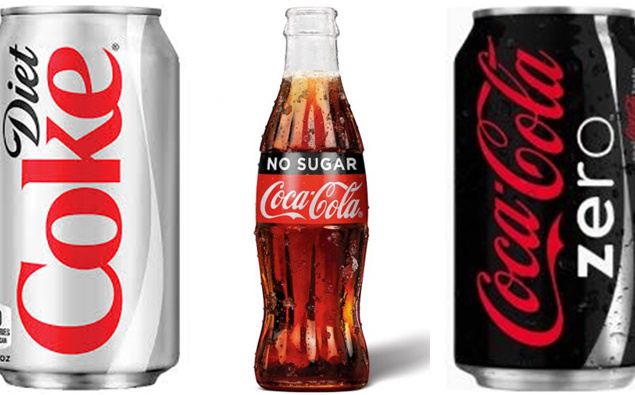
Have you ever wondered why some friends swear by Diet Coke while others always reach for Coke Zero? It often boils down to personal taste and what your taste buds are used to. Your choice might also depend on how sensitive you are to aftertastes or how much you value a beverage that feels more like the original.
Health Implications
Understanding the health implications of diet and zero sugar products is important. Both types affect the body differently, especially in how they impact blood sugar and long-term health. Knowing these effects can help make better choices for well-being.
Effects On Blood Sugar
Diet products often contain artificial sweeteners that do not raise blood sugar levels. This can benefit people with diabetes or those managing blood sugar. Zero sugar products usually mean no sugar added, but they may still contain carbohydrates that affect blood sugar.
Some sweeteners in diet drinks can cause a slight insulin response. This does not raise blood sugar but may affect hunger and cravings. Zero sugar products with natural ingredients like fruit extracts may have different impacts depending on the content.
Long-term Health Considerations
Long-term use of diet products with artificial sweeteners is still under study. Some research suggests they may affect gut health or appetite regulation. Others find no significant harm when consumed in moderation.
Zero sugar products can be healthier if they avoid added sugars and harmful additives. Whole food-based zero sugar options support better nutrition. Always check labels for hidden ingredients that may affect health.
Choosing between diet and zero sugar depends on personal health goals and reactions. Listening to your body and consulting a health professional can guide better choices.

Credit: www.youtube.com
Labeling And Marketing
Understanding the difference between diet and zero sugar products starts with how they are labeled and marketed. These labels influence your choices more than you might realize. Knowing what each term really means can help you make smarter decisions about what you consume.
How Products Are Marketed
Diet products often target people looking to reduce calorie intake or manage weight. You might see words like “low calorie” or “light” on the packaging, which suggests a healthier option.
Zero sugar products emphasize the absence of sugar, but that doesn’t always mean fewer calories. Brands highlight “zero sugar” to appeal to those avoiding sugar specifically, such as people with diabetes or those on low-carb diets.
Marketing uses bright colors, bold fonts, and catchy phrases to grab your attention quickly. Have you noticed how some zero sugar drinks use the same vibrant packaging as regular sodas? This can create confusion about their health impact.
Misconceptions To Avoid
Many people assume diet and zero sugar mean the same thing, but that’s not true. Diet drinks may still contain sugar substitutes or calories, while zero sugar drinks might have artificial sweeteners or other additives.
Another common mistake is thinking “zero sugar” automatically means “healthy.” These products can still contain acids and chemicals that affect your teeth and overall health.
Next time you pick a product, check the full nutrition label and ingredients list. Ask yourself: Are you avoiding sugar, calories, or both? This simple step can prevent unwanted surprises.
Choosing The Right Option
Choosing between diet and zero sugar drinks depends on personal needs and health goals. Both options reduce sugar intake but differ in ingredients and taste. Understanding these differences helps make a better choice for your lifestyle.
Factors To Consider
- Check the sweeteners used in each product. Some use aspartame, others use sucralose or stevia.
- Consider any health conditions like diabetes or allergies.
- Taste preference matters; diet drinks can taste different from zero sugar ones.
- Look at calorie content and nutritional labels closely.
- Think about how often you will consume these drinks.
When To Pick Diet Or Zero Sugar
Choose diet drinks if you want fewer calories but prefer a sweeter taste. They often have a blend of artificial sweeteners.
Zero sugar drinks suit those avoiding sugar completely and artificial ingredients. They sometimes use natural sweeteners instead.
For athletes or active people, zero sugar drinks might be better for hydration without sugar spikes.
People watching their weight can use either, but check labels to avoid unwanted additives.

Credit: www.reddit.com
Frequently Asked Questions
What Is The Main Difference Between Diet And Zero Sugar Drinks?
Diet drinks often contain artificial sweeteners with low or no calories, while zero sugar drinks specifically have no sugar but may contain calories. Both aim to reduce sugar intake but differ in ingredients and calorie content.
Are Diet And Zero Sugar Beverages Equally Healthy?
Not necessarily. Diet drinks may contain artificial sweeteners, which some avoid. Zero sugar drinks focus on eliminating sugar but may still have calories. Always check labels to choose based on your health goals.
Do Diet And Zero Sugar Drinks Affect Blood Sugar Levels?
Zero sugar drinks usually have minimal impact on blood sugar. Diet drinks with artificial sweeteners typically don’t raise blood sugar. However, individual responses may vary, so monitor your body’s reaction if you have diabetes.
Can Zero Sugar Drinks Contain Calories Unlike Diet Drinks?
Yes. Zero sugar drinks can have calories from other sources like fats or proteins. Diet drinks usually aim for low or zero calories by using artificial sweeteners. Always read nutrition labels for accurate information.
Conclusion
Diet and zero sugar drinks differ mainly in sweeteners and calories. Diet drinks use artificial sweeteners and have few or no calories. Zero sugar drinks avoid sugar but may have natural or artificial sweeteners. Both can help reduce sugar intake but affect taste and health differently.
Choose based on your needs and preferences. Understanding these differences helps you make smarter drink choices. Keep reading labels to know what you consume. Simple steps lead to better health every day.







