
Are you looking for an efficient way to build muscle without spending countless hours at the gym? High-Intensity Interval Training (HIIT) might just be the answer you’ve been searching for.
You may have heard about HIIT’s impressive benefits for fat loss and cardiovascular health, but can this powerhouse workout also help you pack on muscle? The answer might surprise you. By the end of this article, you’ll discover how HIIT can be a game-changer for your muscle-building goals, while also fitting seamlessly into your busy lifestyle.
Get ready to uncover the secrets that might revolutionize your workout routine and transform your fitness journey.

Credit: www.menshealth.com
What Is Hiit
High-Intensity Interval Training, or HIIT, is a popular workout method. It mixes short bursts of intense exercise with rest or low-intensity periods. This style keeps your heart rate high and pushes your muscles to work hard.
HIIT sessions are usually brief, lasting 10 to 30 minutes. Despite the short time, these workouts can improve fitness and burn calories effectively. Many people choose HIIT for its efficiency and results.
How Does Hiit Work?
HIIT works by alternating between intense effort and recovery. For example, sprinting for 30 seconds followed by walking for one minute. This pattern repeats several times. The intense parts raise your heart rate quickly.
During rest periods, your body recovers just enough to prepare for the next burst. This cycle challenges your cardiovascular system and muscles repeatedly.
Types Of Exercises Used In Hiit
- Sprinting or running
- Jumping jacks
- Burpees
- Squats and lunges
- Cycling sprints
- Bodyweight exercises like push-ups
These exercises can be mixed and matched depending on your fitness level and goals.
Benefits Of Hiit
- Burns calories fast
- Improves heart health
- Increases metabolism
- Builds endurance
- Requires little or no equipment
- Fits into a busy schedule
Who Can Do Hiit?
HIIT suits most people, but beginners should start slowly. People with health issues should consult a doctor first. Modifications can make HIIT easier or harder.
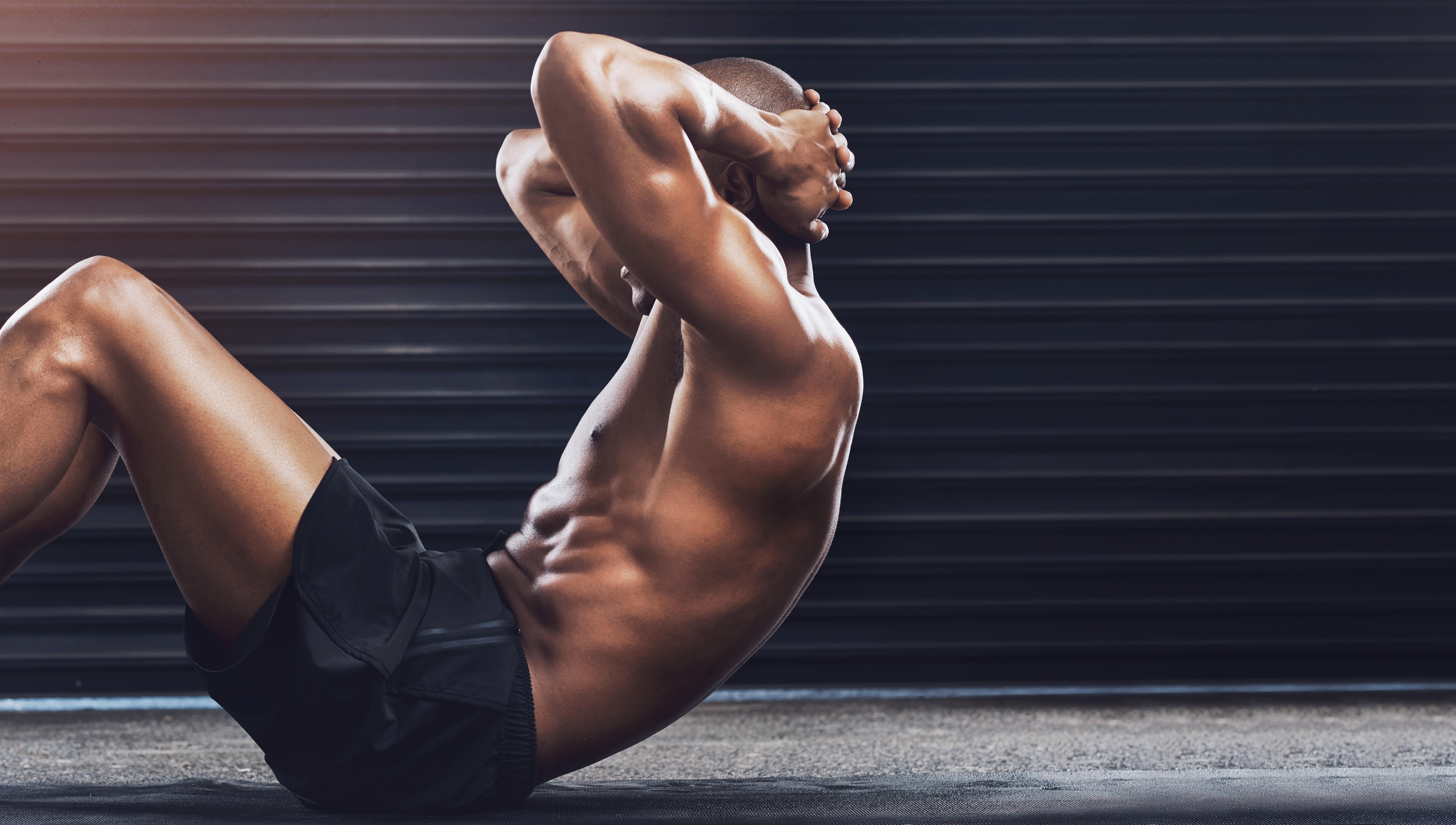
Credit: www.tomsguide.com
Hiit And Muscle Growth
HIIT, or High-Intensity Interval Training, is often praised for its fat-burning benefits, but what about building muscle? Many wonder if those quick bursts of intense exercise can actually help increase muscle size and strength. Understanding how HIIT interacts with muscle growth can help you decide if it fits into your fitness goals.
Muscle Fibers Targeted
HIIT primarily activates fast-twitch muscle fibers, which are responsible for generating power and strength. These fibers have the greatest potential for growth compared to slow-twitch fibers used in endurance activities. When you push hard during HIIT, you recruit these powerful fibers, setting the stage for muscle development.
If you want stronger, bigger muscles, targeting fast-twitch fibers is crucial. So, does your current workout push these fibers enough? Think about how many sprints, jumps, or explosive moves you include.
Hormonal Responses
Intense HIIT sessions trigger the release of hormones like testosterone and growth hormone. These hormones play a key role in muscle repair and growth after exercise. A well-designed HIIT workout can create an environment that supports muscle building.
However, the hormone boost from HIIT is usually short-lived. This means consistency and recovery become your allies. How you manage rest and nutrition after your HIIT session can make all the difference in muscle gains.
Muscle Hypertrophy Potential
Muscle hypertrophy means the increase in muscle size. Traditional strength training often leads this process, but HIIT can contribute when it includes resistance exercises. Using weights or bodyweight moves like push-ups and squats during intervals can promote hypertrophy.
Pure cardio-style HIIT may not build much muscle, but combining HIIT with strength elements definitely has potential. Have you tried adding weighted exercises to your intervals? This small change could boost your muscle growth significantly.
Comparing Hiit With Weight Training
Comparing HIIT (High-Intensity Interval Training) with traditional weight training helps you understand how each affects your muscle building journey. Both have unique benefits and suit different fitness goals. Let’s break down how they differ in muscle gain, strength, and endurance so you can decide what fits your routine best.
Muscle Gain Differences
Weight training targets muscle growth directly by using resistance to create small tears in muscle fibers. These tears repair stronger, increasing muscle size and definition over time.
HIIT, on the other hand, focuses on fast-paced, full-body exercises with short rest periods. It can build lean muscle but is generally better at improving muscle tone rather than bulk.
If you want noticeable muscle size, weight training is usually more effective. But if your goal is a lean, athletic look with some muscle gain, HIIT might be enough.
Strength Improvements
Weight training is designed to increase your maximum strength by progressively lifting heavier weights. This makes everyday tasks easier and boosts athletic performance.
HIIT workouts also improve strength but in a different way. They build functional strength by combining speed, power, and endurance in dynamic movements.
Think about how you want to use your strength. Is it for lifting heavier objects or moving quickly and efficiently? Your choice depends on your personal goals.
Endurance Benefits
Endurance gets a big boost from HIIT because it challenges your cardiovascular system and muscles to perform under fatigue. This improves your stamina in daily activities and sports.
Weight training offers endurance benefits too, but mostly for muscular endurance rather than cardiovascular fitness. Lifting lighter weights with more reps helps here.
Do you want to run longer, cycle faster, or simply keep going during tough workouts? HIIT might be your best bet for endurance gains.
Best Hiit Practices For Muscle Building
High-Intensity Interval Training (HIIT) can help build muscle with the right approach. It is not just about quick bursts of energy but about choosing exercises and managing effort smartly. Proper planning boosts muscle growth and improves strength.
Exercise Selection
Choose exercises that target major muscle groups. Use bodyweight moves like push-ups, squats, and lunges. Add weights or resistance bands for extra challenge. Focus on compound movements that work multiple muscles.
Intensity And Duration
Keep high-intensity bursts short but powerful. Aim for 20 to 40 seconds of maximum effort. Rest periods should allow partial recovery, about 10 to 30 seconds. Total workout time can range from 15 to 30 minutes.
Recovery Importance
Muscle grows during rest, not exercise. Allow 48 hours between intense sessions for the same muscle group. Get enough sleep and eat protein-rich foods. Recovery prevents injury and helps muscles get stronger.
Common Myths About Hiit And Muscle
Many people have misconceptions about HIIT (High-Intensity Interval Training) and its effects on muscle. These myths can stop you from using HIIT effectively or even discourage you from trying it altogether. Let’s clear up some common misunderstandings so you can make the most of your workouts.
Hiit Burns Muscle
You might have heard that HIIT causes muscle loss because it’s intense and often done without heavy weights. This isn’t entirely true. HIIT primarily burns fat and improves cardiovascular fitness, but it can also help maintain and even build muscle if done correctly.
How? Because HIIT involves short bursts of explosive movements like sprints, jumps, or bodyweight exercises that activate your fast-twitch muscle fibers. These fibers are responsible for muscle growth and strength. Add resistance exercises or weighted intervals, and HIIT becomes a muscle-friendly workout.
Have you noticed how your muscles feel stronger after doing HIIT with weights or sprint intervals? That’s your body adapting and building muscle, not losing it.
Hiit Is Only For Fat Loss
Many believe HIIT is just a fat-burning tool. But it’s more than that. HIIT improves endurance, boosts metabolism, and yes, helps build muscle too.
For example, if you combine HIIT with bodyweight exercises like push-ups, squats, or kettlebell swings, you stimulate muscle growth. It challenges your muscles to adapt and grow stronger over time.
Why limit yourself to thinking HIIT only cuts fat? Could your workout routine benefit from adding HIIT to improve muscle tone and overall fitness? The answer is often yes.

Credit: www.youtube.com
Combining Hiit With Other Training
Combining HIIT with other forms of training can enhance muscle growth and overall fitness. HIIT alone mainly improves cardiovascular health and burns fat. To build muscle effectively, mixing HIIT with strength exercises and proper nutrition is essential. This approach creates a balanced workout plan that supports muscle gain and endurance.
Resistance Training Integration
Pairing HIIT with resistance training boosts muscle development. Weight lifting or bodyweight exercises target muscles directly. Use compound movements like squats, deadlifts, and push-ups. These exercises stimulate multiple muscle groups at once. Perform resistance training 2-3 times per week for best results. Follow HIIT sessions with strength workouts or alternate days. This helps muscles recover and grow stronger.
Nutrition Strategies
Nutrition plays a key role in muscle building alongside HIIT. Eating enough protein supports muscle repair and growth. Aim for 1.2 to 2 grams of protein per kilogram of body weight daily. Include sources like chicken, fish, beans, and dairy. Carbohydrates provide energy for intense workouts. Healthy fats aid hormone production and recovery. Stay hydrated and eat balanced meals throughout the day.
Scheduling Workouts
Plan workouts to avoid overtraining and fatigue. Alternate HIIT days with resistance training or rest days. For example:
- Monday: HIIT
- Tuesday: Resistance training
- Wednesday: Rest or light activity
- Thursday: HIIT
- Friday: Resistance training
- Saturday: Rest
- Sunday: Active recovery or rest
This schedule allows muscles to recover while maintaining workout intensity. Adjust frequency based on fitness level and goals.
Who Should Use Hiit For Muscle Gain
HIIT is a powerful tool for building muscle. It suits different fitness levels and goals. Knowing who benefits most helps maximize muscle gain. This section explains which groups gain the most from HIIT workouts.
Beginners
Beginners find HIIT effective for quick muscle growth. Short bursts of intense effort build strength and endurance. HIIT workouts also improve metabolism and burn fat. This helps reveal muscle tone faster. Simple exercises make HIIT easy to follow for new exercisers.
Athletes
Athletes use HIIT to boost muscle power and speed. It trains fast-twitch muscle fibers crucial for explosive moves. HIIT improves stamina without bulk, keeping agility intact. This method complements sport-specific training well. Athletes can target muscle groups while increasing cardiovascular fitness.
Time-constrained Individuals
HIIT suits people with limited workout time. Sessions last 20 to 30 minutes yet deliver strong muscle-building effects. Busy schedules do not stop muscle gain with HIIT. Its efficiency allows frequent training with good recovery. Perfect for those balancing work, family, and fitness goals.
Frequently Asked Questions
Does Hiit Help In Muscle Growth?
Yes, HIIT can promote muscle growth by combining strength and cardio exercises. It triggers muscle fiber engagement and boosts metabolism, aiding muscle development.
How Effective Is Hiit For Building Muscle?
HIIT effectively builds muscle by using high-intensity intervals that challenge muscles. It improves muscle endurance and strength with consistent training.
Can Hiit Replace Traditional Weight Training?
HIIT can complement but not fully replace weight training for muscle gain. Weight training targets muscle hypertrophy more directly than HIIT.
What Muscle Groups Does Hiit Target?
HIIT targets multiple muscle groups including legs, core, and arms. The varied exercises ensure balanced muscle activation and overall strength improvement.
Conclusion
HIIT can help build muscle, but it depends on how you train. Use weights or bodyweight exercises during your sessions. Keep intensity high and rest periods short to challenge muscles. Combine HIIT with proper nutrition and enough rest. Muscle growth takes time and consistent effort.
HIIT alone may not build large muscles like heavy lifting does. Still, it improves strength and tone effectively. Try different routines to see what works best for you. Stay patient and keep moving forward. Results will come with hard work and smart training.







