
Are you curious about what fuels the fascinating box turtle? Understanding the diet of these intriguing creatures is key to ensuring their health and happiness.
Whether you’re a seasoned reptile enthusiast or a curious newbie, diving into the specifics of a box turtle’s diet can be both enlightening and rewarding. In this guide, we’ll unravel the mystery of what keeps these shelled wonders thriving. From the leafy greens they crave to the occasional protein-packed treats they need, you’ll learn everything essential to keep your box turtle in peak condition.
Stick around to discover how you can cater to their dietary needs and ensure a long, vibrant life for your shelled companion.
Credit: www.odu.edu
Natural Diet Of Box Turtles
Box turtles have a varied natural diet that supports their health and energy. They eat many different plants and animals found in their habitat. Their diet helps them get all nutrients needed for growth and survival. Understanding their natural diet is key to caring for box turtles properly.
Wild Food Sources
Box turtles eat a mix of animal and plant foods in the wild. They consume insects like beetles, caterpillars, and grasshoppers. Worms and snails also form a big part of their meals. They eat fruits such as berries and wild grapes. Leaves, flowers, and mushrooms add variety to their diet. This mix provides protein, fiber, vitamins, and minerals.
Seasonal Variations
Box turtle diets change with the seasons. In spring and summer, insects and fresh plants are plentiful. During these months, turtles eat more animal protein. In fall, fruits and nuts become more common in their diet. Winter food is scarce, so turtles eat less and may rely on stored energy. These changes help turtles adapt to their environment throughout the year.

Credit: www.boxturtleworld.com
Protein Needs
Protein is a crucial part of your box turtle’s diet. It supports their muscle growth, shell development, and overall health. Meeting their protein needs can be simpler than you think if you know what to offer and how often.
Insects And Invertebrates
Live insects are a natural and excellent source of protein for box turtles. Crickets, mealworms, and earthworms provide essential nutrients and keep your turtle interested in mealtime.
Try to feed a variety of insects to avoid nutritional gaps. Keep in mind that wild-caught insects might carry pesticides or parasites, so buying from a reliable pet store is safer.
- Crickets: High in protein and easy to digest.
- Mealworms: Great for occasional treats, but not daily due to fat content.
- Earthworms: Rich in nutrients and loved by most turtles.
- Snails and slugs: Another good protein source, but avoid ones from pesticide-treated areas.
Meat And Supplement Options
You can add small amounts of lean meats like cooked chicken or turkey to diversify your turtle’s protein sources. Avoid processed or seasoned meats to keep your turtle’s diet healthy.
Supplements can help fill in nutritional gaps, especially calcium and vitamins. Using a calcium powder sprinkled on insects or meat a few times a week supports strong shell growth.
- Lean cooked chicken or turkey (small portions)
- Calcium powder with vitamin D3 for shell health
- Multivitamins designed for reptiles, used sparingly
Are you paying attention to how your turtle responds to different protein sources? Their energy levels and shell condition can tell you a lot about whether their diet is meeting their needs.
Vegetable And Fruit Choices
Choosing the right vegetables and fruits is key for a healthy box turtle diet. These foods provide essential vitamins and minerals. They also offer fiber to aid digestion. A balanced mix helps keep your turtle active and strong.
Leafy Greens
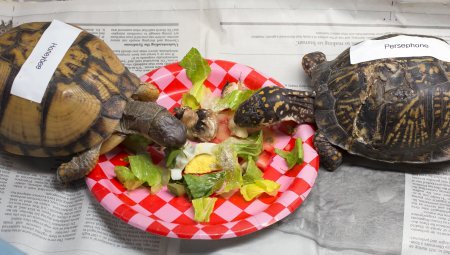
Leafy greens are a great staple for box turtles. They supply calcium, which supports shell health. Offer a variety to keep meals interesting and nutritious. Good options include:
- Collard greens
- Dandelion greens
- Kale (in moderation)
- Mustard greens
- Turnip greens
Avoid spinach and iceberg lettuce. Spinach blocks calcium absorption. Iceberg lettuce lacks nutrients and water content.
Safe Fruits For Box Turtles
Fruits add natural sweetness to your turtle’s diet. Use them as treats, not main food. Suitable fruits are:
- Strawberries
- Blueberries
- Melons (cantaloupe, watermelon)
- Apples (without seeds)
- Mango
Feed fruits in small amounts. Too much sugar can harm your turtle’s health.
Calcium And Vitamin Requirements
Calcium and vitamins play a crucial role in keeping your box turtle healthy and active. Without the right balance, your turtle may face shell deformities, weak bones, and other health issues. Understanding these requirements helps you provide the best diet for your shelled friend.
Importance Of Calcium
Calcium is vital for a box turtle’s shell strength and overall bone health. A calcium deficiency can lead to metabolic bone disease, which is painful and often irreversible.
Have you noticed your turtle’s shell looking soft or misshapen? That’s a clear sign calcium is lacking. Providing enough calcium supports proper growth and healing.
Supplements And Natural Sources
Natural calcium sources include leafy greens like kale, collard greens, and dandelion leaves. These foods not only add calcium but also supply essential vitamins.
Sometimes, diet alone isn’t enough. Using calcium supplements, especially those with vitamin D3, ensures your turtle absorbs calcium properly.
- Dust food with calcium powder 2-3 times a week.
- Offer cuttlebone pieces in the enclosure for nibbling.
- Ensure proper UVB lighting to help vitamin D3 production.
Do you check your turtle’s diet regularly to balance calcium and vitamins? Small, consistent changes can make a big difference in your turtle’s health and happiness.
Foods To Avoid
Choosing the right foods for your box turtle is essential for its health. Some foods can cause illness or even be fatal. Knowing which items to avoid helps keep your turtle safe. This section highlights key foods that should never be part of a box turtle’s diet.
Toxic Plants And Fruits
Many plants and fruits are harmful to box turtles. These contain toxins that can damage their organs or cause poisoning.
- Rhubarb leaves – highly poisonous and can cause kidney failure
- Tomato leaves and stems – contain solanine, a toxic substance
- Avocado – contains persin, which is harmful to turtles
- Onion and garlic – can cause digestive issues and blood problems
- Rhododendron and azalea – toxic and can lead to severe illness
- Cherry pits and seeds – contain cyanide, dangerous if ingested
Harmful Human Foods
Human foods often lack the nutrients turtles need. Some can even harm their health.
- Processed snacks – high in salt, sugar, and fats
- Dairy products – turtles cannot digest lactose well
- Meat from mammals – difficult to digest and can cause illness
- Raw beans – contain harmful toxins
- Chocolate and caffeine – toxic and can cause heart issues
- Salty or fried foods – disrupt natural diet balance
Feeding Schedule And Portions
Feeding box turtles the right way is key for their health. Proper schedules and portion sizes keep them active and happy. Turtles need balanced meals that match their natural eating habits. Overfeeding or irregular feeding can cause health issues.
Understanding how often and how much to feed helps prevent problems. Box turtles enjoy a mix of vegetables, fruits, and proteins. This variety supports their growth and energy needs. Consistent feeding routines create a stable environment for your pet.
Daily Feeding Tips
- Feed young turtles every day for steady growth.
- Adult turtles can eat every other day to avoid overeating.
- Offer small portions to prevent waste and digestive issues.
- Remove uneaten food after a few hours to keep the habitat clean.
- Provide fresh water daily for hydration and digestion.
- Vary the diet to keep meals interesting and nutritious.
Adjusting Diet By Age And Health
- Young turtles need more protein for development.
- Adults require more vegetables and less protein to maintain health.
- Older turtles may need softer foods due to weaker jaws.
- Sick turtles benefit from easily digestible, nutrient-rich meals.
- Monitor weight regularly to adjust food portions accordingly.
- Consult a vet if dietary changes affect your turtle’s health.
Hydration And Water Needs
Hydration plays a vital role in a box turtle’s health. Water helps with digestion and temperature control. Without enough water, turtles can become weak or sick. Understanding their water needs keeps them active and healthy.
Water Sources
Box turtles get water from different places. They drink from shallow water dishes. Fresh, clean water is important to avoid illness. Rainwater can also be a natural source. Some box turtles eat fruits and vegetables high in water content. These foods add extra hydration to their diet.
Soaking Practices
Soaking box turtles helps keep their skin and shell healthy. Use lukewarm water in a shallow container. The water level should reach the turtle’s shoulders. Soak them for 15 to 30 minutes a few times a week. This practice also aids in hydration and helps turtles urinate. Avoid cold water to prevent stress.

Credit: www.reddit.com
Frequently Asked Questions
What Do Box Turtles Eat In The Wild?
Box turtles eat a varied diet including insects, fruits, vegetables, and small animals. Their diet changes seasonally based on availability.
Can Box Turtles Eat Fruits And Vegetables Daily?
Yes, box turtles can eat fruits and vegetables daily. They need a balanced mix of both for proper nutrition.
How Often Should I Feed My Box Turtle?
Feed box turtles every day or every other day. Young turtles eat daily, adults can have less frequent meals.
Are Protein Sources Important For Box Turtles?
Protein is essential for box turtles. They require insects, worms, or small animals to maintain growth and health.
Conclusion
A balanced box turtle diet keeps your pet healthy and happy. Fresh vegetables, fruits, and protein make a good mix. Avoid giving too much dairy or processed food. Clean water should always be available for drinking. Watch your turtle’s eating habits to spot any health issues.
Feeding the right foods helps your box turtle live longer. Caring for their diet shows love and responsibility. Small changes can improve their well-being every day. Remember, simple steps create a strong foundation for care.







