
Unlocking your full fitness potential can sometimes feel like a puzzle. You’ve tried different workouts, diets, and routines, but the results just aren’t adding up.
Imagine if you had access to insider tips that could transform your approach to fitness. In “Bridges’ Top Fitness Tips,” you’ll discover practical and powerful strategies to elevate your health and wellness game. Picture yourself achieving those elusive fitness goals with ease and confidence.
This isn’t just another list of tips—it’s your personal roadmap to becoming the best version of yourself. Dive in, and let’s unravel the secrets to a fitter, healthier you.
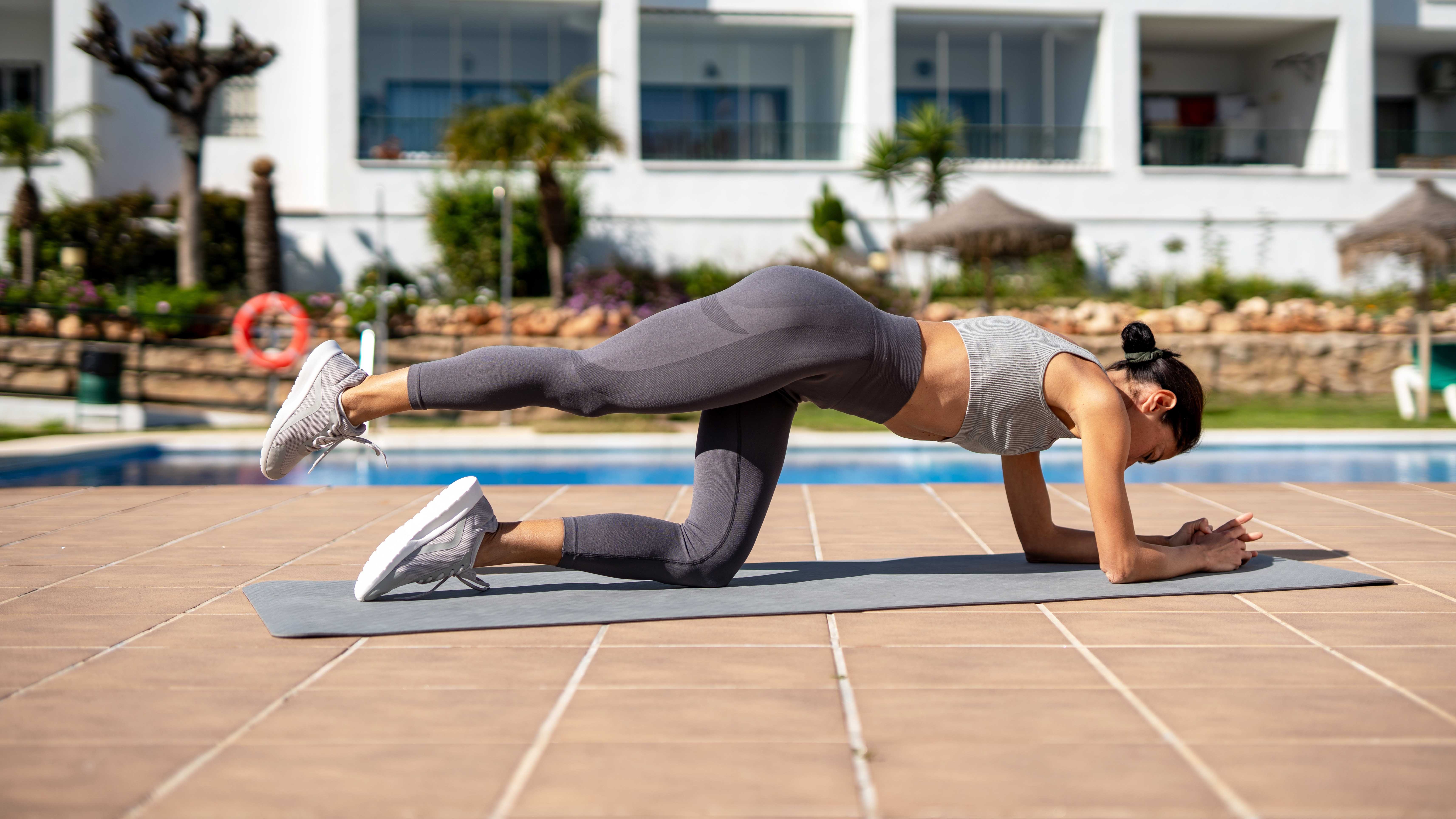
Credit: www.tomsguide.com
Fuel Your Body Right
Fueling your body right is the cornerstone of any fitness journey. Without the proper nutrients and hydration, your workouts won’t reach their full potential, and recovery will lag. Paying attention to what you eat and drink can make a noticeable difference in your energy, strength, and overall results.
Balanced Nutrition Essentials
Your body needs a mix of macronutrients to perform well—carbohydrates, proteins, and fats all play distinct roles. Carbohydrates provide quick energy, proteins help repair muscles, and fats support hormone production and long-term fuel. Aim to include whole grains, lean meats, healthy oils, and plenty of fruits and vegetables in your daily meals.
Think about your plate like this:
| Macronutrient | Role | Good Sources |
|---|---|---|
| Carbohydrates | Energy | Oats, brown rice, sweet potatoes |
| Proteins | Muscle repair | Chicken, fish, beans, tofu |
| Fats | Hormone support, energy | Avocado, nuts, olive oil |
Have you noticed how skipping one group leaves you feeling off balance? Your body relies on all three to keep your workouts strong and recovery smooth.
Hydration Strategies
Water is often overlooked but is essential for your fitness. It helps regulate body temperature, lubricate joints, and transport nutrients. Dehydration, even mild, can reduce your strength and focus.
Try to sip water throughout the day, not just during exercise. A good rule is to drink half your body weight in ounces daily, adjusting for sweat and activity level. Adding a pinch of salt or an electrolyte mix can help if you sweat a lot during intense sessions.
Ask yourself: Are you drinking enough to feel clear-headed and energized, or do you often feel thirsty and sluggish?
Pre-workout Meals
What you eat before working out sets the stage for your performance. A meal or snack combining carbs and protein about 1-2 hours before exercise fuels your muscles and keeps hunger at bay. Avoid heavy or greasy foods that can cause discomfort.
- A banana with peanut butter
- Greek yogurt with berries
- Whole grain toast with a boiled egg
Experiment with timing and portions to find what works best for your body. Notice how different foods affect your energy and stamina during workouts. This simple change can lead to bigger gains and a more enjoyable fitness routine.
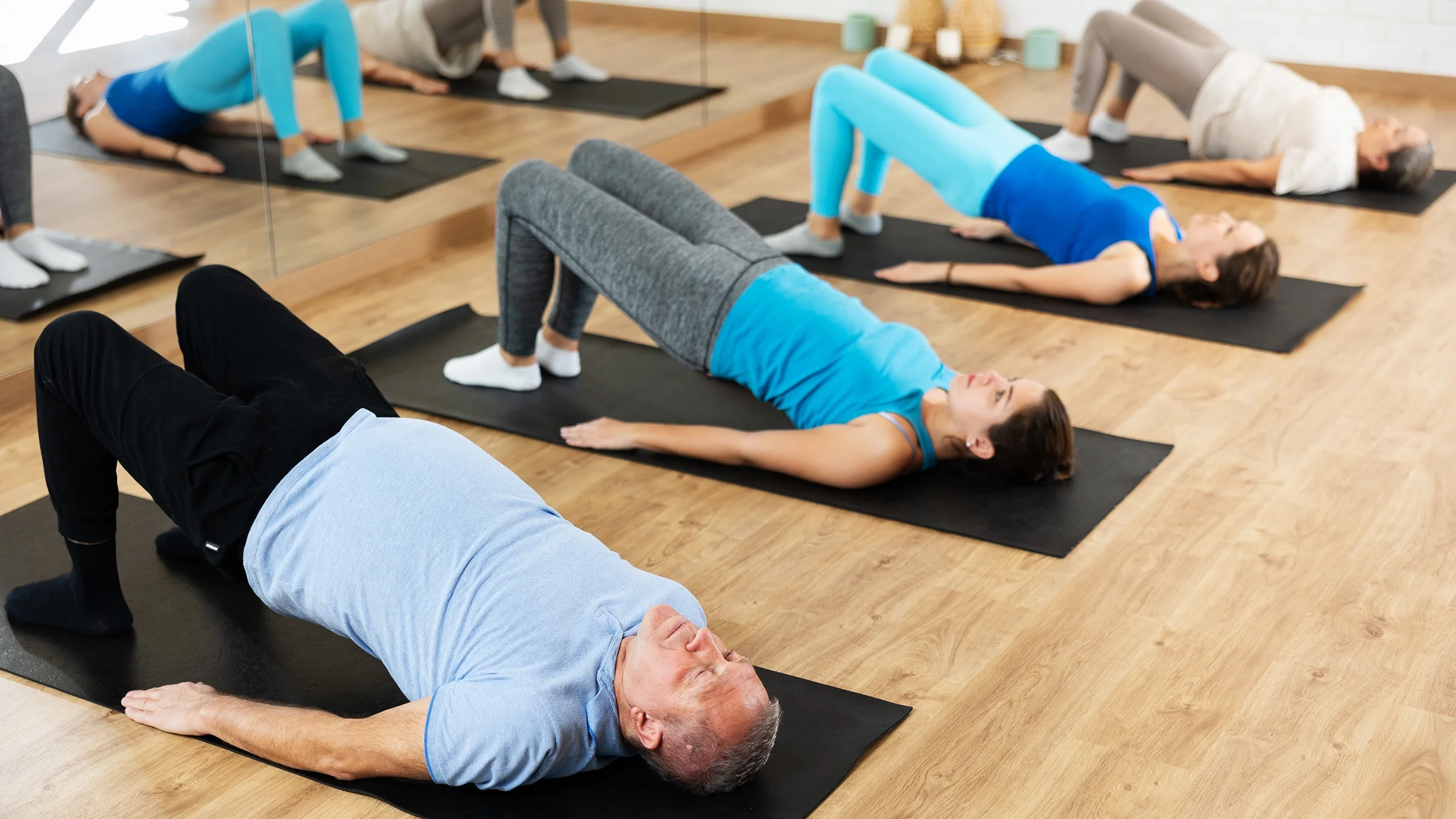
Credit: www.goodrx.com
Smart Training Techniques
Smart training techniques form the foundation of any effective fitness routine. They help you train efficiently, avoid injuries, and see real progress. Focusing on how you prepare, build strength, and improve endurance will make your workouts smarter, not just harder.
Warm-up And Cool-down Routines
Starting your workout with a proper warm-up gets your body ready for action. It increases blood flow to your muscles and improves joint flexibility, which lowers the risk of injury. Try simple dynamic stretches like leg swings or arm circles for 5 to 10 minutes before you begin intense exercise.
Cooling down is just as important. It helps your heart rate return to normal gradually and reduces muscle soreness. Gentle stretches or slow walking for 5 to 10 minutes after your workout can make a big difference in recovery.
Strength Training Basics
Strength training builds muscle and boosts metabolism, but it needs to be done correctly. Focus on using proper form rather than lifting heavier weights too quickly. For example, squats done with good technique will benefit your legs and core far more than sloppy reps with heavy dumbbells.
Mix compound exercises like push-ups, deadlifts, and lunges into your routine. They work multiple muscle groups and give you better results in less time. Remember to rest between sessions to let your muscles repair and grow stronger.
Cardio For Endurance
Cardio exercises improve your heart and lung capacity, helping you last longer during physical activities. Instead of sticking to one type, vary your cardio workouts with running, cycling, or swimming to keep it interesting and challenge your body in different ways.
Try interval training by alternating between high-intensity bursts and slower recovery periods. This method boosts endurance more efficiently than steady-state cardio. Have you noticed how your energy levels change when you include intervals in your workouts?
Optimize Recovery
Optimizing recovery is a key part of any fitness routine. It helps your body repair, rebuild, and come back stronger after workouts. Ignoring recovery can lead to burnout, injuries, and stalled progress. Let’s dive into how you can make the most of your rest and recovery time.
Importance Of Rest Days
Rest days are not a sign of weakness—they are essential for muscle growth and injury prevention. Your muscles need time to repair the small tears caused by exercise. Without rest, you risk overtraining, which can cause fatigue and reduce performance.
Think about how your body feels after a tough workout. Do you notice stiffness or soreness that lasts for days? That’s a clear signal to take a break. Plan at least one or two rest days each week and use them wisely. Light activities like walking or gentle yoga can help without stressing your muscles.
Sleep And Performance
Sleep is the ultimate recovery tool. During deep sleep, your body releases growth hormones that repair tissues and build muscle. Missing out on quality sleep directly affects your strength, endurance, and focus.
Try to get 7 to 9 hours of uninterrupted sleep each night. Create a bedtime routine that helps you wind down—limit screen time, avoid caffeine late in the day, and keep your bedroom cool and dark. Have you noticed how a poor night’s sleep makes your workouts harder? Prioritize sleep to feel more energetic and motivated.
Effective Stretching Methods
Stretching helps reduce muscle tightness and improves blood flow, speeding up recovery. But not all stretching is equal. Dynamic stretching before a workout prepares your body for movement, while static stretching after exercise helps relax muscles.
Try adding these stretches to your routine:
- Hamstring Stretch:Sit with one leg extended and reach toward your toes gently.
- Cat-Cow Pose:Alternate arching and rounding your back to loosen the spine.
- Chest Opener:Clasp your hands behind your back and lift slightly to open your chest.
How often do you stretch after your workouts? Even just 5-10 minutes can make a noticeable difference in how you feel the next day.

Credit: www.myoactive.com.au
Mental Fitness Hacks
Mental fitness is just as important as physical fitness. It shapes how you stay motivated, handle stress, and achieve your goals. Strengthening your mind can lead to better workouts and a more balanced life.
Building Focus And Motivation
Focus is like a muscle; it gets stronger the more you train it. Try setting small, clear goals for each workout to keep your mind on track. I found that breaking down big tasks into bite-sized pieces helped me push through days when motivation was low.
Ask yourself: What’s one simple action you can take right now to move forward? Write it down and commit to it. This habit keeps your motivation steady and your focus sharp.
Stress Management Tips
Stress can quickly drain your energy and ruin your workout plans. When you feel overwhelmed, pause and take deep, slow breaths to calm your nervous system. Even a few minutes of mindful breathing can reset your mood.
Physical activity itself is a powerful stress buster, but combining it with relaxation techniques like progressive muscle relaxation or gentle stretching can enhance the effect. What small change can you make today to reduce your stress?
Visualization Techniques
Picture yourself completing your workout or hitting your fitness goal. Visualization primes your brain to believe success is possible, making it easier to stay committed. I remember visualizing crossing a race finish line before my first 5K, which gave me a mental boost on race day.
Try spending a few minutes daily imagining the steps you need to take and how you’ll feel afterward. This mental rehearsal strengthens your resolve and prepares your mind for action.
Track Your Progress
Tracking your fitness progress is a game-changer. It keeps you motivated and helps you see how far you’ve come. Without tracking, it’s easy to lose focus or forget what you’ve achieved.
Setting Realistic Goals
Start with clear, achievable goals. Instead of saying, “I want to run 10 miles tomorrow,” aim for something manageable like “I’ll run 1 mile today.”
Realistic goals build confidence and create a sense of accomplishment. Think about what fits your schedule and energy levels. What small wins can you celebrate this week?
Using Fitness Apps
Fitness apps make tracking simple and fun. They record your workouts, monitor calories, and even suggest improvements.
Apps like MyFitnessPal or Strava provide detailed stats that help you understand your body’s response. Have you tried an app that surprised you with insights about your progress?
Adjusting Your Plan
Progress isn’t always a straight line. Some weeks you’ll push harder; others, you might need to slow down.
Pay attention to how your body feels and be ready to tweak your plan. If something isn’t working, change it. How often do you check your progress and make adjustments?
Frequently Asked Questions
What Are Bridges’ Most Effective Fitness Tips?
Bridges emphasize consistency, balanced workouts, and proper nutrition. They recommend strength training, cardio, and flexibility exercises. Rest and hydration are crucial. Setting realistic goals helps maintain motivation. Prioritize form to prevent injuries and ensure steady progress.
How Can Beginners Start Bridges’ Fitness Routine?
Start with low-impact exercises and simple stretches. Gradually increase intensity and duration. Focus on learning correct form to avoid injuries. Incorporate rest days to allow recovery. Follow a balanced diet to support workouts and energy levels.
Why Is Proper Form Important In Bridges’ Workouts?
Proper form maximizes workout effectiveness and reduces injury risk. It ensures the right muscles are engaged. Good technique builds strength and endurance safely. Poor form can cause strain and setbacks. Always prioritize form over speed or weight.
How Does Nutrition Support Bridges’ Fitness Tips?
Nutrition fuels workouts and aids recovery. Balanced meals with protein, carbs, and fats optimize energy. Hydration is essential for performance and muscle function. Avoid processed foods and excess sugar. Consistent nutrition supports long-term fitness goals.
Conclusion
Bridges’ fitness tips help you stay strong and healthy. Small changes make a big difference every day. Keep moving, eat well, and rest enough. Consistency matters more than quick fixes. Enjoy your fitness journey step by step. Stay patient and trust the process.
Your body will thank you for care. Keep these tips close for lasting results. Fitness is for everyone, at any age. Start today and feel the positive change.







