
Are you tired of the same old gym routine and looking for a fresh, effective way to build muscle? If so, you’re not alone.
Many fitness enthusiasts are discovering the power of rucking, a simple yet challenging activity that could be the game-changer in your fitness journey. Imagine strapping on a backpack, loading it with weight, and hitting the trails. It’s not just a cardio workout; it’s a full-body challenge that could help you build muscle in surprising ways.
We’ll uncover the truth about whether rucking can truly build muscle and how you can incorporate it into your fitness regimen. Get ready to dive into a world where nature becomes your gym and every step takes you closer to your muscle-building goals.
Credit: sweat.com
What Is Rucking?
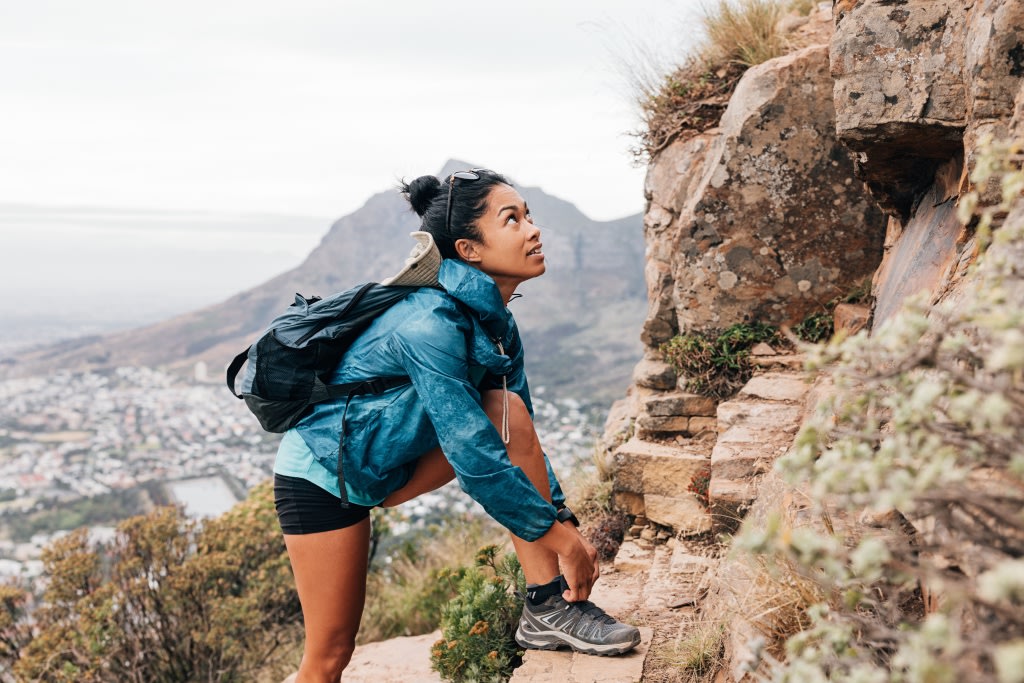
Rucking is a simple yet powerful way to exercise that combines walking with carrying weight. It might seem straightforward, but the effects on your body can be surprising. If you’ve ever wondered how adding a weighted backpack to your walk changes things, you’re about to find out.
Rucking means walking while carrying a weighted backpack or rucksack. It started as a military training exercise, where soldiers carry heavy loads over long distances. Today, it has become a popular fitness activity for people looking for a low-impact workout that builds strength and endurance.
Unlike running or lifting weights, rucking challenges your muscles and cardiovascular system in a unique way. The added weight forces your body to work harder with every step, making simple walking an intense workout.
How Does Rucking Work?
When you add weight to your back, your muscles must stabilize your spine and support the extra load. This engages not just your legs but also your core, shoulders, and back muscles. It’s a full-body effort that can improve posture and muscle tone.
Rucking is also easy to adjust. You can increase or decrease the weight or the distance to match your fitness level. This flexibility makes it a great choice whether you’re starting out or looking for a new challenge.
What Equipment Do You Need?
- Backpack or Rucksack:Choose one that fits well and can hold weight comfortably.
- Weights:You can use weight plates, sandbags, or water bottles to add resistance.
- Comfortable Shoes:Supportive footwear is essential since you’ll be walking longer distances.
- Optional Gear:Gloves to protect your hands, and moisture-wicking clothes to stay comfortable.
Starting with lighter weights and shorter distances helps you avoid injury. As you get stronger, you can increase the challenge to keep your muscles growing and your endurance improving.
Muscle Groups Engaged During Rucking
Rucking isn’t just about carrying weight on your back and walking. It activates several key muscle groups that work together to improve strength and endurance. Understanding which muscles engage can help you target your training and see better results.
Leg Muscles
Your legs do most of the heavy lifting during rucking. The quadriceps, hamstrings, and calves work hard to push you forward with each step. Adding weight increases resistance, making these muscles adapt and grow stronger over time.
Have you noticed how climbing hills with a rucksack feels tougher? That’s your leg muscles getting an intense workout, especially your glutes and hamstrings. This is why rucking can be a great way to build lower body muscle without traditional gym exercises.
Core Activation
Your core plays a vital role in keeping you stable while carrying a load. The abs, obliques, and lower back muscles contract constantly to maintain posture and balance. This continuous engagement can lead to a stronger, more defined midsection.
Think about the last time you felt your core tighten during a long ruck march. This involuntary activation helps protect your spine and improves overall functional strength. Are you paying attention to your posture during rucking? It’s key to maximizing core benefits.
Upper Body Involvement
Even though your legs and core take most of the strain, your upper body isn’t sitting idle. Your shoulders, traps, and arms work to support the weight on your back and keep the pack stable. This subtle but consistent effort can improve upper body endurance and muscle tone.
Try adjusting the straps on your rucksack. You’ll feel how your upper body muscles engage more when the pack fits snugly. This small tweak can make a big difference in how much your upper body benefits from rucking.
How Rucking Promotes Muscle Growth
Rucking involves walking or hiking with a weighted backpack. This simple activity offers more than just cardio benefits. It helps build muscle through steady resistance and sustained effort. The muscles work harder to carry the added weight, encouraging growth and strength. Here’s how rucking promotes muscle growth.
Resistance Through Weight
Carrying extra weight adds resistance to your movements. This resistance forces muscles to work harder than normal walking. Key muscle groups like your legs, back, and core engage continuously. Over time, this stress causes muscle fibers to grow stronger and larger. The heavier the load, the more muscle activation occurs.
Endurance And Strength Balance
Rucking blends endurance with strength training. It challenges your muscles to sustain effort over long periods. This combination improves muscle stamina and power. Your body adapts by building muscle that resists fatigue. This balance helps develop lean, durable muscles instead of just bulk.
Comparing Rucking To Traditional Strength Training
Comparing rucking to traditional strength training highlights some interesting contrasts. Both activities engage your muscles, but in very different ways. Understanding these differences helps you decide which fits your fitness goals best.
Benefits Over Weightlifting
Rucking offers a unique blend of cardio and muscle endurance. Carrying a weighted backpack while walking engages your back, shoulders, and legs continuously. This steady load can improve your muscular stamina without the joint strain that heavy lifting might cause.
You also get the bonus of outdoor exercise, which boosts your mood and motivation. Unlike weightlifting sessions that often require gym equipment, rucking can be done almost anywhere. It’s a practical way to add resistance training to your routine without complicated gear.
Have you noticed how your posture improves after a few weeks of rucking? That’s because you naturally engage your core to stabilize the weight. This effect is harder to replicate in traditional strength training unless you focus specifically on core exercises.
Limitations For Muscle Building
Rucking isn’t designed to maximize muscle size or strength gains. The constant, moderate weight load promotes endurance but doesn’t provide the intense resistance needed for hypertrophy. If bulking up is your goal, traditional strength training remains more effective.
Also, rucking primarily targets lower body muscles and your back, but it lacks variety for other muscle groups. You won’t get the same level of isolated muscle work that targeted weightlifting offers. This can limit balanced muscle development across your entire body.
Ask yourself: Are you aiming for lean muscle endurance or significant muscle growth? Your answer will guide whether rucking complements or replaces your gym workouts.
Tips To Maximize Muscle Gains With Rucking
Maximizing muscle gains through rucking isn’t just about walking with a heavy pack. It demands attention to details that engage your muscles effectively and prevent injury. With the right approach, rucking can transform your strength and endurance.
Choosing The Right Weight
Your backpack weight plays a crucial role in muscle development. Start with a load that challenges you but doesn’t strain your joints—typically around 10-20% of your body weight.
Too light, and your muscles won’t activate fully; too heavy, and you risk injury or poor form. Adjust gradually as your strength improves to keep your muscles adapting.
Proper Form And Technique
Maintaining good posture is key to targeting the right muscle groups. Keep your shoulders back, core tight, and avoid leaning forward excessively.
Engage your glutes and hamstrings with each step instead of relying solely on your quads. I found that focusing on form made my lower back feel stronger and reduced fatigue during longer rucks.
Incorporating Interval Training
Adding bursts of faster walking or uphill rucking helps increase muscle engagement. Alternate between steady pace and high-intensity intervals to recruit different muscle fibers.
This approach improves both muscle strength and cardiovascular fitness. Have you tried mixing short sprints with your regular ruck? It might be the key to breaking through your current plateau.

Credit: www.goruck.com
Potential Risks And How To Avoid Them
Rucking is a great exercise but comes with some risks. Understanding these risks helps you stay safe. Avoiding injury and overtraining keeps your progress steady and healthy.
Injury Prevention
Rucking puts pressure on your joints and muscles. Using the wrong backpack or too much weight causes strain. Wear well-fitting shoes with good support. Choose a backpack with padded straps and a waist belt. Start with light weight and short distances. Gradually increase to avoid sudden stress. Pay attention to your posture to prevent back pain. Stop if you feel sharp pain or discomfort.
Avoiding Overtraining
Overtraining slows muscle growth and causes fatigue. Your body needs time to recover between sessions. Plan rest days and listen to your body’s signals. Avoid rucking every day, especially with heavy loads. Mix rucking with other exercises like stretching or light cardio. Proper hydration and nutrition support recovery. Sleep well to help muscles repair and grow stronger.
Success Stories And Real-life Examples
Success stories and real-life examples show how rucking can help build muscle. Many people share their progress after adding rucking to their fitness routine. These stories highlight strength gains and muscle growth from consistent effort.
Rucking combines walking with weight, which challenges muscles differently. This activity targets the legs, back, and core muscles effectively. Below are some examples that illustrate the impact of rucking on muscle development.
Military Personnel Gaining Strength With Rucking
Soldiers often use rucking as part of their training. Carrying heavy packs over long distances builds strong leg and back muscles. Many report noticeable muscle growth and improved endurance. Rucking helps prepare them for demanding physical tasks.
Fitness Enthusiasts Transforming Their Bodies
People who add rucking to their workouts see muscle tone improve. The extra weight forces muscles to work harder. Users describe firmer legs, stronger backs, and better posture. Some combine rucking with bodyweight exercises for balanced strength.
Weight Loss And Muscle Gain Combined
Rucking helps burn calories and build muscle simultaneously. Several individuals share stories of losing fat while gaining lean muscle mass. The steady resistance training from rucking improves muscle definition. It also supports overall fitness and stamina.
Community Groups Encouraging Rucking Challenges
Groups and clubs organize rucking events to motivate members. Participants share before-and-after photos showing muscle improvements. The social aspect boosts commitment and regular practice. This community support leads to consistent muscle gains and fitness progress.
Credit: www.menshealth.com
Frequently Asked Questions
Does Rucking Help Build Muscle Mass Effectively?
Rucking builds muscle by adding weight to walking. It primarily strengthens legs, glutes, and core muscles. It’s less effective for upper body muscle growth. For balanced muscle gain, combine rucking with strength training exercises.
How Long Does It Take To See Muscle Growth From Rucking?
Muscle growth from rucking varies, but noticeable results typically appear in 4-6 weeks. Consistency and proper weight load are key. Gradually increasing rucking intensity enhances muscle development and endurance over time.
Can Rucking Replace Traditional Weightlifting For Muscle Building?
Rucking cannot fully replace weightlifting for muscle building. It focuses on endurance and lower body strength. Weightlifting targets specific muscles with higher resistance, essential for significant muscle hypertrophy. Use rucking as a complement, not a substitute.
Which Muscles Does Rucking Target The Most?
Rucking mainly targets the legs, glutes, calves, and core muscles. The added weight increases muscle engagement during walking. It also improves cardiovascular fitness and muscular endurance, but has limited impact on upper body muscles.
Conclusion
Rucking helps build muscle, especially in legs and back. It adds weight, making your muscles work harder. This exercise also improves endurance and burns calories. You can combine rucking with other workouts for better results. It suits many fitness levels and is easy to start.
Keep your pace steady and choose a comfortable weight. Over time, your strength and muscle tone will improve. Rucking offers a simple way to stay active and strong. Give it a try and feel the difference.







