
Ever found yourself reaching for a can of Diet Mountain Dew to power through your busy day? You’re not alone.
This popular soda is a go-to for many seeking a caffeine boost without the calories. But how much caffeine does it actually contain? Before you crack open your next can, it’s essential to understand the caffeine content and how it might affect your energy levels and overall health.
Dive into this article to uncover the details about the caffeine in Diet Mountain Dew and make informed choices that keep you energized, without the jitters. Keep reading to discover the facts and tips you need to enjoy your favorite drink responsibly.

Credit: justlivewell.com
Caffeine Content In Diet Mountain Dew
Diet Mountain Dew is a popular soda choice for those who want a caffeine boost without the sugar. Knowing its caffeine content helps you manage your daily intake. Let’s explore how much caffeine is in Diet Mountain Dew and what that means for you.
Exact Amount Per Serving
Diet Mountain Dew contains 54 milligrams of caffeine per 12-ounce can. This amount gives a moderate energy lift without being too strong. The caffeine helps improve focus and alertness quickly.
Comparison With Regular Mountain Dew
Regular Mountain Dew has slightly more caffeine than the diet version. It contains about 54 milligrams per 12 ounces too, making the caffeine levels quite similar. The main difference lies in the sugar content, not caffeine.
Serving Size Considerations
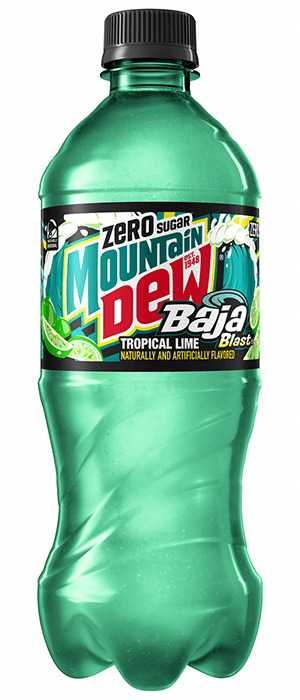
Caffeine amounts depend on the serving size you drink. A 20-ounce bottle of Diet Mountain Dew has about 90 milligrams of caffeine. Smaller cans have less caffeine, so check the label to know exactly how much you consume.
Credit: www.pepsicoproductfacts.com
Caffeine Effects On The Body
Caffeine is a key ingredient in Diet Mountain Dew, and understanding how it affects your body can help you make smarter choices about your consumption. Whether you’re reaching for a quick energy boost or just enjoy the taste, caffeine impacts various systems in your body right away and over time. Let’s break down what happens after you sip that can.
Short-term Impact
After drinking Diet Mountain Dew, caffeine starts working within 15 minutes. You might notice increased alertness and a sharper focus. This happens because caffeine blocks adenosine, a chemical that makes you feel tired.
However, not all effects are positive. Some people feel jittery, anxious, or experience a faster heartbeat. Have you ever felt a sudden energy spike followed by a crash? That’s caffeine’s quick effect wearing off.
Long-term Consumption Risks
Drinking caffeine regularly, like multiple cans of Diet Mountain Dew daily, can lead to tolerance. This means you need more caffeine to feel the same effects, which may increase your intake unknowingly.
Long-term risks include disrupted sleep patterns and increased anxiety. Some research links heavy caffeine use with heart problems, though this depends on individual health and amount consumed.
Think about your current caffeine habits. Are you drinking enough to affect your sleep or mood? Awareness is key to avoiding these hidden risks.
Who Should Limit Intake
Certain groups should be extra careful with caffeine. Pregnant women, young children, and people with heart conditions need to limit or avoid it.
If you notice symptoms like palpitations, insomnia, or digestive issues after drinking Diet Mountain Dew, it might be time to cut back. Listening to your body is the best way to know if caffeine is helping or hurting you.
How often do you pay attention to how caffeine makes you feel? Adjusting your intake could improve your daily energy and overall health.
Diet Mountain Dew Vs Other Caffeinated Drinks
Understanding how much caffeine is in Diet Mountain Dew compared to other caffeinated drinks can help you make smarter choices throughout your day. Each type of beverage delivers caffeine in different amounts and forms, affecting how you feel and perform. Let’s break down how Diet Mountain Dew stacks up against sodas, energy drinks, coffee, and tea.
Sodas
Diet Mountain Dew contains about 54 mg of caffeine per 12-ounce can. This is higher than many other sodas like Diet Coke, which has around 46 mg, but less than a standard 12-ounce Pepsi, which contains about 38 mg.
If you rely on soda for your caffeine fix, Diet Mountain Dew offers a stronger kick without added sugar. However, keep an eye on how many cans you drink—multiple servings can push your caffeine intake quickly.
Energy Drinks
Energy drinks vary widely in caffeine content, but many average between 80 to 160 mg per 8 to 16-ounce can. For example, a 16-ounce Monster Energy drink packs about 160 mg, nearly three times the caffeine in Diet Mountain Dew.
While energy drinks provide a powerful boost, they often come with extra ingredients like taurine and B vitamins. If you prefer a moderate caffeine dose without these extras, Diet Mountain Dew might be a better fit.
Coffee And Tea
A standard 8-ounce cup of brewed coffee contains roughly 95 mg of caffeine—almost double Diet Mountain Dew’s amount. Tea varies more; black tea can have 40-70 mg, while green tea usually contains 20-45 mg per cup.
Do you notice how coffee’s caffeine hits differently compared to soda? It’s partly because coffee is absorbed faster, giving a quicker energy boost. Tea’s gentler caffeine release can help maintain focus without jitters.
Ingredients Influencing Caffeine Levels
Caffeine levels in Diet Mountain Dew depend on several ingredients. These ingredients affect how much caffeine is in each can. Understanding these helps to know what influences caffeine content in this soda.
Some ingredients act as carriers or boosters of caffeine. Others determine if the caffeine is natural or made in a lab. These details shape the overall caffeine level.
Role Of Additives
Additives in Diet Mountain Dew help preserve flavor and texture. Some additives can enhance the caffeine’s effect on the body. Common additives include citric acid and preservatives.
These do not add caffeine but can affect how caffeine feels. Sweeteners replace sugar but do not change caffeine content. The combination of additives creates a balanced taste with caffeine.
Natural Vs Synthetic Caffeine
Diet Mountain Dew uses synthetic caffeine. This caffeine is made in labs for purity and control. It is chemically the same as natural caffeine found in plants.
Natural caffeine comes from coffee beans or tea leaves. Synthetic caffeine allows for precise caffeine amounts in each can. This ensures consistency in every bottle or can.
Both types work the same in the body. The choice between natural and synthetic mainly affects production, not the effect. Diet Mountain Dew relies on synthetic caffeine for steady caffeine levels.
Surprising Facts About Diet Mountain Dew
Diet Mountain Dew contains caffeine, but some facts about it may surprise you. The caffeine content varies and hides in unexpected places. Many people have wrong ideas about how much caffeine it really has. Understanding these facts helps you make better choices.
Hidden Sources Of Caffeine
Diet Mountain Dew gets caffeine from natural sources like coffee beans and tea leaves. Some ingredients, like citrus oils, can slightly boost caffeine effects. Even the sweeteners and flavorings might affect how your body feels caffeine. This makes caffeine levels tricky to estimate just by looking at the label.
Variations By Region
Caffeine content in Diet Mountain Dew changes in different countries. Some regions allow higher caffeine limits in sodas. Others have stricter rules, lowering caffeine in the drink. This means a can in the U.S. can have more caffeine than one in Europe or Asia. Always check local product info if caffeine matters to you.
Myths And Misconceptions
- Diet Mountain Dew has the same caffeine as regular Mountain Dew – false.
- All diet sodas have less caffeine – not always true.
- Caffeine in Diet Mountain Dew is unsafe – moderate intake is generally safe.
- More caffeine means more energy – effects vary per person.
Knowing these facts clears confusion and helps you enjoy Diet Mountain Dew wisely.
Tips For Managing Caffeine Intake
Managing your caffeine intake is crucial, especially if you enjoy Diet Mountain Dew. Too much caffeine can affect your sleep, increase anxiety, and lead to unwanted jitters. Understanding how to control your caffeine consumption helps you enjoy your favorite drinks without the negative side effects.
Reading Labels Effectively
Always check the caffeine content listed on the label before drinking Diet Mountain Dew. A standard 12-ounce can contains about 54 milligrams of caffeine, but this can vary by product size or edition. Look for terms like “caffeine-free” or “reduced caffeine” if you want to avoid surprises.
Labels also show sugar and artificial sweetener information, which can impact your overall health. Knowing what’s inside helps you make informed choices and avoid consuming too much caffeine unintentionally.
Healthy Consumption Habits
Try to limit your caffeine to no more than 400 milligrams per day—the amount generally considered safe for most adults. Space out your Diet Mountain Dew servings instead of drinking several cans in a short time. This prevents sudden spikes in energy and helps maintain steady alertness.
Listen to your body. If you notice headaches, restlessness, or trouble sleeping after drinking Diet Mountain Dew, it’s a sign to cut back. Drinking water between caffeinated beverages also helps reduce jitteriness and keeps you hydrated.
Alternatives To Diet Mountain Dew
If you want less caffeine but still crave a fizzy drink, try sparkling water with a splash of natural fruit juice. Herbal teas like chamomile or peppermint provide flavor without caffeine’s effects. Green tea offers a milder caffeine boost and comes with added antioxidants.
Have you ever tried flavored seltzers or infused water? These options keep things exciting without the caffeine load. Experiment with different drinks to find what satisfies your taste buds while supporting your health goals.

Credit: www.walmart.com
Frequently Asked Questions
How Much Caffeine Is In Diet Mountain Dew?
Diet Mountain Dew contains approximately 54 mg of caffeine per 12-ounce can. This amount is higher than most sodas but lower than a typical cup of coffee.
Is Diet Mountain Dew Caffeine Content Higher Than Regular Soda?
Yes, Diet Mountain Dew has more caffeine than many regular sodas. It contains about 54 mg per can, compared to 34 mg in a standard cola.
How Does Diet Mountain Dew Caffeine Compare To Coffee?
Diet Mountain Dew has less caffeine than coffee. An average 8-ounce coffee has about 95 mg, almost double the caffeine in a 12-ounce can of Diet Mountain Dew.
Can Diet Mountain Dew Caffeine Affect Sleep?
Yes, the 54 mg caffeine in Diet Mountain Dew can disrupt sleep. Consuming it late in the day may cause difficulty falling asleep or poor sleep quality.
Conclusion
Diet Mountain Dew contains a moderate amount of caffeine. Each can has about 54 milligrams. This amount can help boost your alertness. But it is less than coffee. Drinking too much caffeine may cause jitters or sleep problems. Always check the label before drinking.
Knowing caffeine content helps you make smart choices. Enjoy Diet Mountain Dew, but drink it in balance. Stay aware of how caffeine affects your body. That way, you can enjoy your drink safely every day.







