
Are you trying to build muscle and wondering how much fat you should eat each day? The answer might surprise you.
While protein often steals the spotlight in muscle-building discussions, fat plays a crucial role too. It’s not just about lifting weights and counting protein grams; it’s about understanding how fat fuels your workouts and supports muscle growth. Get ready to discover the science-backed insights that can transform your fitness routine.
You’ll learn how the right amount of fat can enhance your muscle-building efforts and help you achieve the body you’ve always wanted. Stay with us to uncover the secret balance that could redefine your fitness journey.
Role Of Fat In Muscle Growth
Fat plays a vital role in building muscle. It supports many body functions that help muscle growth. Fat is not just stored energy; it helps hormones and provides fuel for workouts. Understanding fat’s role can improve muscle-building efforts.
Fat And Hormone Production
Fats are essential for producing important hormones. Testosterone and growth hormone, both key to muscle growth, need fat. Without enough fat, hormone levels drop and muscle gains slow. Healthy fats keep hormones balanced and muscles growing.
Energy Source For Workouts
Fat provides long-lasting energy during exercise. It fuels low to moderate-intensity workouts and helps spare muscle glycogen. This means muscles get more fuel and recover better. Fat helps maintain workout intensity and supports muscle repair.
Fat Types And Their Impact
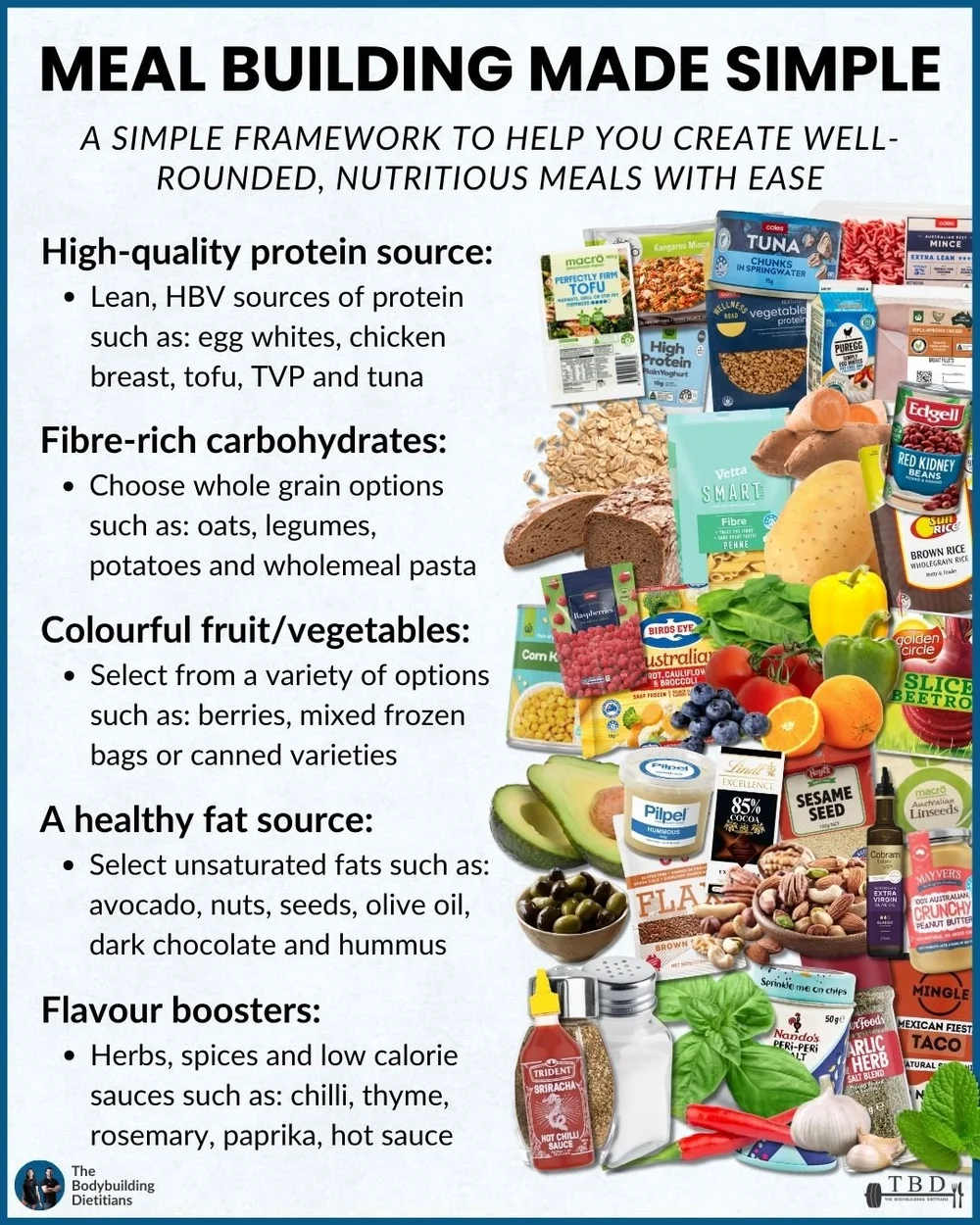
Not all fats affect muscle growth the same way. Healthy fats like omega-3 and monounsaturated fats support muscle repair and reduce inflammation. Trans fats and excessive saturated fats can harm health and slow recovery. Choose fats from fish, nuts, seeds, and olive oil for best results.
Credit: www.thebodybuildingdietitians.com
Daily Fat Intake Recommendations
Understanding how much fat you should eat daily is key to building muscle effectively. Fat plays a crucial role in hormone production and energy supply, both vital for muscle growth. Striking the right balance in your fat intake can improve your workout results and overall health.
General Guidelines For Muscle Building
Most experts recommend that fat make up about 20-35% of your total daily calories. This range supports hormone function and provides essential fatty acids without hindering muscle gain. If you weigh 180 pounds and eat 3,000 calories daily, that means roughly 67 to 117 grams of fat per day.
Keep in mind quality matters. Focus on healthy fats from sources like avocados, nuts, olive oil, and fatty fish. These fats help your body recover and keep inflammation low after intense training sessions.
Adjusting Fat Intake Based On Calories
Your calorie needs change depending on your goals, activity level, and metabolism. If you increase calories to gain muscle, your fat intake should rise proportionally to maintain balance. For example, if you boost calories from 2,500 to 3,000, increase fat grams by 15-20 to keep fat at 25-30% of total calories.
Conversely, if you’re cutting calories to lose fat while preserving muscle, lowering fat slightly can help. But don’t drop it too low—below 15% of total calories can negatively affect hormone levels and energy.
Balancing Fat With Protein And Carbs
Fat is only one piece of the muscle-building puzzle. Protein and carbohydrates are equally important. Protein repairs muscle fibers, while carbs fuel your workouts and recovery.
Aim to get about 1 gram of protein per pound of body weight. Then, allocate remaining calories between carbs and fats based on your preferences and energy needs. For example, if you eat 3,000 calories with 30% from fat (100 grams), and 180 grams of protein, the rest—around 350 grams—can be carbs.
How do you feel when you adjust these macronutrients? Tracking your energy levels and muscle progress can help you find the perfect fat-protein-carb balance for your body.
Best Sources Of Healthy Fats
Healthy fats play a key role in building muscle. They support hormone production and provide energy. Choosing the right fats helps your body recover and grow stronger. Focus on sources rich in good fats for better results.
Monounsaturated Fats
Monounsaturated fats help reduce bad cholesterol and improve heart health. They also support muscle growth by aiding nutrient absorption. Common sources include:
- Olive oil
- Avocados
- Almonds
- Cashews
- Peanuts
These fats are stable and great for cooking or adding to salads.
Polyunsaturated Fats
Polyunsaturated fats include omega-3 and omega-6 fatty acids. These fats reduce inflammation and support muscle repair. Foods rich in polyunsaturated fats are:
- Fatty fish like salmon and mackerel
- Walnuts
- Chia seeds
- Flaxseeds
- Sunflower oil
Include these fats regularly to help your muscles recover faster.
Avoiding Trans Fats
Trans fats harm your heart and slow muscle growth. They increase bad cholesterol and cause inflammation. Common sources to avoid include:
- Fried fast food
- Packaged snacks
- Some margarines
- Processed baked goods
Check food labels and steer clear of anything with “partially hydrogenated oils.”

Credit: jeffnippard.com
Timing Fat Intake For Gains
Timing your fat intake can influence muscle gains more than you might expect. Fat isn’t just a fuel source; it also affects hormone levels and digestion speed, which play a role in your workout performance and recovery. Understanding when to eat fats can help you maximize their benefits without interfering with your muscle-building goals.
Pre-workout Fat Consumption
A small amount of fat before your workout can provide steady energy during longer sessions. However, too much fat might slow digestion and leave you feeling sluggish. Aim for easily digestible fats, like a few nuts or half an avocado, about 60-90 minutes before training.
Have you noticed feeling heavy or tired when eating a fatty meal right before exercise? That’s your body telling you to adjust fat timing. Experiment with lighter fat sources to keep energy consistent and avoid discomfort.
Post-workout Fat Considerations
After training, your priority is quick nutrient absorption to support muscle repair. High fat meals can slow this process, so keep fats moderate immediately post-workout. Focus on protein and carbs first, then include healthy fats in your next meal.
Think about your last post-workout meal. Did it include lots of fried or fatty foods? If yes, try swapping those for lean proteins and starchy carbs next time to speed recovery.
Fat Distribution Throughout The Day
Spreading your fat intake evenly helps maintain balanced hormone levels and steady energy. Instead of loading fats into one meal, divide them across breakfast, lunch, and dinner. This approach keeps your metabolism stable and supports consistent muscle growth.
- Include fats like olive oil or flaxseeds with salads at lunch.
- Add nuts or seeds as snacks between meals.
- Cook dinner with healthy fats such as coconut oil or avocado.
Are you currently eating most of your fats at night or all in one meal? Try distributing them to see if your energy and gains improve.
Common Mistakes With Fat Intake
Understanding fat intake is key when building muscle, yet many fall into common traps that can sabotage progress. Fat isn’t just an energy source; it plays a vital role in hormone production and recovery. Avoiding these mistakes can help you optimize your diet for better muscle gains.
Consuming Too Little Fat
Cutting fat too low can harm your muscle-building efforts. Fat supports hormone levels like testosterone, which directly affects muscle growth. If you’re eating less than 15% of your daily calories from fat, you might experience low energy and slower recovery.
Think about your diet—are you avoiding fats because of weight concerns? Instead, focus on balancing your intake. Your body needs fat to function well, especially when training intensely.
Overeating Unhealthy Fats
Not all fats are created equal. Eating too many unhealthy fats like trans fats or excessive saturated fats can increase inflammation and negatively impact heart health. This can slow your progress and leave you feeling sluggish.
Check your food labels and limit fried foods, processed snacks, and fatty cuts of meat. Instead, aim to get most of your fat from natural sources.
Ignoring Fat Quality
Quality matters more than quantity when it comes to fat. Omega-3 fatty acids, found in fish and flaxseeds, support muscle recovery and reduce inflammation. On the other hand, too much omega-6 from processed oils can promote inflammation.
Ask yourself: Are you choosing whole, nutrient-dense fats or just any fat source? Prioritize fats from nuts, seeds, avocados, and fatty fish to help your muscles grow and recover faster.
Tracking And Adjusting Fat Intake
Tracking and adjusting fat intake is essential for muscle growth. Fat supports hormone production and overall health. Eating the right amount helps fuel workouts and recovery. Monitoring intake ensures you meet your goals without overeating. Regular adjustments keep your diet aligned with progress and needs.
Using Apps And Tools
Apps make tracking fat intake simple and accurate. Many apps let you log meals and see fat grams quickly. Use apps to track calories, protein, carbs, and fat. This helps keep your fat intake balanced. Some popular apps offer barcode scanning for easy entry. Choose one that fits your lifestyle and use it daily.
Listening To Your Body
Your body gives clues about fat intake needs. Notice energy levels during workouts and daily tasks. Feeling tired may mean adjusting fat or overall calories. Watch skin health and digestion for signs of too little or too much fat. Hunger and fullness signals help guide portion sizes. Trust your body’s feedback and adjust accordingly.
Modifying Intake For Progress
Track your muscle gains and body changes regularly. If progress slows, tweak fat intake slightly up or down. Small changes can improve energy and muscle growth. Combine fat adjustments with protein and carb changes for best results. Keep notes on how changes affect your strength and size. Adjustments should be gradual, not drastic, for steady progress.
Credit: www.bodyspec.com
Frequently Asked Questions
How Much Fat Should I Eat Daily To Build Muscle?
Aim for 20-35% of your daily calories from fat. This supports hormone production and muscle growth. Adjust based on total calorie intake and activity level.
What Types Of Fats Help Build Muscle Effectively?
Focus on healthy fats like omega-3s, monounsaturated, and polyunsaturated fats. Sources include fish, nuts, seeds, and olive oil. Avoid trans fats and limit saturated fats.
Can Too Much Fat Hinder Muscle Growth?
Excessive fat intake can lead to fat gain, not muscle. Balance fat with protein and carbs for optimal muscle building and overall health.
Should Fat Intake Vary On Workout Days?
Slightly adjust fat intake based on energy needs. Prioritize carbs and protein around workouts, but maintain healthy fat levels for hormone support.
Conclusion
Fat is important for muscle growth and overall health. Aim for about 20-30% of your daily calories from fat. Choose healthy fats like nuts, seeds, and fish. Avoid too much saturated fat or processed oils. Balance fat intake with protein and carbs for best results.
Track your food and adjust as needed. Small changes make a big difference over time. Stay consistent and listen to your body’s needs. Building muscle takes patience and the right nutrition. Keep it simple and steady for lasting progress.







