
Starting a new fitness journey can feel overwhelming. With so much information out there, where do you even begin?
Imagine having a simple guide tailored just for you, making each step towards your fitness goals clear and achievable. Picture yourself gaining confidence, feeling healthier, and enjoying the process. You’re not alone in this. Many beginners feel the same way, and that’s why we’ve put together the best beginner fitness tips to help you kickstart your journey.
Ready to discover how easy and rewarding fitness can be? Let’s dive in and transform your routine, one step at a time.
Setting Realistic Goals
Setting realistic goals is the first step in any fitness journey. It helps keep motivation high and avoids frustration. Clear goals give your workouts direction and purpose.
Goals that match your current fitness level and lifestyle make success possible. Unrealistic targets can lead to burnout or injury. Start with achievable aims and build from there.
Short-term Vs Long-term Targets
Short-term targets focus on what you can do in days or weeks. Examples include walking 10 minutes daily or doing 5 push-ups. These goals build habits and confidence.
Long-term targets are goals for months or years. They might include running a 5K race or losing 20 pounds. These require patience and steady effort over time.
Balance both types. Short-term goals keep you motivated. Long-term goals give you a big picture to work toward.
Tracking Progress Effectively
Tracking progress helps you see how far you’ve come. It shows what works and what needs change.
Use simple tools like a journal, app, or calendar. Record workouts, time, distance, or reps. Note how you feel after exercising.
- Set clear milestones to celebrate achievements.
- Review your goals regularly and adjust if needed.
- Keep track of small wins to stay encouraged.
Consistent tracking creates awareness and helps maintain focus. It turns effort into visible results.
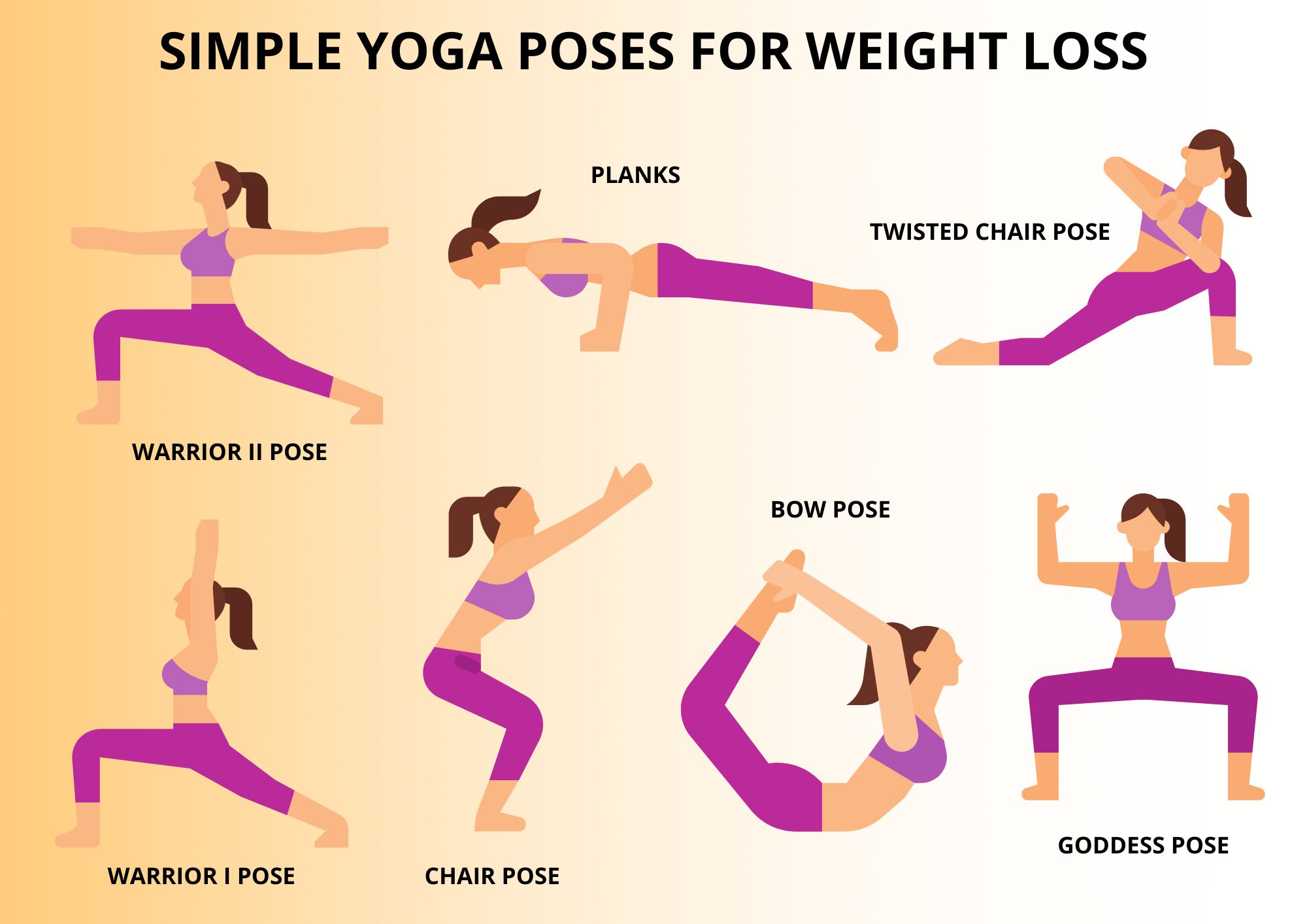
Credit: myyogateacher.com
Choosing The Right Workout
Choosing the right workout can feel overwhelming, especially if you’re just starting out. The key is to find exercises that match your interests and fitness level, so you stay motivated and avoid injury. Think about what excites you and what fits your daily routine—this is where your fitness journey truly begins.
Cardio Options For Beginners
Cardio workouts boost your heart health and burn calories effectively. You don’t need fancy equipment to get started. Walking briskly around your neighborhood or using a stationary bike at home are simple ways to build endurance.
Swimming is another excellent choice if you want a low-impact option that’s easy on your joints. If you enjoy music, try dancing workouts—they make sweating fun and can be done anywhere. What type of movement feels less like exercise and more like play to you?
Strength Training Basics
Strength training helps build muscle and supports your metabolism. You can start with bodyweight exercises like squats, push-ups, and lunges before adding weights. These moves improve your balance and coordination, which are crucial as you age.
Using resistance bands or light dumbbells adds variety without overwhelming your muscles. Aim for two to three sessions per week, allowing your body time to recover. Have you noticed how lifting even small weights can increase your confidence?
Incorporating Flexibility Exercises
Flexibility exercises reduce muscle tightness and improve your range of motion. Stretching after your workouts or dedicating time to yoga can prevent injuries and enhance relaxation. Focus on major muscle groups like your hamstrings, shoulders, and back.
Simple stretches can be done at your desk or before bed, making it easy to add them to your day. Flexibility work might not burn many calories, but it improves how you move and feel. How often do you take a moment to stretch and breathe deeply?
Creating A Consistent Routine
Creating a consistent routine is key to making fitness a regular part of your life. Without a steady plan, motivation can quickly fade, and progress stalls. Building habits around your workouts helps you stay on track even when life gets busy or stressful.
Scheduling Workouts
Pick specific days and times for your workouts, just like any important appointment. This clarity removes guesswork and helps you mentally prepare for exercise. If mornings are hectic, try lunchtime or early evening sessions instead.
Use reminders on your phone or calendar to keep you accountable. Treat these sessions as non-negotiable parts of your day. What time of day do you feel most energized to move?
Balancing Rest And Activity
Rest days are just as important as workout days. Your muscles need time to recover and grow stronger. Ignoring rest can lead to burnout or injury, which slows progress.
Plan lighter activities like walking or stretching on off days to keep moving without overloading your body. Listening to how your body feels can guide you in balancing effort and recovery effectively.
Nutrition Fundamentals
Good nutrition is the base of any fitness journey. It fuels your body and helps muscles grow. Eating the right foods supports your energy and recovery. Understanding nutrition basics can improve your workouts and overall health.
Balanced Diet Essentials
A balanced diet includes all key food groups. Focus on:
- Proteins for muscle repair and growth
- Carbohydrates for energy
- Healthy fats for brain and heart health
- Vitamins and minerals from fruits and vegetables
- Fiber to aid digestion
Choose whole grains, lean meats, and fresh produce. Avoid too much sugar and processed foods. Small, frequent meals help keep energy steady.
Hydration Tips
Water is vital for fitness and health. It helps regulate body temperature and lubricates joints. Drink water throughout the day. Before exercise, have a glass of water.
During workouts, sip water every 15-20 minutes. After exercise, rehydrate to replace fluids lost by sweat. Avoid sugary drinks and caffeine as they can dehydrate.
Pre And Post Workout Nutrition
Eating the right foods before and after workouts boosts performance and recovery. Before exercise, eat a light meal with carbs and protein. This gives energy and prevents hunger.
After exercise, focus on protein and carbs to repair muscles and restore energy. Examples include yogurt with fruit or a turkey sandwich. Eating within 30-60 minutes after workouts works best.
Staying Motivated
Staying motivated is key to building a lasting fitness habit. Motivation drives you to keep going even when exercises feel tough or progress seems slow. It helps you push through challenges and enjoy the journey toward better health.
Finding ways to stay inspired keeps workouts exciting. Simple strategies can make a big difference in maintaining energy and focus.
Finding Support Systems
Support systems boost motivation by offering encouragement and accountability. Friends, family, or workout groups can cheer you on. Sharing your goals with others creates a sense of commitment. Joining fitness classes or online communities connects you with like-minded people. These connections help you stay on track and feel less alone in your fitness journey.
Celebrating Small Wins
Recognizing small achievements builds confidence and motivation. Every step forward matters, whether it’s finishing a workout or improving form. Celebrate these wins to feel proud and energized. Keep a journal or list of your progress. This shows how far you have come and inspires you to keep moving ahead.

Credit: pharmahealthtips.com
Avoiding Common Mistakes
Starting a fitness journey is exciting, but it’s easy to trip up on common mistakes that slow your progress or cause injury. Recognizing these pitfalls early can keep your workouts effective and safe. Let’s look at some frequent errors and how you can avoid them to make the most of your efforts.
Overtraining Risks
It’s tempting to push yourself hard every day, especially when you’re eager to see results. But overtraining can backfire, leading to fatigue, soreness, and even injury.
Have you ever felt worn out despite working out regularly? That might be your body’s way of telling you to rest. Incorporate rest days and listen to your body’s signals to prevent burnout.
Signs of overtraining include persistent muscle pain, trouble sleeping, and lack of motivation. If you notice these, reduce workout intensity or take a break to recover fully.
Ignoring Proper Form
Good technique matters more than lifting heavy weights or doing many reps. Poor form can cause injuries and make your workouts less effective.
When I started, I rushed through exercises without paying attention to my posture. This led to shoulder pain that set me back weeks. Paying attention to form helped me progress faster and avoid injury.
Focus on mastering each movement slowly before increasing speed or weight. Use mirrors, ask for feedback, or watch instructional videos to ensure you’re performing exercises correctly.
Using Technology To Your Advantage
Technology offers great tools to support your fitness journey. These tools help track progress and provide guidance. They make workouts simple and fun. Using technology can keep you motivated and focused. It also helps you learn new exercises safely. Here are some ways to use technology to your advantage.
Fitness Apps And Trackers
Fitness apps and trackers help monitor your activity and health. They count steps, calories, and heart rate. Many apps set goals and remind you to move. Some apps offer personalized workout plans. Trackers sync with phones to show progress clearly. They motivate you by showing daily achievements. Choose apps that fit your fitness level and goals.
Online Workout Resources
Online workout videos and tutorials offer many exercise options. You can find workouts for strength, cardio, and flexibility. These resources let you exercise at home or anywhere. Many videos provide clear instructions and different difficulty levels. Some websites offer live classes for real-time guidance. Using online workouts saves time and money. It helps you stay consistent without a gym.
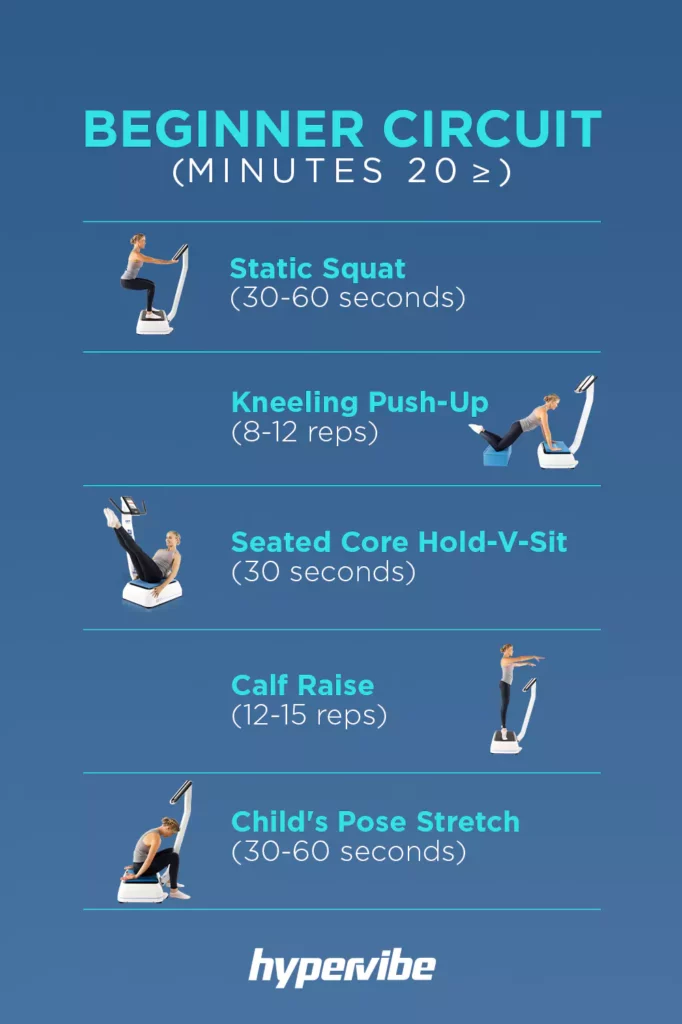
Credit: www.hypervibe.com
Frequently Asked Questions
What Are The Best Beginner Fitness Tips To Start?
Start with simple exercises like walking or bodyweight moves. Set realistic goals and stay consistent. Focus on form and gradually increase intensity to avoid injury.
How Often Should Beginners Work Out Weekly?
Aim for 3 to 4 workout sessions per week. Include rest days to allow muscle recovery. Consistency is key for building endurance and strength.
What Diet Supports Beginner Fitness Goals?
Eat balanced meals with lean proteins, whole grains, and vegetables. Stay hydrated and limit processed foods. Proper nutrition boosts energy and aids muscle recovery.
How Can Beginners Avoid Common Workout Injuries?
Warm up before exercising and cool down afterward. Use proper form and avoid lifting heavy weights too soon. Listen to your body and rest if in pain.
Conclusion
Starting fitness can feel hard, but small steps help a lot. Choose activities you enjoy and move a little every day. Rest is important too, so listen to your body. Eating healthy supports your workouts and energy. Keep a positive mindset and be patient with yourself.
Progress comes with time and effort. Stay consistent, and you will see change. Fitness is a journey, not a quick fix. Keep going, and enjoy feeling stronger and healthier.







