
Are you ready to unlock the secrets of keeping your sugar glider happy and healthy? Imagine the joy of seeing your little furry friend full of energy, with a shiny coat and bright eyes.
The key to achieving this lies in their diet. Understanding what your sugar glider needs to thrive can make all the difference. You might be surprised at how simple changes to their meals can transform their health and happiness. As you read on, you’ll discover practical tips and insights tailored just for you and your adorable pet.
Let’s dive into the fascinating world of the sugar glider diet and ensure you’re giving them the best care possible.
Sugar Glider Nutritional Needs
Sugar gliders need a balanced diet to stay healthy and active. Their small bodies require specific nutrients in the right amounts. Meeting these nutritional needs helps them live longer and prevents illness. Understanding their diet is key to proper care.
Essential Nutrients
Sugar gliders need protein, fat, carbohydrates, vitamins, and minerals. Protein helps build muscles and repair tissues. Fats provide energy and support brain health. Carbohydrates supply quick energy for daily activities. Vitamins and minerals keep their immune system strong and bones healthy.
Common protein sources include insects and lean meats. Fruits and vegetables offer vitamins and fiber. Calcium is important to prevent bone problems.
Caloric Requirements
These tiny animals have high energy needs. They burn calories quickly due to their fast metabolism. A typical adult sugar glider requires about 100-150 calories per day. Growing or pregnant gliders need more calories. Overfeeding can cause obesity, while underfeeding leads to weakness.
Offer a mix of foods that meet their energy needs without excess. Monitor their weight regularly to adjust the diet.
Water Intake
Water is vital for sugar gliders’ survival. They need fresh, clean water every day. Lack of water causes dehydration, which is dangerous. Water helps with digestion and temperature regulation. Provide water in a small bowl or bottle, refilling daily.
Credit: www.amazon.ca
Natural Diet In The Wild
Understanding the natural diet of sugar gliders in the wild can help you provide a healthier and more balanced menu for your pet. These tiny marsupials thrive on a diverse range of foods that meet their nutritional needs perfectly. Observing what they eat outside captivity gives clues on how to keep them happy and active at home.
Common Food Sources
Sugar gliders mainly feed on sweet, nutrient-rich items found in their natural habitat. Their diet includes:
- Tree sap and gum, especially from eucalyptus and acacia trees
- Insects like beetles, moths, and caterpillars
- Fruits such as apples, berries, and mangoes
- Flower nectar and pollen
Each food source provides a unique set of nutrients. Have you noticed how your sugar glider prefers sweet fruits over other treats? This preference reflects their natural craving for sugary sap and nectar.
Seasonal Variations
The availability of food changes with the seasons, which directly affects the sugar glider’s diet. During the wet season, sugary sap and insects are abundant, making it easier for them to find protein and energy.
In the dry season, fruits become scarcer, and gliders might rely more on gum and flowers. This flexibility helps them survive in different conditions. What adjustments could you make to your pet’s diet to mimic these natural shifts?
Foraging Behavior
Sugar gliders are active foragers, searching through tree bark and leaves at night to find their meals. They use their sharp claws to climb and their keen sense of smell to locate food sources.
Watching them forage teaches you the importance of variety and mental stimulation in their diet. Could you create feeding opportunities that encourage your glider to explore and work for its food?
Safe Foods For Pet Sugar Gliders
Knowing which foods are safe for your pet sugar glider is key to keeping them healthy and happy. These tiny creatures have specific dietary needs, so offering the right balance of fresh and nutritious options matters a lot. Let’s break down some of the best safe foods you can add to your sugar glider’s diet.
Fruits And Vegetables
Fresh fruits and vegetables provide essential vitamins and hydration for your sugar glider. Choose options like apples, pears, grapes, and berries—avoid citrus fruits as they can upset their stomach. Vegetables such as sweet potatoes, carrots, and leafy greens are also great choices.
Make sure to wash all produce thoroughly and cut them into small, manageable pieces. Have you noticed how your sugar glider reacts to different fruits? Observing their preferences can help you tailor their diet.
Proteins And Insects
Protein is a crucial part of your sugar glider’s diet since they are omnivores. You can provide cooked lean meats like chicken or eggs in moderation. Live or dried insects such as crickets, mealworms, and waxworms also offer natural protein and are often loved by sugar gliders.
Try rotating different protein sources to keep meals exciting and balanced. Have you tried offering insects as treats? Many owners find it boosts their pet’s activity and vitality.
Commercial Pellets
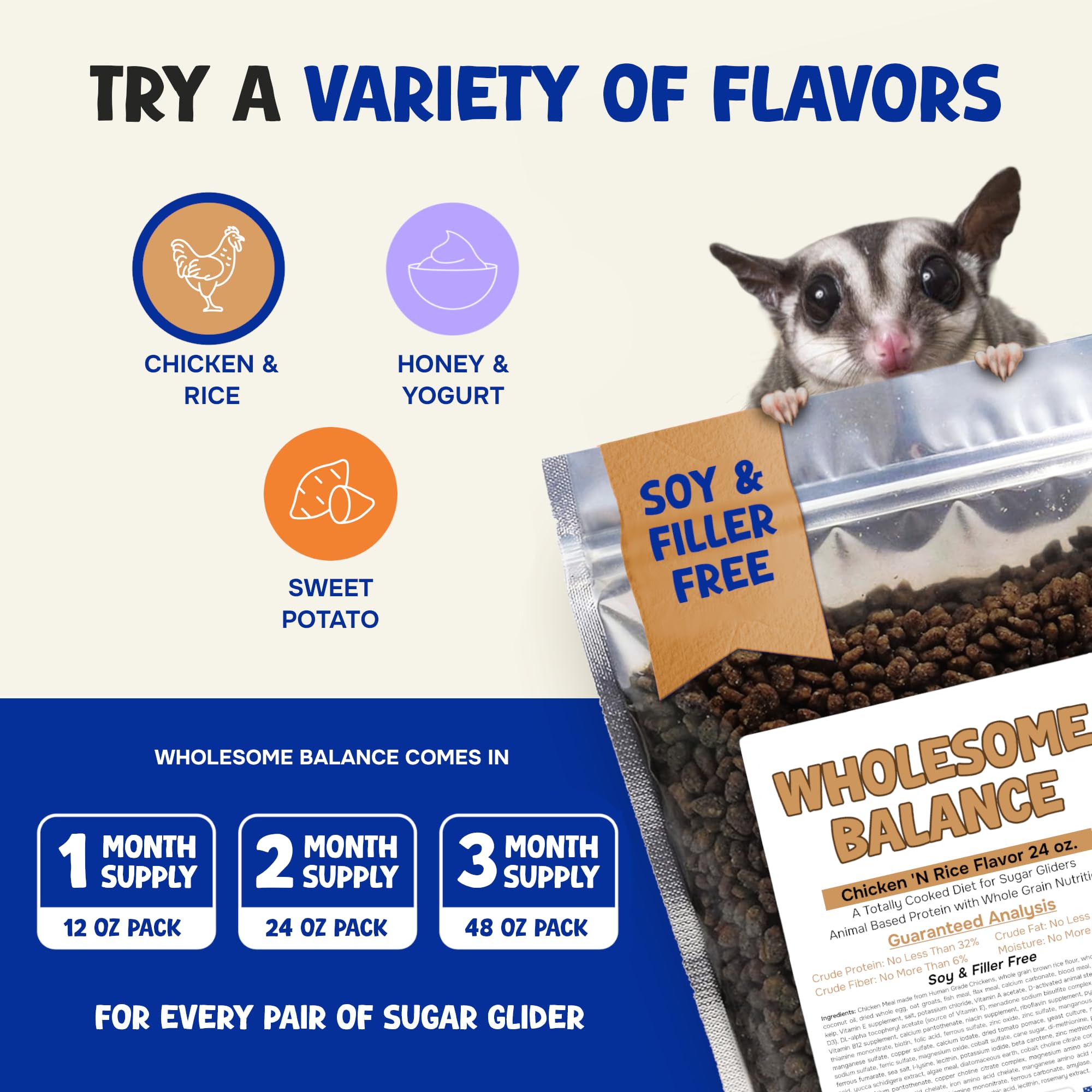
Commercial pellets designed specifically for sugar gliders can help fill any nutritional gaps. Look for high-quality pellets with a good balance of protein, fruits, and vegetables listed in the ingredients. Avoid pellets with excessive fillers or artificial additives.
Combining pellets with fresh foods ensures your sugar glider gets a well-rounded diet. Do you check the ingredient list carefully before buying? It’s a simple step that makes a big difference.

Credit: www.ebay.ca
Foods To Avoid
Knowing which foods to avoid is crucial for your sugar glider’s health. Some foods can cause serious illness or even death. Avoiding toxic and harmful items keeps your pet safe and happy.
Toxic Fruits And Vegetables
- Avocado – Contains persin, which is deadly to sugar gliders.
- Rhubarb – Leaves and stalks contain toxins harmful to pets.
- Onions and garlic – Can cause digestive problems and anemia.
- Potato leaves and green potatoes – Toxic if consumed in any amount.
- Tomato leaves and stems – Contain solanine, which is poisonous.
Harmful Human Foods
- Chocolate – Contains theobromine, dangerous for sugar gliders.
- Caffeine – Leads to rapid heart rate and poisoning.
- Sugar-rich snacks – Cause obesity and digestive issues.
- Salty foods – Can upset hydration and kidney function.
- Alcohol – Extremely toxic, even in small quantities.
Unsafe Protein Sources
- Raw meat – Carries bacteria and parasites harmful to sugar gliders.
- Processed meats – Contain preservatives and salt, which are unsafe.
- Fish with bones – Risk of choking or internal injury.
- Insects from unknown sources – Could carry pesticides or parasites.
Meal Planning Tips
Planning meals for your sugar glider takes careful thought. Their diet must provide the right nutrients. Proper planning keeps them healthy and active. Focus on balancing their food types, controlling portions, and scheduling meals well. These tips help you create a good meal plan.
Balancing Macronutrients
Sugar gliders need a mix of proteins, fats, and carbohydrates. Proteins support growth and repair. Fats provide energy and help absorb vitamins. Carbohydrates give quick energy but should be limited. Aim for a diet with:
- High-quality protein sources like insects or eggs
- Healthy fats from nuts or seeds
- Fruits and vegetables for carbohydrates and vitamins
A balanced diet keeps sugar gliders strong and lively.
Portion Sizes
Serving the right amount of food is key. Too much causes weight gain. Too little leads to malnutrition. Use small bowls or containers to control portions. Start with small amounts and adjust based on your sugar glider’s appetite. Monitor their weight regularly to avoid feeding errors.
Meal Frequency
Sugar gliders eat several small meals each day. Feeding them 2 to 3 times daily works best. Spread meals evenly to keep energy steady. Avoid leaving food out all day to prevent spoilage. Consistent meal times help sugar gliders feel secure and healthy.
Supplements And Vitamins
Supplements and vitamins play an important role in a sugar glider’s diet. They help fill nutritional gaps and support overall health. Sugar gliders need a balanced diet, but sometimes their food lacks certain nutrients. Supplements can provide extra vitamins and minerals essential for their wellbeing.
When To Use Supplements
Use supplements if your sugar glider’s diet lacks variety. They are necessary during illness or stress. Growing and pregnant sugar gliders may also need extra vitamins. Supplements help maintain a strong immune system and healthy bones. Consult a vet before starting any supplement.
Common Supplements
- Calcium powder – supports bone strength and prevents metabolic bone disease.
- Multivitamin drops – provide essential vitamins like A, D3, and E.
- Omega-3 fatty acids – improve skin and coat health.
- Probiotics – aid digestion and boost gut health.
Dosage Guidelines
Follow vet advice for supplement doses. Overdosing can harm your sugar glider. Use the smallest effective amount. Mix powders with food or water carefully. Give supplements a few times per week, not daily. Monitor your pet’s reaction and adjust if needed.
Feeding Equipment And Setup
Setting up the right feeding equipment is key for your sugar glider’s health. The right tools help keep food fresh and prevent spills. A clean and organized feeding area makes feeding time easier and safer. Proper setup also supports a balanced diet and good hygiene.
Types Of Bowls And Containers
Choose small, shallow bowls for easy access. Ceramic or stainless steel bowls are ideal. They prevent bacteria growth and are easy to clean. Avoid plastic bowls, as they can harbor germs and cause allergies. Use airtight containers to store fresh fruits, vegetables, and pellets. These containers keep food fresh and safe from pests.
Cleaning And Maintenance
Clean feeding bowls daily to stop bacteria buildup. Use mild soap and hot water to wash them thoroughly. Rinse well to remove any soap residue. Clean food containers regularly and dry completely before refilling. Remove any leftover food from the cage to avoid mold. Regular cleaning keeps sugar gliders healthy and happy.
Feeding Schedule Management
Establish a consistent feeding routine for your sugar glider. Feed fresh food twice a day, usually morning and evening. Remove uneaten food after one hour to prevent spoilage. Use a timer or reminder to keep the schedule steady. A regular feeding schedule supports digestion and energy levels. It also helps monitor your pet’s eating habits closely.
Signs Of A Healthy Diet
Recognizing the signs of a healthy diet in your sugar glider is crucial for their well-being. These signs often show up in their appearance, behavior, and overall growth. Paying close attention to these indicators helps you ensure your pet is getting the right nutrients and living their best life.
Physical Appearance
A sugar glider with a healthy diet has a shiny, smooth coat without any bald patches or dullness. Their eyes should be bright and clear, not cloudy or sunken. If you notice your glider’s fur looking scruffy or thin, it might be time to review their food choices.
Check their weight regularly—too thin or too heavy can both signal dietary issues. Healthy gliders maintain a steady weight, reflecting balanced nutrition.
Behavioral Indicators
Healthy sugar gliders are active and playful. They explore their environment with curiosity and respond well to interaction. If your glider seems lethargic or hides more often, it could mean their diet isn’t meeting their energy needs.
Notice their eating habits too. A consistent appetite and eagerness for meals often indicate a well-balanced diet. Sudden changes in eating behavior might be a red flag.
Growth And Development
Young sugar gliders should grow steadily, gaining weight and developing muscles without any delays. Poor diet can stunt growth or cause developmental problems, so tracking progress is key.
Have you ever observed a glider that seemed smaller or less active than its siblings? That difference often comes down to nutrition. Ensuring your sugar glider’s diet supports growth means watching for these subtle clues.
Common Diet-related Health Issues
Maintaining a balanced diet is essential for sugar gliders’ health. Poor nutrition leads to many health issues. Understanding common diet-related problems helps in preventing them early. These problems can affect their lifespan and quality of life. Below are some frequent diet-related health concerns seen in sugar gliders.
Nutritional Deficiencies
Sugar gliders need specific vitamins and minerals daily. Lack of calcium and vitamin D causes weak bones. A diet low in protein can harm muscle development. Deficiencies may cause lethargy and poor growth. Feeding a varied diet helps avoid these problems.
Obesity Risks
Too many sugary or fatty foods cause weight gain. Obesity leads to heart and joint problems. Overfeeding treats or unhealthy snacks is a common cause. Controlling portion sizes keeps sugar gliders at a healthy weight. Regular exercise is also important for weight control.
Digestive Problems
Improper diet affects the sugar glider’s digestion. Too much fruit causes diarrhea and stomach upset. Lack of fiber leads to constipation. Sudden diet changes can stress their digestive system. A consistent, balanced diet promotes healthy digestion and gut health.

Credit: www.ebay.ca
Transitioning To New Diets
Transitioning your sugar glider to a new diet requires care and patience. Sudden changes can cause stress or digestive issues. A smooth switch helps your pet accept new foods and stay healthy.
Gradual Changes
Introduce new foods slowly over several days. Mix a small amount of the new diet with the old. Increase the new food portion little by little. This gentle change helps your sugar glider adjust comfortably.
Monitoring Reactions
Watch your sugar glider’s behavior and health closely. Look for signs like changes in eating habits or stool. Note any unusual activity or discomfort. Early detection of problems allows quick action to avoid harm.
Adjusting Based On Feedback
Use observations to guide diet changes. If your sugar glider rejects food, try different options. Adjust portions or ingredients to suit its preferences. Keep a flexible approach to find the best diet fit.
Frequently Asked Questions
What Do Sugar Gliders Eat In Captivity?
Sugar gliders eat a balanced diet of fruits, vegetables, proteins, and specially formulated pellets. Include insects like mealworms for protein. Avoid sugary or fatty foods to maintain their health.
How Often Should Sugar Gliders Be Fed?
Feed sugar gliders twice daily, once in the morning and once at night. They are nocturnal and need fresh food available at dusk. Regular feeding supports their high metabolism and energy needs.
Can Sugar Gliders Eat Fruits And Vegetables?
Yes, fruits and vegetables are essential for sugar gliders. Offer fresh options like apples, carrots, and leafy greens. Avoid citrus fruits and high-sugar options to prevent digestive issues.
Are Insects Necessary For Sugar Glider Diet?
Insects provide vital protein and nutrients for sugar gliders. Mealworms, crickets, and waxworms are good choices. Including insects mimics their natural diet and promotes overall health.
Conclusion
A balanced sugar glider diet keeps your pet healthy and happy. Fresh fruits, vegetables, proteins, and insects provide essential nutrients. Avoid sugary or processed foods that can harm their health. Regular feeding and clean water are important for their well-being.
Watch for signs of illness or poor nutrition and act quickly. Caring for their diet takes effort but brings great rewards. Your sugar glider will thrive with the right food choices. Simple steps lead to a long, joyful life for your pet.







