
Imagine sculpting a stronger, more toned body while finding your inner peace. It sounds ideal, right?
You might think of pumping iron or hitting the gym for hours when it comes to building muscle. But what if you could achieve similar results through the calming practice of yoga? The question on your mind might be: “Does yoga build muscle?
” You’re about to discover the surprising truth behind this age-old practice and how it might just revolutionize your fitness routine. Get ready to explore how yoga can be a powerful tool in your quest for muscle growth, all while enhancing your mental well-being. Stay with us as we delve into the fascinating ways yoga could transform not only your physique but your entire approach to fitness.
Credit: myyogateacher.com
Yoga And Muscle Growth
Yoga is often seen as a gentle practice focused on flexibility and relaxation, but it can also play a significant role in muscle growth. Understanding how yoga affects your muscles can help you decide if it fits your strength-building goals. Let’s explore how yoga interacts with muscle development and which styles can help you build noticeable strength.
How Yoga Impacts Muscle Strength
Yoga challenges your muscles by holding postures that require balance and stability. These isometric holds cause muscle fibers to engage deeply, promoting strength without heavy weights.
Unlike traditional weightlifting, yoga emphasizes controlled movement and breath, which improves muscle endurance and tone. Over time, this can lead to firmer, stronger muscles that support your body better.
Have you noticed how holding a plank or warrior pose makes your muscles burn? That sensation signals muscle activation and growth potential. It shows yoga isn’t just about stretching but also about strengthening your body.
Types Of Yoga That Build Muscle
- Power Yoga:Fast-paced and dynamic, this style targets multiple muscle groups through continuous movement and strength-demanding poses.
- Ashtanga Yoga:A rigorous practice with a fixed sequence that builds stamina and muscle through repeated, intense postures.
- Hatha Yoga:While gentler, holding poses for longer periods in Hatha can effectively engage muscles and improve strength.
- Iyengar Yoga:Focuses on precise alignment and uses props, which helps isolate and strengthen specific muscles.
Choosing the right style depends on your fitness level and muscle-building goals. Would you prefer a fast, challenging flow or a slow, focused approach? Both can build muscle, but the pace and intensity will shape your results.

Credit: www.youtube.com
Muscle Engagement In Yoga
Yoga does more than improve flexibility and calm the mind. It also involves significant muscle engagement. Holding poses requires muscles to work hard, often in ways that differ from traditional weight training. This muscle work can help build strength and tone the body over time.
Isometric Contractions Explained
Isometric contractions happen when muscles tighten without changing length. In yoga, this means muscles stay active while the body holds a pose. The muscle does not shorten or lengthen but stays under tension. This builds strength and endurance quietly and steadily.
Unlike lifting weights, yoga uses your body weight as resistance. The muscles work hard to keep balance and posture. This steady muscle tension helps increase muscle tone and strength.
Key Poses For Muscle Activation
Certain yoga poses activate muscles deeply. These poses require strength and balance, engaging many muscle groups.
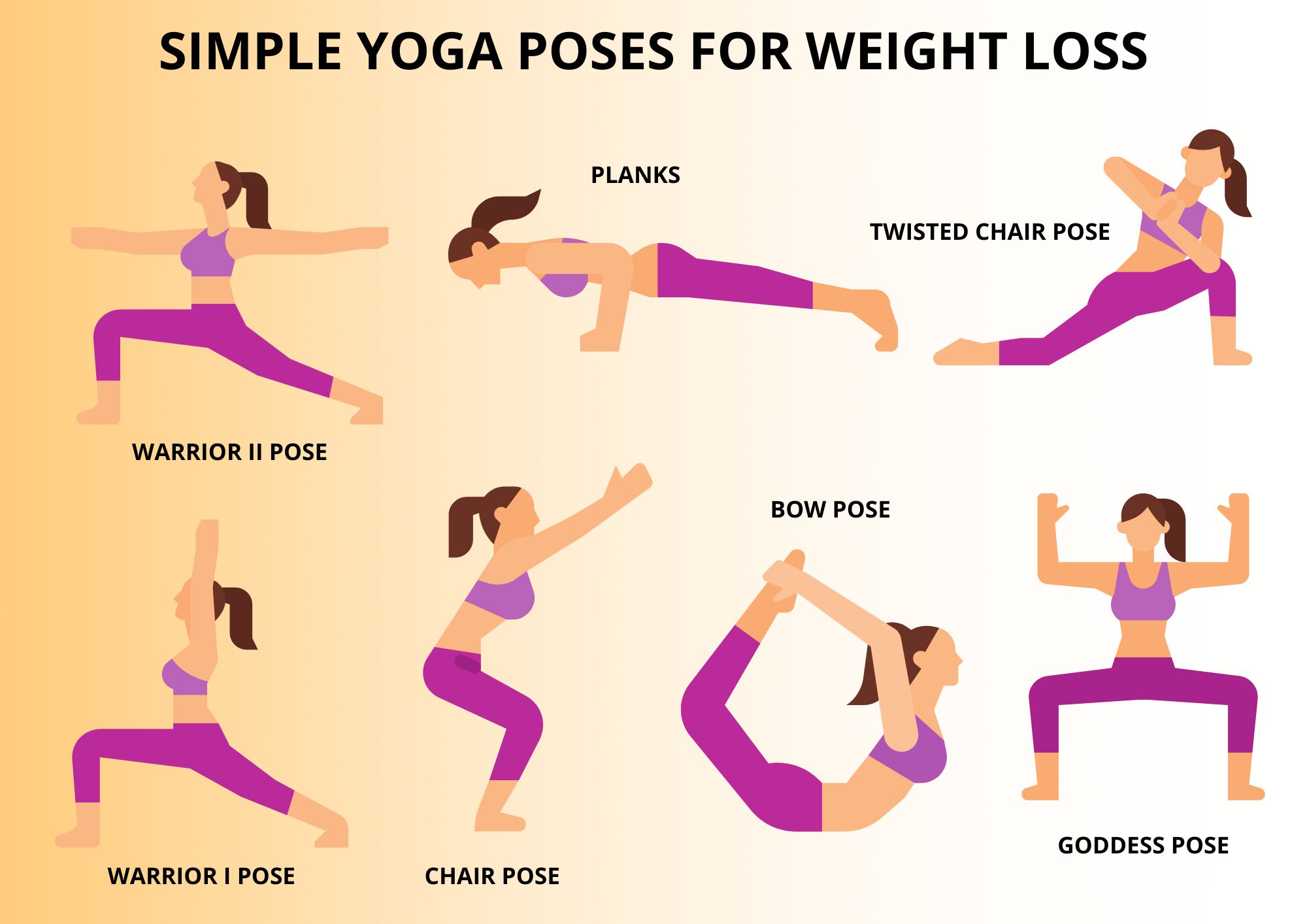
- Plank Pose:Engages the core, arms, and shoulders.
- Warrior Poses:Strengthens legs, hips, and core muscles.
- Chair Pose:Works the thighs, calves, and glutes.
- Boat Pose:Targets the abdominal muscles.
- Downward Dog:Activates arms, shoulders, and legs.
Holding these poses builds muscle endurance and strength. Consistent practice leads to noticeable muscle engagement.
Comparing Yoga To Traditional Strength Training
Comparing yoga to traditional strength training reveals clear differences in how each approach impacts your muscles. Yoga focuses on controlled movements and sustained poses, which challenge your body in unique ways. On the other hand, traditional weightlifting uses external resistance to push your muscles to grow bigger and stronger more quickly.
Differences In Muscle Development
Yoga builds muscle endurance and tone rather than bulk. You hold poses that engage multiple muscle groups, improving your strength over time with less risk of injury. Traditional strength training targets specific muscles with heavy weights, causing tiny tears in muscle fibers that grow back thicker and stronger.
Think about the last time you tried a plank or a crow pose—your muscles might have felt shaky, but those small bursts of strength add up. Weightlifting, however, often leaves you feeling sore the next day because of the intense muscle breakdown and repair process. Which approach do you think fits better with your fitness goals?
Complementing Weightlifting With Yoga
Yoga can be an excellent complement to weightlifting, helping you recover faster and improve flexibility. After a heavy lifting session, yoga stretches tight muscles and reduces soreness, letting you get back to training sooner. It also enhances balance and body awareness, which can improve your form and prevent injuries during lifts.
Many athletes swear by adding yoga to their routine for these benefits. You don’t have to choose one or the other—try mixing yoga into your week and notice how your strength training feels smoother and more controlled. Could adding a few yoga sessions transform your workout recovery?
Additional Benefits For Strength
Yoga is often praised for its calming effects and flexibility benefits, but it also offers surprising advantages for building strength. Beyond just muscle size, yoga helps develop a stronger, more resilient body in ways that traditional weightlifting might not address. These additional benefits for strength can enhance your overall fitness and performance.
Improved Flexibility And Muscle Recovery
Yoga stretches your muscles deeply, which helps increase your range of motion. When muscles are more flexible, they can perform better under tension without injury. This means you can lift or hold poses longer, effectively building strength.
After a tough workout, yoga can speed up muscle recovery by reducing stiffness and soreness. I noticed after adding yoga sessions to my routine, my usual post-workout tightness decreased significantly. Have you ever felt stuck because your muscles just wouldn’t loosen up? Yoga can help you move past that.
Enhanced Mind-muscle Connection
Yoga trains you to focus on your breath and body alignment, which sharpens your awareness of how muscles engage. This improved mind-muscle connection means you can activate the right muscles during any exercise, making your strength training more effective.
For example, holding a plank in yoga requires you to engage your core fully, not just go through the motions. When you carry this awareness to other workouts, your strength gains are more targeted and efficient. How often do you really focus on which muscles you’re using during your workouts?
Tips For Maximizing Strength Gains
Building muscle through yoga is entirely possible, but it requires a strategic approach. You need to focus on the types of yoga you practice and how you challenge your body during each session. These tips will help you turn your yoga practice into a powerful tool for strength gains.
Choosing The Right Yoga Style
Not all yoga styles are equally effective for building muscle. Power yoga and Ashtanga are dynamic and strength-based, pushing your muscles to work harder with each pose. These styles use bodyweight resistance that can help you develop lean muscle.
On the other hand, gentle or restorative yoga focuses more on flexibility and relaxation, which won’t contribute much to muscle growth. Think about your goals—do you want to increase strength or just improve flexibility? Picking a style that challenges your muscles consistently is key.
Incorporating Progressive Overload
Just like lifting weights, your muscles need increasing challenges to grow. Try holding poses longer or adding repetitions to your sequences. For example, extend your plank holds by 10 seconds each week or add extra rounds of Sun Salutations to your routine.
You can also add external resistance, like using yoga blocks or resistance bands, to make poses tougher. Have you ever pushed yourself to hold a crow pose for an extra minute? That small increase forces your muscles to adapt and get stronger.

Credit: www.womenshealthmag.com
Frequently Asked Questions
Does Yoga Help In Muscle Growth?
Yes, yoga helps in muscle growth by engaging muscles through bodyweight resistance. It builds strength and tones muscles gradually.
How Long Does Yoga Take To Build Muscle?
Muscle building with yoga varies, but noticeable strength appears in 4-8 weeks with consistent practice.
Which Yoga Poses Build The Most Muscle?
Poses like Plank, Warrior, and Chair pose target major muscle groups and enhance muscle strength effectively.
Can Yoga Replace Weightlifting For Muscle Gain?
Yoga builds functional strength but generally doesn’t replace weightlifting for significant muscle mass increase.
Conclusion
Yoga can help build muscle through strength and balance. It uses your body weight to tone muscles gently. Regular practice improves flexibility and muscle endurance too. Yoga suits all fitness levels and ages well. It won’t bulk you up like weightlifting.
Still, it supports a strong and healthy body. Try combining yoga with other workouts for best results. Enjoy the steady progress and feel your strength grow. Yoga builds muscle in a calm, natural way.







