
Are you on a quest to build muscle and wondering how many carbs you should consume daily? If you’re serious about gaining strength and muscle mass, understanding the role of carbohydrates is crucial.
Carbs are not just fuel for your workouts; they are essential for muscle recovery and growth. But how do you strike the right balance? Too little, and you may struggle with energy levels; too much, and you might gain unwanted fat.
This article will break down the science and provide you with clear guidelines on how much carbs you need per day to maximize your muscle-building efforts. Ready to unlock the secret to optimal nutrition and see real results? Keep reading to find out how to fuel your body for success.
Credit: medium.com
Carbs And Muscle Growth
Carbohydrates play a crucial role in muscle growth, but understanding exactly how they affect your body can change the way you fuel your workouts. They’re not just about energy; carbs influence recovery, performance, and your ability to build muscle effectively. Knowing the right amount to eat daily can help you hit your goals faster and feel better during training.
Role Of Carbs In Muscle Building
Carbs provide the fuel your muscles need to grow. When you eat carbs, your body breaks them down into glucose, which is stored as glycogen in your muscles. This glycogen acts as a reserve energy source during workouts, helping your muscles work harder and longer.
Without enough carbs, your body may break down muscle protein for energy instead. That’s why balancing your carb intake is key to preserving and building muscle mass.
Energy Source During Workouts
During intense exercise, your muscles rely heavily on glycogen for energy. If your glycogen stores are low, you’ll feel tired quickly, and your performance will drop. This can stop you from pushing through those last reps or tough sets.
Eating enough carbs before training ensures your muscles have the energy to perform at their best. Think about how you feel after skipping carbs—you probably notice less stamina and slower recovery, right?
Impact On Recovery And Performance
Carbs don’t just fuel your workouts; they speed up recovery too. After exercise, your muscles need to replenish glycogen to prepare for the next session. Eating carbs right after training helps restore these levels faster.
This not only reduces muscle soreness but also improves your strength and endurance in future workouts. Have you ever noticed how a good post-workout meal makes you feel stronger the next day? That’s carbs working their magic.
Daily Carb Needs For Muscle Gain
Understanding your daily carb needs for muscle gain is key to fueling your workouts and recovery effectively. Carbohydrates provide the energy your muscles need to perform and grow stronger. But how much should you actually eat each day to see real progress? Let’s break it down.
Factors Influencing Carb Intake
Your carb needs aren’t one-size-fits-all. They depend on several factors like your body size, metabolism, and workout intensity.
- Body Weight:Larger individuals typically require more carbs to fuel their muscles.
- Training Volume:The more intense and frequent your workouts, the higher your carb demand.
- Goals:Are you aiming to bulk up quickly or maintain lean muscle? Your carb intake will vary accordingly.
I found that when I increased my training sessions from 3 to 5 times a week, my carb needs jumped significantly. Ignoring this led to feeling drained and slower muscle gains.
Recommended Carb Ranges
The general guideline for muscle gain suggests eating between 3 to 7 grams of carbs per kilogram of your body weight daily.
| Activity Level | Carbs per kg of Body Weight | Example for 75 kg Person |
|---|---|---|
| Low Activity | 3-4 g | 225-300 g carbs |
| Moderate Activity | 4-5 g | 300-375 g carbs |
| High Activity | 5-7 g | 375-525 g carbs |
This range lets you tailor carbs to your specific needs. More carbs mean more energy, but too many can lead to unwanted fat gain.
Adjusting Intake Based On Activity Level
Your daily routine impacts how many carbs you should consume. If you’re hitting the gym hard, your muscles will crave more carbs for repair and growth.
- Light Activity Days:Keep carbs at the lower end to avoid excess calories.
- Heavy Training Days:Boost your carb intake to fuel intense sessions and recovery.
- Rest Days:Lower carbs slightly since energy needs decrease.
Listen to your body’s signals. Feeling sluggish or weak during workouts might mean you need to up your carb intake. How often do you track your energy levels and adjust your diet accordingly?
Types Of Carbs To Focus On
Choosing the right types of carbohydrates can make a big difference in your muscle-building journey. Not all carbs are created equal, and understanding which ones to focus on helps fuel your workouts and recovery effectively. Let’s break down the kinds of carbs that support muscle growth and how to time their intake for the best results.
Complex Vs Simple Carbs
Complex carbs break down slowly, providing steady energy over time. You’ll find these in whole grains, legumes, and vegetables. They keep your blood sugar stable and help you avoid energy crashes during workouts.
Simple carbs, on the other hand, digest quickly and cause rapid spikes in blood sugar. They’re found in sugary snacks and fruit juices. While often seen as less healthy, simple carbs can be useful right after training when your muscles need fast energy and glycogen replenishment.
Best Carb Sources For Muscle Growth
- Brown rice:A great source of complex carbs that fuels long workouts.
- Oats:Loaded with fiber and release energy slowly, perfect for breakfast.
- Sweet potatoes:Rich in vitamins and keep your energy stable.
- Quinoa:Provides both carbs and complete protein to support muscle repair.
- Bananas:Offer quick-digesting carbs and potassium to prevent cramps.
- Whole wheat bread:Easy to add to meals for extra sustained energy.
Think about your daily meals and snacks—are you including enough of these carb sources? If not, swapping processed carbs for these options can boost your muscle gains.
Timing Carb Consumption
When you eat carbs matters as much as what you eat. Consuming complex carbs before workouts gives you lasting energy. It helps you push harder and lift heavier, which leads to better muscle growth.
After training, simple carbs can speed up recovery by quickly replenishing muscle glycogen. Pairing them with protein right after your workout maximizes muscle repair and growth.
What if you skip carbs before exercise? You might feel sluggish and tired, limiting your performance. Plan your meals to match your training schedule and watch your strength improve.

Credit: www.youtube.com
Carb Intake Strategies
Carb intake plays a crucial role in building muscle. How you manage your carbs can impact your energy levels, recovery, and overall muscle growth. Choosing the right strategy helps you fuel your workouts effectively without storing excess fat.
Carb Cycling For Muscle Gain
Carb cycling means varying your carbohydrate intake on different days. On workout days, you eat more carbs to fuel your muscles and boost recovery. On rest days, you reduce carbs to prevent fat gain while still supporting muscle maintenance.
This approach can help you stay lean while gaining muscle. It also keeps your metabolism active and avoids carb overload. Have you tried eating more carbs on gym days and less on rest days? You might find your energy and muscle gains improve.
Balancing Carbs With Protein And Fats
Your muscles need more than just carbs to grow. Protein helps repair muscle tissue, while fats support hormone production. Aim to balance these macronutrients to get the best results.
For example, a meal with grilled chicken, brown rice, and avocado provides protein, carbs, and healthy fats. This balance helps your body use carbs efficiently and prevents energy crashes. What’s your current macro ratio? Adjusting it could make a big difference.
Meal Planning Tips
- Distribute your carbs evenly across meals to keep energy steady throughout the day.
- Choose complex carbs like oats, sweet potatoes, and quinoa for longer-lasting fuel.
- Pair carbs with protein in every meal to enhance muscle repair and growth.
- Prepare meals in advance to avoid reaching for quick, less nutritious options.
Planning meals might seem tedious, but it makes hitting your carb targets easier and more consistent. How often do you plan your meals? Small changes here can improve your muscle-building progress.
Common Mistakes With Carb Consumption
Getting your carb intake right is crucial when building muscle, but many fall into common traps that slow progress or even backfire. Understanding where most people go wrong can save you time and frustration. Let’s look at some frequent mistakes with carb consumption and how to avoid them.
Overeating Carbs And Fat Gain
Eating too many carbs can easily lead to unwanted fat gain. Your body stores excess carbs as fat if you consume more than you burn. Even if you’re lifting hard, extra carbs without balance can stall your muscle definition.
Think about your carb sources and portion sizes. Are you mindlessly snacking on bread, pasta, or sugary drinks? Cutting back on these and focusing on nutrient-dense carbs helps keep fat gain in check while fueling your workouts.
Undereating And Muscle Loss
On the flip side, eating too few carbs can hurt your muscle-building efforts. Carbs are your muscles’ main energy source during intense training. Without enough, your body may break down muscle tissue for fuel.
Missing this point cost me weeks of progress when I tried a low-carb diet. Make sure your carb intake supports your workout intensity and recovery. Otherwise, you risk losing the muscle you worked hard to build.
Ignoring Carb Timing
When you eat carbs matters as much as how much you eat. Consuming carbs around your workouts can boost energy and speed up recovery. Skipping carbs before or after training can leave you tired and slow muscle repair.
Try to eat carbs 30-60 minutes before training and again after your workout. This simple change helped me push harder and bounce back faster. Have you ever noticed your energy crash mid-workout? Carb timing might be why.
Tracking And Adjusting Carbs
Tracking and adjusting your carbohydrate intake is key to building muscle effectively. Carbs fuel your workouts and help recovery. Knowing how many carbs to eat daily helps you gain muscle without adding fat. Monitoring your intake lets you see what works best for your body. Adjustments keep your progress steady and prevent plateaus.
Using Macros For Precision
Counting macros means tracking carbs, protein, and fat. Focus on carbs to give your muscles energy. Use apps or food journals to log your meals. Calculate your daily carb needs based on activity and body weight. This method gives clear data to guide your diet. Precision helps avoid eating too little or too much.
Listening To Your Body
Notice how your energy changes after eating carbs. Feeling tired or weak may mean you need more carbs. If you feel bloated or gain fat, cut back slightly. Pay attention to workout performance and recovery speed. Your body signals what carb level suits it best. Adjust gradually to find your perfect balance.
When To Increase Or Decrease Carbs
Increase carbs on heavy training days for more energy. Add carbs if muscle growth slows or workouts feel harder. Decrease carbs during rest days or low activity to avoid fat gain. Lower carbs if you notice excess weight or sluggishness. Change carbs based on progress, not guesswork.
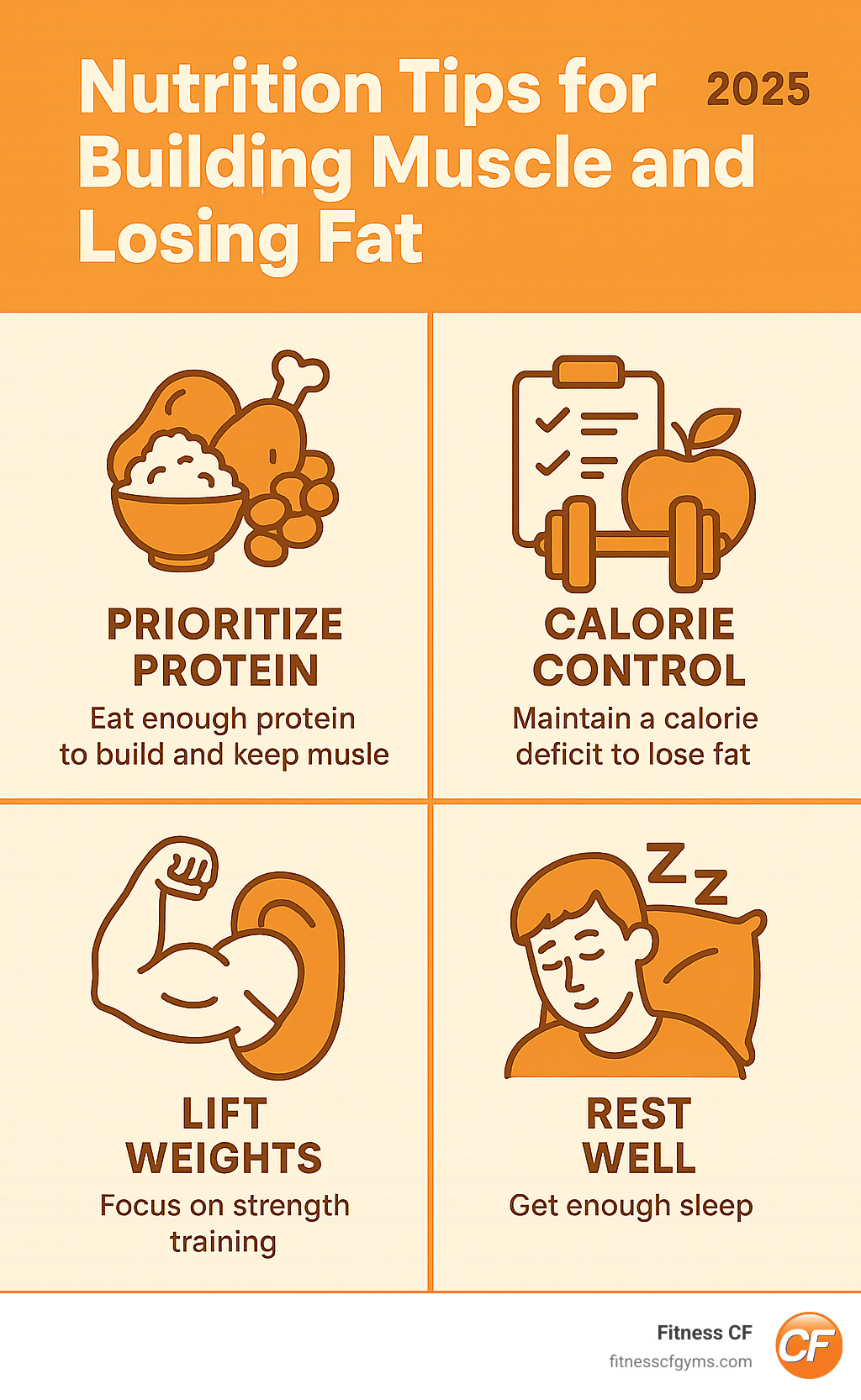
Credit: fitnesscfgyms.com
Frequently Asked Questions
How Many Carbs Should I Eat Daily To Build Muscle?
Aim for 3 to 5 grams of carbs per kilogram of body weight daily. Carbs fuel workouts and aid muscle recovery. Adjust intake based on training intensity and goals for optimal muscle growth.
Can Low Carb Diets Support Muscle Building?
Low carb diets can limit energy for intense training. Carbs are crucial for muscle glycogen replenishment. Moderate to high carb intake is generally better for muscle gain and performance.
When Is The Best Time To Eat Carbs For Muscle Growth?
Consume carbs before and after workouts to boost energy and recovery. Pre-workout carbs improve performance. Post-workout carbs replenish glycogen and support muscle repair effectively.
What Types Of Carbs Are Best For Building Muscle?
Choose complex carbs like oats, brown rice, and sweet potatoes. They provide steady energy and essential nutrients. Avoid excessive simple sugars to maintain stable blood sugar and sustained muscle fuel.
Conclusion
Carbohydrates fuel your muscles and support growth. Eating the right amount helps you train harder. Too few carbs may slow your progress. Too many can add unwanted fat. Find a balance that fits your body and goals. Track your intake and adjust as needed.
Combine carbs with protein for best results. Stay consistent and patient with your diet. Muscle building takes time and steady effort. Keep your meals simple and nutritious every day. Your body will thank you with stronger muscles.







