
Are you striving to sculpt stronger, more defined glutes? If the answer is yes, you’re in the right place.
Building muscle in your glutes isn’t just about aesthetics; it’s about enhancing your overall strength and stability. Imagine feeling more powerful and confident as you walk, run, or lift. This transformation is within your reach with the right exercises. In this guide, we’ll reveal the top glute exercises that can help you achieve your muscle-building goals.
These exercises are designed to target and maximize your glute development effectively. Stick with us, and discover how you can unlock your glute potential and elevate your fitness journey. Are you ready to see the changes you’ve been dreaming of? Let’s dive into the workouts that will get you there.
Anatomy Of The Glutes
Understanding the anatomy of your glutes is essential if you want to build strong, well-shaped muscles. Your gluteal muscles aren’t just one big muscle; they consist of three distinct parts that work together to support movement and strength. Knowing how each part functions can help you target them more effectively in your workouts.
Gluteus Maximus
The gluteus maximus is the largest muscle in your buttocks and one of the strongest muscles in your body. It’s mainly responsible for hip extension, which means it helps you move your thigh backward—think of actions like climbing stairs or standing up from a seated position.
When I started focusing on my gluteus maximus, I noticed my squats and deadlifts felt more powerful. Exercises like hip thrusts and heavy squats really activate this muscle, helping you build size and strength.
Gluteus Medius
Located on the outer surface of your pelvis, the gluteus medius plays a key role in stabilizing your hips when you walk or run. It also helps with hip abduction, which means moving your leg away from your body.
If you’ve ever felt your hips wobble during single-leg exercises, your gluteus medius might need more attention. Side-lying leg raises and clamshells target this muscle, improving balance and preventing injuries.
Gluteus Minimus
The smallest and deepest of the three, the gluteus minimus lies beneath the gluteus medius. It assists with hip stabilization and also aids in hip abduction and internal rotation.
This muscle often gets overlooked but is crucial for smooth, controlled movements. Strengthening the gluteus minimus can enhance your overall hip function and support better muscle coordination.
Benefits Of Strong Glutes
Strong glute muscles do more than shape your body. They support many essential functions that improve daily life and fitness. Building muscle in your glutes can make a big difference in how you move and feel.
Improved Posture
Strong glutes help keep your spine aligned. They support your lower back and pelvis. This support reduces slouching and back pain. Good posture also makes you look confident and healthy.
Enhanced Athletic Performance
Powerful glutes boost your speed and strength. They play a key role in running, jumping, and lifting. Strong glutes help you move faster and jump higher. They also improve balance and stability during sports.
Injury Prevention
Strong glutes protect your hips, knees, and lower back. They absorb shock and reduce stress on joints. This lowers the risk of strains and injuries. Balanced muscles help prevent muscle imbalances that cause pain.
Key Principles For Muscle Growth
Building muscle in your glutes requires more than just exercise. Certain key principles guide effective muscle growth. These principles help your body adapt and get stronger over time. Understanding them improves your workout results.
Progressive Overload
Muscles grow by facing increasing challenges. Progressive overload means gradually raising the weight or resistance. This forces your glute muscles to work harder. You can increase reps, weight, or sets step by step. Consistent challenge leads to bigger, stronger muscles.
Proper Nutrition
Your muscles need fuel to grow. Protein is essential for muscle repair and building. Eat enough protein from sources like chicken, fish, beans, or dairy. Carbs provide energy for intense workouts. Healthy fats support overall body function. Balance your meals to support muscle growth effectively.
Recovery And Rest
Muscles grow outside the gym during rest. Recovery allows muscle fibers to repair and strengthen. Lack of rest can lead to injury and slower progress. Aim for 7-9 hours of sleep each night. Include rest days in your workout plan to avoid overtraining.
Effective Glute Exercises
Building strong glutes takes more than just sitting through workouts—it requires targeted moves that activate and challenge the muscles effectively. Choosing the right exercises can make a huge difference in how quickly you see muscle growth and strength gains. Here are some powerful exercises that focus on engaging your glutes deeply and efficiently.
Squats Variations
Squats are a foundation for glute development, but changing your squat style can target different parts of the muscle. Try sumo squats with a wider stance to hit the inner glutes or Bulgarian split squats to isolate each side. Adding weights increases resistance and boosts muscle growth.
Have you noticed how your form changes when you switch foot positioning? That subtle shift can engage your glutes in new ways you might have overlooked.
Hip Thrusts
Hip thrusts are unmatched for isolating the glutes. When you thrust your hips upward with a barbell or weight plate resting on your hips, you maximize muscle tension. This exercise activates the glute muscles more than many traditional lifts.
If you want to feel your glutes working hard, hold the top position for a second or two on each rep. That extra squeeze can lead to better results faster.
Deadlifts
Deadlifts engage your entire posterior chain, including the glutes, hamstrings, and lower back. Romanian deadlifts especially emphasize the glutes by focusing on the hip hinge movement. Start light to perfect your form and prevent injury.
Have you tried pausing midway through the lift? This challenges your glutes to maintain tension and improve strength.
Lunges
Lunges work the glutes while improving balance and coordination. Forward lunges target your glutes and quads, while reverse lunges put more focus on the glutes and hamstrings. You can increase difficulty by holding dumbbells or adding a jump for plyometric lunges.
Notice how stepping backward changes the muscle engagement compared to stepping forward? That simple change can help you build a more well-rounded glute.
Glute Bridges
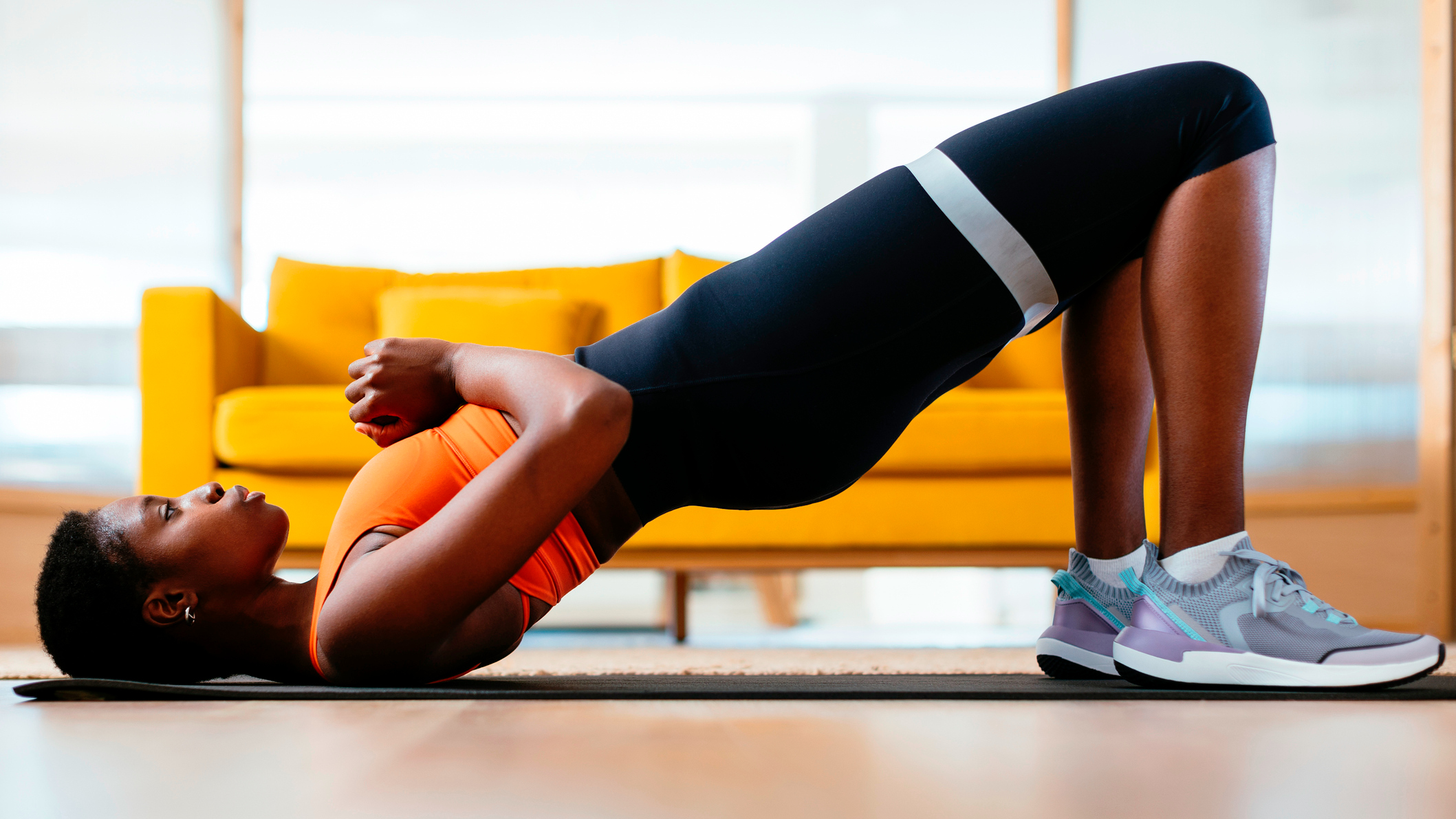
Glute bridges are great for beginners and those with limited equipment. Lying on your back and lifting your hips off the ground activates the glutes directly. Adding a resistance band around your knees increases the challenge by forcing your glutes to work harder to keep your legs apart.
Try holding the bridge at the top and pulsing slightly. This keeps constant tension on your muscles and can enhance muscle endurance.
Kickbacks
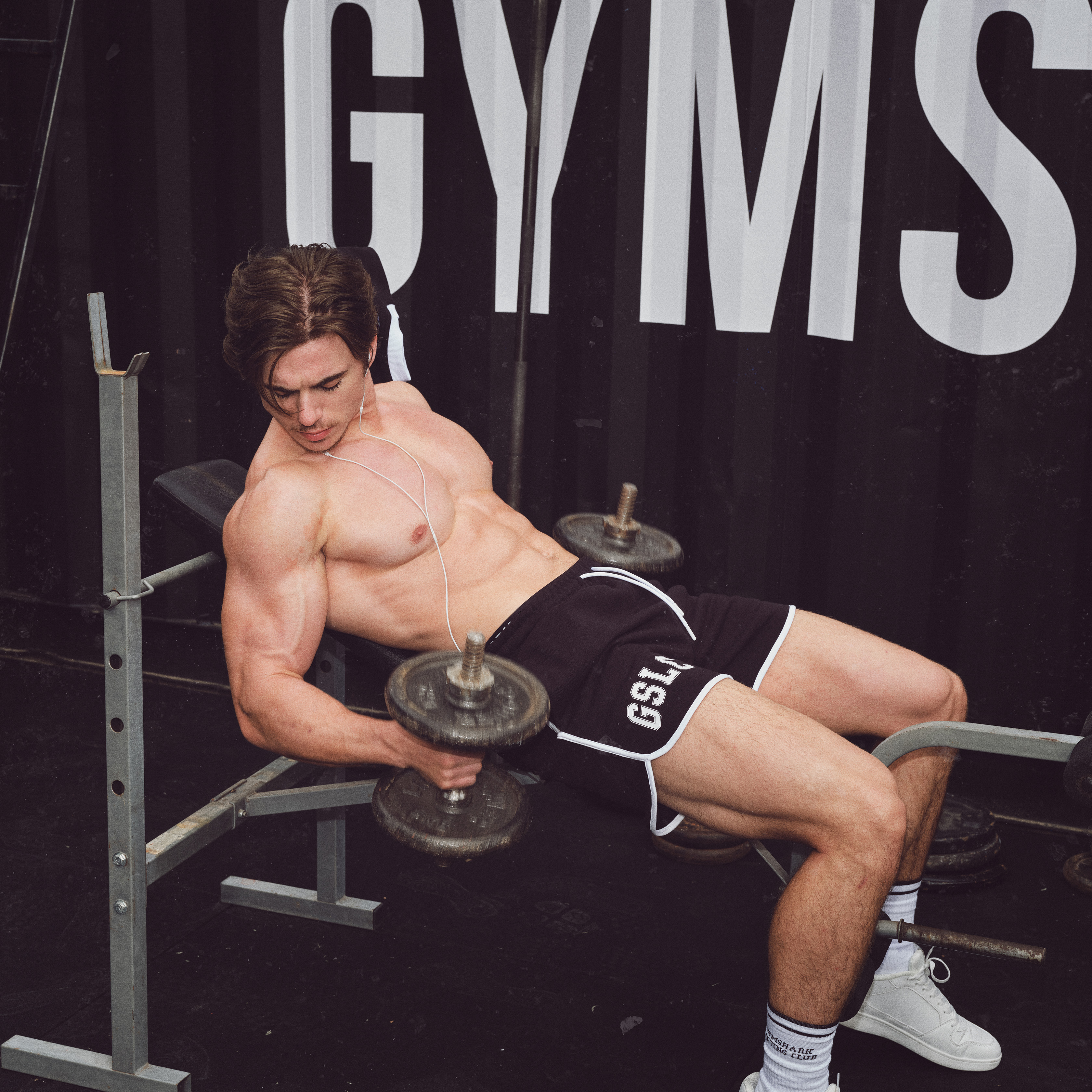
Kickbacks isolate the gluteus maximus by extending your leg backward. You can do these on a machine, with cables, or using resistance bands at home. They are perfect for targeting the glutes without involving other muscle groups too much.
Do you feel the difference between slow, controlled kickbacks and fast, explosive ones? Both have benefits, so mixing speeds can keep your workouts fresh and effective.
Workout Routines For Glute Building
Building stronger, bigger glutes requires more than just random exercises. A clear workout routine tailored to your level helps you progress safely and effectively. Whether you’re new to training or ready to push your limits, choosing the right routine makes a big difference in your results.
Beginner Programs
Starting with simple, focused exercises sets a solid foundation for muscle growth. Concentrate on basic moves like bodyweight squats, glute bridges, and lunges. These exercises help you learn proper form and activate your glute muscles without risking injury.
- 3 sets of 10-12 bodyweight squats
- 3 sets of 15 glute bridges
- 2 sets of 10 lunges per leg
- Include rest days to allow your muscles to recover
Ask yourself: are you feeling the muscles work during each exercise? If not, slow down and focus on your mind-muscle connection.
Intermediate Workouts
Once you master the basics, adding resistance challenges your glutes further. Using dumbbells, resistance bands, or barbells increases muscle stress and growth potential. Try combining moves like weighted hip thrusts, step-ups, and Bulgarian split squats to hit your glutes from different angles.
- 4 sets of 8-10 weighted hip thrusts
- 3 sets of 12 step-ups per leg with dumbbells
- 3 sets of 10 Bulgarian split squats
- Incorporate progressive overload by gradually increasing weight
Do you feel ready to add weight? Track your progress and push a little harder each week.
Advanced Training Plans
Advanced routines focus on maximizing glute hypertrophy through volume, intensity, and variety. Combining heavy lifts, drop sets, and unilateral work keeps your muscles adapting and growing. Exercises like barbell hip thrusts, pistol squats, and cable kickbacks can be part of your plan.
- 5 sets of 6-8 heavy barbell hip thrusts
- 4 sets of 8 pistol squats per leg
- 3 sets of 15 cable glute kickbacks
- Include supersets or drop sets to increase intensity
How often do you challenge your muscles with new stimuli? Your glutes won’t grow if you stick to the same routine for months.

Credit: theprehabguys.com
Common Mistakes To Avoid
Building strong glute muscles takes effort and care. Avoiding common mistakes helps improve results and prevents injury. Many people try to rush progress but miss key points. Understanding what to avoid makes workouts more effective and safer.
Neglecting Form
Good form is the foundation of every exercise. Poor form limits muscle growth and can cause pain. Focus on slow, controlled movements. Keep your back straight and hips aligned. Using weights that are too heavy often leads to bad form. Always prioritize technique over lifting heavier weights.
Overtraining
Glute muscles need time to recover and grow. Training the same muscles every day causes fatigue and injury. Rest days allow muscles to rebuild stronger. Signs of overtraining include soreness, weakness, and lack of progress. Follow a balanced workout schedule with rest periods.
Ignoring Other Muscle Groups
Strong glutes work best with balanced muscles. Weak hips, core, or legs affect glute performance. Neglecting other muscles can cause imbalances and limit growth. Include exercises for hips, thighs, and core. A full-body approach improves strength and reduces injury risk.
Tips To Maximize Glute Growth
Building strong, muscular glutes takes more than just showing up at the gym. The right approach can make a huge difference in your progress. Focusing on specific strategies helps you get the most out of every workout and avoid common pitfalls that stall growth.
Mind-muscle Connection
Are you really feeling your glutes work during exercises? Activating the mind-muscle connection means you consciously focus on squeezing and engaging your glute muscles throughout each movement.
Instead of rushing through reps, slow down and visualize the muscle contracting. This simple change can boost muscle activation and lead to better growth over time.
Consistent Training
Consistency beats intensity every time. Training your glutes regularly, at least two to three times per week, ensures steady progress.
Skipping sessions or going long periods without targeting your glutes slows down muscle development. Keep a workout log to track your exercises and weights so you can push yourself safely but steadily.
Using Resistance Bands
Resistance bands add constant tension to your glute exercises. This helps target smaller muscles that often get overlooked.
- Try glute bridges with a band around your thighs.
- Use bands during squats or lateral walks for extra resistance.
- Incorporate bands in warm-ups to activate your glutes before heavy lifts.
Adding bands can make your workouts more challenging and effective without needing extra weights. Have you tried bands yet? They might be the missing piece in your routine.
Credit: www.fitandwell.com
Credit: www.gymshark.com
Frequently Asked Questions
What Are The Best Glute Exercises For Muscle Growth?
Effective glute exercises include squats, deadlifts, hip thrusts, lunges, and glute bridges. These target all glute muscles, promoting balanced muscle growth and strength.
How Often Should I Train Glutes To Build Muscle?
Train glutes 2-3 times per week with rest days in between. Consistent workouts and progressive overload help maximize muscle growth.
Can Glute Exercises Improve Overall Athletic Performance?
Yes, strong glutes enhance stability, power, and speed. This improves performance in running, jumping, and other athletic activities.
Should I Use Weights For Glute Muscle Building?
Using weights increases resistance, which boosts muscle growth. Start with bodyweight, then gradually add weights for better results.
Conclusion
Strong glute muscles improve posture and boost overall strength. Consistent exercises help shape and tone your hips. Focus on proper form to avoid injuries. Combine workouts with good nutrition for best results. Small steps lead to big changes over time.
Keep your routine simple and steady. Enjoy the progress and feel the difference. Your effort will show in muscle growth and better movement. Stay patient and motivated on your fitness journey.







