
Are you eager to transform your cycling routine into a powerful muscle-building workout? You might be surprised to learn just how effective cycling can be for muscle development.
Whether you’re a casual rider or a dedicated cyclist, understanding the link between cycling and muscle growth can revolutionize your approach to fitness. Imagine pedaling your way to stronger legs, a more defined core, and improved overall strength. This isn’t just about shedding pounds or boosting your stamina; it’s about sculpting the muscular physique you desire.
Dive into the fascinating world of cycling and discover how every ride can contribute to building the muscles you’ve always wanted. Keep reading to unlock the secrets of how cycling can be your unexpected ally in muscle building.
How Cycling Impacts Muscle Growth
Cycling is often praised for its cardiovascular benefits, but how does it affect your muscles? Understanding how cycling impacts muscle growth can help you tailor your workouts to meet your fitness goals. It’s not just about burning calories; it’s about how your muscles respond and adapt to the repeated motion and resistance.
Muscle Groups Targeted By Cycling
Cycling primarily works your lower body muscles. The quadriceps, hamstrings, glutes, and calves are the main players. Each pedal stroke engages these muscles differently depending on your riding style.
For example, climbing hills puts more load on your glutes and hamstrings, while sprinting activates your calves and quads intensely. You might notice your thighs getting stronger and more toned with consistent cycling.
Types Of Muscle Fibers Engaged
Your muscles contain different fibers, and cycling activates them in unique ways. Slow-twitch fibers get more work during long, steady rides; they help with endurance and fatigue resistance. Fast-twitch fibers kick in during short bursts of speed or hill climbs, contributing to power and strength.
Have you ever felt a strong burn during a sprint? That’s your fast-twitch fibers working hard. Balancing both types can improve your overall muscle function and growth.
Endurance Vs. Strength Adaptations
Cycling mainly builds muscle endurance rather than bulk. Your muscles become better at sustaining effort over time, which means they can pedal longer without fatigue. However, if you want to add size and strength, you’ll need to challenge your muscles with higher resistance or complementary strength training.
Think about your routine: Are you cycling mostly on flat roads or tackling steep hills? Incorporating varied terrain or interval training can promote both endurance and muscle strength. What changes can you make today to push your muscles further?
Cycling Techniques That Boost Strength
Cycling offers more than just cardio benefits. Specific techniques can help build strength and muscle. These techniques engage different muscle groups intensely. They promote muscle growth and improve overall power on the bike.
Hill Climbing And Resistance Training
Climbing hills challenges your leg muscles deeply. Your quads, hamstrings, and glutes work harder to push uphill. This effort acts like resistance training for your legs. Slow, steady climbs increase muscle endurance and size. Using higher gears adds extra resistance, boosting muscle activation. Regular hill climbs lead to stronger, more powerful legs.
Sprint Intervals For Muscle Activation
Sprint intervals involve short bursts of maximum effort. These intense sprints activate fast-twitch muscle fibers. Fast-twitch fibers are key for muscle growth and strength. Alternating sprints with rest periods improves muscle power. This technique increases overall cycling speed and leg strength. Sprint intervals also improve your body’s ability to recover quickly.
Standing Pedal Strokes For Power
Standing on the pedals shifts weight and uses different muscles. It recruits core and upper body muscles along with the legs. This position helps develop explosive power and balance. Standing pedal strokes increase muscle engagement and coordination. Using this technique on flats or climbs builds total body strength. It also improves your ability to handle tough terrain.
Combining Cycling With Strength Training
Combining cycling with strength training can elevate your fitness game to a new level. While cycling primarily targets endurance and leg muscles, adding strength exercises helps build overall muscle mass and improve power. This approach not only boosts your cycling performance but also supports injury prevention and long-term health.
Benefits Of Cross-training
Cross-training by mixing cycling and strength workouts offers multiple benefits. It enhances muscle balance, reducing the risk of overuse injuries common in cyclists. You’ll also notice better core stability and improved posture, which directly affect your cycling efficiency.
From personal experience, adding just two strength sessions a week transformed my riding endurance and sprint power. It made pedaling uphill easier and helped me recover faster after long rides. How could your cycling improve if you built stronger muscles off the bike?
Effective Weight Exercises For Cyclists
Not all strength exercises are equally useful for cyclists. Focus on movements that target your legs, glutes, core, and lower back. Squats, deadlifts, lunges, and planks are excellent choices that mimic cycling motions and build functional strength.
- Squats:Build quads, hamstrings, and glutes, essential for powerful pedaling.
- Deadlifts:Strengthen the posterior chain, improving your stability on the bike.
- Lunges:Enhance single-leg strength and balance, reducing injury risk.
- Planks:Develop core muscles that support your posture during long rides.
Start with lighter weights and focus on proper form. Gradually increase intensity to see consistent muscle growth without sacrificing cycling time.
Balancing Cardio And Muscle Building
Finding the right balance between cycling and strength training is key. Too much cardio can hinder muscle growth, while excessive lifting might reduce your cycling endurance. You need a schedule that supports both goals without burnout.
Try splitting your week into cycling-focused days and strength-focused days. For instance, cycle on Monday, Wednesday, and Friday, and do strength training on Tuesday and Thursday. Rest or light activity on weekends helps your muscles recover.
Listen to your body’s signals. If you feel overly fatigued, reduce the volume or intensity. How can you adjust your routine to maintain energy and build muscle at the same time?
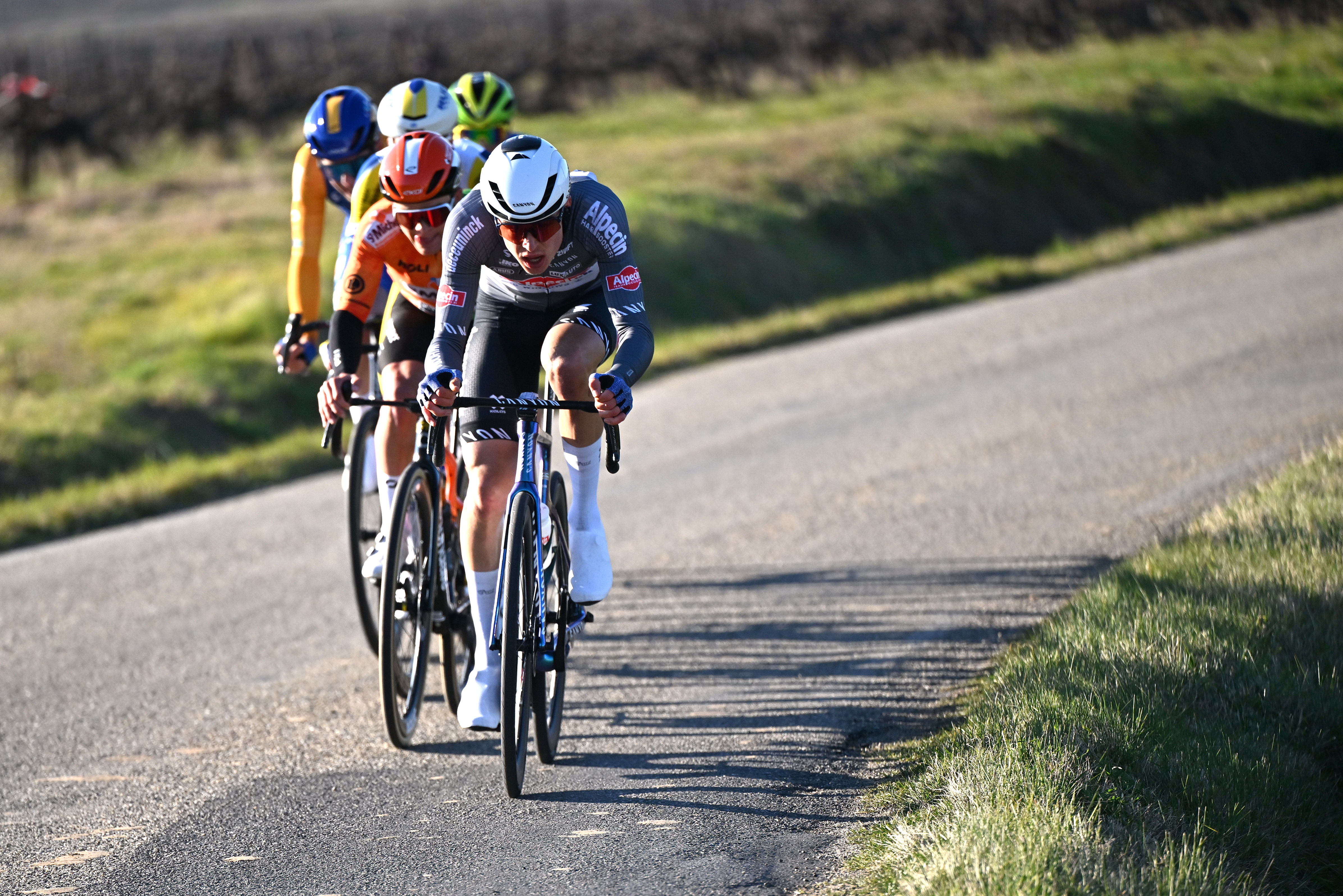
Credit: www.cyclingweekly.com
Nutrition Tips For Muscle Gains On A Bike
Nutrition plays a key role in building muscle while cycling. Proper food choices help repair muscles and boost strength. Eating right supports longer rides and better recovery. Focus on what fuels your body well for muscle gains on the bike.
Protein Intake For Recovery
Protein repairs muscle fibers broken down during cycling. Aim for lean sources like chicken, fish, eggs, and beans. Eating protein soon after cycling speeds recovery. Spread protein intake throughout the day. This helps muscles rebuild and grow stronger.
Fueling Workouts For Strength
Carbohydrates provide energy needed for tough rides. Choose whole grains, fruits, and vegetables for steady fuel. Eat a balanced meal 1-2 hours before cycling. This maintains strength and endurance. Avoid heavy, greasy foods that slow you down.
Hydration And Muscle Performance
Water keeps muscles working at their best. Drink before, during, and after rides. Dehydration causes cramps and fatigue. Sports drinks can help replace lost salts during long rides. Staying hydrated improves muscle function and overall performance.
Common Myths About Cycling And Muscle
Cycling is often surrounded by myths about its impact on muscle growth and strength. Many people hesitate to take it up seriously because they believe it might harm their muscle mass or only improve endurance without any real muscle gains. Let’s break down some common myths and see what’s really true about cycling and muscles.
Cycling Causes Muscle Loss
Some say cycling can cause muscle loss because it’s mainly an endurance activity. But losing muscle usually happens when your body doesn’t get enough fuel or when you overtrain without rest. If you eat well and balance your cycling with strength exercises, you won’t lose muscle.
Think about how your legs feel after a tough ride—they often feel stronger, not weaker. That’s because cycling can actually preserve and build muscle, especially in your lower body.
Cycling Only Builds Endurance
It’s true that cycling improves endurance, but it does more than that. When you pedal uphill or sprint, your muscles work harder, causing small tears that repair and grow stronger over time. This means cycling can help you gain muscle, particularly in your quads, hamstrings, and calves.
Have you noticed how your legs become more toned and defined with regular rides? That’s a sign of muscle development, not just endurance improvement.
Muscle Bulk Vs. Cycling Efficiency
Many worry that cycling will make them bulky and slow, but muscle bulk isn’t the same as muscle strength or efficiency. Cyclists often have lean, strong muscles that help them perform better without unnecessary bulk.
Building huge muscles requires heavy weight training and specific diets, which most cyclists don’t follow. Instead, cycling promotes lean muscle that supports endurance and power without sacrificing speed.
Would you rather have bulky muscles that tire quickly or lean muscles that keep you going longer? Cycling helps you achieve the latter.

Credit: www.bicycling.com
Real-life Results And Success Stories
Cycling is often seen as a cardio workout, but many have proven it can build muscle too. Real people share their journeys of strength gains through cycling. Their stories show how consistent effort brings visible results.
These success stories highlight different cycling styles and training routines. They inspire beginners and seasoned riders alike to push their limits and see muscle growth. Let’s explore some examples and tips from those who have achieved muscle gains with cycling.
Athletes Who Built Muscle Through Cycling
Many athletes use cycling to develop strong legs and core muscles. Pro cyclists often have powerful thighs and calves. Their training includes long rides, hill climbs, and sprints, which promote muscle growth.
Some triathletes and mountain bikers report increased muscle size after months of focused cycling. They combine endurance rides with interval training to target different muscle fibers. This variety helps build both strength and stamina.
Before And After: Strength Improvements
Photos and measurements tell a clear story of progress. Riders often notice thicker legs and firmer glutes after several weeks of cycling. Strength tests show improvements in pedaling power and endurance.
One cyclist shared how his thigh circumference grew by two inches in three months. Another reported faster hill climbing and less leg fatigue. These examples prove cycling can sculpt muscles effectively.
Tips From Experienced Cyclists
- Focus on varied workouts: mix long rides with sprints and hills.
- Use proper bike fit to engage muscles correctly and avoid injury.
- Include strength training off the bike to support muscle growth.
- Maintain a balanced diet rich in protein for muscle repair.
- Rest adequately to allow muscles to recover and grow.
- Track progress with photos and measurements for motivation.
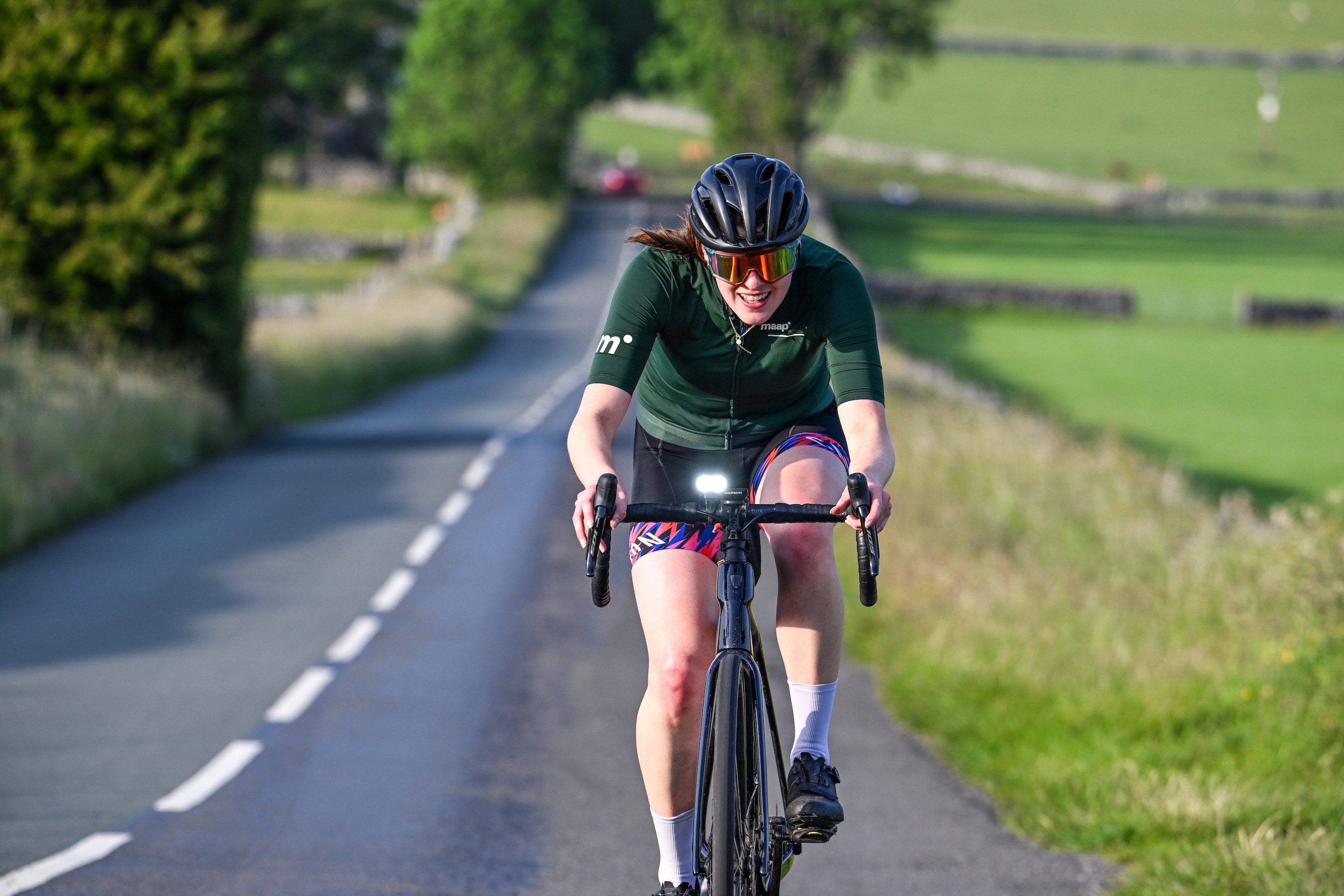
Credit: www.cyclingweekly.com
Frequently Asked Questions
Can Cycling Help Build Leg Muscles Effectively?
Yes, cycling primarily targets leg muscles like quads, hamstrings, and calves. It promotes muscle endurance and strength with consistent effort.
How Often Should I Cycle To Build Muscle?
To build muscle, cycle at least 3-4 times per week. Include interval training and hill climbs to maximize muscle growth.
Does Cycling Build Upper Body Muscles Too?
Cycling mainly strengthens lower body muscles. Upper body muscle gains are minimal unless combined with strength training exercises.
What Type Of Cycling Builds The Most Muscle?
Hill climbing and resistance cycling are best for muscle building. They increase muscle tension and stimulate growth effectively.
Conclusion
Cycling helps build muscle, especially in legs and lower body. It strengthens muscles through repeated motion and resistance. You can see muscle growth with regular cycling and good nutrition. Adding hills or faster speeds boosts muscle building even more. Remember, cycling improves endurance and tones muscles nicely.
It is a great exercise for many fitness goals. Keep riding consistently to enjoy stronger muscles and better health.







