
Are you curious about the impact of cycling on your leg muscles? You’re not alone.
Whether you’re a cycling enthusiast or considering taking it up, understanding how this activity affects your muscles can be a game changer. Imagine pedaling through scenic routes, feeling the wind on your face, and all the while knowing that you’re not just enjoying the ride, but also building strength.
The idea of cycling as a powerful tool for muscle development is intriguing. It’s not just about getting from point A to B; it’s about transforming your legs into powerhouses of endurance and strength. Let’s dive into the fascinating connection between cycling and muscle growth, and discover whether this popular sport is the secret to toned, strong legs. Keep reading to unlock the surprising truths and tips that will enhance your cycling journey.
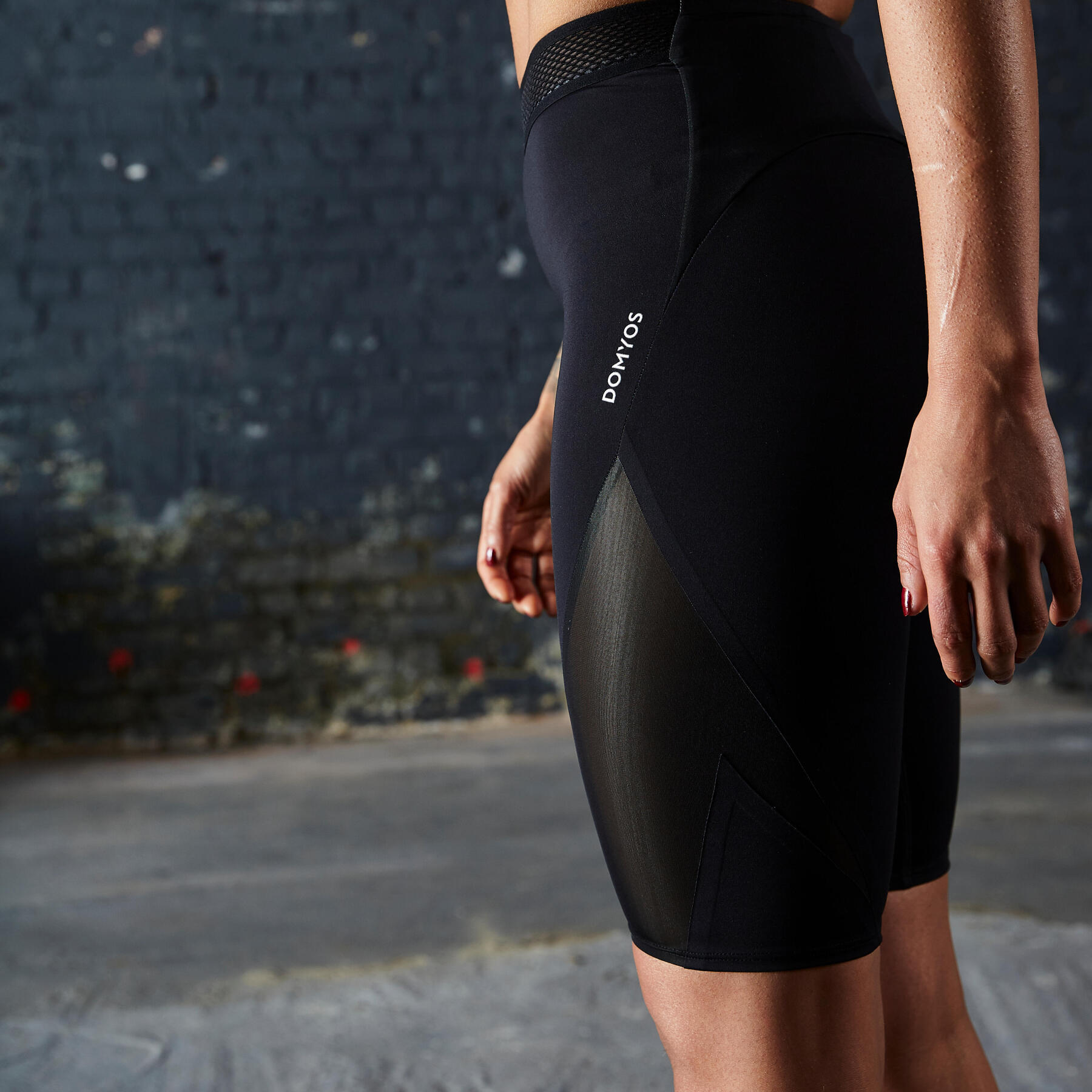
Credit: sportsadvice.decathlon.sg
How Cycling Engages Leg Muscles
Cycling is a popular exercise that strengthens leg muscles effectively. It involves repeated motion that targets several key muscle groups. Each pedal stroke activates muscles differently, depending on cycling style and intensity. Understanding how cycling engages your legs helps maximize muscle gains.
Primary Muscles Worked
The main muscles used in cycling include:
- Quadriceps:Located at the front of your thigh, these muscles push the pedal down.
- Hamstrings:Found at the back of the thigh, they help pull the pedal up.
- Gluteus Maximus:Your buttock muscles provide power during the pedal stroke.
- Calves:These muscles help with the ankle movement while pedaling.
Each muscle group works together to create smooth, strong pedaling motions.
Muscle Activation During Different Cycling Styles
Muscle use varies with cycling styles:
- Road Cycling:Focuses on endurance and steady muscle use, especially in quadriceps and calves.
- Mountain Biking:Requires more power and balance, activating glutes and hamstrings intensely.
- Spinning Classes:High resistance pedals increase quadriceps and glute activation.
- Sprinting:Short bursts use explosive strength, engaging all leg muscles deeply.
Different styles target muscles uniquely, promoting balanced leg development.

Credit: www.bicycling.com
Muscle Growth From Cycling
Cycling is often praised for its cardiovascular benefits, but many wonder if it truly helps build leg muscle. The truth is, cycling can promote muscle growth, but the extent depends on several factors like resistance, intensity, cadence, and speed. Understanding these elements can help you tailor your rides to achieve stronger, more defined legs.
Effects Of Resistance And Intensity
Adding resistance during cycling is key to muscle growth. When you pedal against higher resistance, your muscles work harder, causing small tears that lead to growth as they repair.
Think about climbing a steep hill or using a high gear on your bike. These situations force your quadriceps, hamstrings, and calves to push with more power. You may have noticed that after a tough hill session, your legs feel fatigued and stronger the next day—that’s muscle building in action.
Intensity also matters. A slow, easy ride won’t stimulate muscle growth much, but short bursts of hard effort, like sprints or interval training, can increase muscle size and strength. Have you tried alternating between high and low intensity during rides? It’s a practical way to challenge your muscles and promote growth.
Role Of Cadence And Speed
Cadence, or pedal revolutions per minute, influences how your muscles respond. Pedaling at a lower cadence with higher resistance stresses your muscles more, encouraging growth. On the other hand, a higher cadence with low resistance focuses more on endurance than size.
Speed ties closely with cadence but also impacts muscle engagement. Faster speeds at low resistance improve cardiovascular fitness, but won’t do much for muscle bulk. Slower speeds with intense effort create more muscle tension.
Have you experimented with adjusting your cadence and speed? Finding the right balance can help you build muscle while maintaining cycling efficiency and endurance.
Benefits Beyond Muscle Size
Cycling offers more than just bigger leg muscles. It improves overall leg function and health. The benefits extend to endurance, strength, and muscle appearance. These changes help cyclists perform better and feel stronger every day.
Improved Endurance And Strength
Cycling trains your legs to work longer without getting tired. This builds endurance, which means your muscles can keep going for more time. It also strengthens muscles by making them work against resistance, like hills or fast speeds. Stronger muscles support joints and reduce injury risks.
Enhanced Muscle Tone And Definition
Cycling tones your leg muscles, making them look firmer and more defined. It uses many muscle groups, including quads, hamstrings, and calves. Regular cycling helps reduce fat around your legs, showing muscle shape better. This leads to a leaner, more athletic appearance.
Comparing Cycling With Other Leg Workouts
Comparing cycling with other leg workouts helps understand its unique benefits. Different exercises target muscles in various ways. This section explores how cycling matches up to weightlifting and running for leg muscle development.
Cycling Vs Weightlifting
Cycling builds endurance and tones leg muscles gradually. Weightlifting targets specific muscles with heavy resistance. It causes faster muscle growth through overload.
Cycling focuses on the quadriceps, hamstrings, and calves with repeated motion. Weightlifting isolates muscles using exercises like squats and leg presses. These movements create more muscle stress.
- Cycling improves muscle stamina and cardiovascular health.
- Weightlifting increases muscle size and strength quickly.
- Cycling is low-impact and easier on joints.
- Weightlifting requires proper form to avoid injury.
For muscle bulk, weightlifting is more effective. For lean, toned legs and endurance, cycling is excellent.
Cycling Vs Running
Cycling and running both improve leg muscles and fitness. Running uses body weight and impact to strengthen muscles. Cycling is smoother and controlled with less stress on joints.
- Running activates calves, quads, hamstrings, and glutes intensely.
- Cycling emphasizes quads and calves with continuous pedaling.
- Running burns more calories per minute than cycling.
- Cycling allows longer workouts with less fatigue.
Running builds muscle strength through impact. Cycling builds muscle endurance through repetition. Both improve leg muscles but in different ways.
Tips To Maximize Leg Muscle Growth
Growing strong leg muscles through cycling takes more than just riding. You need specific strategies to push your muscles to grow. Simple rides build endurance but may not add much muscle size. Focused workouts and smart training can make a big difference.
Incorporating Intervals And Hill Climbs
Intervals and hill climbs add intensity to your cycling. They challenge your leg muscles beyond steady riding. Short bursts of speed or power force muscles to work harder. Climbing hills adds resistance, activating more muscle fibers.
- Try sprint intervals: pedal fast for 20-30 seconds, then rest.
- Include hill repeats: ride uphill, then recover downhill.
- Use a higher gear to increase resistance during climbs.
- Limit recovery time to keep muscles under tension.
This approach creates muscle fatigue, a key factor in muscle growth. It also improves power and endurance simultaneously.
Combining Cycling With Strength Training
Cycling alone may not fully develop your leg muscles. Adding strength training targets muscles in different ways. Weight exercises build muscle mass and improve cycling performance.
- Squats and lunges strengthen quads, hamstrings, and glutes.
- Deadlifts build overall leg and lower back power.
- Leg presses isolate muscles for focused growth.
- Include calf raises to develop lower legs.
Strength training sessions 2-3 times per week complement cycling workouts. They enhance muscle size and help prevent injury. Balance cycling and gym work for best results.
Common Myths About Cycling And Muscles
Cycling is a popular exercise for many people. It improves fitness and helps with weight control. But some myths about cycling and muscles confuse beginners. These myths can stop people from cycling or affect their workout goals. Clearing up these myths helps cyclists understand how cycling shapes their muscles.
Cycling Makes Legs Bulky?
Many think cycling makes legs big and bulky. This is not true for most riders. Cycling mainly builds lean muscle, not bulky muscles. The constant movement tones muscles and burns fat. Long rides help create slim and strong legs. Bulky muscles come from heavy weight lifting, not cycling.
Cycling Limits Muscle Growth?
Some believe cycling stops muscles from growing. Cycling does not limit muscle growth. It works leg muscles with repeated motion and resistance. This can increase muscle strength and endurance. But cycling alone may not grow muscles like weight training. Combining cycling with strength exercises helps build more muscle.

Credit: www.bikeradar.com
Frequently Asked Questions
Does Cycling Effectively Build Leg Muscle?
Yes, cycling builds leg muscles by engaging the quadriceps, hamstrings, calves, and glutes. It tones and strengthens these muscles with consistent riding and resistance.
How Long Does Cycling Take To Build Leg Muscle?
You can start seeing muscle tone in 4-6 weeks with regular cycling. Muscle growth depends on cycling intensity, duration, and frequency.
Which Leg Muscles Does Cycling Target Most?
Cycling primarily targets quadriceps, hamstrings, calves, and gluteal muscles. These muscles work together to pedal and maintain balance while riding.
Can Cycling Alone Increase Muscle Mass In Legs?
Cycling mainly tones and strengthens leg muscles but does not significantly increase muscle mass. Combining cycling with strength training yields better muscle growth.
Conclusion
Cycling helps build leg muscles by using many muscle groups. It strengthens your thighs, calves, and glutes over time. Regular riding improves muscle tone and endurance. You can see changes faster with hills or resistance. Cycling also boosts overall fitness and burns calories.
It is a low-impact exercise, gentle on joints. Keep riding often and vary your routes. This way, your leg muscles grow strong and healthy. Cycling offers a fun way to stay active and fit. Give your legs time to adapt and improve.







