
Are you lacing up your running shoes and wondering if hitting the pavement can do more than just boost your cardiovascular health? You’re not alone.
Many fitness enthusiasts and beginners alike are curious about the muscle-building potential of running. The question lingers: can this popular exercise really help you gain muscle mass, or should you stick to weightlifting for that goal? Imagine transforming your daily jog into a dual-purpose workout that not only keeps your heart healthy but also strengthens your legs and core.
It’s a tantalizing thought, isn’t it? We’ll dive deep into the mechanics of running and its effects on your muscles. You’ll discover how to maximize your runs for muscle growth and get insights that may just change the way you view this simple yet effective exercise. Ready to unlock the full potential of your runs? Let’s get started.
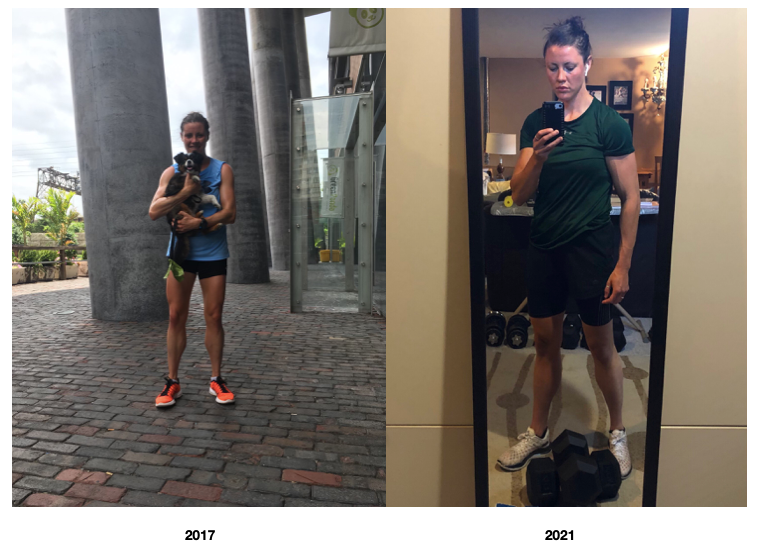
Credit: betterhumans.pub
Muscle Groups Engaged By Running
Running is a full-body activity that activates several muscle groups. These muscles work together to keep your body moving forward efficiently. Understanding which muscles run engages helps clarify its impact on muscle building and endurance.
Leg Muscles And Their Role
The legs do most of the work during running. The quadriceps, located at the front of your thighs, help extend your knees. Hamstrings at the back of your thighs bend your knees and propel you forward. Calves, especially the gastrocnemius and soleus, push off the ground with each step. The gluteal muscles stabilize your hips and assist in forward motion. All these muscles contract repeatedly, building strength and endurance over time.
Core Activation During Runs
Your core muscles keep your body stable while running. The abdominals and obliques maintain balance and posture. The lower back muscles support your spine and prevent excessive twisting. A strong core improves running efficiency and reduces injury risk. These muscles work isometrically, holding your torso steady during each stride.
Arm Movement And Muscle Use
Arm movement helps maintain rhythm and balance. The biceps and triceps control the bending and straightening of your elbows. Shoulder muscles, including the deltoids, lift and swing your arms. This motion helps drive your legs and maintain speed. Running regularly tones these muscles, improving upper body endurance.
How Running Affects Muscle Growth
Running impacts your muscles in ways that go beyond just burning calories. It challenges your muscle fibers and triggers specific growth patterns depending on how you run. Understanding these effects can help you tailor your workouts to build muscle effectively while running.
Types Of Muscle Fibers Involved
Your muscles contain different fiber types, mainly slow-twitch and fast-twitch fibers. Slow-twitch fibers are designed for endurance and resist fatigue, making them active during long, steady runs. Fast-twitch fibers generate more force but tire quickly, kicking in during sprints or hill runs.
For example, when I started adding sprint intervals to my runs, I noticed my leg muscles felt stronger and more defined. That’s because fast-twitch fibers were being activated, promoting muscle growth in ways steady jogging never did.
Endurance Vs. Strength Adaptations
Running primarily improves endurance, encouraging your muscles to become more efficient at using oxygen. This adaptation usually means muscles get leaner rather than bulkier. However, if you include high-intensity efforts or uphill running, your muscles adapt by increasing strength and size.
Think about your last long run versus a hill sprint session. The long run builds stamina but won’t add much muscle mass. The hill sprints, on the other hand, create micro-tears in muscle fibers, which then repair stronger and thicker.
Impact Of Running Intensity
The intensity of your run directly influences how your muscles respond. Low-intensity runs mostly target slow-twitch fibers, improving endurance but not much muscle growth. High-intensity running stresses fast-twitch fibers, leading to muscle strengthening and growth.
- Steady-state running builds endurance and muscle tone.
- Sprints and interval training stimulate muscle hypertrophy.
- Hill running adds resistance, enhancing muscle size and power.
Ask yourself: Are you running just to maintain fitness, or do you want to build muscle? Adjusting your intensity can be the key difference.
Running Styles That Promote Muscle Gain
Not all running styles are equal when it comes to building muscle. Certain techniques push your muscles harder, triggering growth and strength gains. Understanding which running styles stimulate muscle development can help you tailor your workouts for better results.
Sprint Training Benefits
Sprinting is a powerful way to build muscle fast. Short bursts of maximum effort activate fast-twitch muscle fibers, which have the highest potential for growth. When you push your legs to move as quickly as possible, you create microscopic muscle damage that your body repairs by adding muscle mass.
Try sprinting for 20-30 seconds, then resting for a minute or two. This pattern helps you maintain intensity. Do you notice how your legs feel pumped after just a few sprints? That’s muscle growth in action.
Hill Running Effects
Running uphill forces your muscles to work harder than flat surfaces. The incline increases resistance, making your glutes, hamstrings, and calves contract more powerfully with each step. This extra effort builds strength and muscle density.
Start with short hill repeats—run hard uphill for 30 seconds, then walk down to recover. Consistent hill running can reshape your lower body, giving you stronger and more defined muscles. How steep is the hill you choose? Steeper hills mean more muscle challenge.
Interval Training For Muscle
Interval training mixes high-intensity running with recovery periods, creating a workout that builds muscle and boosts endurance. By alternating between fast and slow paces, you recruit different muscle fibers and increase overall workload. This variety leads to muscle adaptation and growth.
For example, run hard for 1 minute, jog lightly for 2 minutes, then repeat. This approach keeps your muscles guessing and growing. Have you tried timing your intervals to hit that sweet spot where you’re challenged but not exhausted?

Credit: www.healthline.com
Nutrition And Recovery For Muscle Building
Nutrition and recovery play key roles in building muscle through running. Proper fuel and rest help muscles grow stronger and heal faster. Without good nutrition and enough recovery, muscle gains can stall or even reverse. Runners must focus on what they eat and how they recover to see results in muscle building.
Protein Needs For Runners
Protein is the building block of muscle. Runners need more protein than sedentary people to repair muscle fibers damaged during runs. Eating enough protein daily supports muscle growth and recovery.
- Aim for 1.2 to 1.7 grams of protein per kilogram of body weight.
- Include sources like lean meats, dairy, beans, and nuts.
- Distribute protein intake evenly across meals for better absorption.
Rest And Muscle Repair
Muscle repair happens mostly during rest. Without enough sleep and downtime, muscles cannot fully recover. Lack of rest increases injury risk and slows muscle growth.
- Get 7 to 9 hours of sleep each night for optimal repair.
- Include rest days in your running schedule to allow healing.
- Use active recovery like walking or gentle stretching to reduce soreness.
Supplements To Support Growth
Supplements can help fill nutrition gaps but are not magic fixes. They support muscle building alongside a balanced diet and proper recovery.
- Protein powders help meet daily protein goals easily.
- Creatine may improve muscle strength and endurance for runners.
- Branched-chain amino acids (BCAAs) can reduce muscle fatigue.
Common Myths About Running And Muscle
Many people have wrong ideas about running and muscle growth. These myths can stop people from enjoying running or building muscles effectively. Clearing up these myths helps you make better fitness choices.
Running Causes Muscle Loss
Some think running burns muscle, but this is not always true. Running mainly uses fat and carbs for energy. Muscle loss happens only if you run too much without enough food. Balanced running with good nutrition protects your muscles.
Muscle Bulk Vs. Lean Muscle
Running does not make you bulky like heavy lifting. It helps create lean muscle, which is slim and strong. Lean muscles improve endurance and shape your body nicely. Bulky muscles need heavy weights and special training.
Cardio And Muscle Building Compatibility
Cardio like running and muscle building can work well together. Running improves heart health and stamina. Weight training grows muscles. Combining both gives better fitness and a balanced body.

Credit: www.youtube.com
Combining Running With Strength Training
Combining running with strength training creates a powerful fitness routine that builds muscle and boosts endurance. Running alone can improve cardiovascular health and lean muscle tone, but adding strength workouts helps you gain real muscle mass and prevent injury. This combination challenges your body in different ways, leading to better overall results.
Benefits Of Cross-training
Cross-training by mixing running and strength workouts reduces the risk of overuse injuries. When you run, your leg muscles get worked repeatedly, which can cause strain over time. Strength training targets different muscle groups and helps balance muscle development.
You’ll notice improved running performance because stronger muscles mean better speed and endurance. Plus, strength training increases your metabolism, helping you burn fat even on rest days. Have you felt your progress stall? Adding weights might be the key to breaking through that plateau.
Sample Workout Plans
| Day | Workout |
|---|---|
| Monday | 30-minute easy run + full-body strength training (squats, push-ups, lunges) |
| Wednesday | Intervals or hill sprints + core exercises (planks, Russian twists) |
| Friday | Tempo run + upper body strength training (pull-ups, dumbbell rows) |
| Sunday | Long slow run + bodyweight mobility work |
This plan balances running and muscle-building workouts without overwhelming your body. You can adjust intensity and rest days based on how you feel. Try tracking how your strength gains impact your running times over a few weeks.
Balancing Cardio And Weights
It’s important to schedule your cardio and strength sessions so they complement each other. Doing a heavy leg workout and then running hard the next day may leave your muscles too tired to perform well. Consider separating intense running and strength days to give your body time to recover.
Listen to your body’s signals. If you feel unusually sore or fatigued, dial back the intensity or add rest. What’s your current balance like? Experiment with different splits and notice when your energy and muscle gains feel optimal.
Frequently Asked Questions
Can Running Help Build Muscle Mass?
Running primarily improves endurance and burns calories. It builds some muscle, especially in the legs, but not significant muscle mass like weightlifting.
What Type Of Running Builds The Most Muscle?
Sprint intervals or hill sprints build more muscle than steady-state running. These high-intensity efforts engage fast-twitch muscle fibers, promoting muscle growth.
How Often Should I Run To Build Muscle?
Running 2-3 times per week with strength training is effective. Balance running with resistance exercises for optimal muscle development.
Does Running Reduce Muscle Size?
Excessive long-distance running without strength training can lead to muscle loss. Proper nutrition and cross-training help maintain muscle while running.
Conclusion
Running helps build muscle, but mainly in your legs and lower body. It improves endurance and tones muscles rather than making them large. For bigger muscles, add strength training like weightlifting or resistance exercises. Running also boosts heart health and burns calories.
It’s a great way to stay fit and strong. Mix running with other workouts for best muscle growth. Keep consistent and patient. Results will come with time and effort.







