
Are you on a quest to strengthen your muscles and bones? Do you often wonder which nutrient is the key player in building tissue, muscle, and bones?
You’re not alone. Many people strive for a healthier and stronger body but aren’t sure where to start. We’ll unveil the crucial nutrient that can make a significant difference in your fitness journey. Imagine unlocking the secret to a more resilient and robust body.
Ready to discover what could transform your health and vitality? Keep reading to find out which nutrient could be the game-changer you’ve been searching for.
Key Nutrients For Muscle Growth
Understanding which nutrients fuel your muscle growth can change how you approach your diet and workouts. Muscle building isn’t just about lifting weights; it’s about giving your body the right materials to repair and grow stronger. Knowing the role of each nutrient helps you make smarter choices that directly impact your muscle gains and overall health.
Proteins And Amino Acids
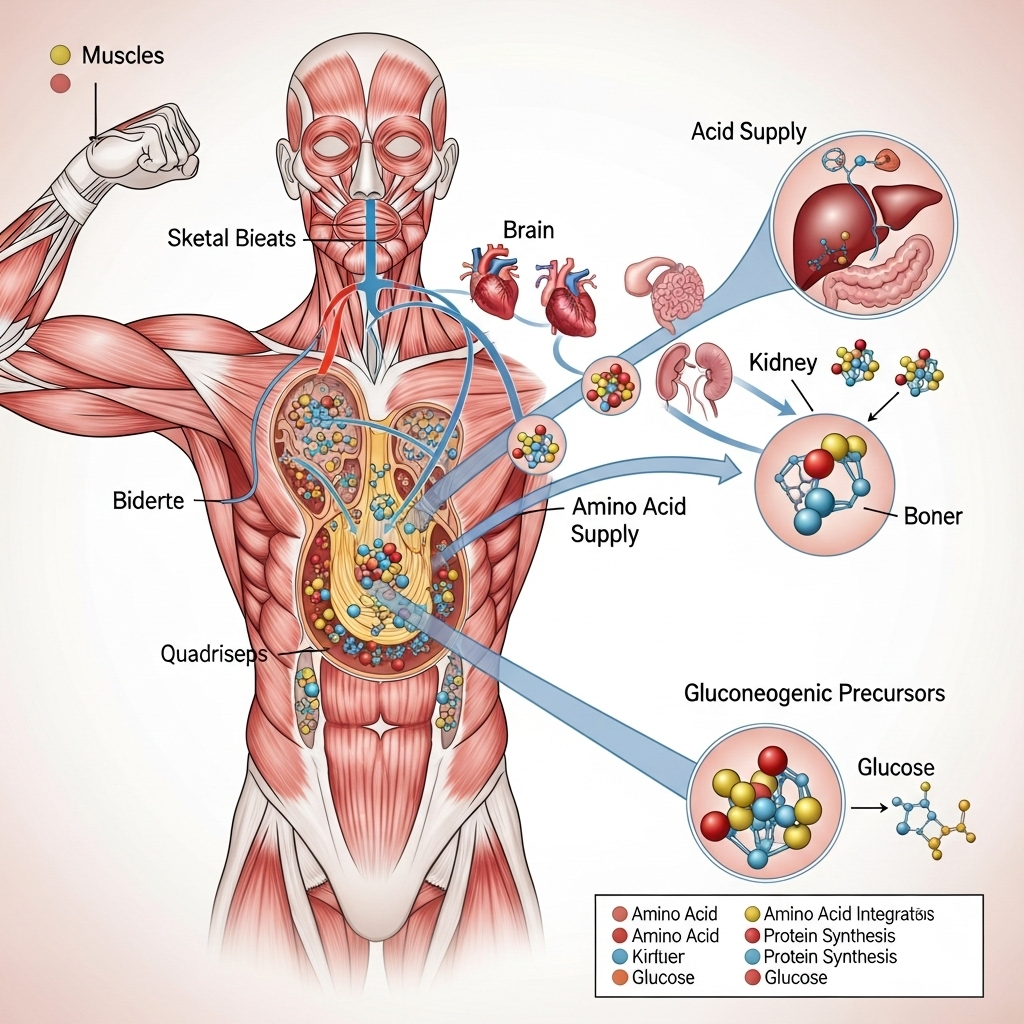
Proteins are the building blocks of muscle tissue. When you exercise, tiny tears form in your muscle fibers, and protein helps repair these tears, making your muscles bigger and stronger.
Amino acids, especially the essential ones your body can’t make, are crucial in this repair process. Foods like chicken, eggs, beans, and tofu are rich in these nutrients. Have you paid attention to how your protein intake affects your recovery and strength?
Role Of Carbohydrates
Carbohydrates are often misunderstood, but they’re vital for muscle growth. They provide the energy your muscles need during workouts, preventing protein from being used as fuel.
Without enough carbs, your body might break down muscle tissue for energy, which works against your muscle-building goals. Think about how you feel during workouts on low-carb days versus days you’ve eaten well—do you notice a difference?
Fats And Muscle Repair
Healthy fats support hormone production, including testosterone, which plays a key role in muscle growth. They also help reduce inflammation, speeding up muscle repair after intense exercise.
Sources like avocados, nuts, and olive oil provide these fats. Are you including enough good fats in your diet to support your muscle repair and growth?
Credit: easy-peasy.ai
Nutrients Supporting Bone Health
Strong bones need the right nutrients to grow and stay healthy. These nutrients help build tissue, support muscle function, and maintain bone density. Understanding their roles helps keep your body strong and active.
Calcium’s Impact
Calcium is the main mineral in bones. It gives bones their strength and structure. Without enough calcium, bones become weak and brittle. Dairy products, leafy greens, and fortified foods are good sources of calcium.
Vitamin D And Bone Strength
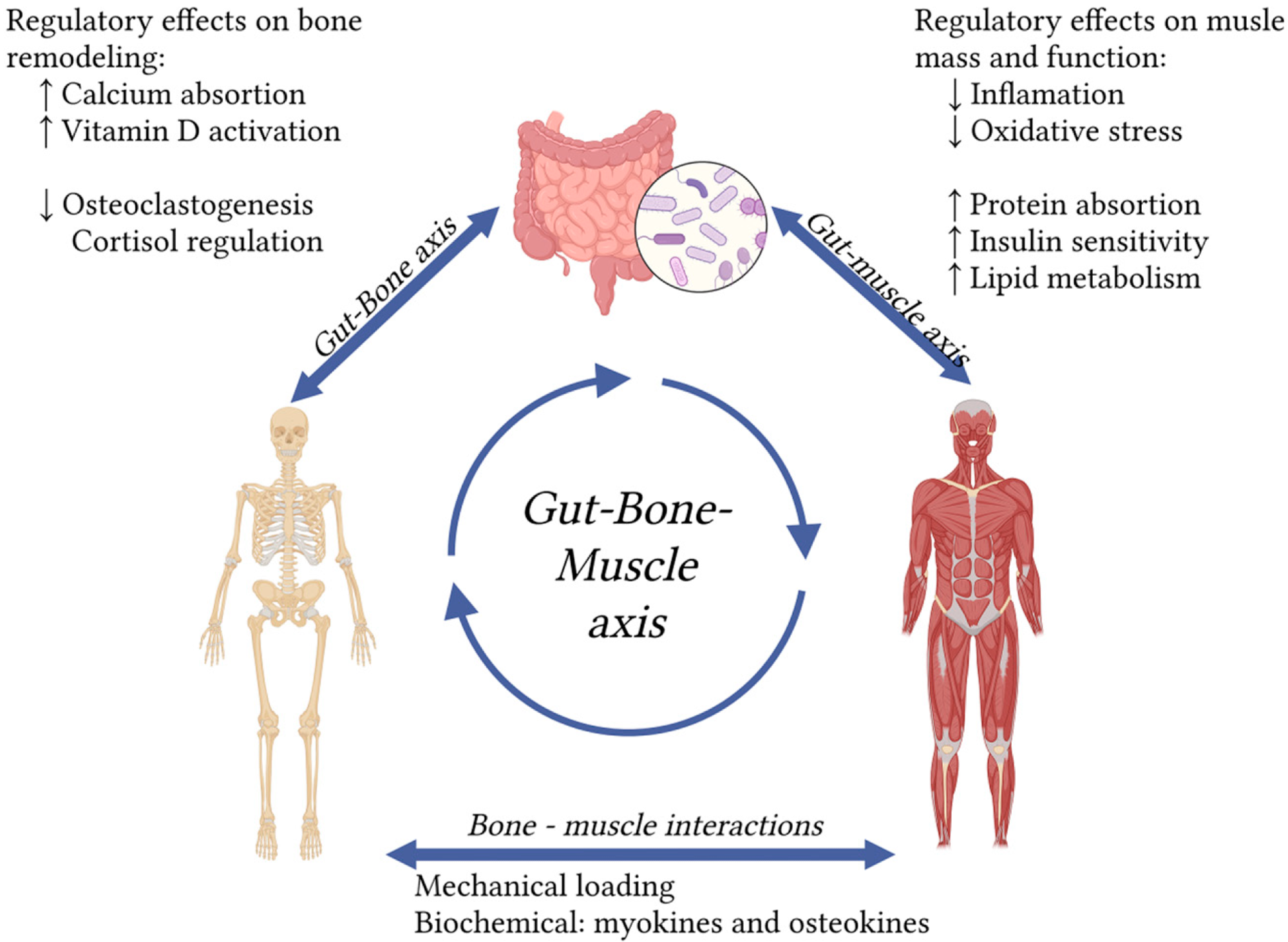
Vitamin D helps the body absorb calcium from food. It supports bone growth and repair. Sunlight triggers vitamin D production in the skin. Fatty fish, eggs, and fortified milk also provide vitamin D.
Magnesium And Phosphorus
Magnesium helps convert vitamin D into its active form. This supports calcium absorption. Phosphorus works with calcium to build strong bones. Nuts, seeds, whole grains, and meat contain magnesium and phosphorus.
Vitamins And Minerals For Tissue Repair
Vitamins and minerals play a key role in tissue repair. They support the growth and strength of muscles and bones. These nutrients help the body heal wounds and maintain healthy tissue. Without them, recovery slows and tissues weaken.
Understanding how specific vitamins and minerals aid tissue repair helps improve overall health. Each nutrient has a unique function in healing and building strong tissues. Here are some essential vitamins and minerals that promote tissue repair.
Vitamin C And Collagen Formation
Vitamin C is vital for collagen production. Collagen is a protein that forms the structure of muscles, skin, and bones. It acts like a glue holding tissues together. Without enough vitamin C, collagen formation slows down.
This vitamin also protects cells from damage and supports immune function. Foods rich in vitamin C include oranges, strawberries, and bell peppers. Regular intake boosts tissue repair and keeps the skin firm.
Zinc’s Role In Healing
Zinc is essential for wound healing and tissue growth. It helps cells multiply and repair damaged areas. This mineral also supports the immune system to fight infections during recovery.
Low zinc levels can delay healing and weaken tissue strength. Good sources of zinc are meat, nuts, and seeds. Including zinc in the diet speeds up muscle and bone repair.
Vitamin K And Bone Metabolism
Vitamin K regulates bone metabolism and helps maintain bone density. It activates proteins that bind calcium to the bone matrix. This process strengthens bones and reduces fracture risk.
Vitamin K also supports blood clotting, which is important in healing injuries. Leafy green vegetables like spinach and kale contain high vitamin K levels. Adequate intake promotes stronger bones and faster tissue recovery.
Hydration And Its Effect On Tissue Health
Hydration plays a key role in maintaining healthy tissues, muscles, and bones. Water makes up a large part of these tissues, helping them stay strong and flexible. Without enough water, tissues can become dry and fragile, increasing the risk of injury.
Staying hydrated supports the transport of nutrients and oxygen to cells. It also helps remove waste products from muscle and bone tissues. Proper hydration improves cell function, which is essential for repair and growth.
How Hydration Supports Muscle Function
Muscles need water to work well. Water helps muscles contract and relax smoothly. When muscles lack water, they can cramp or feel weak. Drinking enough fluids keeps muscles energized and reduces fatigue.
The Role Of Water In Bone Health
Bone tissue contains water that maintains its strength and density. Water supports the production of new bone cells. It also helps carry minerals like calcium and phosphorus to bones. Good hydration keeps bones resilient and less prone to fractures.
Signs Of Poor Hydration In Tissues
- Muscle cramps and stiffness
- Joint pain or discomfort
- Dry or rough skin
- Slower healing of injuries
These signs show that tissues may not be getting enough water. Drinking enough fluids can help reverse these effects and improve tissue health.
Balanced Diet For Optimal Tissue Building
Eating a balanced diet is key to building strong muscles and bones. Your body needs a mix of nutrients to repair tissues and support growth. Without the right balance, your efforts at the gym or in daily activities may not yield the results you want.
Think about how you feel after a day of eating mostly junk food versus a day full of nutrient-rich meals. The difference in energy and recovery is often noticeable. What if adjusting your meals could speed up your tissue building and improve your strength?
Meal Planning Tips
Start with meals that include high-quality protein sources like chicken, fish, eggs, or beans. Protein provides the building blocks your body needs to repair and grow muscle.
Don’t forget calcium-rich foods such as dairy products, leafy greens, and fortified plant milks. Calcium plays a crucial role in bone strength and tissue function.
Include a variety of colorful vegetables and fruits for vitamins and minerals like vitamin C and magnesium, which help tissue repair and collagen formation.
- Plan meals with a balance of protein, carbs, and healthy fats
- Eat smaller, frequent meals to keep nutrient supply steady
- Stay hydrated to support nutrient transport and muscle recovery
Supplements To Consider
If your diet falls short, supplements can help fill the gaps. Protein powders can be convenient post-workout to kickstart muscle repair.
Calcium and vitamin D supplements support bone health, especially if you have limited sun exposure or dietary sources. Vitamin D helps your body absorb calcium more effectively.
Omega-3 fatty acids, found in fish oil supplements, reduce inflammation and may improve muscle recovery after exercise.
| Supplement | Benefit | Recommended Use |
|---|---|---|
| Protein Powder | Supports muscle repair and growth | After workouts or as meal replacement |
| Calcium + Vitamin D | Strengthens bones and aids calcium absorption | Daily with meals if dietary intake is low |
| Omega-3 Fish Oil | Reduces inflammation, supports muscle recovery | Daily, with food for better absorption |
What small change can you make to your diet today to better support your muscle and bone health? Sometimes, it’s the little things that create the biggest impact.

Credit: www.strengthlog.com
Credit: www.news-medical.net
Frequently Asked Questions
What Nutrient Is Essential For Muscle And Bone Growth?
Protein is essential for building and repairing muscles and bones. It provides amino acids, which are the building blocks for tissue growth and maintenance.
How Does Calcium Support Bone Health And Muscle Function?
Calcium strengthens bones and aids muscle contractions. It is crucial for maintaining bone density and ensuring proper muscle movement.
Why Is Vitamin D Important For Tissue And Bone Development?
Vitamin D helps the body absorb calcium effectively. It supports bone growth and muscle function by enhancing calcium uptake.
Can Magnesium Improve Muscle And Bone Strength?
Magnesium plays a key role in muscle contraction and bone structure. It helps maintain strong bones and supports muscle performance.
Conclusion
Protein stands out as the key nutrient for building muscles, tissues, and bones. It helps repair and grow body parts every day. Without enough protein, the body cannot heal or strengthen properly. Eating balanced meals with protein supports a healthy, strong body.
Don’t forget to include other nutrients like calcium and vitamin D too. Together, they keep bones firm and muscles working well. Small changes in diet make a big difference. Choose protein-rich foods regularly for better health and strength. Simple, steady steps lead to lasting results.







