
Are you looking to build muscle and add an exciting twist to your fitness routine? If so, rock climbing might just be the adventure-packed workout you’ve been searching for.
Imagine scaling a rock wall, feeling the thrill of reaching new heights, and working muscles you never knew you had. But does rock climbing really help you build muscle? You might be surprised to learn that this exhilarating sport does more than just challenge your mind and conquer your fears.
It offers a full-body workout that targets muscles you might not typically engage in your everyday exercises. As you read on, you’ll discover how rock climbing can transform your body, boost your strength, and keep your workouts anything but mundane. Ready to find out how scaling new heights can redefine your fitness journey? Keep reading to uncover the muscle-building secrets of rock climbing.
Credit: gripzilla.co
Muscle Groups Targeted By Rock Climbing
Rock climbing challenges your body in ways that few other activities do. It doesn’t just test your endurance or balance—it actively works multiple muscle groups. Understanding which muscles get targeted can help you train smarter and see better results in strength and muscle tone.
Upper Body Muscles
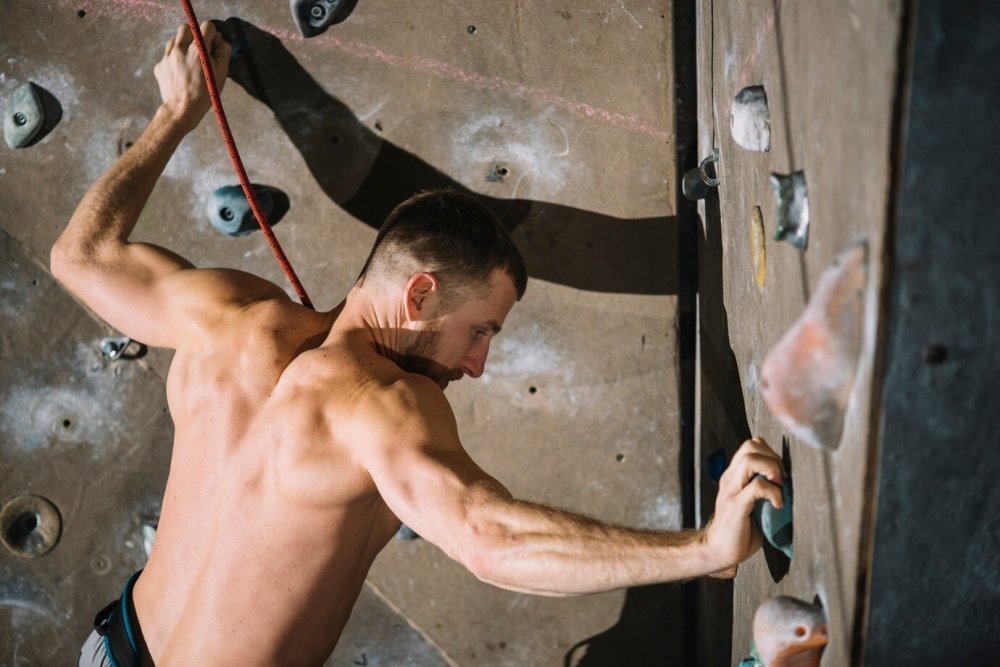
Your arms and back do a lot of the heavy lifting on the wall. The forearms get a serious workout as they grip holds tightly, building impressive finger and wrist strength. Meanwhile, your biceps, triceps, and shoulders push and pull your body upward.
Don’t overlook your upper back muscles, like the latissimus dorsi and trapezius. They stabilize your movement and help you pull your body closer to the rock. Have you noticed your arms feeling stronger after just a few climbs? That’s these muscles stepping up.
Core Engagement
Your core acts as the engine that keeps you balanced and controlled. Rock climbing forces you to engage your abs, obliques, and lower back constantly. This engagement stabilizes your body, especially when you’re reaching for distant holds or twisting around corners.
Even if you’ve never focused on core workouts before, climbing can build this strength naturally. Think about how you stay tight and steady during tricky moves—your core is working hard every second.
Lower Body Involvement
Many people underestimate the role of their legs in climbing, but your lower body is crucial. Your quadriceps, hamstrings, calves, and glutes help push your body upward and maintain balance. Using your legs efficiently can save energy and reduce arm fatigue.
Next time you climb, pay attention to how much you rely on your feet and legs. Are you pushing with your legs or pulling only with your arms? Strengthening your lower body will improve your climbing technique and muscle development.
How Climbing Builds Strength
Climbing is more than just a fun challenge; it’s a powerful way to build strength. Every move you make on the wall activates different muscles in unique ways. Understanding how climbing builds strength can help you train smarter and see better results.
Isometric Muscle Contractions
When you hold a position on the climbing wall, your muscles contract without changing length. This is called an isometric contraction. It’s like holding a plank or carrying a heavy box without moving.
These contractions build strength by forcing your muscles to stay engaged for extended periods. You’ll notice your forearms and fingers get a serious workout, helping you grip better. Have you felt that intense pump in your hands after a tough climb? That’s isometric strength at work.
Dynamic Movements And Power
Climbing isn’t just about hanging on; it also demands quick, explosive moves. Jumping to a new hold or making a fast reach activates your muscles differently. These dynamic actions develop power by training your muscles to contract quickly and forcefully.
Power is crucial when you need to push off with your legs or launch your body upward. Adding dynamic moves to your climbing routine can boost your overall muscle strength and agility. Have you tried a dynamic move that surprised you with how much strength it took?
Endurance Vs. Maximal Strength
Climbing builds both muscular endurance and maximal strength, but in different ways. Endurance comes from holding grips and positions for a long time, helping your muscles resist fatigue. Maximal strength is developed through short, intense efforts, like powerful pulls or lock-offs.
Balancing these two aspects is key. You might focus on endurance during long, sustained routes, but power and strength come into play on short, steep climbs. Think about your climbing style—do you lean more on endurance or bursts of strength?
Comparing Climbing To Traditional Workouts
Comparing rock climbing to traditional workouts reveals key differences and benefits. Both activities build muscle but target strength in unique ways. Understanding these distinctions helps choose the best workout for your goals.
Climbing Vs. Weightlifting
Weightlifting focuses on isolated muscle groups using controlled, repetitive movements. It builds muscle size and raw strength quickly. Climbing engages multiple muscle groups at once with dynamic, full-body movements. It improves muscle endurance and grip strength. Climbing challenges balance and coordination more than weightlifting. Both complement each other for a well-rounded fitness routine.
Functional Strength Benefits
Climbing builds functional strength used in daily activities. It trains muscles to work together smoothly. Movements mimic natural motions like pulling, pushing, and reaching. This enhances body control and agility. Weightlifting adds strength but less often mimics real-life movement patterns. Climbing also improves core stability, essential for overall fitness.
Injury Prevention And Mobility
Climbing promotes joint mobility and flexibility through varied movement angles. It strengthens tendons and ligaments, reducing injury risk. Weightlifting may limit range of motion if done incorrectly. Climbing encourages controlled movement and body awareness, which protects joints. Both activities improve injury prevention if practiced with proper form.
Credit: www.redbull.com
Training Tips For Muscle Growth In Climbing
Building muscle through rock climbing requires more than just hitting the wall regularly. You need a smart approach to your training that pushes your limits while supporting your body’s growth and recovery. Here are some key tips to help you grow muscle effectively as you climb.
Progressive Difficulty And Load
Your muscles adapt when you challenge them more each time. That means you should gradually increase the difficulty of your climbs or the load you carry. If you keep climbing the same routes without pushing harder, your muscle growth will stall.
Try adding weight with a climbing harness or use routes that force you to hold smaller holds and perform more dynamic moves. Track your progress by noting down the routes you complete and aim to tackle harder ones every week. Have you tested climbing with a weighted vest yet?
Supplementary Strength Exercises
Climbing uses many muscle groups, but some key areas like your forearms, core, and back can benefit from extra work off the wall. Exercises like pull-ups, dead hangs, and planks directly support climbing strength.
Focus on compound movements such as rows and deadlifts to build overall muscle mass. Adding grip trainers or fingerboard sessions can boost finger strength, but avoid overdoing it to prevent injury. Could your training routine use a few targeted strength moves?
Recovery And Nutrition
Muscle growth happens when you rest, not just when you train. Make sure you give your body time to recover by spacing intense climbing sessions and getting enough sleep.
Nutrition plays a huge role too. Eating enough protein helps repair muscle fibers, and carbs provide energy for your next climb. Don’t forget to hydrate well; even mild dehydration can reduce your strength. Are you fueling your climbs with the right foods?
Real-life Strength Gains From Climbers
Real-life strength gains from climbers show how this sport builds muscle beyond just improving technique. Many climbers share stories of noticeable muscle growth and increased power after months of consistent climbing. These examples highlight the practical impact climbing can have on your body, especially if you focus on challenging routes and varied grips.
Athlete Success Stories
Take Sarah, a recreational climber who started with minimal upper body strength. After six months of climbing three times a week, she noticed her arms and back becoming visibly stronger. She even reported improved grip strength that helped in daily tasks, like carrying groceries with ease.
Another climber, Mike, used climbing to recover from a shoulder injury. His strength gains surprised his physical therapist, who noted significant muscle improvement around the shoulder joint. These stories show how climbing can build muscle naturally by pushing your body in diverse ways.
Measurable Strength Improvements
Strength gains from climbing often show up in specific muscle groups like forearms, shoulders, and core. You can track progress using simple tools like grip strength dynamometers or by measuring the number of pull-ups you can do. Many climbers see a steady increase in their ability to hold onto smaller holds and sustain longer climbs.
Studies also report increased muscle endurance and hypertrophy in climbers compared to non-climbers. If you want to see real muscle growth, focus on routes that challenge your endurance and use varied grips to hit different muscles. Are you challenging your muscles enough with your current climbing routine?
Challenges And Plateaus
Strength gains don’t come without hurdles. Climbers often hit plateaus where progress stalls despite regular training. This is common because muscles adapt quickly to repetitive movements, so your body stops responding as dramatically.
Overcoming plateaus requires mixing up your training with new grips, holds, and climbing styles. Adding supplementary exercises like weighted pull-ups or fingerboard training can also help push past strength limits. How often do you change your routine to keep your muscles growing?

Credit: www.everydayhealth.com
Frequently Asked Questions
Does Rock Climbing Help Build Arm Muscles?
Yes, rock climbing effectively builds arm muscles. It targets biceps, triceps, and forearms through pulling and gripping movements. Regular climbing sessions increase muscle strength and endurance, making arms stronger and more toned over time.
How Does Rock Climbing Improve Overall Muscle Strength?
Rock climbing engages multiple muscle groups simultaneously. It strengthens the core, back, legs, and arms. This full-body workout enhances muscle coordination, balance, and endurance, contributing to overall muscle strength and functional fitness.
Can Rock Climbing Tone Muscles Without Bulking Up?
Yes, rock climbing tones muscles without excessive bulking. It promotes lean muscle development through bodyweight resistance and dynamic movements. This activity improves muscle definition and endurance rather than increasing muscle size significantly.
Which Muscles Does Rock Climbing Primarily Target?
Rock climbing primarily targets forearms, biceps, shoulders, back, and core muscles. It also activates leg muscles for stability and propulsion. This combination builds strength, endurance, and flexibility across key muscle groups.
Conclusion
Rock climbing builds muscle in many parts of the body. It works arms, back, legs, and core muscles together. This sport improves strength and endurance over time. Regular climbing sessions help shape a stronger, fitter body. It also boosts balance and coordination naturally.
Anyone wanting muscle growth can benefit from climbing. Just remember to climb safely and often. The results come with patience and effort. Give rock climbing a try to see its muscle-building power.







