
Are you dreaming of stronger, well-defined arms? You’re not alone.
Whether you’re aiming to boost your athletic performance or simply want to look great in sleeveless outfits, building muscle in your arms is a goal worth pursuing. But with so much information out there, it can be overwhelming to know where to start.
The good news? You’re about to discover simple, effective strategies to transform your arms and achieve the results you’ve always wanted. As you read on, you’ll find actionable tips tailored just for you, ensuring that your journey is both efficient and rewarding. Ready to make a change? Let’s dive into the secrets of arm muscle building that could redefine your fitness journey.
Anatomy Of Arm Muscles
Understanding the anatomy of arm muscles helps in building strength and size effectively. The arm muscles work together to perform various movements. Knowing their structure guides better exercise choices.
Biceps And Triceps Basics
The biceps are located at the front of the upper arm. They have two heads and help bend the elbow and rotate the forearm. Strong biceps improve lifting and pulling actions.
The triceps sit at the back of the upper arm. They have three heads and extend the elbow. Developing triceps adds size and strength to the entire arm.
Forearm Muscle Groups
The forearm contains many small muscles. These muscles control wrist movements and finger grip. Forearm strength supports better performance in lifting and daily tasks.
Forearm muscles divide into flexors and extensors. Flexors are on the palm side and help close the hand. Extensors are on the opposite side and open the hand.

Credit: www.youtube.com
Effective Arm Workouts
Building strong and defined arms needs focused and effective workouts. Targeting different muscles with the right exercises helps create balanced growth. A mix of compound and isolation movements is key. Planning workout frequency and volume ensures steady progress without injury. This section covers essential arm workouts for muscle gain.
Compound Exercises
Compound exercises work multiple muscles at once. They boost strength and size quickly. Examples include:
- Pull-ups – target biceps and back
- Chin-ups – focus more on biceps
- Close-grip bench press – works triceps and chest
- Dips – activate triceps and shoulders
These moves allow lifting heavier weights. They improve overall arm development and functional strength.
Isolation Movements
Isolation exercises focus on one muscle group. They help shape and define the arms. Common isolation exercises are:
- Bicep curls – target the biceps brachii
- Hammer curls – focus on the brachialis muscle
- Tricep pushdowns – isolate the triceps
- Overhead tricep extensions – stretch and work triceps
Use these after compound lifts to fully fatigue muscles. They enhance arm detail and peak.
Workout Frequency And Volume
Train arms 2 to 3 times per week for best results. Keep total sets between 12 and 20 per session. Balance compound and isolation exercises in each workout. Rest 48 hours between sessions for muscle recovery. Use moderate to heavy weights with 8 to 12 reps per set. Consistency and proper rest are essential for growth.
Nutrition For Muscle Growth
Nutrition plays a crucial role in building muscle in your arms. Without the right fuel, your workouts won’t translate into visible gains. Focus on what you eat to provide your muscles with the tools they need to grow stronger and bigger.
Protein Intake
Protein is the foundation of muscle growth. Aim to consume around 1.6 to 2.2 grams of protein per kilogram of your body weight daily. Sources like chicken, fish, eggs, beans, and dairy provide essential amino acids that repair and build muscle fibers.
Think about your meals as muscle-building opportunities. Are you spreading protein intake evenly throughout the day? Smaller, protein-rich meals every 3-4 hours can enhance muscle protein synthesis more effectively than one large meal.
Caloric Surplus
Building muscle requires extra calories. You need to eat more than you burn to give your body enough energy for growth. A moderate surplus of 250-500 calories daily often works best to add muscle without excessive fat.
Focus on nutrient-dense foods rather than just increasing junk food. Whole grains, healthy fats from nuts and avocados, and plenty of vegetables support your body’s muscle-building process. Are you tracking your calories or just guessing? Tracking can help you stay on target.
Supplements To Consider
Supplements aren’t magic, but some can support your muscle growth journey. Whey protein powder helps meet your protein needs when food isn’t convenient. Creatine monohydrate is another well-researched option that can increase strength and muscle volume.
Don’t forget about vitamins and minerals like vitamin D and magnesium, which aid muscle function and recovery. Have you evaluated your diet to see if you’re missing any key nutrients? Sometimes, a simple supplement can make a noticeable difference in your progress.
Training Techniques For Rapid Gains
Training techniques play a crucial role in building muscle quickly. The right approach helps muscles grow stronger and larger. Focus on methods that challenge your muscles effectively. These techniques push your limits and stimulate growth in the arms.
Progressive Overload
Progressive overload means increasing the weight or reps over time. Muscles adapt to stress, so you must raise the challenge. Add small weight increments or do extra repetitions each session. This steady increase forces your muscles to grow stronger and bigger.
Track your progress to ensure consistent improvements. Without overload, muscles stop growing and gains slow down.
Time Under Tension
Time under tension is the total time muscles work during a set. Move slowly and control each repetition. This keeps muscles engaged longer and boosts muscle breakdown and repair. Use a steady pace: 2-3 seconds lifting, 2-3 seconds lowering.
Longer tension enhances muscle endurance and size. Avoid rushing through exercises to maximize gains.
Drop Sets And Supersets
Drop sets involve reducing weight after muscle fatigue. Perform reps until failure, lower the weight, then continue. This extends muscle work and promotes growth.
Supersets combine two exercises back-to-back without rest. Target the same or different muscle groups. This increases intensity and saves time.
Both methods shock muscles and improve strength and size fast.
Recovery And Rest
Recovery and rest are just as crucial as your workouts when it comes to building muscle in your arms. Without proper downtime, your muscles won’t repair and grow effectively, no matter how hard you train. Paying attention to how you recover can make a significant difference in your progress.
Importance Of Sleep
Sleep is the ultimate recovery tool for your muscles. During deep sleep, your body releases growth hormone, which helps repair muscle tissue and build new muscle fibers.
Missing out on quality sleep can slow down your muscle gains and increase fatigue. Aim for 7-9 hours of uninterrupted sleep each night to give your arms the best chance to grow stronger.
Rest Days And Muscle Repair
Taking rest days is not about being lazy—it’s about allowing your muscles time to heal and get stronger. After intense arm workouts, your muscle fibers develop tiny tears that need time to repair.
Skipping rest can lead to overtraining, which might cause injuries or stall your progress. Try scheduling at least one or two rest days a week, or focus on other muscle groups while your arms recover.
- Use rest days to do light activities like walking or stretching.
- Consider massage or foam rolling to reduce muscle soreness.
- Listen to your body—if your arms feel unusually tired, give them extra time to rest.
How often do you prioritize rest in your training routine? Sometimes, the best way to build muscle is by knowing when to pause.
Common Mistakes To Avoid
Building muscle in your arms requires more than just lifting weights. Avoiding common mistakes can save you time and prevent injuries. Let’s break down some key errors that might be holding back your progress.
Overtraining
It’s tempting to hit your arms every day to see faster results. But overtraining can cause soreness, fatigue, and even injury. Your muscles need time to recover and grow stronger.
Listen to your body. If your arms feel constantly tired or weak, take a break or switch to lighter workouts. Quality beats quantity when it comes to muscle building.
Poor Form
Using improper technique not only limits muscle growth but also increases the risk of injury. It’s easy to rush through reps and lose control of the movement.
Focus on slow, controlled motions. For example, when doing bicep curls, keep your elbows close to your body and avoid swinging the weights. Proper form targets the right muscles and maximizes gains.
Neglecting Other Muscle Groups
Focusing solely on your arms might seem logical, but ignoring other muscles can create imbalances. Strong shoulders, back, and chest support arm strength and improve overall performance.
Try adding compound exercises like push-ups or rows. These moves engage multiple muscle groups and help your arms grow in a balanced way.
Tracking Progress
Tracking progress is a crucial part of building muscle in your arms. Without keeping an eye on how your muscles grow and how your workouts respond, you might miss signs that it’s time to change your routine. Paying attention to progress helps you stay motivated and ensures that every workout counts toward your goals.
Measuring Muscle Growth
To see if your arms are getting bigger, start by measuring them regularly. Use a flexible tape measure to check the circumference of your biceps and triceps at the same spot each time. Take measurements every two weeks to notice real changes instead of daily fluctuations.
Photos are another powerful tool. Take progress pictures from multiple angles under consistent lighting. Over time, these images reveal muscle definition and size changes that numbers alone might not show.
Tracking strength gains in specific arm exercises is also important. If you can lift heavier weights or do more reps, your muscles are likely growing. Ask yourself: Are you pushing yourself harder than last week?
Adjusting Workouts
Tracking progress isn’t just about numbers—it guides how you tweak your workouts. If your measurements and strength aren’t improving, consider changing exercises or increasing weight. Your muscles need new challenges to keep growing.
Mix in variety by alternating between different arm exercises like curls, tricep dips, and hammer curls. Changing the order or adding sets can break plateaus. Have you noticed if sticking to the same routine slows your progress?
Rest and recovery are part of adjustments too. If you feel unusually sore or tired, your muscles might need more time to repair. Balancing workout intensity with recovery ensures steady, sustainable gains.

Credit: m.youtube.com
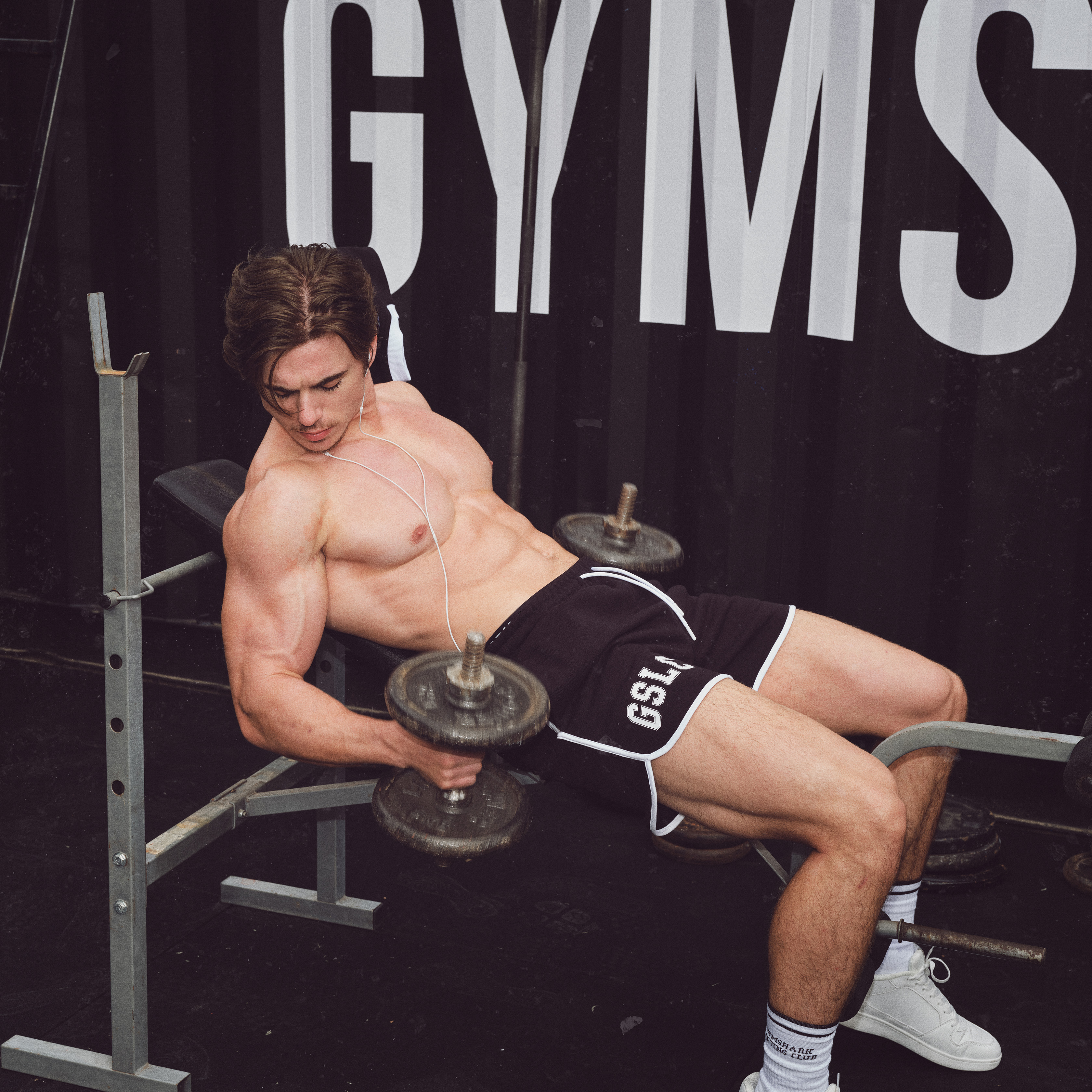
Credit: www.gymshark.com
Frequently Asked Questions
What Are The Best Exercises To Build Arm Muscle?
The best exercises include bicep curls, tricep dips, push-ups, and hammer curls. These target both biceps and triceps effectively.
How Often Should I Train Arms For Muscle Growth?
Train your arms 2-3 times weekly with rest days in between. This frequency allows muscle recovery and optimal growth.
What Role Does Nutrition Play In Arm Muscle Building?
Proper nutrition provides essential protein and calories for muscle repair and growth. Balanced meals support strength gains.
Can I Build Arm Muscle Without Weights?
Yes, bodyweight exercises like push-ups and dips can build arm muscle effectively. Consistency and progressive difficulty matter most.
Conclusion
Building strong arms takes time and steady effort. Focus on regular workouts and good form. Eat enough protein to support muscle growth. Rest well to help muscles recover and grow. Track your progress to stay motivated and improve. Small steps add up to big changes.
Stay patient and keep pushing forward. Your hard work will pay off. Strong arms are within your reach. Keep going!







