
Are you ready to unlock your body’s true potential and build the muscle you’ve always dreamed of? If you’re looking to transform your physique, boost your confidence, and enhance your overall health, you’re in the right place.
Muscle building isn’t just for men; women can achieve incredible strength and definition too. In fact, developing muscle can be a game-changer for your metabolism, energy levels, and mental well-being. Imagine walking into a room and feeling strong, empowered, and unstoppable.
This guide is here to help you understand exactly how to build muscle effectively and safely. So, if you’re curious about how to get started, what exercises to focus on, or how to fuel your body for optimal results, keep reading. Your journey to a stronger, healthier you starts right here.
Benefits Of Muscle Building For Women
Building muscle offers many benefits for women beyond just looking strong. It supports overall health and enhances daily life. The process helps shape the body and boosts confidence. Muscle building also improves how the body functions and feels.
Physical Health Advantages
Stronger muscles protect joints and bones. This lowers the risk of injuries and osteoporosis. Muscle building raises metabolism, helping the body burn more calories. It improves balance and coordination, reducing falls. Regular strength training supports heart health and blood sugar control.
Mental And Emotional Benefits
Exercise releases hormones that reduce stress and anxiety. Building muscle can improve mood and self-esteem. It creates a sense of achievement and motivation. Strength training also sharpens focus and mental clarity. Feeling stronger often leads to greater confidence in daily tasks.
Improved Body Composition
Muscle building changes the body’s shape by increasing lean mass. It helps reduce body fat, creating a toned look. More muscle means clothes fit better and posture improves. This process supports weight management and long-term fitness. A healthy body composition boosts energy and endurance.
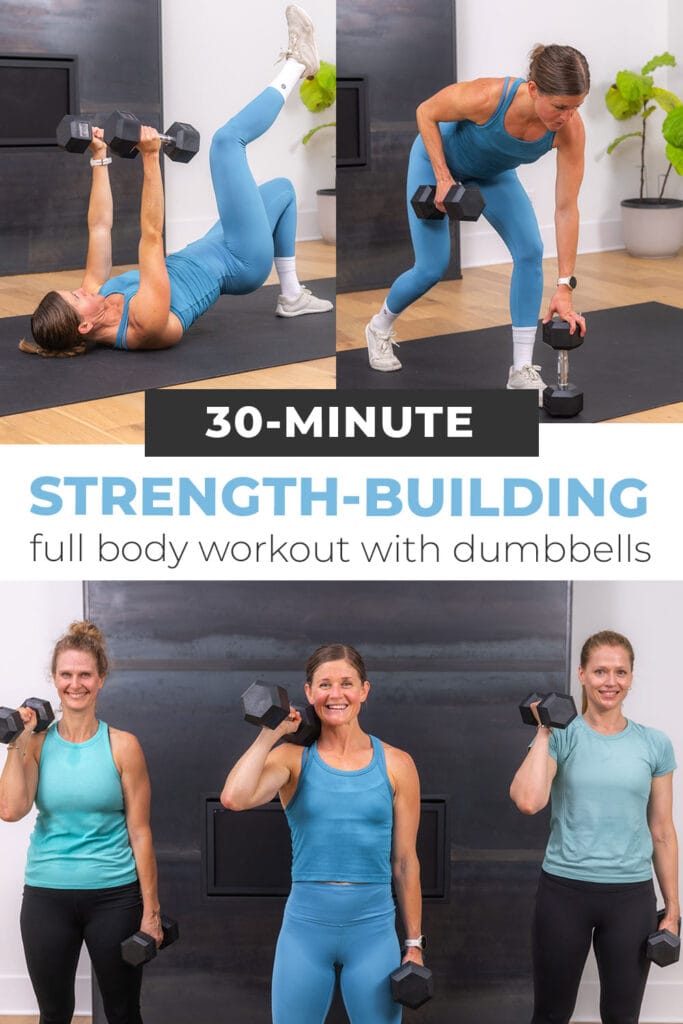
Credit: www.nourishmovelove.com
Key Principles Of Muscle Growth
Building muscle as a woman involves understanding a few essential principles that guide your progress and results. These principles are not just theory—they have been proven by countless women who have transformed their bodies by applying them consistently. If you focus on these key elements, your muscle growth journey will be more effective and sustainable.
Progressive Overload
Muscles grow when they face challenges greater than what they’re used to. You need to gradually increase the weight, reps, or intensity of your workouts to keep making progress.
Start with a manageable weight and add small increments over time. This could mean lifting 2.5 pounds more or doing one extra repetition each week. Have you noticed how sticking with the same routine doesn’t lead to change? That’s because your muscles adapt quickly and stop growing without new challenges.
Muscle Recovery
Growth happens outside the gym when your muscles repair themselves. Rest and proper nutrition are just as important as your workouts.
Sleep at least 7-8 hours a night and fuel your body with enough protein to help rebuild muscle fibers. Overtraining can lead to injury and stall your progress, so listen to your body and give it time to recover.
Consistency And Patience
Muscle building is a slow process, especially for women due to hormonal differences. You won’t see drastic changes overnight, but steady effort pays off.
Stick to your workout plan week after week, even when progress feels slow. Ask yourself: are you being patient enough to let your hard work show results? Remember, every session adds up to stronger, leaner muscles over time.
Effective Strength Training Exercises
Strength training helps build muscle by challenging your muscles to grow. It involves different exercises that target various muscle groups. Choosing the right exercises is key to see results and avoid injury. Effective strength training combines multiple types of movements to work your body efficiently.
Compound Movements
Compound movements involve several joints and muscles at once. These exercises burn more calories and build strength faster. Examples include:
- Squats
- Deadlifts
- Bench presses
- Pull-ups
- Rows
These moves improve coordination and help tone many muscles at the same time. They are great for building overall muscle and strength.
Isolation Exercises
Isolation exercises target one muscle group at a time. They help shape and strengthen specific muscles. Common isolation moves are:
- Bicep curls
- Tricep extensions
- Leg curls
- Calf raises
- Shoulder raises
These exercises are useful to fix muscle imbalances and add detail to your physique.
Bodyweight Training
Bodyweight training uses your own weight as resistance. It requires no equipment and can be done anywhere. Key bodyweight exercises include:
- Push-ups
- Planks
- Lunges
- Squats
- Dips
This training improves strength, balance, and endurance. It is perfect for beginners and those who prefer home workouts.
Designing A Workout Plan
Designing a workout plan tailored to building muscle is crucial for women who want to see real progress. The right plan balances effort, recovery, and variety to keep your muscles challenged and growing. Let’s break down how to structure your workouts for the best results.
Frequency And Duration
How often you work out matters just as much as how long each session lasts. Aim for 3 to 4 strength training sessions per week to give your muscles time to recover and grow. Each session should last around 45 to 60 minutes, focusing on quality over quantity.
You might feel tempted to train every day, but muscles need rest to repair. Think about splitting your workouts by muscle groups—like upper body one day and lower body the next—to keep intensity high without overdoing it.
Balancing Cardio And Strength
Cardio helps your heart and burns calories, but too much can interfere with muscle growth. Instead of long, steady-state cardio sessions, try shorter, high-intensity intervals 2 or 3 times a week. This keeps your metabolism active without exhausting your muscles.
Strength training should be your main focus if muscle building is the goal. Combine it with cardio smartly to avoid burnout. Ask yourself: Is your cardio helping or hindering your muscle gains?
Tracking Progress
Tracking your workouts is key to staying motivated and adjusting your plan. Keep a journal or use an app to log weights, reps, and how you feel after each session. This helps you see patterns and know when it’s time to increase intensity.
Don’t just rely on the scale. Take progress photos, measure your muscles, or note improvements in strength. These signs can be more encouraging and accurate indicators of your muscle growth journey.
Nutrition For Muscle Building
Nutrition plays a key role in building muscle for women. Proper food choices fuel workouts and help muscles recover. Balanced nutrition provides energy, supports muscle growth, and improves strength.
Eating the right amounts of protein, carbohydrates, and fats is essential. Staying hydrated and considering supplements can also aid muscle development. Understanding these nutrition basics helps create a strong foundation for muscle building.
Protein Requirements
Protein is vital for muscle repair and growth. Women should aim for about 1.2 to 2.0 grams of protein per kilogram of body weight daily. Good protein sources include:
- Chicken, turkey, and lean meats
- Fish and seafood
- Eggs and dairy products
- Beans, lentils, and tofu
- Nuts and seeds
Consuming protein evenly throughout the day supports steady muscle recovery.
Carbohydrates And Fats
Carbohydrates provide energy for workouts and daily activities. Choose whole grains, fruits, and vegetables for steady energy release. Fats help hormone production and overall health. Include sources like:
- Avocados and nuts
- Olive oil and fatty fish
- Seeds and natural nut butters
Balancing carbs and fats ensures sustained energy and supports muscle growth.
Hydration And Supplements
Water keeps muscles hydrated and helps prevent cramps. Drink plenty of fluids before, during, and after exercise. Some supplements may support muscle building, such as:
- Whey or plant-based protein powders
- Creatine for strength gains
- Branched-chain amino acids (BCAAs) for recovery
- Multivitamins to fill nutrient gaps
Always consult a healthcare professional before starting supplements.
Overcoming Common Challenges
Building muscle as a woman comes with unique challenges. These obstacles can slow progress and cause frustration. Knowing how to face these issues helps maintain steady growth. Focus on realistic strategies to keep moving forward.
Dealing With Plateaus
Muscle growth can stall at times. This is called a plateau. To overcome it, try these tips:
- Change your workout routine regularly
- Increase the weight or resistance gradually
- Adjust your diet to support muscle repair
- Include rest days to allow recovery
Small changes help your body adapt and grow stronger.
Managing Time And Motivation
Busy schedules often make it hard to stay consistent. Motivation can also dip after a while. Use these ideas to stay on track:
- Set short, clear workout goals
- Schedule exercise like an appointment
- Find a workout partner for support
- Celebrate small wins to boost confidence
Regular effort beats occasional intense sessions.
Preventing Injuries
Injuries slow progress and cause pain. Avoid them by following these steps:
- Warm up properly before workouts
- Use correct form during exercises
- Start with lighter weights and increase slowly
- Listen to your body and rest when needed
Safe training keeps your muscles growing steadily.
Lifestyle Habits For Strength And Tone
Building muscle and toning your body go beyond just lifting weights or eating right. Your daily lifestyle habits play a huge role in how strong and toned you become. Small changes in sleep, stress, and consistency can dramatically impact your results.
Sleep And Recovery
Sleep is where your muscles actually grow. During deep sleep, your body releases growth hormones that repair and build muscle tissue. Skipping on sleep means missing out on this crucial repair time, which can stall your progress.
If you struggle with sleep, try setting a regular bedtime and creating a calm environment. Avoid screens an hour before bed and consider light stretching or meditation to help relax your body. Have you noticed how a good night’s rest makes your workouts feel easier and more effective?
Stress Management
Chronic stress releases cortisol, a hormone that can break down muscle and increase fat storage. Managing stress isn’t just about feeling better mentally—it directly supports your muscle-building goals. Simple activities like walking, journaling, or listening to music can lower your stress levels.
Ask yourself: what small change can you make today to reduce stress? Even five minutes of deep breathing can make a difference. Your muscles and your mind will thank you.
Maintaining Long-term Results
Building muscle is a marathon, not a sprint. Consistency in your lifestyle habits keeps your strength and tone improving over time. Instead of chasing quick fixes, focus on habits you can keep up for months and years.
Track your progress, celebrate small wins, and adjust your routine as your body changes. Have you thought about which habits feel sustainable for you? Finding joy in the process keeps you going far beyond the first few weeks.
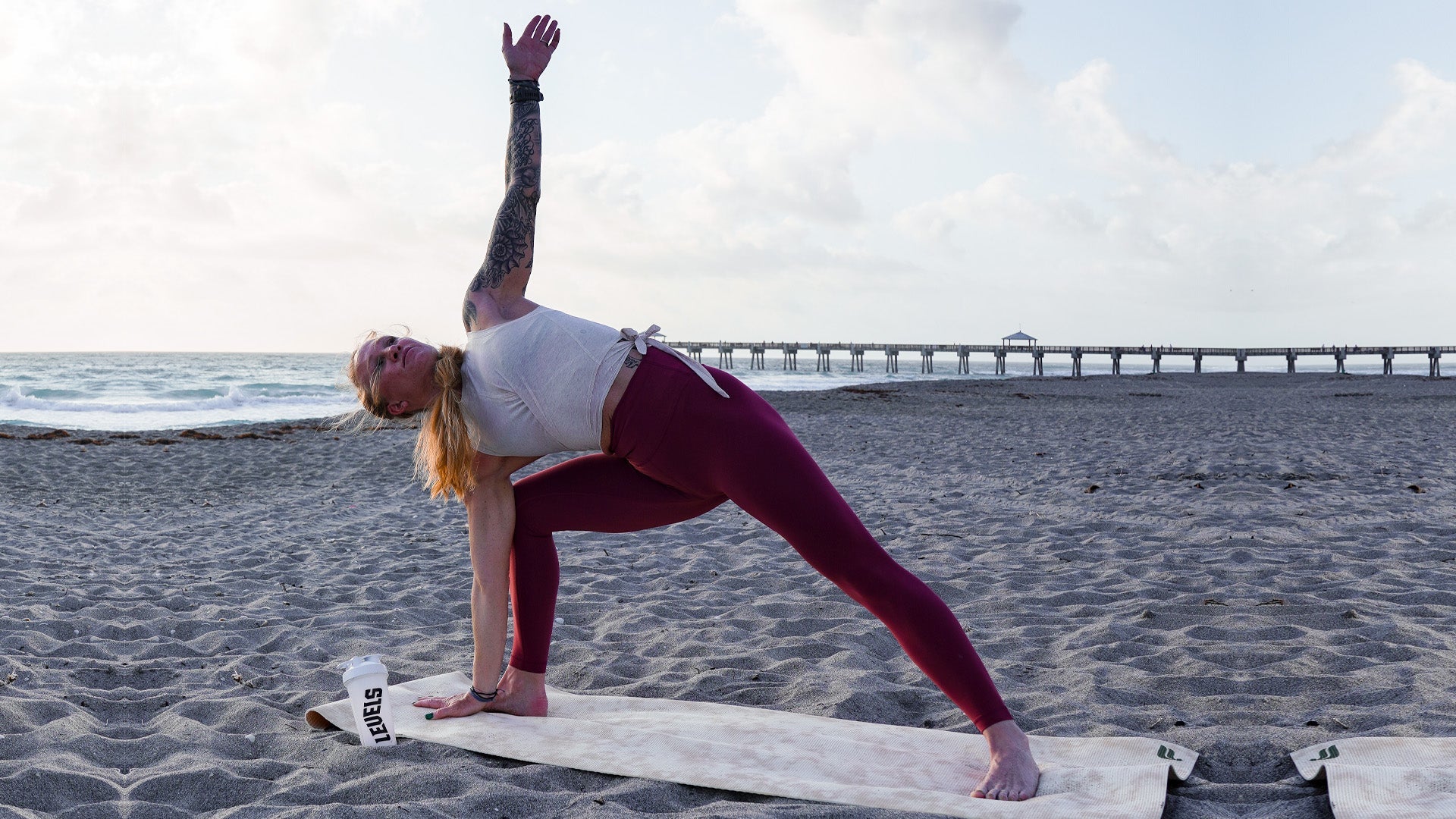
Credit: levelsprotein.com
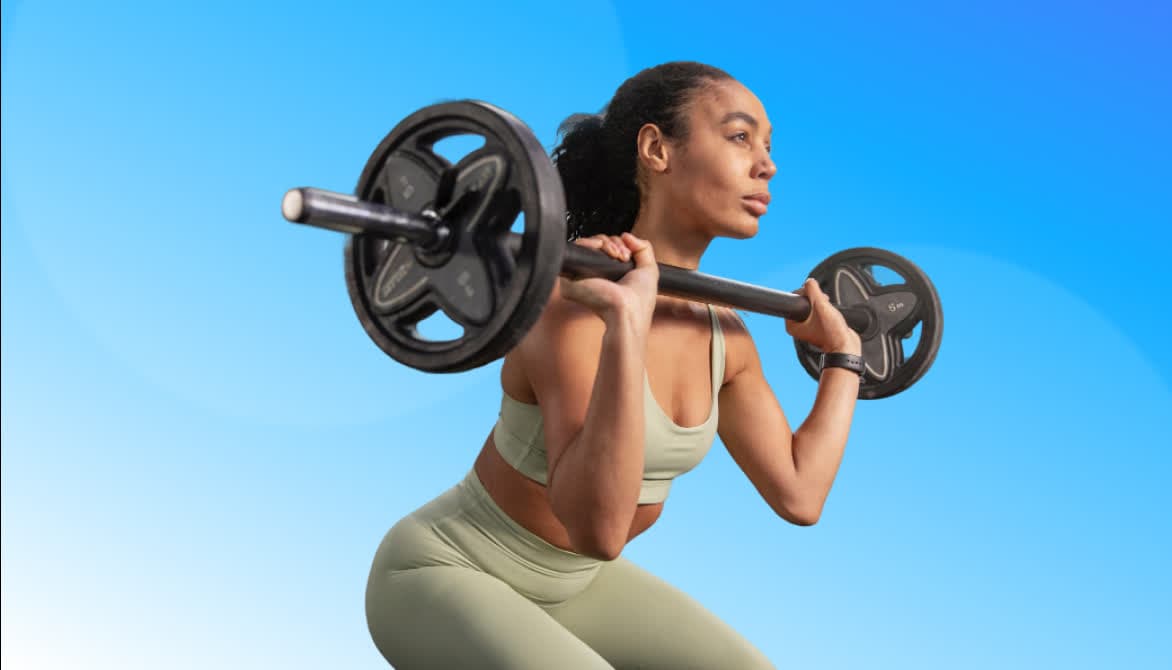
Credit: www.jefit.com
Frequently Asked Questions
What Is The Best Workout For Women To Build Muscle?
Strength training with weights or resistance bands is best. Focus on compound movements like squats, deadlifts, and push-ups. Consistency and progressive overload help maximize muscle growth effectively.
How Often Should Women Train To Build Muscle?
Train 3 to 4 times per week for optimal muscle gain. Allow 48 hours of rest between sessions targeting the same muscle group. This balance supports recovery and muscle growth.
What Diet Supports Muscle Building For Women?
Consume enough protein, healthy fats, and complex carbs. Aim for 1. 2 to 2. 0 grams of protein per kilogram daily. Proper nutrition fuels workouts and aids muscle repair and growth.
Can Women Build Muscle Without Getting Bulky?
Yes, due to hormonal differences, women gain lean muscle, not bulk. Focused training and proper diet shape a toned, strong physique without excessive size.
Conclusion
Building muscle takes time, effort, and patience. Start with simple exercises and increase weight slowly. Eat enough protein to help your muscles grow. Rest is just as important as working out. Stay consistent and track your progress. Small steps every day lead to big changes.
Remember, strength is for everyone. Keep going, and enjoy the journey to a stronger you.







