
Are you curious about whether the Stairmaster can help you build muscle? You’re not alone.
Many fitness enthusiasts wonder if this popular piece of gym equipment can do more than just improve cardiovascular health. If you’re looking to maximize your workout routine and achieve noticeable results, you’re in the right place. We’ll explore how the Stairmaster can contribute to muscle building and what you can do to enhance its benefits.
Get ready to uncover the secrets behind this dynamic machine and learn how it can play a pivotal role in your fitness journey. Keep reading to transform your workout and discover the potential of the Stairmaster!
How Stairmaster Works
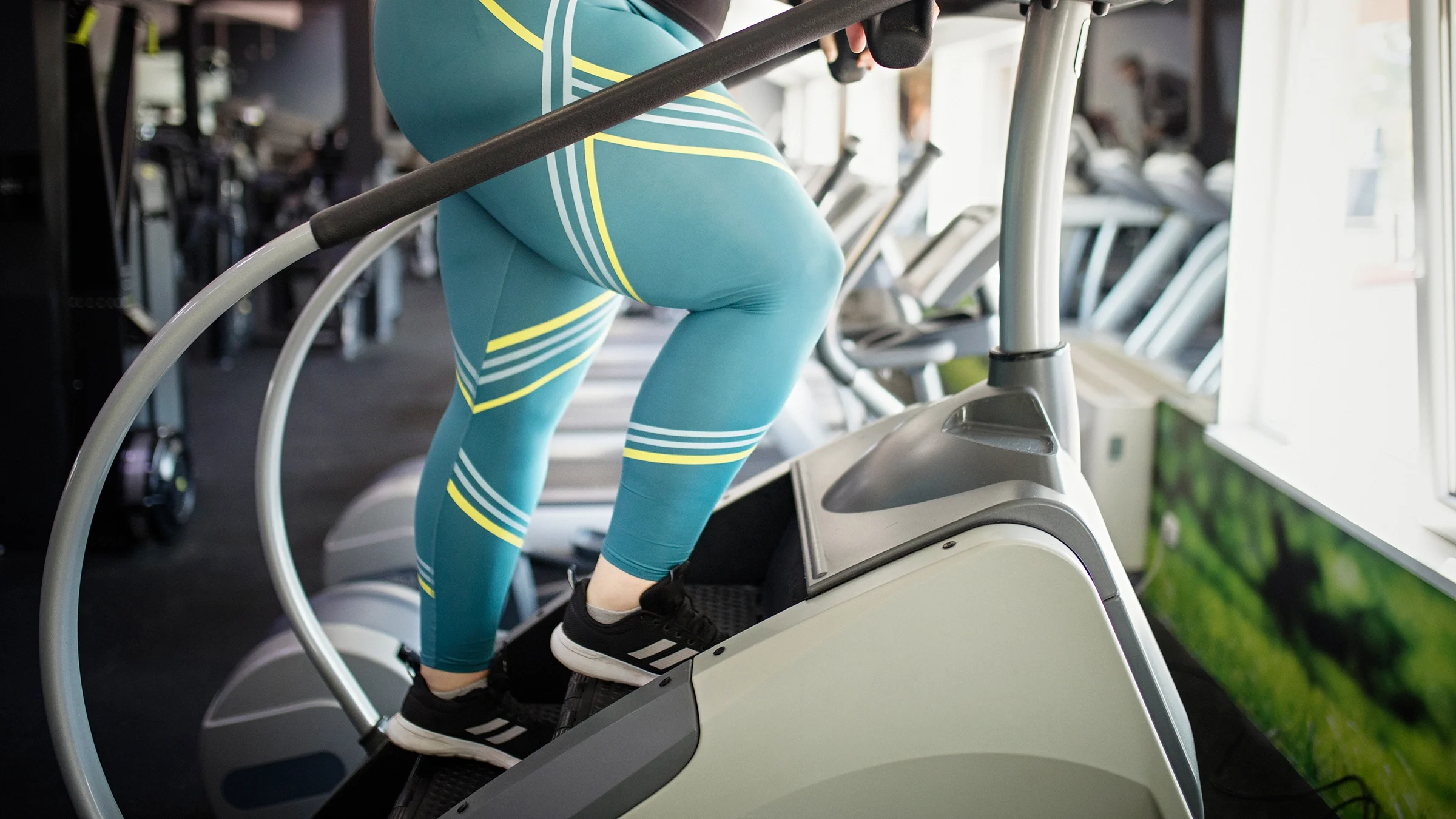
The Stairmaster is a popular exercise machine that simulates climbing stairs. It creates a low-impact workout that raises your heart rate. This machine works by making you step continuously on rotating stairs. The movement mimics climbing real stairs, which engages multiple muscles and improves cardiovascular fitness.
Using the Stairmaster regularly helps burn calories and tones your lower body. The resistance level can be adjusted to make the workout harder or easier. This way, you can control how intense your session is.
Muscle Groups Engaged
The Stairmaster targets many muscles, especially in the legs. The main muscles worked include:
- Quadriceps – front of the thighs
- Hamstrings – back of the thighs
- Glutes – buttocks
- Calves – lower legs
These muscles contract with each step you take. The continuous stepping motion helps strengthen and tone them. Your core muscles also engage to keep balance and posture during the workout.
Cardio Vs Strength
The Stairmaster mainly provides cardiovascular exercise. It raises your heart rate and improves lung capacity. This helps your body use oxygen more efficiently.
While it does build some muscle endurance, it is not ideal for heavy strength training. The machine focuses more on repetitive movements than lifting heavy weights.
To build muscle size and strength, weight training exercises are better. The Stairmaster complements strength training by improving stamina and muscle tone.

Credit: www.roborfitness.com
Muscle Building Potential
The Stairmaster is often praised for its cardio benefits, but how well does it actually build muscle? Understanding its muscle building potential means looking beyond just calorie burn. Let’s examine how this machine impacts key muscle groups and what that means for your strength goals.
Effect On Lower Body
The Stairmaster targets muscles in your lower body, especially the glutes, quadriceps, hamstrings, and calves. These muscles work hard as you push down and lift your feet with each step, simulating climbing stairs.
Unlike heavy weightlifting, the resistance on a Stairmaster is limited to your body weight. This means it’s more effective at toning and endurance rather than significant muscle growth. However, if you’re new to exercise or coming back from a break, it can be a great way to build foundational strength.
Have you noticed your legs feeling stronger or more defined after regular Stairmaster sessions? That’s a sign the muscles are adapting, but for bigger muscle gains, adding weights or strength training is usually necessary.
Impact On Core Strength
Your core muscles engage to maintain balance and posture while using the Stairmaster. The continuous stepping motion forces your abdominal and lower back muscles to stabilize your body.
Although the core work is indirect, it can improve your overall stability and endurance. This can help with daily activities and other workouts that demand a strong core.
Think about how much control you need to avoid leaning on the machine excessively. That effort activates your core more and can gradually build strength over time.
Factors Influencing Muscle Growth
Muscle growth depends on several key factors that work together during your workouts. Simply climbing on a Stairmaster won’t automatically build muscle unless you pay attention to how you train. Understanding these elements helps you tailor your sessions for better results.
Workout Intensity
The effort you put into each session directly affects muscle growth. Are you pushing yourself hard enough to challenge your muscles? Increasing intensity by climbing faster or adding sprints forces your muscles to work harder, which can stimulate growth.
Think about the last time you felt your legs burning on the Stairmaster—that’s a good sign your muscles are being taxed. Without that challenge, your muscles won’t receive the signals they need to grow stronger.
Duration And Frequency
How long and how often you use the Stairmaster also influences your muscle development. Short, intense sessions can be more effective than long, steady climbs for building muscle.
Consistency matters too. Using the machine a couple of times a week with proper recovery lets your muscles repair and grow. Are you balancing your workouts with enough rest?
Resistance Settings
Adjusting the resistance is crucial for muscle growth. Higher resistance forces your muscles to work harder, similar to lifting heavier weights.
If you keep the resistance low, your workout will mostly improve endurance rather than muscle size. Try increasing the resistance gradually and notice how your muscles respond to the extra effort.

Credit: lipsticklifters.com
Comparing Stairmaster To Other Workouts
Comparing the Stairmaster to other workouts helps understand its benefits. Each exercise targets muscles differently and offers unique fitness gains. The Stairmaster focuses on lower body muscles and cardiovascular health. Below, we explore how it stacks up against treadmill running, weight training, and cycling.
Treadmill And Running
Treadmills mainly improve leg endurance and cardiovascular fitness. Running uses fast, repetitive leg movements that build calf and thigh muscles. The Stairmaster adds resistance by making you lift your body weight. This targets glutes and thighs more intensely. Running burns more calories at high speeds but less muscle strength.
Weight Training
Weight training builds muscle through controlled, high-resistance exercises. It targets specific muscle groups using weights or machines. The Stairmaster provides moderate resistance with repetitive motion. It helps tone muscles but does not build as much strength. Weight training is better for muscle growth and shaping.
Cycling
Cycling is low-impact and focuses on leg muscles like quads and calves. It improves endurance and cardiovascular health. The Stairmaster works similar muscles but adds weight-bearing effort. This increases muscle activation and calorie burn. Cycling is gentler on joints, while the Stairmaster stresses muscles more.
Maximizing Muscle Gain On Stairmaster
Maximizing muscle gain on the Stairmaster requires more than just steady climbing. It calls for smart workout choices that push your muscles harder. Targeting muscles in different ways helps build strength and tone faster.
Changing the workout style and intensity creates muscle challenges. This approach helps muscles grow and become more defined over time. The Stairmaster can be a powerful tool for building muscle with the right techniques.
Interval Training
Interval training alternates between high and low effort. This method boosts muscle engagement during intense periods. Short bursts of speed or higher steps activate fast-twitch muscle fibers. Rest or slow pace periods allow recovery without losing muscle activation.
Try intervals like:
- 1 minute fast climbing
- 2 minutes slow pace
- Repeat for 20 minutes
This pattern forces muscles to work harder and adapt. It improves endurance and muscle strength at the same time.
Adding Resistance
Increasing resistance on the Stairmaster challenges muscles more. Higher resistance makes your legs push harder with each step. This added force helps build muscle mass and tone.
Start with a moderate resistance level. Gradually increase it as your strength improves. Keep your pace steady to maintain good form. High resistance at a slow speed still builds muscle effectively.
Combining With Strength Exercises
Pair Stairmaster workouts with strength exercises for better muscle gains. Focus on exercises that target the legs, glutes, and core. Squats, lunges, and step-ups complement Stairmaster climbing well.
A sample routine:
- 15 minutes on Stairmaster
- 3 sets of 12 squats
- 3 sets of 12 lunges
- 3 sets of 15-second planks
This mix helps build muscle faster than cardio alone. It balances endurance and strength training for stronger muscles.
Common Myths About Stairmaster
Many people jump on the Stairmaster expecting quick transformations, but there are common myths that often lead to confusion. Understanding these misconceptions can help you set realistic goals and make the most out of your workouts.
Spot Reduction Misconceptions
You might have heard that climbing stairs can melt fat exactly where you want, like your belly or thighs. The truth is, your body decides where it loses fat, not the exercise you do.
Spot reduction is a myth because fat loss happens throughout your body as a whole. Using the Stairmaster will burn calories and improve cardiovascular health, but it won’t specifically target fat loss in one area.
Instead of focusing on “spot” fat loss, ask yourself: How can I combine cardio with strength training and proper diet to see overall progress?
Muscle Bulk Expectations
Some avoid the Stairmaster fearing it will make their legs bulky like a bodybuilder’s. Stair climbing tones and strengthens muscles but rarely causes huge muscle growth on its own.
This machine mainly works your glutes, quads, and calves, helping them become firmer and more defined. If you want big muscle bulk, heavy weightlifting and specific training are necessary.
Think about what you want: Are you aiming for lean muscle or bulk? Your workout choices should match those goals, not myths.
Benefits Beyond Muscle Building
The Stairmaster offers more than just muscle building. Using it regularly can bring several health benefits that improve your overall fitness and well-being. These advantages make it a valuable addition to your workout routine, even if muscle gain isn’t your primary goal.
Cardiovascular Health
Climbing stairs on a Stairmaster gets your heart rate up quickly, giving your cardiovascular system a solid workout. This constant movement helps strengthen your heart and improves blood circulation. Have you noticed how even a few minutes on the machine can leave you breathing harder? That’s your heart working to get stronger.
Weight Loss Support
The Stairmaster burns calories efficiently, which supports your weight loss efforts. It’s a low-impact exercise, so it challenges your body without putting too much stress on your joints. If you want to shed extra pounds, adding Stairmaster sessions can boost your calorie burn and keep your metabolism active.
Endurance Improvement
Using the Stairmaster regularly helps build your stamina over time. You’ll find yourself able to climb longer or increase your pace without feeling as tired. This endurance boost carries over to everyday activities, making tasks like walking up actual stairs or carrying groceries easier and less exhausting.
Credit: www.goodrx.com
Frequently Asked Questions
Does Stairmaster Help Build Leg Muscles?
Yes, Stairmaster workouts engage and tone leg muscles, especially the quads, hamstrings, and calves. It strengthens lower body muscles effectively.
Can Stairmaster Increase Muscle Endurance?
Absolutely, Stairmaster improves muscle endurance by challenging your legs with continuous resistance. This builds stamina and muscle resilience over time.
How Effective Is Stairmaster For Glute Building?
Stairmaster effectively targets glute muscles through repetitive stepping motions. It helps lift and firm the glutes when done consistently.
Will Stairmaster Alone Build Significant Muscle Mass?
Stairmaster mainly tones and builds endurance but does not create large muscle mass. Combining it with strength training yields better muscle growth.
Conclusion
Stairmaster workouts help tone and strengthen leg muscles. They build endurance and improve cardiovascular health too. Muscle growth happens but is slower than weight training. For bigger muscles, add strength exercises with weights. Consistency and effort matter most for results.
Use the Stairmaster as part of a balanced workout plan. Enjoy the process and stay active every day. Small steps lead to big changes over time.







