
Have you ever wondered if walking can actually help you build muscle mass? You might think walking is just a gentle way to stay active, but there’s more to it than meets the eye.
If you want to know how walking affects your muscles and whether it can help you get stronger, you’re in the right place. Keep reading, and you’ll discover surprising facts that could change the way you look at your daily steps—and your body.
Credit: medium.com
How Walking Affects Muscles
Walking is a simple and natural way to move the body. It affects muscles differently than heavy lifting or sprinting. While it may not build large muscle mass quickly, walking still plays a role in muscle health and endurance. Understanding how walking impacts muscles helps set realistic fitness goals.
Muscle Groups Engaged
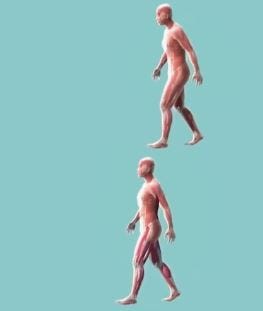
Walking mainly works the lower body muscles. The legs, hips, and glutes do most of the work. These muscles keep you balanced and help push you forward.
- Quadriceps: Front of the thigh, helps with leg extension.
- Hamstrings: Back of the thigh, assists in bending the knee.
- Gluteus Maximus: The buttocks, powers hip movement.
- Calves: Lower leg muscles, aid in pushing off the ground.
- Hip Flexors: Help lift the thigh during each step.
Core muscles also engage slightly to maintain posture and stability. The upper body muscles, like arms and shoulders, move gently but do not gain much strength from walking.
Types Of Muscle Fibers Activated
Walking primarily uses slow-twitch muscle fibers. These fibers are built for endurance and constant activity. They contract slowly and resist fatigue.
Fast-twitch fibers, which grow larger and stronger quickly, activate less during walking. They come into play more during sprinting or heavy lifting.
Slow-twitch fibers help muscles stay toned and improve stamina. Regular walking increases their efficiency, supporting longer activity without tiring.

Credit: www.prevention.com
Walking Vs Strength Training
Walking and strength training both affect your muscles but in very different ways. Walking is a low-impact exercise that mainly helps with endurance and burning calories. Strength training, on the other hand, focuses on building muscle size and power. Understanding their differences helps set clear goals for your fitness routine.
Differences In Muscle Growth
Walking uses your muscles gently and for long periods. It helps improve muscle endurance but does not cause major muscle growth. Strength training creates small tears in muscle fibers. These tears heal and grow bigger muscles over time. So, strength training is more effective for building muscle mass.
Impact On Muscle Tone
Walking can help improve muscle tone by keeping muscles active and firm. It promotes blood flow and helps muscles stay healthy. Strength training shapes muscles more clearly and creates visible definition. It targets specific muscle groups to enhance tone and strength quickly.
Factors Influencing Muscle Gain From Walking
Walking is often seen as a gentle form of exercise, but it can actually contribute to muscle gain depending on several key factors. Your muscles respond differently based on how you walk, where you walk, and how often you take those steps. Understanding these variables can help you turn a simple walk into a more effective muscle-building session.
Walking Speed And Intensity
The speed at which you walk plays a big role in how much muscle you engage. A slow, leisurely pace mainly works your endurance muscles but won’t challenge your muscle fibers enough to build significant mass.
Try increasing your pace to a brisk walk or even power walking. This ups the intensity, forcing your muscles—especially in your legs and glutes—to work harder and grow stronger over time.
Have you noticed how your legs feel after a fast walk compared to a slow stroll? That’s your muscles getting a workout.
Incline And Terrain Effects
Walking uphill or on uneven terrain activates different muscle groups more intensely than flat surfaces. The added resistance from slopes forces your calves, quads, and hamstrings to put in extra effort.
Try a hill walk or a trail with rocks and roots. These conditions make your muscles stabilize and push harder, which promotes muscle growth more effectively than walking on a smooth sidewalk.
Next time you plan a walk, consider varying your route. How might a hill change your muscle challenge today?
Duration And Frequency
Muscle gain requires consistent effort. Walking for just 10 minutes a few times a week may improve fitness but won’t do much for muscle size.
Aiming for longer sessions—at least 30 minutes—and walking most days of the week can stimulate muscle adaptation. Your muscles need regular, repeated stress to grow.
Think about your weekly routine: Could adding a couple more walks help your legs become stronger and more toned?
Incorporating Walking For Muscle Benefits
Walking can do more than just improve your heart health and burn calories. It can also support muscle growth when done the right way. To gain muscle benefits from walking, you need to challenge your muscles and add variety to your routine. Simple walking alone may not build large muscles, but smart adjustments can make a big difference.
Adding Resistance And Weight
Adding resistance during walking boosts muscle engagement. Carrying light dumbbells or wearing ankle weights helps target arm and leg muscles. Walking uphill or on uneven surfaces increases the effort your muscles need to make. Try these options:
- Use wrist or ankle weights for extra load.
- Walk with a weighted backpack to activate core muscles.
- Choose hilly routes to work your calves and thighs harder.
- Use resistance bands around your legs for glute activation.
These changes make your muscles work more, promoting growth and strength over time.
Combining Walking With Other Exercises
Pair walking with strength exercises for better muscle results. Bodyweight moves like squats, lunges, and push-ups complement walking well. Try this simple routine:
- Walk for 10 minutes to warm up.
- Do 15 squats to target your legs.
- Walk another 10 minutes to keep muscles engaged.
- Perform 10 lunges per leg to activate glutes.
- Finish with push-ups or planks for upper body strength.
Switch between walking and strength exercises to build muscle while staying active.
Common Misconceptions About Walking And Muscle
Many people believe walking alone can build significant muscle mass, but this idea often leads to unrealistic expectations. Walking is excellent for cardiovascular health and endurance, but its impact on muscle growth is limited. Let’s clear up some of the common misconceptions you might have heard.
Walking Alone Builds Significant Muscle
Walking engages your leg muscles, especially the calves, hamstrings, and quadriceps, but it doesn’t provide enough resistance to cause substantial muscle growth. Your muscles need more challenge—like lifting weights or sprinting—to grow bigger and stronger.
I once thought daily long walks would tone my legs dramatically. After months, I noticed improved stamina but little muscle change. This showed me that walking alone isn’t enough to build noticeable muscle mass.
Walking Can Replace Weightlifting
Weightlifting applies targeted resistance, which creates tiny muscle tears that your body repairs, making muscles stronger and larger. Walking doesn’t create this level of muscle stress, so it can’t replace strength training if muscle growth is your goal.
If you want to build muscle, you need to push your muscles beyond their usual limits. Walking is great for overall health and fat burning but won’t give you the same muscle-building benefits as lifting weights or resistance exercises.
Have you considered combining walking with strength exercises? That way, you can enjoy the best of both worlds—better endurance and stronger muscles.
Health Benefits Beyond Muscle Mass
Walking does more than just help with muscle tone. It offers a range of health benefits that improve your overall quality of life. These benefits can affect your heart, mind, and energy levels in ways you might not expect.
Cardiovascular Improvements
Regular walking strengthens your heart and improves circulation. It helps lower blood pressure and reduces the risk of heart disease. Even a daily 30-minute walk can boost your heart’s efficiency and keep blood vessels flexible.
Think about how your energy feels after a brisk walk. You might notice your breathing becomes easier over time. This shows your cardiovascular system is adapting and becoming stronger.
Mental Well-being
Walking can clear your mind and reduce stress. It releases endorphins, which improve your mood and combat feelings of anxiety. Many people find that a walk outside helps them think more clearly and feel calmer.
Have you ever tried walking when stuck on a problem? Moving your body can spark new ideas and improve focus. This simple activity can be a powerful tool for mental health, beyond just physical fitness.
:max_bytes(150000):strip_icc()/GettyImages-1380400691-d335a446b035414fb0ee9b16ff9927a2.jpg)
Credit: www.verywellhealth.com
Frequently Asked Questions
Does Walking Help Increase Muscle Size?
Walking primarily tones muscles but does not significantly increase muscle size. It improves endurance and strength in leg muscles but is not enough for major muscle growth.
Can Walking Alone Build Noticeable Muscle Mass?
No, walking alone rarely builds noticeable muscle mass. It mainly enhances muscle endurance and cardiovascular health. Strength training is needed for visible muscle growth.
How Does Walking Affect Muscle Strength?
Walking improves muscle strength by activating leg and core muscles. It increases endurance and supports joint health but has limited impact on muscle bulk.
Is Brisk Walking Effective For Muscle Building?
Brisk walking boosts muscle tone and cardiovascular fitness but is insufficient for substantial muscle building. Combining it with resistance training yields better muscle growth results.
Conclusion
Walking can indeed help build some muscle mass. Especially in the legs and glutes. It’s an accessible form of exercise. Suitable for many fitness levels. Consistent walking strengthens muscles and improves endurance. Pair walking with strength training. This enhances muscle growth further.
Remember to maintain a balanced diet. Nutrition plays a key role in muscle building. Walking offers a simple way to stay active. It’s a great starting point for fitness journeys. Keep moving to see gradual improvements. Enjoy the benefits of walking for both mind and body.







