
Are you ready to take your muscle-building goals to the next level? If you’ve been hitting the gym consistently but not seeing the gains you desire, it might be time to look at what you’re fueling your body with.
Enter the world of macros—those essential nutrients that can make or break your fitness journey. Understanding macros for muscle building isn’t just about counting calories; it’s about optimizing your nutrition to amplify results. Imagine seeing your hard work in the gym reflected in your physique, faster than you thought possible.
Curious about how tweaking your protein, carbs, and fats can unlock your muscle-building potential? Read on, because this guide will transform the way you approach your diet—and your workouts.
Credit: medium.com
Role Of Macros In Muscle Growth
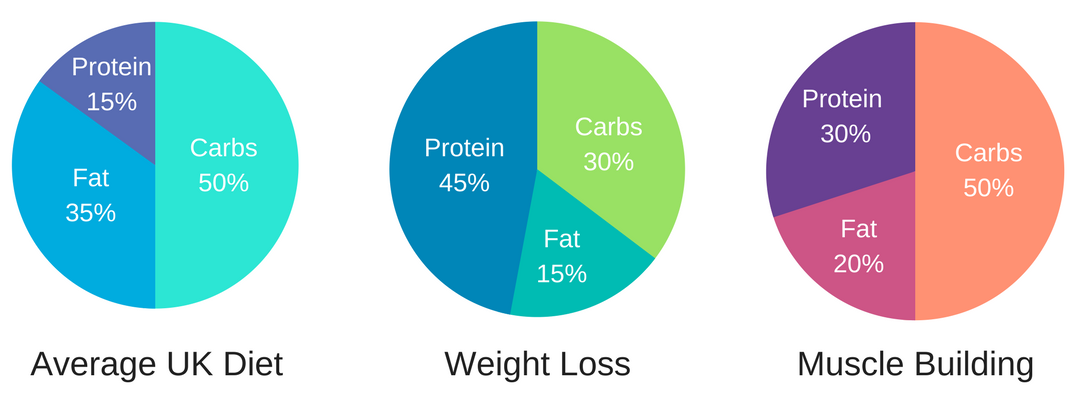
Macros play a vital role in muscle growth. They provide the building blocks and energy needed for muscle repair and development. Understanding how protein, carbohydrates, and fats contribute helps optimize muscle gains. Each macro has a unique function that supports your workout and recovery.
Protein’s Impact On Muscle Repair
Protein is essential for muscle repair. It supplies amino acids that rebuild muscle fibers after exercise. Eating enough protein helps reduce muscle soreness and speeds recovery. Protein also supports muscle growth by stimulating protein synthesis. Sources like chicken, fish, eggs, and beans provide quality protein.
Carbohydrates For Energy And Recovery
Carbohydrates are the main energy source during workouts. They fuel your muscles and keep performance high. After exercise, carbs replenish glycogen stores in muscles. This helps reduce fatigue and prepares muscles for the next session. Choose whole grains, fruits, and vegetables for steady energy.
Fats And Hormone Production
Fats support hormone production, including testosterone. Hormones play a key role in muscle growth and repair. Healthy fats also protect organs and help absorb vitamins. Sources like nuts, seeds, avocados, and olive oil provide beneficial fats. Balancing fat intake supports overall muscle health.
Credit: revivelifestylefitness.com
Setting Macro Targets
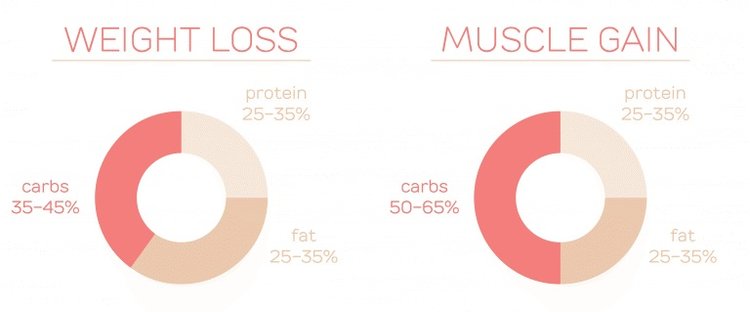
Setting macro targets is a key step in building muscle effectively. You need the right balance of protein, carbs, and fats to fuel workouts and recovery. Without clear targets, your progress can stall or even reverse.
Calculating Caloric Needs
Your body requires a certain number of calories to build muscle. Start by estimating your Total Daily Energy Expenditure (TDEE), which includes your basal metabolic rate plus activity level.
If you want to gain muscle, add 10-20% more calories to your TDEE. Too many extra calories can lead to fat gain, so find a number that lets you gain steadily without excess fat.
- Use online calculators for TDEE as a starting point.
- Track your weight and adjust calories if you’re not gaining muscle.
- Remember, consistency matters more than perfection.
Determining Protein Intake
Protein is the building block of muscle, so getting enough is crucial. Aim for about 1.0 to 1.2 grams of protein per pound of body weight daily.
For example, if you weigh 160 pounds, target 160 to 192 grams of protein each day. Spread it evenly across meals to keep muscle repair active throughout the day.
Consider lean sources like chicken, fish, eggs, and plant-based proteins. If you struggle to meet protein goals, a quality protein powder can help fill gaps.
Balancing Carbs And Fats
Carbs fuel your workouts and help with recovery, while fats support hormone production and overall health. After setting protein, divide the remaining calories between carbs and fats based on your preferences and energy needs.
If you do intense training, lean toward more carbs to keep energy high. For example, 40-50% of your total calories from carbs can work well.
Fats should make up at least 20-30% of your calories. Sources like nuts, olive oil, and avocados provide healthy fats that support muscle growth.
Ask yourself: How do you feel during workouts with different carb and fat ratios? Adjust your macros based on your energy, recovery, and results.
Macro Timing For Gains
Timing your macros can boost muscle growth and recovery. Eating the right nutrients at specific times fuels workouts and repairs muscles faster. This strategy helps maximize gains and improve workout results.
Pre-workout Nutrition
Eat a balanced meal 1-2 hours before training. Focus on carbs for energy and some protein for muscle support. Avoid heavy fats that slow digestion. Good options include:
- Oats with banana and yogurt
- Whole grain toast with peanut butter
- Chicken and rice
Proper fuel improves strength and delays fatigue during workouts.
Post-workout Recovery Meals
Consume protein and carbs within 30 to 60 minutes after exercise. Protein helps repair damaged muscles. Carbs restore energy and replenish glycogen stores. Examples of good post-workout meals:
- Grilled chicken with sweet potatoes
- Protein shake with fruit
- Egg whites with whole grain bread
This meal timing supports faster muscle recovery and growth.
Meal Frequency And Muscle Synthesis
Eating every 3-4 hours keeps muscles nourished. Regular meals maintain energy and support muscle protein synthesis. Each meal should include a source of protein and carbs. Benefits include:
- Steady muscle repair
- Reduced muscle breakdown
- Improved workout performance
Consistent feeding helps your body stay in a muscle-building state.
Tracking And Adjusting Macros
Tracking and adjusting your macros is crucial for consistent muscle growth. It’s not just about hitting numbers; it’s about understanding how your body reacts and making changes that keep your progress moving forward. This process requires tools, attention, and sometimes a bit of trial and error.
Using Apps And Tools
Apps like MyFitnessPal, Cronometer, and Carb Manager make tracking macros straightforward. They allow you to log meals, scan barcodes, and view your daily breakdown of proteins, carbs, and fats instantly.
These tools also help spot trends over weeks, showing whether you’re consistently meeting your targets or falling short. Have you tried using an app to see how your eating habits line up with your muscle-building goals?
Listening To Your Body
Numbers don’t tell the whole story. Pay attention to how you feel after meals and workouts. Are you energized or sluggish? Are you recovering well or feeling drained?
Sometimes, you might need to tweak your macros based on hunger levels or energy. If you find yourself constantly hungry despite hitting your protein goal, it may be time to adjust your carb or fat intake. How often do you check in with your body instead of just your tracking app?
Adjusting For Plateaus
Hitting a plateau in muscle growth can be frustrating. If your progress stalls, it’s a sign to revisit your macros. You might need to increase your protein to support muscle repair or adjust carbs to fuel intense workouts better.
Consider small changes like adding 10-20 grams of protein or carbs and monitor how your body responds over two weeks. Remember, muscle building is a dynamic process, so staying flexible with your macros is key. What small tweak could you make today to break through your plateau?
Common Macro Mistakes
Tracking macros is a powerful tool for muscle building, but it’s easy to slip into common mistakes that hold you back. Many focus too much on protein and neglect other crucial nutrients. Understanding these pitfalls can help you fine-tune your diet for better gains.
Ignoring Fat Intake
Fat often gets a bad rap, but it plays a vital role in hormone production and overall health. Skipping healthy fats can leave you feeling low on energy and stall muscle growth.
Try adding sources like avocados, nuts, and olive oil to your meals. How much fat should you eat? Around 20-30% of your daily calories is a good range to support muscle building without excess.
Overemphasizing Protein
Protein is essential, but more isn’t always better. Eating too much protein can crowd out carbs and fats, which your body also needs to fuel workouts and recovery.
Balance is key. Aim for about 1.0-1.2 grams of protein per pound of body weight and focus on spreading intake evenly throughout the day. Have you noticed any energy drops when you focus only on protein?
Neglecting Carb Quality
Carbs are your body’s main energy source, but not all carbs are equal. Eating mostly processed or sugary carbs can lead to energy crashes and poor workout performance.
Choose complex carbs like sweet potatoes, brown rice, and oats instead. These provide steady energy and support muscle recovery. What’s your go-to carb source that keeps you fueled?
Sample Meal Plans
Sample meal plans help simplify muscle building nutrition. They show how to balance macros for best results. Proper meals support muscle growth and recovery. Each plan targets key nutrients: protein, carbs, and fats.
Following structured meals boosts energy and aids muscle repair. It also ensures you get enough calories without guesswork. Here are some meal ideas to build muscles effectively.
High-protein Options
- Grilled chicken breast with steamed broccoli
- Scrambled eggs with spinach and whole wheat toast
- Greek yogurt mixed with berries and a handful of nuts
- Lean turkey slices with quinoa and green beans
- Protein shake with almond milk and a banana
Balanced Carb Meals
- Brown rice with black beans and roasted vegetables
- Sweet potato with grilled salmon and asparagus
- Whole grain pasta with tomato sauce and lean ground beef
- Oatmeal topped with sliced apple and cinnamon
- Quinoa salad with chickpeas, cucumber, and cherry tomatoes
Healthy Fat Sources
- Avocado slices on whole grain toast
- Handful of mixed nuts and seeds
- Olive oil drizzle over steamed vegetables
- Fatty fish like salmon or mackerel
- Chia seeds added to smoothies or yogurt
Supplements And Macros
Supplements can be a powerful tool to help you meet your macro goals for muscle building. They are not a replacement for whole foods but can fill gaps in your diet and boost your progress. Understanding how supplements fit into your macro strategy can make your muscle-building journey more efficient.
Protein Powders
Protein powders are a quick and convenient way to increase your protein intake. They help you hit your daily macro target without having to cook or prepare complicated meals. Whey protein is popular because it’s fast-digesting, but plant-based options like pea or rice protein work well if you’re vegan or lactose intolerant.
Think about times when you couldn’t get a full meal after a workout—protein powders helped me recover faster and kept muscle soreness at bay. Are you tracking your protein intake closely enough to see gains?
Creatine And Performance
Creatine isn’t a protein, but it complements your macros by boosting strength and workout performance. This means you can lift heavier and train harder, which ultimately leads to more muscle growth. It’s one of the most researched supplements with a strong safety profile.
Adding 3-5 grams of creatine daily can help your muscles store more energy for intense workouts. Have you noticed a plateau in your strength gains? Creatine might be the missing piece.
Fatty Acids And Recovery
Healthy fats, especially omega-3 fatty acids, support muscle recovery and reduce inflammation. They also play a role in hormone production, which is vital for muscle growth. Fish oil supplements are a simple way to add these fats if your diet lacks fatty fish.
Including omega-3s helped me bounce back quicker from tough training sessions. Are your fats helping or hindering your recovery?

Credit: www.performancelab.com
Frequently Asked Questions
What Are Macros In Muscle Building?
Macros are macronutrients: protein, carbohydrates, and fats. They provide energy and support muscle growth and repair. Tracking macros helps optimize muscle building results by balancing nutrient intake.
How Many Macros Should I Eat To Build Muscle?
Aim for 30% protein, 40% carbohydrates, and 30% fats. Adjust based on activity, body type, and goals. Protein supports muscle repair, carbs fuel workouts, and fats aid hormone production.
Can I Build Muscle Without Counting Macros?
Yes, but counting macros improves precision and results. It ensures you consume enough protein and calories to support muscle growth. Tracking macros helps avoid overeating or under-eating.
Which Macro Is Most Important For Muscle Growth?
Protein is the most crucial macro for muscle growth. It repairs and builds muscle fibers after workouts. Aim for 1. 6 to 2. 2 grams of protein per kg of body weight daily.
Conclusion
Tracking macros helps build muscle by giving your body needed fuel. Protein supports muscle repair and growth. Carbs provide energy for workouts. Healthy fats keep hormones balanced. Adjust macros based on your goals and progress. Consistency matters more than perfection.
Pay attention to how your body feels. Stay patient; muscle building takes time. Small changes lead to big results. Keep learning and stay motivated on your fitness journey.







