
Have you ever finished a workout feeling fantastic, only to wonder the next day why you aren’t sore? It’s a common question: “If I’m not sore, am I still building muscle?”
You might worry that without that familiar ache, your hard work isn’t paying off. But here’s the thing – muscle soreness isn’t the only indicator of progress. In fact, there’s more to muscle growth than just feeling sore. Curious to find out what really matters?
Stick around, because we’re diving into the science behind muscle building and why soreness isn’t the sole sign of success. Discover how to truly measure your progress and ensure your efforts at the gym are leading to the results you want. Ready to unlock the truth? Let’s get started!
Muscle Soreness And Growth
Muscle soreness often follows a tough workout. Many wonder if soreness means muscles grow. Understanding muscle soreness and growth helps clear up this question. Muscle soreness is just one sign of muscle change. Growth can happen even without soreness. Learning what causes soreness and how muscles repair is key.
What Causes Muscle Soreness
Muscle soreness happens after unusual or intense exercise. Tiny tears form in muscle fibers. This damage causes inflammation and pain. The soreness is called delayed onset muscle soreness (DOMS). It usually starts 12 to 24 hours after exercise. The pain peaks at about 48 hours. Movements may feel stiff or tender. Soreness shows muscles are healing and adapting.
Role Of Soreness In Muscle Repair
Soreness signals the body is fixing muscle damage. Repair starts by removing damaged cells. Then new muscle fibers grow stronger and thicker. This process is called muscle hypertrophy. Soreness means the repair process is active. But no soreness does not mean no repair. Muscles can grow without pain. Recovery, nutrition, and rest also affect growth. Muscle soreness is not the only growth indicator.
Myths About Muscle Soreness
Muscle soreness often gets a bad rap as the ultimate sign of a good workout. Many believe that without that aching feeling, their muscles aren’t growing or getting stronger. But this idea is more myth than fact, and understanding the truth can change how you approach your training and recovery.
Soreness As The Only Indicator
Feeling sore after exercise doesn’t automatically mean you’re building muscle. Muscle soreness, or delayed onset muscle soreness (DOMS), is simply your body’s reaction to unfamiliar or intense physical stress.
You can have effective workouts without intense soreness. For example, once your body adapts to a routine, soreness often fades even though muscle growth continues. So, why let soreness be the sole judge of your progress?
Common Misconceptions
One big misconception is that no soreness equals no gain. This is far from true. You might not feel sore because your muscles have become more efficient at handling the stress.
Another myth is that soreness means you’ve done too much damage. Actually, excessive soreness can sometimes signal overtraining or injury risk. Instead of chasing soreness, focus on consistent effort, proper form, and gradual progression.
Next time you finish a workout without soreness, ask yourself: Did I challenge my muscles in a way that promotes growth? If yes, then your muscles are still building, even if you don’t feel sore tomorrow.
Signs Of Muscle Growth Without Soreness
Muscle soreness is often seen as a sign of a good workout, but not feeling sore doesn’t mean your muscles aren’t growing. Many people assume that if they aren’t sore, they aren’t making progress. However, muscle growth can happen quietly without the aches, and recognizing the true signs can keep you motivated and on track.
Progressive Overload
Are you lifting heavier weights or doing more reps than before? That’s a clear sign your muscles are adapting and growing stronger. Progressive overload challenges your muscles beyond their usual limits, which stimulates growth even if you don’t feel sore afterward.
Think about the times you pushed yourself just a bit more than last week. Even if you walked away feeling fine, your muscles were working to get stronger. Tracking your progress in a workout journal can help you see these improvements clearly.
Strength Improvements
Notice if you can lift heavier weights or perform more sets without struggling. Strength gains are a powerful indicator that your muscles are growing. You don’t need soreness to prove your progress—lifting more weight with better form shows real muscle development.
Ask yourself: Are you handling exercises that were tough before more easily now? That’s your body building muscle fibers and improving coordination. Strength improvements also boost your confidence and encourage consistent training.
Visual Changes
Sometimes the mirror is your best feedback. Look for changes in muscle shape, size, or definition over time. Even subtle shifts like a fuller bicep or tighter waistline point to muscle growth, regardless of how you feel after workouts.
Taking progress photos regularly can help you notice these changes that might be hard to see day-to-day. Have you checked your physique in different lighting or angles? Visual evidence of your hard work can be more motivating than soreness ever was.

Credit: www.youtube.com
Factors Affecting Muscle Soreness
Muscle soreness often feels like a badge of honor after a tough workout, but it’s not the only sign your muscles are growing. Several factors influence how sore you feel, and understanding them can help you track your progress better. Let’s look at what affects muscle soreness and why it doesn’t always mean you’re not building muscle.
Training Experience
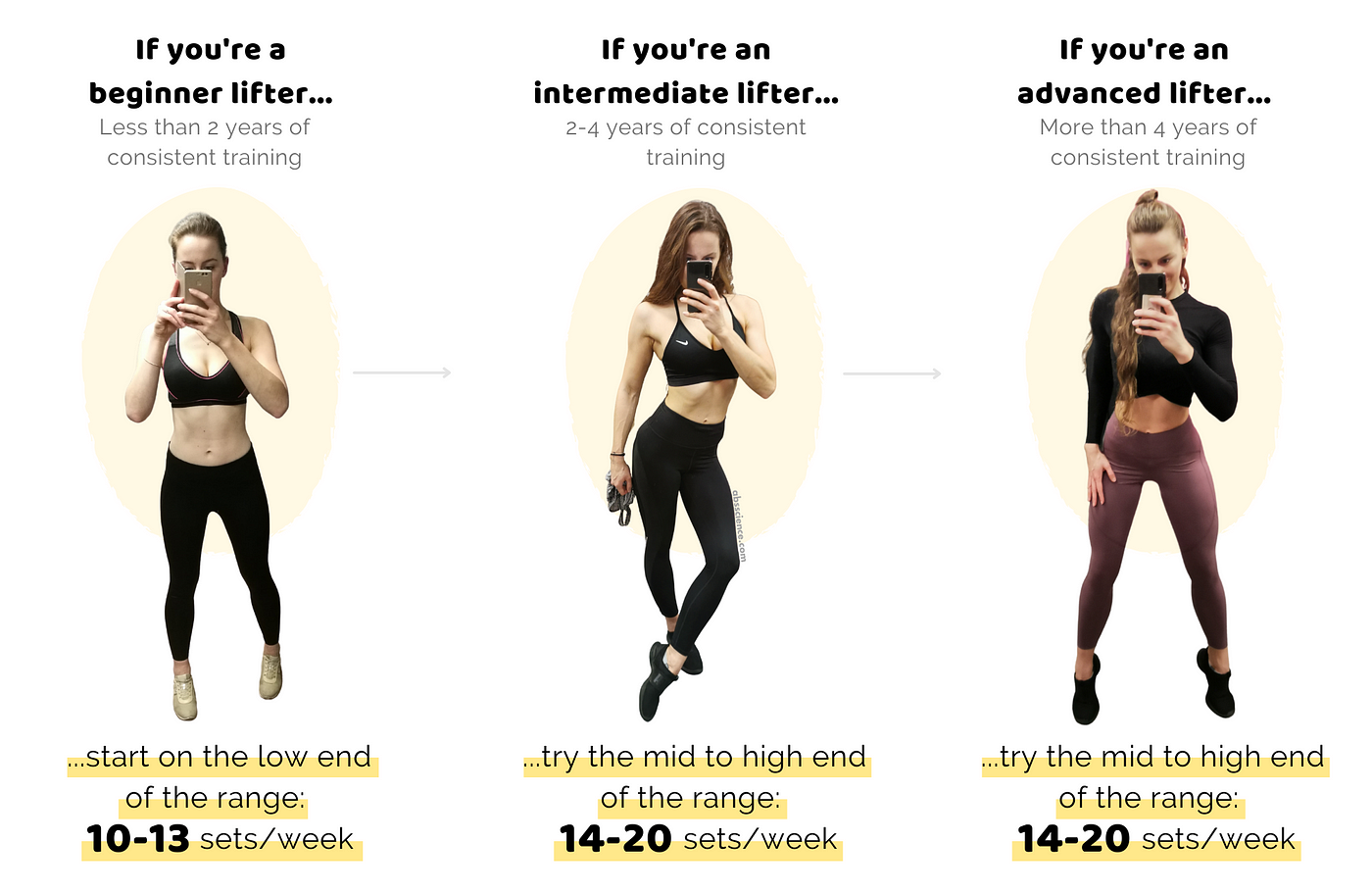
If you’re new to exercise, your muscles will likely feel sore after almost every session. This soreness comes from your muscles adapting to new stresses. But as you gain experience, your body gets used to the movements, and the soreness usually lessens.
Think about your own workouts. Did you notice that the soreness is sharper when you try a new routine or increase weights? That’s your muscles reacting to unfamiliar strain, not necessarily a sign that your gains have stopped.
Workout Intensity And Volume
How hard and how much you train directly impacts soreness. High intensity and large volume workouts cause more muscle damage, which often leads to soreness. But if you consistently train at the same level, your body adapts, reducing soreness even though muscle growth continues.
Have you ever pushed yourself hard one day and felt sore, then did a similar workout the next week without soreness? That means your muscles are recovering faster and becoming stronger, not that you’re not making progress.
Recovery And Nutrition
How well you recover plays a huge role in soreness. Proper sleep, hydration, and a balanced diet rich in protein help repair muscles faster, reducing soreness. Poor recovery, on the other hand, can increase soreness and hinder muscle growth.
Ask yourself: Are you giving your body the tools it needs to rebuild? Even if you don’t feel sore, good nutrition and rest ensure your muscles are repairing and growing after every workout.
Optimizing Muscle Growth
Optimizing muscle growth requires more than just pushing through pain or soreness. Many wonder if the absence of soreness means their muscles aren’t growing. The truth is, muscle growth depends on several factors beyond how your body feels after a workout.
Effective Training Strategies
Your muscles grow when you challenge them with the right kind of stress. Focus on progressive overload—gradually increasing weight, reps, or intensity over time.
Mix different training styles like strength training, hypertrophy work, and even some endurance sets. Variety keeps your muscles adapting and prevents plateaus.
Don’t forget form. Proper technique ensures you’re targeting the right muscles and avoiding injury.
Importance Of Recovery
Muscle soreness is not the only sign of progress; recovery plays a huge role in muscle growth. Your muscles need time to repair and rebuild stronger after workouts.
Sleep quality, nutrition, and rest days are your best allies here. Without proper recovery, your muscles won’t grow regardless of how hard you train.
Ask yourself: Are you giving your body enough time and fuel to heal? Overtraining can stall gains just as much as undertraining.
Monitoring Progress
Tracking your progress helps you understand if your training is effective. Use simple tools like workout logs, photos, or measurements.
Notice changes in strength, endurance, and muscle size rather than relying solely on soreness. Sometimes, muscles adapt and stop feeling sore but still grow.
Are you celebrating small wins like lifting heavier or completing more reps? These signs are better indicators of progress than how sore you feel the next day.

Credit: www.stephgaudreau.com
Credit: medium.com
Frequently Asked Questions
Does Muscle Soreness Mean Muscle Growth?
Muscle soreness often signals muscle repair, but it’s not the only sign of growth. You can build muscle without soreness. Consistent training, proper nutrition, and recovery contribute more to muscle growth than just soreness alone.
Can I Build Muscle Without Feeling Sore?
Yes, muscle growth can occur without soreness. Your muscles adapt over time, reducing soreness. Focus on progressive overload and balanced workouts. Soreness isn’t a reliable indicator of effective muscle building.
How Important Is Muscle Soreness For Progress?
Muscle soreness is not essential for progress. It may indicate muscle stress but isn’t a must for gains. Consistent workouts, proper rest, and nutrition are more critical for building muscle effectively.
What Causes Muscle Soreness After Workouts?
Muscle soreness is caused by microscopic muscle fiber damage during exercise. This triggers inflammation and repair, leading to soreness. It’s common with new or intense workouts but fades as muscles adapt.
Conclusion
Muscle growth does not always cause soreness. Feeling sore means your muscles worked hard, but no soreness doesn’t mean no progress. Your body adapts over time and soreness can lessen. Focus on consistent workouts and good nutrition instead. Rest and recovery also help muscles grow strong.
Track your strength and how your body feels overall. Keep challenging yourself with proper exercises. Progress shows in strength, size, and endurance, not just soreness. Stay patient and trust the process for steady muscle gains.







