
Are you looking to pack on muscle and get stronger? You might be surprised to learn that carbs are your secret weapon.
Yes, carbohydrates, often misunderstood and unfairly labeled as the enemy, can actually help you achieve those muscle-building goals. Imagine fueling your workouts with the right kind of energy, boosting your performance, and watching your muscles grow. Sounds intriguing, right? This article will reveal how carbs can be your best ally in building muscle, and why your diet might need a little more of them.
Get ready to transform the way you think about carbs and muscle growth. Keep reading to find out how you can harness the power of carbs for your fitness journey.

Credit: www.youtube.com
Role Of Carbs In Muscle Growth
Carbohydrates play a crucial role in muscle growth beyond just being a fuel source. They affect how your body performs during workouts, how well your muscles recover, and even how protein works to build muscle. Understanding these roles can help you optimize your diet and see better results in your muscle-building journey.
Energy Source For Workouts
Your muscles rely heavily on carbohydrates for energy during exercise. Carbs break down into glucose, which fuels your workouts and keeps your energy levels high. Without enough carbs, you might feel weak or tire out faster, limiting the intensity and duration of your training.
I once cut carbs drastically before a training session and noticed my lifts dropped significantly. That experience taught me how vital carbs are to keep power and stamina up while pushing your limits.
Carbs And Protein Synergy
Eating carbs alongside protein can boost muscle growth more than protein alone. Carbs trigger insulin release, a hormone that helps shuttle amino acids from protein into muscle cells. This process enhances muscle repair and growth after workouts.
Try combining carbs like sweet potatoes or rice with your protein sources post-workout. This simple pairing can maximize how your muscles absorb nutrients and recover faster.
Impact On Recovery
Carbs help replenish glycogen stores that get depleted during exercise. Glycogen is the stored form of glucose your muscles use for energy. Restoring these stores quickly is essential to reduce fatigue and prepare your body for the next workout.
If you skip carbs after training, recovery slows down, and muscle soreness can increase. Including carbs in your post-workout meal can speed up this process and keep you ready for consistent progress.
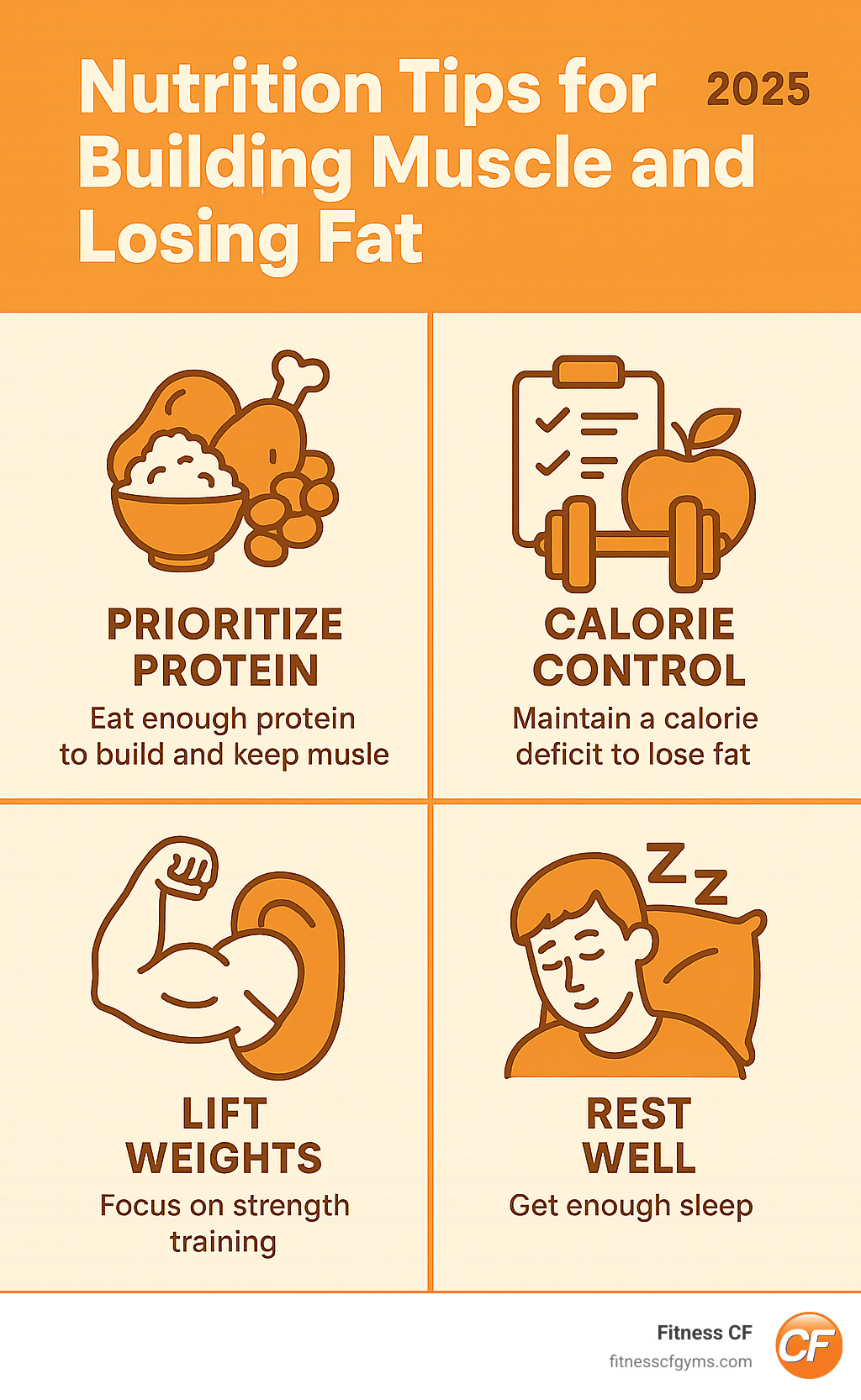
Credit: fitnesscfgyms.com
Types Of Carbohydrates
Carbohydrates play a key role in muscle building. They provide energy for workouts and help in recovery. Not all carbs are the same. Understanding the types helps you choose the right ones for muscle growth.
Simple Vs Complex Carbs
Simple carbs digest quickly and give fast energy. They come from sugar and fruit. Complex carbs digest slowly and provide steady energy. They come from grains, vegetables, and legumes.
Simple carbs help after workouts to refill energy fast. Complex carbs support long-term energy and keep you full.
Glycemic Index And Muscle Gain
The glycemic index (GI) ranks carbs by how fast they raise blood sugar. High GI carbs raise sugar quickly. Low GI carbs raise sugar slowly.
High GI carbs are good after exercise. They help muscles recover faster. Low GI carbs are better before workouts for steady energy.
Best Carb Sources For Muscle Building
- Oats – slow digesting and full of fiber
- Sweet potatoes – rich in vitamins and complex carbs
- Brown rice – steady energy and easy to cook
- Bananas – quick energy and potassium
- Whole grain bread – complex carbs and fiber
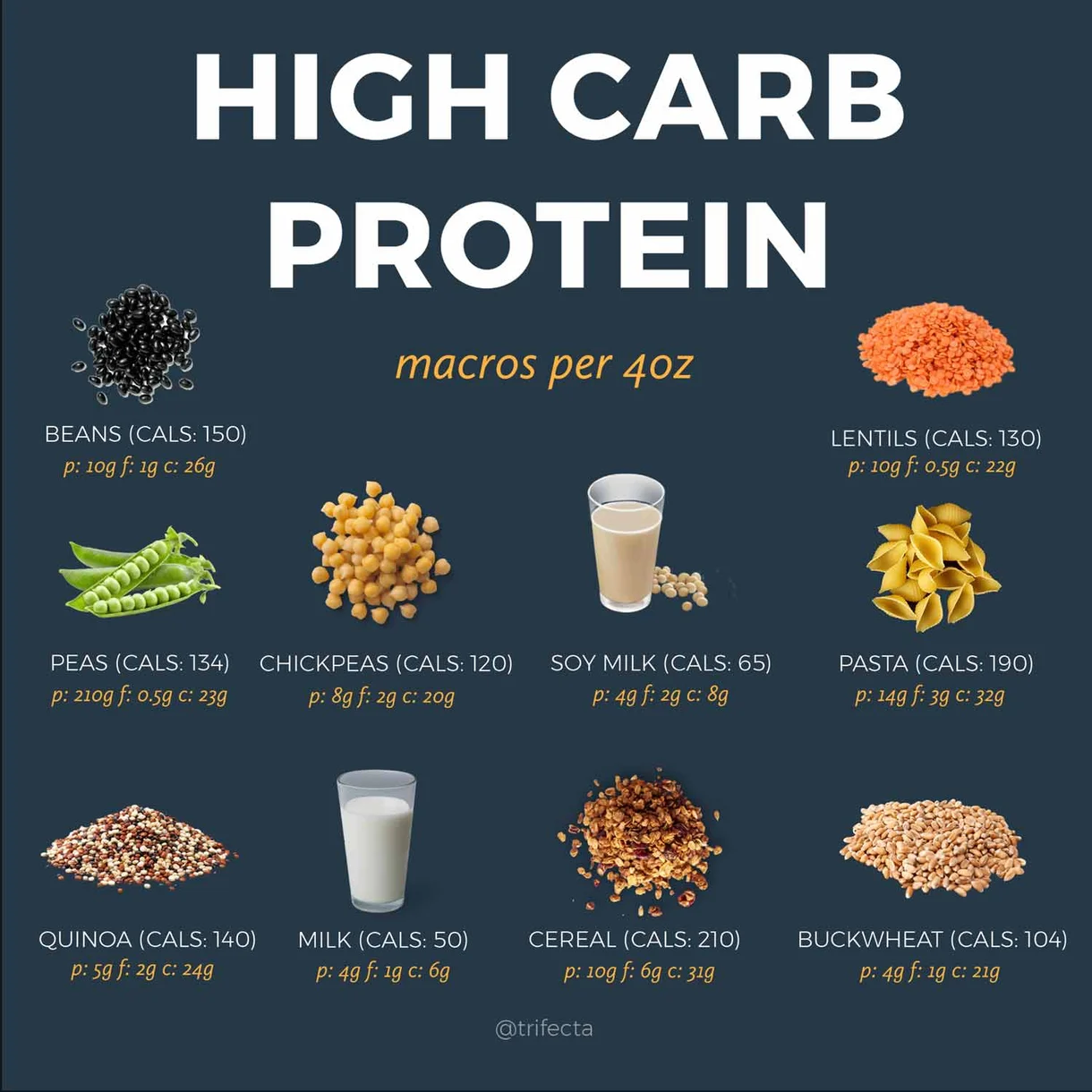
- Beans and lentils – protein and slow carbs
Timing Carb Intake
Timing carb intake plays a crucial role in building muscle efficiently. Carbohydrates provide energy for workouts and help recovery. Eating carbs at the right times fuels your body and supports muscle growth.
Pre-workout Carb Loading
Eating carbs before exercise boosts energy levels. It helps maintain stamina during intense workouts. Choose easily digestible carbs like fruits, oats, or rice. Consume them about 30 to 60 minutes before training. This prevents fatigue and improves performance.
Post-workout Carb Window
After exercise, muscles need carbs to replenish glycogen stores. This recovery phase lasts about 30 to 60 minutes. Eating carbs during this time speeds up muscle repair. Combine carbs with protein for better results. Good options include sweet potatoes, bananas, or whole grain bread.
Carbs Throughout The Day
Spreading carb intake evenly supports steady energy. It keeps blood sugar stable and reduces cravings. Focus on complex carbs like vegetables, legumes, and whole grains. Eating balanced meals every 3 to 4 hours helps muscle growth and recovery.
Credit: www.spartan.com
Carb Amounts For Different Goals
Carb amounts play a crucial role in muscle building, but they vary depending on your specific goals. Whether you’re aiming to bulk up, cut fat, or simply maintain your current physique, adjusting your carb intake can impact your progress. Understanding how to tweak your carbs for each phase helps fuel your workouts and supports muscle growth without unwanted fat gain.
Bulking Phase Carb Needs
During bulking, your body requires extra energy to build muscle. That means increasing your carb intake significantly to supply glycogen for intense training sessions.
A good starting point is around 4 to 6 grams of carbs per kilogram of body weight. For example, if you weigh 70 kg, aim for 280 to 420 grams of carbs daily.
This higher carb intake helps you lift heavier and recover faster. Have you noticed how your energy levels spike on higher-carb days?
Cutting Phase Carb Adjustments
Cutting requires a different approach because you want to lose fat while preserving muscle. Reducing carbs too much can leave you feeling drained and weaker in the gym.
Try lowering your carb intake to about 2 to 3 grams per kilogram of body weight. For a 70 kg individual, that’s 140 to 210 grams daily.
Focus on timing your carbs around workouts to maintain strength. Have you experimented with carb cycling to see how your body responds?
Maintenance Carb Levels
When maintaining your weight and muscle mass, carbs should support steady energy without excess. This keeps your body fueled without adding fat.
A balanced intake of 3 to 4 grams per kilogram of body weightoften works well. For example, if you weigh 70 kg, aim for 210 to 280 grams daily.
Finding your maintenance carb level helps you stay consistent and sustain your gains. What carb amount keeps you feeling your best day-to-day?
Common Myths About Carbs
Carbohydrates often get a bad rap in fitness circles, especially when it comes to building muscle. Many myths swirl around carbs, confusing you about their real impact on your body. Let’s clear up some common misunderstandings so you can make smarter choices for your muscle gains.
Carbs Cause Fat Gain
Many believe eating carbs automatically leads to fat gain. But fat gain depends on your overall calorie balance, not just carbs alone. If you consume more calories than you burn, regardless of the source, you’ll gain fat.
Carbs are your body’s preferred energy source during workouts. Skipping them can leave you feeling tired and weak, which hurts your ability to train hard. Think about how you feel after a carb-rich meal before exercise—more energy and better performance.
Low-carb Diets For Muscle Building
Some say cutting carbs is the best way to build muscle. But muscles need glycogen, which comes from carbs, to recover and grow. Without enough carbs, your workouts suffer, and muscle growth slows down.
Many athletes find that low-carb diets make them lose strength and endurance. You might feel stronger at first, but over time, your progress could stall. Are you willing to risk your muscle gains by limiting carbs?
Carbs And Insulin Misconceptions
Insulin is often seen as a villain because it helps store fat. But insulin also plays a key role in muscle growth by moving nutrients into muscle cells. Without insulin, your muscles can’t absorb the protein and carbs they need to repair.
Balancing your carb intake throughout the day helps keep insulin levels steady. This supports muscle recovery without excessive fat storage. Instead of fearing insulin, focus on timing your carbs around workouts for the best results.
Practical Tips For Carb Planning
Planning your carbohydrate intake helps fuel muscle growth effectively. Carbs provide energy for workouts and aid recovery. Smart carb planning supports steady progress without excess fat gain. Below are practical tips to organize carbs in your diet.
Meal Prep Ideas
Preparing meals in advance saves time and keeps carb intake consistent. Cook grains like rice, quinoa, or oats in bulk. Portion them into containers for easy access. Include starchy vegetables like sweet potatoes or corn. Combine with lean proteins and vegetables for balanced meals. Snack packs with fruit and whole-grain crackers work well too. Plan meals around workout times to boost energy and recovery.
Balancing Carbs With Other Nutrients
Carbs work best with protein and healthy fats. Protein helps repair muscles after training. Fats support hormone health and provide lasting energy. Aim for a plate that is:
- 40% carbohydrates
- 30% protein
- 30% healthy fats
This balance supports muscle growth and overall health. Choose whole-food sources for all nutrients. Avoid too many processed carbs or sugary snacks.
Tracking Carb Intake Efficiently
Track carbs to meet your muscle-building goals. Use apps or food diaries to log meals. Check nutrition labels for carb amounts. Focus on grams of net carbs—total carbs minus fiber. Adjust intake based on workout intensity and progress. Tracking helps prevent overeating and ensures enough fuel for muscles.
Frequently Asked Questions
What Are The Best Carbs To Build Muscle?
Complex carbs like oats, sweet potatoes, brown rice, and quinoa are ideal. They provide steady energy and support muscle recovery and growth.
How Many Carbs Should I Eat For Muscle Gain?
Aim for 3-5 grams of carbs per pound of body weight daily. This fuels workouts and replenishes glycogen stores for muscle growth.
When Should I Eat Carbs For Muscle Building?
Consume carbs before and after workouts to maximize energy and recovery. Pre-workout carbs boost performance; post-workout carbs aid muscle repair.
Can Carbs Help Increase Muscle Mass Faster?
Yes, carbs provide energy for intense training and replenish glycogen, which supports faster muscle growth and improves workout performance.
Conclusion
Carbohydrates help fuel your muscles during workouts. They provide energy to lift heavier and train longer. Eating the right carbs supports muscle repair and growth. Choose whole grains, fruits, and vegetables for steady energy. Avoid too many sugary or processed carbs.
Balance carbs with protein and healthy fats for best results. Consistent eating habits build stronger muscles over time. Remember, carbs are not the enemy but a key part of muscle building. Keep your diet simple and effective. Your muscles will thank you.







