
Are you striving to build muscle and enhance your fitness journey? You might be hitting the gym regularly and maintaining a balanced diet, but there’s a vital piece of the puzzle you could be overlooking—vitamins.
These small but mighty nutrients play a crucial role in muscle growth, recovery, and overall health. Imagine unlocking your full potential and achieving your muscle-building goals faster. Exciting, right? We’ll dive into the world of vitamins specifically tailored for muscle growth.
You’ll discover which vitamins are essential and how they can transform your fitness results. Ready to take your muscle-building efforts to the next level? Let’s explore the vitamins that could be your secret weapon to success.
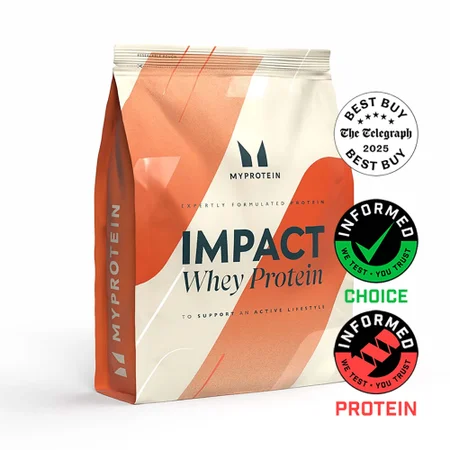
Credit: www.myprotein.com
Key Vitamins For Muscle Growth
Vitamins play a vital role in muscle growth and recovery. They support energy production, repair tissues, and reduce muscle fatigue. Knowing which vitamins aid muscle building helps improve your workout results.
Role Of Vitamin D
Vitamin D helps the body absorb calcium, essential for strong bones and muscles. It supports muscle strength and function. Low vitamin D levels can cause weakness and slow recovery.
Getting enough sunlight or supplements boosts vitamin D in the body. This can improve muscle performance and reduce injury risk.
Importance Of B-complex Vitamins
B-complex vitamins include B1, B2, B3, B6, B12, and others. They help convert food into energy needed for workouts. They also support red blood cell production, carrying oxygen to muscles.
Vitamin B6 and B12 are especially important for muscle repair and growth. A deficiency may cause fatigue and poor muscle function.
Vitamin C And Collagen Production
Vitamin C is crucial for making collagen, a protein in muscles and tendons. Collagen keeps muscles flexible and strong. It also helps repair damaged tissues after exercise.
Vitamin C acts as an antioxidant, protecting muscles from damage during intense training. Eating fruits and vegetables provides enough vitamin C for muscle health.
Vitamin E As An Antioxidant
Vitamin E protects muscle cells from oxidative stress. It helps reduce muscle soreness after workouts. This vitamin supports faster recovery and reduces inflammation.
Sources like nuts, seeds, and oils provide vitamin E. Including these in your diet can aid muscle growth and repair.
How Vitamins Enhance Muscle Recovery
Muscle recovery is a crucial phase in any fitness journey. Vitamins play a powerful role in speeding up this process, helping you bounce back faster and stronger. Understanding how these nutrients work can change the way you approach your post-workout routine.
Reducing Inflammation
After intense exercise, your muscles develop tiny tears that cause inflammation. Vitamins like Vitamin C and Vitamin E act as antioxidants, reducing this inflammation and minimizing muscle soreness.
Have you noticed how your recovery feels smoother when you eat citrus fruits or nuts after a workout? That’s Vitamin C and E at work. They fight free radicals generated during exercise, which otherwise slow down healing.
Supporting Immune Function
Your immune system takes a hit after heavy training sessions. Vitamins such as Vitamin D and Vitamin A help strengthen your immune response, reducing the risk of infections that can delay recovery.
If you’ve ever felt run down after a workout, it might be your immune system struggling. Keeping your vitamin levels adequate ensures your body can repair muscle tissue without interruption.
Aiding Protein Synthesis
Protein synthesis is the process where your body builds new muscle fibers. Vitamins like B6 and B12 are essential helpers in this process.
These vitamins assist enzymes that convert amino acids into muscle proteins. Without them, your muscles won’t rebuild efficiently, no matter how much protein you consume.
Sources Of Muscle-building Vitamins
Vitamins play a key role in muscle growth and recovery. They help the body produce energy and repair tissues. Finding the right sources of these vitamins supports your workout efforts. Eating a balanced diet and using supplements can both provide what muscles need. Understanding where to get these nutrients is important for steady progress.
Foods Rich In Essential Vitamins
Many foods naturally contain vitamins that aid muscle building. Some top choices include:
- Leafy greens:Spinach and kale provide vitamin K and C.
- Citrus fruits:Oranges and lemons offer vitamin C to support tissue repair.
- Whole grains:Brown rice and oats supply B vitamins for energy.
- Lean meats:Chicken and turkey are rich in B12, vital for red blood cells.
- Eggs:Provide vitamin D, which helps muscle strength.
- Nuts and seeds:Almonds and sunflower seeds contain vitamin E for muscle recovery.
Supplement Options
Supplements can help fill vitamin gaps in the diet. Common muscle-building supplements include:
- Multivitamins:Cover a range of essential vitamins.
- Vitamin D tablets:Boost muscle function and bone health.
- B-complex vitamins:Support energy production during workouts.
- Vitamin C supplements:Aid in collagen formation for muscle repair.
Choose supplements from trusted brands. Follow recommended dosages to avoid excess intake.
Balancing Diet And Supplements
Combining food and supplements ensures steady vitamin intake. Prioritize whole foods for natural nutrients. Use supplements only to fill small gaps. This approach supports muscle growth safely and effectively.
Track your diet to spot missing vitamins. Adjust your meals before adding supplements. Consistency in nutrition helps build muscle over time.
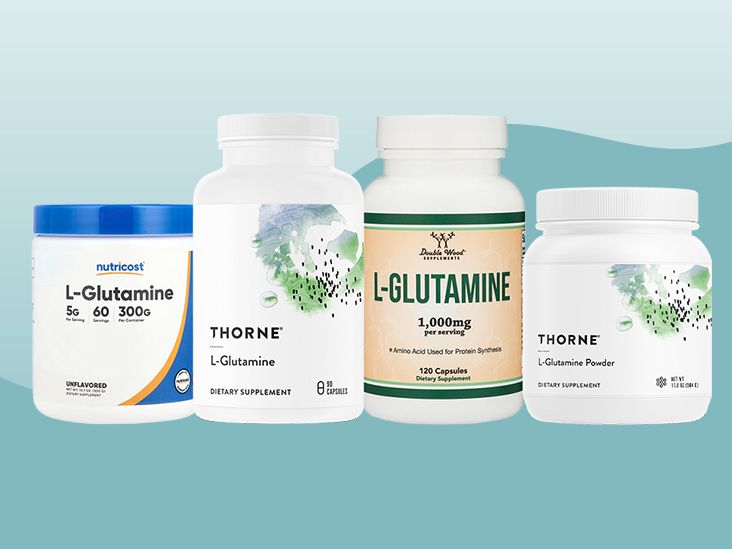
Credit: www.healthline.com
Timing And Dosage For Optimal Gains
Proper timing and dosage of vitamins play a key role in muscle growth. Taking vitamins at the right time helps your body absorb nutrients better. Correct doses avoid waste and support muscle repair and strength. Understanding when and how much to take boosts your workout results.
When To Take Vitamins
Some vitamins work best with meals. Fat-soluble vitamins like A, D, E, and K need dietary fat for absorption. Take these with breakfast or dinner. Water-soluble vitamins such as B-complex and C absorb well on an empty stomach or with light food.
Before and after workouts are good times for certain vitamins. Vitamin C and B-complex may help reduce fatigue and aid recovery. Avoid taking large doses late at night to prevent sleep disruption.
Recommended Daily Intakes
| Vitamin | Daily Intake | Role in Muscle Building |
|---|---|---|
| Vitamin D | 600-800 IU | Supports muscle strength and function |
| Vitamin C | 75-90 mg | Helps repair tissues and reduce soreness |
| Vitamin B12 | 2.4 mcg | Aids energy production and red blood cells |
Follow recommended intakes to avoid deficiencies. Use labels on supplements as a guide.
Avoiding Overconsumption
Taking too much of any vitamin can harm your health. Fat-soluble vitamins build up in the body and may cause toxicity. Symptoms include nausea, headaches, or fatigue.
Water-soluble vitamins flush out excess, but very high doses can still cause issues. Stick to recommended doses and consult a healthcare provider for personalized advice.
Common Deficiencies Affecting Muscle Growth
Muscle growth depends on many factors, including vitamins. Some vitamins are crucial for muscle repair and strength. Lack of these vitamins can slow down progress and cause health problems. Understanding common vitamin deficiencies helps maintain muscle health and improve workout results.
Signs Of Vitamin Deficiency
Vitamin deficiencies show clear signs in the body. Watch for:
- Muscle weakness or cramps
- Fatigue and low energy
- Slow recovery after exercise
- Joint pain or stiffness
- Poor concentration and mood changes
These signs may mean your vitamin levels are low. Early detection helps prevent serious issues.
Impact On Performance
Low vitamin levels reduce muscle strength and endurance. They affect how muscles use energy and repair damage. Deficiencies can cause:
- Decreased stamina during workouts
- Longer muscle soreness
- Reduced protein synthesis
- Higher risk of injury
Without enough vitamins, muscles cannot grow or recover well.
Correcting Deficiencies
Fixing vitamin deficiencies starts with proper diet. Include foods rich in:
- Vitamin D – fish, eggs, fortified milk
- Vitamin B12 – meat, dairy, fortified cereals
- Vitamin C – citrus fruits, berries, vegetables
- Vitamin E – nuts, seeds, green leafy vegetables
Supplements can help if diet alone is not enough. Consult a healthcare provider before starting supplements. Regular testing can track your vitamin levels for better muscle growth.

Credit: www.americansportandfitness.com
Frequently Asked Questions
What Vitamins Help Build Muscle Fast?
Vitamins D, B complex, and C support muscle growth. Vitamin D improves strength, B vitamins aid energy, and vitamin C helps recovery.
Can Vitamin Deficiency Hinder Muscle Growth?
Yes, lacking vitamins like D and B can slow muscle repair and growth. Deficiencies reduce energy and recovery efficiency.
How Do Vitamins Improve Workout Performance?
Vitamins boost energy production and reduce fatigue. They support muscle repair, increase endurance, and enhance overall workout results.
Should I Take Multivitamins For Muscle Building?
Multivitamins can fill dietary gaps, supporting muscle growth. However, a balanced diet is essential for optimal results.
Conclusion
Vitamins play a key role in building strong muscles. They help your body recover and grow after workouts. Eating a balanced diet with vitamins supports energy and muscle health. Don’t forget to include vitamin D, B-complex, and C in your meals.
Small changes in your diet can make a big difference. Stay consistent and be patient with your progress. Healthy muscles need good nutrition and care every day. Keep it simple, and your body will thank you.







