
Are you looking to boost your athletic performance or simply get stronger and faster? Learning how to build fast twitch muscle fibers might be your game-changer.
These muscle fibers are your body’s secret weapon for explosive movements, rapid sprints, and powerful lifts. Whether you’re an athlete striving for peak performance or just someone who wants to enhance their workout results, understanding how to develop these muscles can transform the way you train.
Imagine feeling more energetic, agile, and ready to tackle any physical challenge. Keep reading to discover simple yet effective strategies to supercharge your muscle growth and unlock your full potential. Your journey to becoming faster and stronger starts here.
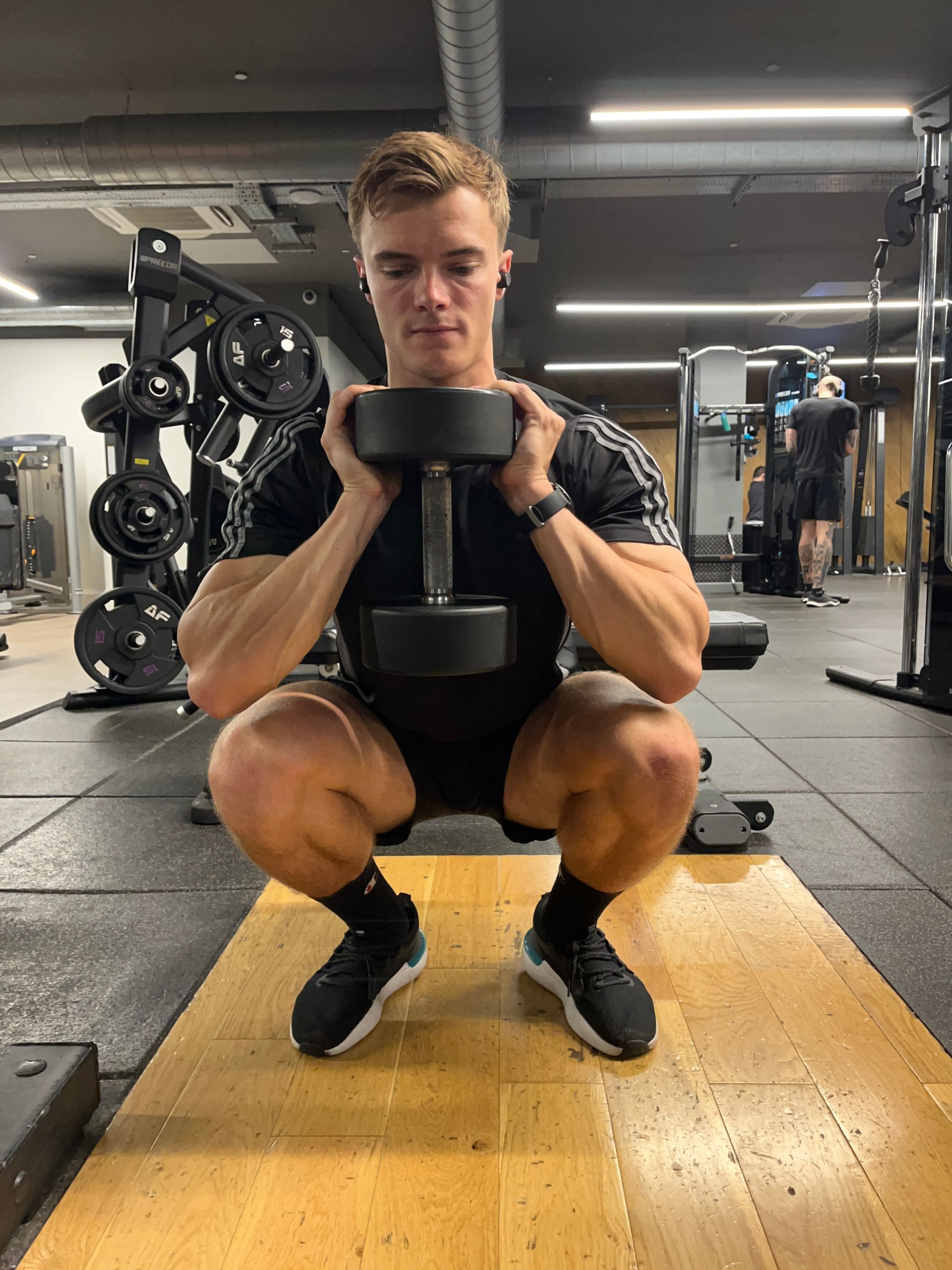
Credit: www.menshealth.com
Fast Twitch Muscle Fibers Basics
Understanding the basics of fast twitch muscle fibers is key if you want to boost your speed and strength. These fibers are specialized for quick, powerful movements but fatigue faster than their slow twitch counterparts. Knowing what they are and how they work helps you train smarter and see results faster.
Types Of Muscle Fibers
Your muscles contain different fiber types, mainly fast twitch and slow twitch. Fast twitch fibers come in two varieties:
- Type IIa:These are fast but have moderate endurance. They’re great for activities like middle-distance running or swimming.
- Type IIb (or IIx):These fire rapidly for explosive power but tire quickly, ideal for sprinting or heavy lifting.
Slow twitch fibers, on the other hand, support endurance and long-lasting activities. The balance between these fibers affects your athletic abilities and how you should train.
Role In Speed And Strength
Fast twitch fibers generate more force and contract faster than slow twitch fibers. This makes them essential for activities requiring bursts of speed or heavy lifting.
For example, sprinters rely heavily on these fibers to accelerate quickly off the line. Similarly, weightlifters use them to lift maximum loads in short bursts.
Do you notice how your energy fades during repeated sprints or heavy reps? That’s fast twitch fibers fatiguing rapidly, which is why training must target both power and recovery.
Genetics And Muscle Composition
Your genetic makeup influences how many fast twitch fibers you have. Some people naturally possess a higher percentage, giving them an edge in power sports.
However, you can still improve your fast twitch fiber performance through specific training, even if you aren’t genetically gifted. Consistent explosive exercises help recruit and strengthen these fibers.
Think about your own muscle composition: have you ever noticed if you excel more at endurance or short, intense efforts? This insight can guide your training focus for better results.

Credit: www.youtube.com
Training Methods For Speed
Training fast twitch muscle fibers requires specific speed-focused workouts. These exercises improve muscle power and quickness. Speed training methods target rapid muscle contractions. They help develop explosive strength and agility. Consistent practice enhances overall athletic performance.
Sprint Drills
Sprint drills boost fast twitch muscle fibers by increasing leg speed. Short bursts of maximum effort improve muscle firing rates. Try:
- 40-meter sprints with full rest between runs
- Hill sprints to increase resistance and power
- Flying sprints starting at a jog, then accelerating
Rest is crucial to maintain high intensity for each sprint. These drills develop explosive speed and muscle strength.
Plyometric Exercises
Plyometrics train muscles to contract quickly and powerfully. They increase muscle elasticity and fast twitch fiber activation. Common exercises include:
- Jump squats to build leg power
- Box jumps for explosive strength
- Bounding to improve stride length and speed
Keep movements controlled to avoid injury. These exercises enhance jumping ability and sprint speed.
Agility Workouts
Agility workouts improve coordination and quick muscle response. They train muscles to react swiftly to changes in direction. Effective drills are:
- Ladder drills to increase foot speed
- Cone drills for sharp turns and stops
- Shuttle runs to boost acceleration and deceleration
Agility training supports faster reflexes and better balance during sports.
Strength Training Techniques
Strength training is key to building fast twitch muscle fibers. These fibers are responsible for quick, powerful movements, so your training must challenge your muscles to react and grow rapidly. Using the right techniques can help you target these fibers effectively.
Heavy Weightlifting
Lifting heavy weights forces your muscles to recruit fast twitch fibers to generate maximum force. Choose weights that allow you to perform 4-6 reps per set with good form, pushing your muscles to near failure.
Focus on compound movements like squats, deadlifts, and bench presses. These exercises activate multiple muscle groups, increasing the demand on your fast twitch fibers.
Have you noticed how your strength improves faster when you lift heavier? That’s because heavy lifting stimulates growth in those quick, powerful fibers.
Explosive Movements
Explosive training trains your muscles to contract quickly and with power. Movements like jump squats, medicine ball throws, and sprint starts force your fast twitch fibers into action.
Keep the reps low and rest periods longer to maintain maximum intensity in every set. Speed and power are more important than endurance here.
Try adding explosive moves to your routine and feel the difference in your muscle speed and strength. How fast can you move your body or weights right now?
Olympic Lifts
Olympic lifts like the clean and jerk or snatch are excellent for fast twitch fiber development. These lifts require both strength and speed, demanding your muscles fire quickly and powerfully.
Learning proper technique is crucial to avoid injury and maximize benefits. Consider working with a coach or watching detailed tutorials to master these complex movements.
Have you ever experienced that rush when you lift something heavy off the ground in one swift motion? That’s your fast twitch fibers at work, and Olympic lifts help you build that power consistently.
Recovery And Nutrition
Building fast twitch muscle fibers needs more than just exercise. Recovery and nutrition play a key role. Muscles grow and get stronger during rest and through good food. Without proper care, progress can slow or stop. Focus on what you eat and how well you rest.
Protein And Muscle Growth
Protein helps repair muscle fibers after workouts. It provides amino acids needed for muscle building. Aim to eat protein with every meal. Sources like chicken, fish, eggs, and beans are excellent. Protein shakes can also support muscle recovery. Consistent protein intake speeds up growth of fast twitch fibers.
Rest And Sleep
Muscles need time to recover. Sleep is when most muscle repair happens. Aim for 7 to 9 hours of quality sleep each night. Avoid stress and distractions before bedtime. Rest days are essential too. They allow muscles to heal and grow stronger.
Supplements For Fast Twitch Fibers
Some supplements can help build fast twitch fibers. Creatine boosts energy for short, intense workouts. Beta-alanine reduces muscle fatigue during high effort. Branched-chain amino acids (BCAAs) support muscle recovery. Always choose high-quality supplements. Consult a doctor before starting any new supplement.
Tracking Progress
Tracking progress is essential when building fast twitch muscle fibers. It helps you see what’s working and what isn’t. Without tracking, you might miss small improvements that add up or continue training in ways that don’t challenge your muscles enough.
Performance Metrics
Use clear numbers to measure your progress. Track variables like sprint times, jump height, or the weight lifted during explosive exercises. Recording these details after each workout can reveal trends and show if your muscles are actually getting faster and stronger.
For example, if your vertical jump improves by two inches over a month, that’s a sign your fast twitch fibers are responding. Don’t just focus on weight or reps; include speed and power outputs too. This gives a fuller picture of your performance.
Adjusting Training Plans
Tracking progress lets you know when to tweak your workouts. If your performance stalls, it might be time to add more rest, increase intensity, or change exercises. Keeping a training log helps you remember what you did and what needs changing.
Think about your own workouts: have you ever felt stuck doing the same routine without results? Adjustments based on tracked data prevent wasted effort and keep your muscles adapting. This keeps your fast twitch fibers challenged and growing.
Avoiding Plateaus
Plateaus happen when your muscles get used to the same training stimulus. Regularly reviewing your progress can alert you before a plateau becomes frustrating. Changing variables like speed, resistance, or exercise type can push you past these stagnant phases.
Ask yourself: Are my workouts still making me feel challenged? If not, it’s a signal to mix things up. Tracking progress gives you the insight to break through plateaus and keep building explosive power.
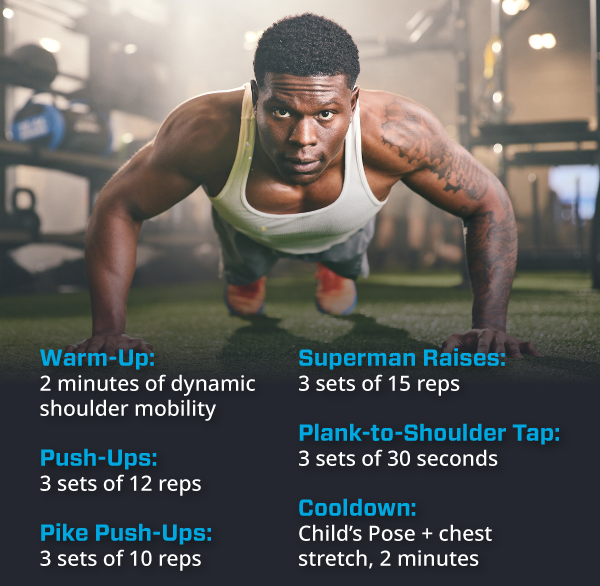
Credit: www.eosfitness.com
Frequently Asked Questions
What Are Fast Twitch Muscle Fibers?
Fast twitch muscle fibers generate quick, powerful movements. They fatigue faster but provide strength and speed for short bursts of activity, like sprinting or weightlifting.
How Can I Train Fast Twitch Muscle Fibers?
Focus on high-intensity, explosive exercises like sprinting, plyometrics, and heavy lifting with low reps. Rest adequately to allow fiber recovery and growth.
How Long Does It Take To Build Fast Twitch Fibers?
Building fast twitch fibers varies by individual but typically takes several weeks of consistent, targeted training for noticeable strength and speed improvements.
Can Diet Affect Fast Twitch Muscle Fiber Growth?
Yes, a protein-rich diet supports muscle repair and growth. Proper nutrition fuels intense workouts needed to develop fast twitch fibers effectively.
Conclusion
Building fast twitch muscle fibers takes time and effort. Focus on exercises that use quick, powerful movements. Rest well between workouts to help muscles recover. Eat enough protein to support muscle growth. Track your progress and adjust your plan as needed.
Stay patient and consistent for the best results. Small steps add up to big gains. Keep pushing yourself, and you will see improvement. Stronger, faster muscles are within reach.







