
Failure can feel like a heavy weight holding you down. But what if you could turn that weight into fuel for your next success?
Building resilience after failure isn’t just about bouncing back—it’s about growing stronger and smarter because of what you’ve been through. You’ll discover simple, practical steps to help you face setbacks with confidence and come out more determined than ever. Ready to transform your challenges into powerful stepping stones?
Keep reading to unlock the secrets to building true resilience.
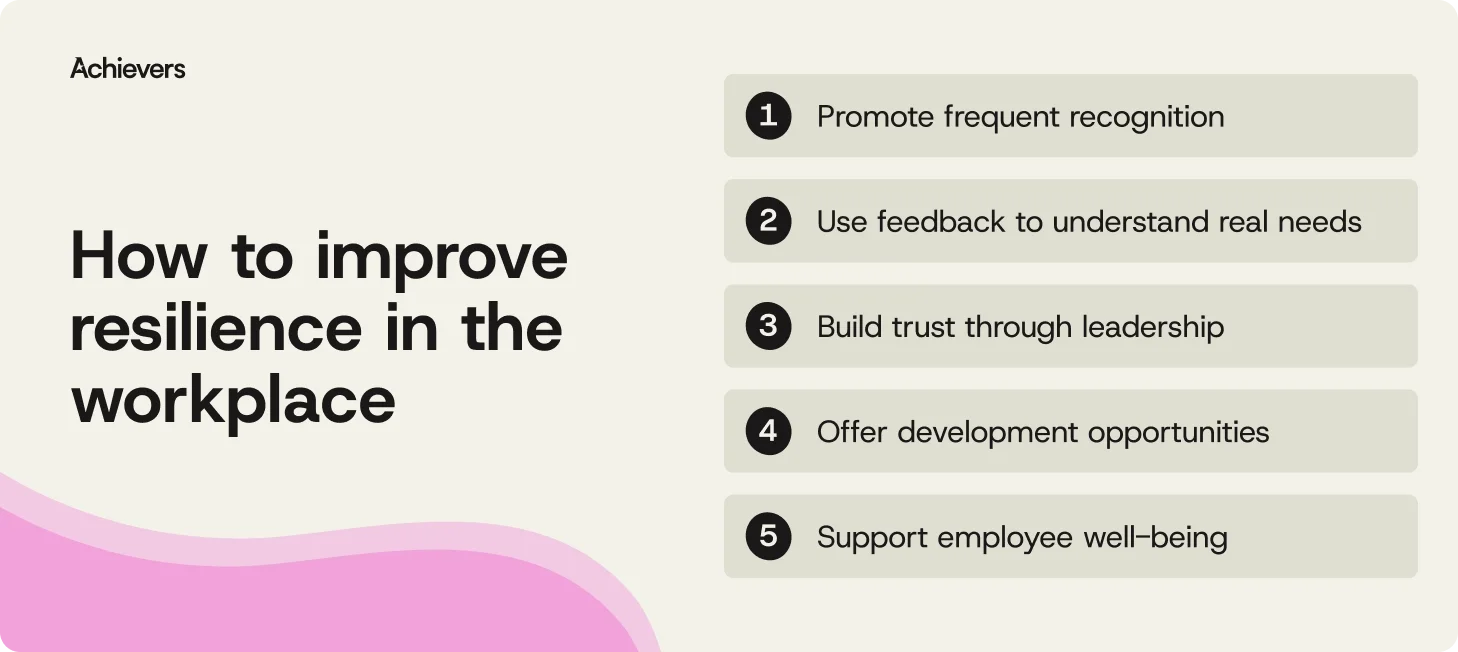
Credit: www.achievers.com
Recognize Your Emotions
Recognizing your emotions after failure is a key part of building resilience. It means paying attention to how you feel without pushing those feelings away. Emotions like sadness, anger, or frustration are natural reactions. Understanding them helps you move forward with more strength and clarity.
Accepting Disappointment
Disappointment often hits hard after a setback. Accepting it does not mean giving up. It means allowing yourself to feel the letdown without judgment. This acceptance creates space to heal and learn. You can say to yourself:
- “It is okay to feel upset.”
- “This feeling will pass.”
- “I can try again after I recover.”
Accepting disappointment helps you avoid bottled-up emotions that block progress.
Avoiding Negative Self-talk
Negative self-talk can deepen feelings of failure. It often sounds like:
- “I am not good enough.”
- “I always mess up.”
- “I will never succeed.”
These thoughts are false and harmful. Catch yourself when these words appear. Replace them with kinder, realistic thoughts such as:
- “I am learning.”
- “Mistakes help me grow.”
- “I will improve with time.”
Changing your inner voice builds confidence and reduces fear of failing again.
Analyze The Failure
Understanding why failure happened helps you learn and grow stronger. Reflect on mistakes without blame to find useful lessons. This clear view builds a stronger mindset for future challenges.
Building resilience after experiencing failure can be a transformative journey. One of the most crucial steps in this process is learning to analyze the failure. By dissecting what went wrong, you can gain invaluable insights that will empower you to bounce back stronger. This isn’t just about pointing fingers; it’s about understanding the intricate dynamics that led to the outcome. Are you ready to turn past setbacks into future successes? Let’s dive into the details.Identifying What Went Wrong
Start by examining the situation with a critical eye. Ask yourself, what specific actions led to the failure? Was it a lack of preparation, a miscommunication, or perhaps an unexpected external factor? Write down every detail you can recall. This exercise will help you paint a clearer picture of the events. Consider involving others who were part of the process to get different perspectives.Learning From Mistakes
Once you’ve identified what went wrong, the next step is to derive lessons from those mistakes. What could you have done differently? This is your opportunity to turn errors into stepping stones for success. Think about similar scenarios you might face in the future. How would you handle them differently now with this newfound knowledge? Remember, the goal here is not to dwell on failure but to extract wisdom from it. How can these lessons shape your future actions and decisions? Through this analysis, you can transform a negative experience into a powerful learning tool. Embrace the insights gained and let them guide you towards resilience and growth.Set Realistic Goals
Setting realistic goals helps rebuild confidence after failure. Goals should be clear and achievable. This approach reduces frustration and keeps motivation alive. Realistic goals create a roadmap for steady progress. They help you focus on what matters most. Start small and build on your success.
Breaking Down Objectives
Large goals can feel overwhelming. Break them into smaller tasks. Each task should be simple and direct. This makes the process less scary. Small wins build momentum and boost confidence. Write down each step to stay organized. Celebrate completing each part to keep energy high.
Tracking Progress
Keep a record of your achievements. Use a journal, app, or checklist. Tracking helps you see how far you have come. It also shows what needs more work. Review your progress regularly. Adjust your goals if they seem too hard or too easy. This keeps your plan flexible and realistic.

Credit: sobrief.com
Develop A Support Network
Building resilience after failure requires a strong support network. This network acts as a safety net during tough times. It offers comfort, advice, and motivation. Support from others helps you regain confidence and focus. It reduces feelings of isolation and stress. Developing this network takes effort and openness.
Seeking Encouragement
Encouragement fuels your will to keep going. Reach out to friends, family, or mentors who listen well. Choose people who believe in your potential. Positive words boost your mood and inspire action. They remind you that failure is not the end. Regular contact keeps your spirits high. Don’t hesitate to ask for help or kind words.
Sharing Experiences
Talking about your struggles helps lighten the emotional load. Sharing your story connects you with others who understand. It creates a sense of belonging and reduces shame. Hearing others’ experiences offers new perspectives and solutions. Group discussions or support groups are good places to share. Open communication builds trust and strengthens relationships. This mutual exchange fosters growth and resilience.
Build Mental Strength
Building mental strength is key to bouncing back after failure. It shapes how you handle setbacks and challenges. Strengthening your mind helps you stay calm, focused, and ready to keep moving forward even when things get tough.
Practicing Mindfulness
Mindfulness trains your brain to stay present and aware. When you focus on the moment, you reduce stress and prevent negative thoughts from taking over. Try simple practices like deep breathing or paying attention to your senses for a few minutes daily.
Imagine catching yourself before spiraling into self-doubt after a mistake. Mindfulness gives you that pause. It creates space between your reaction and the event, so you choose a calmer, more constructive response.
Cultivating Optimism
Optimism doesn’t mean ignoring reality; it means expecting that things can improve. When you believe in better outcomes, you’re more likely to try again and find solutions.
Start by noticing small wins or positive details each day. Write them down or share them with a friend. This habit shifts your focus from what went wrong to what can go right next time.
Ask yourself: What’s one hopeful thought I can hold onto right now? Holding onto optimism fuels your motivation and builds resilience bit by bit.
Take Action
Taking action is essential after failure. It moves you from feeling stuck to making progress. Action builds confidence and creates momentum. Without action, doubts and fears grow stronger. Small steps forward help rebuild your strength and focus. Acting quickly keeps you connected to your goals.
Implementing Changes
Change is necessary to avoid repeating the same mistakes. Look at what caused the failure. Adjust your plans or approach based on what you learned. Use clear, simple steps to improve. This might include:
- Changing your daily habits
- Seeking advice from others
- Practicing new skills regularly
- Setting smaller, achievable goals
Each change brings you closer to success. Trying new ways keeps your mind active and hopeful.
Staying Persistent
Persistence is key to building resilience. Keep pushing forward, even when progress feels slow. Remind yourself why you started. Accept that failure is part of learning. Celebrate small wins along the way. This helps maintain motivation and focus.
Persistence means:
- Continuing despite setbacks
- Keeping a positive attitude
- Being patient with yourself
- Adapting but never giving up
Strong persistence turns failure into a stepping stone for growth.
Celebrate Small Wins
Celebrating small wins is a powerful way to build resilience after failure. It shifts focus from setbacks to progress. Recognizing even minor achievements keeps motivation alive. Small wins create a sense of movement forward. This mindset helps in recovering faster and growing stronger.
Acknowledging Progress
Notice every step you take toward your goal. Write down little successes each day. These notes show how far you have come. Acknowledging progress makes challenges feel less overwhelming. It reminds you that improvement is possible. Celebrate tasks completed, lessons learned, or new skills gained.
Boosting Confidence
Small wins build your belief in yourself. Each success boosts your confidence a bit more. Confidence fuels courage to try again after failure. It reduces fear and self-doubt. Celebrate achievements, no matter how small, to stay positive. Confidence grows steadily with every little victory.
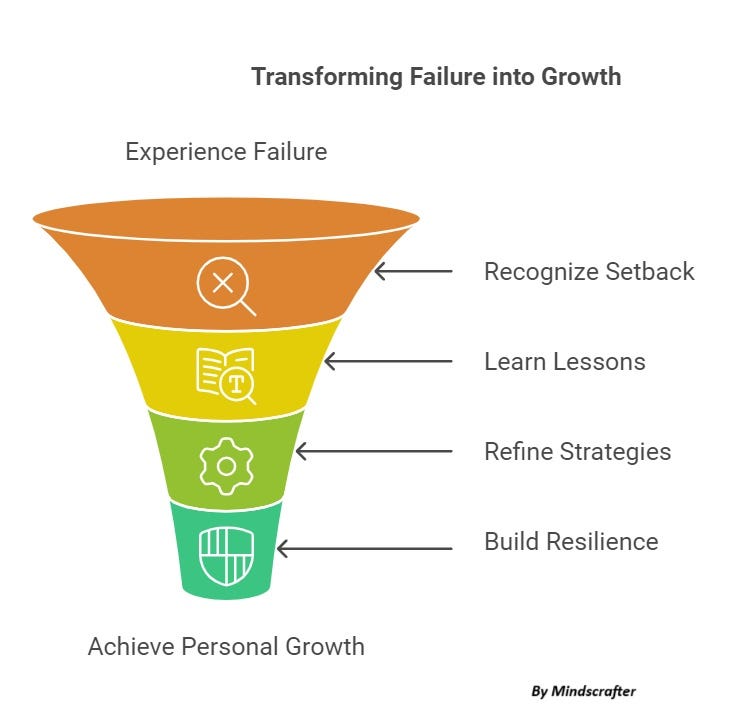
Credit: medium.com
Frequently Asked Questions
What Are The First Steps To Build Resilience After Failure?
Start by accepting the failure and learning from it. Reflect on what went wrong and identify key lessons. Set realistic goals to improve and maintain a positive mindset. Surround yourself with supportive people to stay motivated and focused on growth.
How Can Mindset Affect Resilience After Failure?
A growth mindset helps you see failure as a learning opportunity. It encourages persistence and adaptability. This mindset reduces fear of failure and increases confidence. Cultivating positivity and self-belief strengthens your ability to bounce back stronger.
Why Is Self-reflection Important After Experiencing Failure?
Self-reflection helps identify mistakes and areas for improvement. It promotes self-awareness and emotional regulation. Understanding your reactions allows better decision-making next time. This process builds resilience by turning failure into valuable insight.
How Does Setting Goals Aid Resilience After Setbacks?
Clear, achievable goals provide direction and motivation. They help track progress and celebrate small wins. Goals shift focus from failure to future success. This structured approach rebuilds confidence and encourages persistence.
Conclusion
Building resilience after failure takes time and effort. Each setback teaches a lesson worth learning. Stay patient and keep trying new ways. Believe in your strength to grow and improve. Every small step forward matters a lot. Challenges can shape a stronger, wiser you.
Remember, failure is not the end but a start. Keep your focus, stay positive, and move ahead. Resilience grows with courage and daily practice. You can bounce back and succeed again.







