
Setting up a home gym might seem overwhelming, but it doesn’t have to be. Imagine having a dedicated space where you can work out anytime, without waiting for equipment or dealing with crowds.
You’re closer than you think to making that a reality. You’ll discover simple steps and essential gear to create a basic home gym that fits your space and budget. Ready to transform your fitness routine and take control of your health?
Keep reading, because your perfect home workout setup is just ahead.
Choosing The Right Space
Choosing the right space for your home gym is crucial to staying motivated and making the most of your workouts. The area you select should feel inviting and practical, allowing you to move freely and store your equipment safely. Think about where you naturally spend time and how you can transform that spot into a motivating fitness zone.
Room Considerations
Look for a room with enough space to fit your equipment comfortably and allow you to perform exercises without restrictions. A spare bedroom, garage corner, or even a section of your living room can work well. Good ventilation and natural light are key factors—fresh air keeps you energized, and daylight boosts your mood during workouts.
Noise can be a concern if you live with others. Choose a spot where your exercise won’t disturb family members or neighbors. Have you thought about how much privacy you need? This can affect your confidence and consistency in working out.
Flooring Options
Flooring plays a big role in safety and comfort. Hard floors like wood or tile are easy to clean but can be tough on your joints. Adding rubber mats or foam tiles can protect your floor and provide cushioning for exercises.
If you plan on lifting weights, thick rubber mats are essential to absorb impact and prevent damage. For yoga or stretching, softer foam or carpeted areas work better. Consider how easy the flooring is to maintain—sweat and dust can accumulate quickly.
Essential Equipment
Choosing the right equipment for your home gym is crucial to keep your workouts effective and enjoyable. Essential equipment covers different types of exercise needs, so you can create a balanced routine that fits your goals. Think about what activities you enjoy and what your fitness priorities are before selecting gear.
Cardio Machines
Cardio machines help improve your heart health and burn calories efficiently. Popular options include treadmills, stationary bikes, and rowing machines. If space is limited, a jump rope or a compact elliptical can offer great cardio benefits without taking up much room.
Consider your workout style: do you prefer running, cycling, or a low-impact option? This choice will affect which machine you find most motivating and practical.
Strength Training Tools
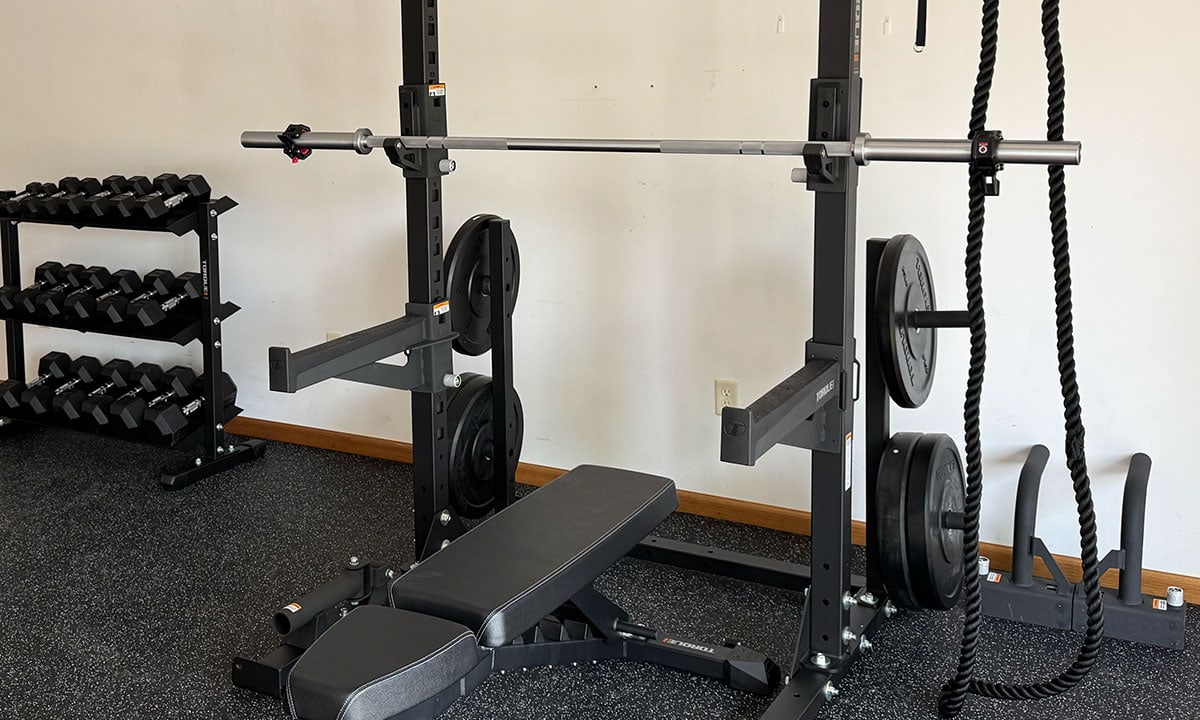
Strength training is essential for building muscle and boosting metabolism. Basic tools like dumbbells, resistance bands, and kettlebells provide versatile and effective workouts. A sturdy bench and a pull-up bar can expand your exercise options without needing a lot of space.
Think about your strength goals—whether it’s toning, building muscle, or increasing endurance—to decide the weight and type of equipment to add. You don’t need heavy or expensive machines to get strong; consistency with simple tools often works best.
Flexibility And Balance Gear
Flexibility and balance are often overlooked but critical for overall fitness and injury prevention. Items like yoga mats, foam rollers, and balance boards support stretching and core stability exercises. Adding these tools encourages you to include warm-ups and cool-downs, which improve recovery and performance.
Ask yourself if you spend enough time on mobility and balance. Small investments in this gear can make a big difference in how you feel during and after workouts.
Budget-friendly Options
Setting up a home gym doesn’t have to drain your wallet. You can build an effective workout space with smart choices that save money without sacrificing quality. Think about what equipment you really need and how you can get creative with what’s available.
Diy Equipment Ideas
Making your own gym gear can be surprisingly easy and effective. For example, you can fill empty water bottles or milk jugs with sand or water to create makeshift dumbbells. This lets you adjust the weight simply by changing the amount of filler.
Another idea is to use sturdy chairs for step-ups or tricep dips. A heavy backpack loaded with books can serve as a weight vest for squats or lunges. Have you tried crafting resistance bands by tying together old tights or leggings? They stretch and offer good resistance for various exercises.
Second-hand Purchases
Buying used equipment often cuts costs drastically. Check online marketplaces or local thrift stores for items like kettlebells, yoga mats, or adjustable dumbbells. You might find high-quality gear at a fraction of the original price.
Before buying, inspect the condition carefully. Ask yourself if the equipment is safe and sturdy enough for your workouts. Sometimes sellers are willing to negotiate, so don’t hesitate to ask for a better price.
Credit: www.nourishmovelove.com
Creating A Workout Plan
Creating a workout plan is the foundation of your home gym success. Without a clear plan, it’s easy to lose motivation or miss key muscle groups. A well-structured plan keeps you focused and helps you make steady progress toward your fitness goals.
Setting Fitness Goals
Start by defining what you want to achieve. Are you aiming to build strength, improve endurance, lose weight, or just stay active? Setting specific and realistic goals gives your workouts direction and purpose.
Think about how much time you can dedicate each week. It’s better to start small and build consistency than to set an overwhelming schedule you can’t keep. For example, committing to 30 minutes three times a week is a solid start.
Balancing Different Exercises
A good workout plan includes a mix of exercises targeting various muscle groups. Don’t just focus on cardio or strength alone—balance is key to avoid injury and improve overall fitness.
Include:
- Strength trainingfor muscle building and bone health
- Cardiofor heart health and stamina
- Flexibility exercisesto improve range of motion and reduce stiffness
Try to alternate between these types throughout the week. This variety keeps workouts interesting and challenges your body in different ways.
Tracking Progress
Tracking your progress helps you stay motivated and adjust your plan as needed. Write down the weights you lift, reps completed, or the time spent on cardio.
Using a simple notebook or an app can make this easy. Reviewing your progress regularly helps you see where you’re improving and where you might need to push harder.
Have you ever noticed how small wins can boost your motivation? Celebrate those little milestones—they add up faster than you think.
Safety And Maintenance
Setting up a home gym is exciting but requires focus on safety and maintenance. Keeping equipment safe prevents injuries and extends the life of your gear. Regular checks ensure everything works well and stays reliable.
Equipment Safety Tips
- Check all machines and weights before use for damage or wear.
- Secure loose parts and tighten bolts regularly.
- Use equipment on a flat, stable surface to avoid tipping.
- Keep the workout area clear of clutter and tripping hazards.
- Follow instructions for each machine carefully.
- Wear proper workout shoes to prevent slips.
- Store weights and accessories safely after use.
Routine Maintenance
- Clean equipment after every workout with a soft cloth.
- Lubricate moving parts as recommended in the manual.
- Inspect cables, pulleys, and belts for signs of wear.
- Replace worn or broken parts immediately to avoid accidents.
- Check electronic machines for proper function and battery status.
- Keep a maintenance log to track repairs and servicing.
- Schedule professional servicing for complex machines yearly.

Credit: www.reddit.com
Motivational Tips
Staying motivated is key to making your home gym a place you actually want to use. Motivation can wane quickly if your space doesn’t inspire or if you struggle to keep a routine. Let’s look at how you can set up your gym to boost your drive and keep you coming back day after day.
Creating An Inspiring Environment
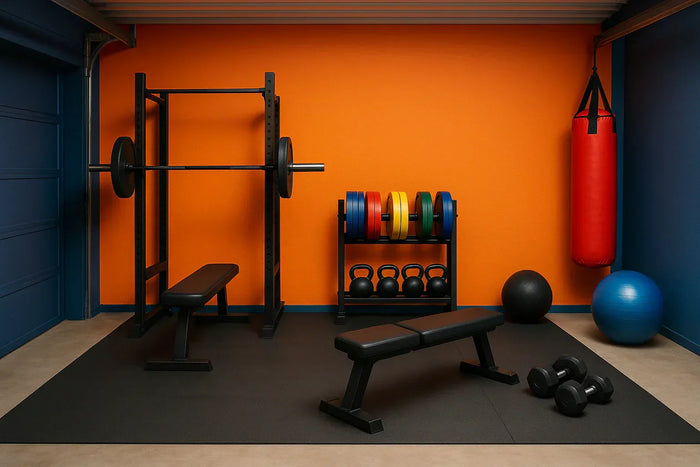
Your home gym should be a space that excites you. Add personal touches that make you feel energized—like bright colors, your favorite workout posters, or motivational quotes that actually mean something to you.
Lighting plays a bigger role than you might think. Natural light or warm, bright bulbs can lift your mood and energy. I once switched to daylight bulbs, and my afternoon workouts felt less like a chore and more like a break I looked forward to.
Keep the space clean and clutter-free. When everything has its place, you won’t waste time searching for equipment or feel overwhelmed by mess. Have you noticed how a tidy room helps clear your mind?
Staying Consistent
Consistency beats intensity every time. Set a realistic schedule that fits your lifestyle. Even short, daily sessions can build momentum better than occasional long workouts.
Track your progress visibly. Use a calendar or an app to mark each completed workout. Seeing your streak grow can push you to keep going, especially on days when motivation is low.
Mix up your workouts to avoid boredom. If you love variety, try alternating strength training, cardio, and flexibility exercises. What’s one new activity you’ve been curious about but haven’t tried yet?
- Prepare your gear the night before to remove excuses.
- Set small, achievable goals rather than overwhelming targets.
- Reward yourself for sticking to your routine—whether it’s a favorite smoothie or extra relaxation time.
Credit: braingain.fit
Frequently Asked Questions
What Equipment Is Essential For A Basic Home Gym Setup?
A basic home gym needs dumbbells, resistance bands, a yoga mat, and a stability ball. These tools suit most workouts and save space. Adding a jump rope or kettlebell boosts versatility for cardio and strength training.
How Much Space Is Needed For A Home Gym?
A minimum of 30 to 50 square feet is ideal for a basic home gym. This space fits essential equipment and allows free movement. Choose a well-ventilated, quiet area with good lighting for comfort and focus.
How Can I Keep My Home Gym Budget-friendly?
Focus on multi-functional equipment like adjustable dumbbells and resistance bands. Buy secondhand gear or look for discounts online. Prioritize quality over quantity to avoid frequent replacements and maximize long-term savings.
What Flooring Is Best For A Home Gym Setup?
Rubber or foam flooring is best for home gyms. They provide cushioning, reduce noise, and protect floors from damage. Interlocking mats are affordable, easy to install, and allow customization based on your space.
Conclusion
Setting up a basic home gym is simple and cost-effective. Choose equipment that fits your space and goals. Start with essentials like weights, a mat, and resistance bands. Keep your workout area clean and organized. Regular exercise at home saves time and boosts health.
You can stay motivated by tracking progress. Small steps lead to big changes. Create a routine that suits your lifestyle. Enjoy the convenience of working out anytime. Your home gym supports a healthier, stronger you.







