
Feeling motivated to work out can be tough, especially when you’re overweight and unsure where to start. But what if you could find simple, powerful tips that make exercise feel less like a chore and more like something you actually want to do?
This isn’t about quick fixes or harsh routines—it’s about discovering ways to boost your energy, confidence, and mood every time you move. Keep reading, because these workout motivation tips are designed just for you, helping you take small steps that lead to big changes.
Your journey to feeling stronger and happier begins here.
Set Realistic Goals
Setting realistic goals is key for workout success. It helps teens stay motivated and avoid frustration. Goals that are too big can feel overwhelming and cause quitting. Small, clear goals build confidence and create good habits. This approach keeps the focus on steady progress. Overweight teens can find joy in each step forward.
Start Small
Begin with easy and simple workout goals. For example, walking for 10 minutes daily. Or doing a few stretches every morning. These small steps feel doable and create a routine. Gradually increase the time or effort as strength improves. Small wins add up and make bigger goals less scary. This way, teens learn to enjoy moving their bodies.
Track Progress
Keep a record of workouts to see improvement. Use a notebook or a phone app to write down exercises done. Note the time spent or reps completed. Watching progress over days and weeks boosts motivation. It shows how far the effort has taken you. Celebrate every milestone, no matter how small. Tracking helps teens stay focused and proud of their journey.
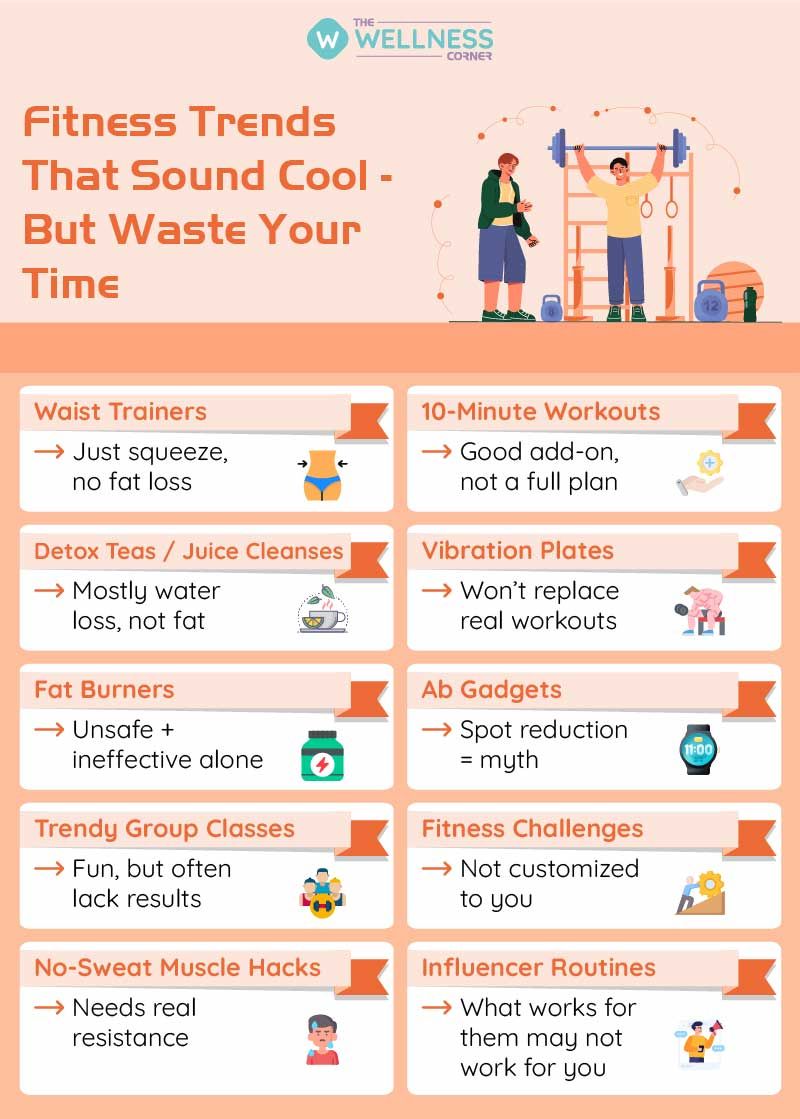
Credit: www.thewellnesscorner.com
Choose Fun Activities
Choosing fun activities makes workouts feel less like a chore. Enjoyment boosts motivation and helps stick to exercise routines. For overweight teens, fun workouts build confidence and promote a positive attitude toward fitness.
Explore Different Workouts
Trying various workouts keeps exercise fresh and exciting. Dancing, swimming, or hiking offer fun ways to move the body. Sports like basketball or soccer add a playful challenge. Variety stops boredom and encourages regular activity.
Include Friends And Family
Working out with friends or family creates support and accountability. Group activities bring laughter and teamwork into exercise sessions. Walks, bike rides, or group games make fitness social and enjoyable. Shared goals can inspire everyone to keep going.
Create A Support System
Building a support system can change how you experience your workout journey. Having people around who understand your goals and challenges makes staying motivated easier. It turns exercise from a solo task into a shared adventure that feels less overwhelming and more rewarding.
Find Workout Buddies
Working out with friends or family members can make a huge difference. It adds a social element that helps you look forward to your sessions. You’re less likely to skip workouts when someone else is counting on you to show up.
Try finding peers who share your fitness goals or interests. This could be classmates, neighbors, or even people you meet online in fitness groups. You can motivate each other, celebrate small wins, and learn new exercises together.
Think about what kind of workout buddy fits your style. Do you prefer someone who pushes you hard or someone who just keeps you company? Knowing this helps you choose the right partner and stay consistent.
Seek Encouragement
Encouragement fuels your motivation. It helps you keep going, especially on days when you feel tired or unsure. Don’t hesitate to ask for positive feedback from those who care about your progress.
Share your goals and achievements with family, teachers, or mentors. Their support can boost your confidence and remind you why you started. Sometimes, a simple “You’re doing great!” can be the push you need to keep moving forward.
Have you noticed how a little encouragement lifts your spirits? Make it a habit to reach out and share your journey. You might be surprised how many people want to cheer you on.

Credit: wowsalebd.com
Build A Positive Mindset
Positive thinking fuels progress and helps teens stay focused on their workout goals. Believing in small improvements builds confidence and keeps motivation strong. Choosing to see challenges as chances to grow makes exercise feel more rewarding.
Building a positive mindset is crucial for overweight teens embarking on their fitness journey. It’s not just about physical transformation; it’s about reshaping how you perceive yourself and your abilities. A positive mindset can be your strongest ally, encouraging persistence and resilience when challenges arise.Celebrate Small Wins
Every step forward is a victory. Did you manage to complete an extra set today, or choose a healthier snack? Celebrate it! Small wins build momentum and confidence, making the larger goals feel more attainable. Consider keeping a journal to track these achievements. Reflecting on your progress can be a great motivator when you’re feeling down. Remember, progress isn’t always linear, but recognizing your efforts keeps you on track.Use Positive Self-talk
What you say to yourself matters. Replace thoughts like “I can’t do this” with “I am getting stronger every day.” Positive self-talk can rewire your brain to focus on possibilities rather than limitations. When a challenging moment arises, pause and speak to yourself as you would to a friend. Would you tell a friend they’re not good enough, or would you encourage them? Be your own cheerleader and watch your confidence grow. How do you talk to yourself when no one is listening? The words you choose can either lift you up or hold you back. Choose wisely.Develop A Routine
Building a workout habit starts with a clear routine. Routines create structure and make exercise feel natural. They help reduce excuses and boost confidence. Overweight teens benefit from steady schedules that fit their daily life.
Creating a routine means planning workouts at certain times. This consistency trains both the body and mind to expect activity. A good routine is simple and flexible. It should support gradual progress and enjoyment.
Schedule Workouts
Pick specific days and times for workouts. Mark them on a calendar or phone app. Treat these times like important appointments. Choose moments when energy is highest, like mornings or after school.
Start with short sessions, about 20 to 30 minutes. Focus on activities you enjoy, such as walking, dancing, or biking. Scheduling helps avoid skipping exercises. It makes workouts part of everyday life.
Stay Consistent
Stick to the routine even on tough days. Consistency builds strength and improves mood over time. If missing a session, return to the plan without guilt. Small steps forward matter more than perfection.
Track progress with a journal or app. Celebrate every effort, no matter how small. Consistent workouts create healthy habits that last. Over time, exercise will feel easier and more rewarding.
Focus On Health Benefits
Focusing on the health benefits of working out can change the way you see exercise. Instead of just thinking about how you look, you start to notice how your body feels and functions better. This shift in focus can keep you motivated and make your workouts more meaningful.
Improve Energy Levels
Exercise helps your body produce more energy. You might feel tired before starting, but after a few sessions, you’ll notice you have more stamina during the day. Even simple activities like walking or light jogging can boost your energy.
Think about a time when you felt sluggish. What if moving your body a little could turn that around? Many teens find that regular activity helps them stay alert and focused at school and during hobbies.
Enhance Mood
Physical activity releases chemicals in your brain that make you feel happier. This can reduce stress and help fight feelings of sadness or anxiety. When you exercise, you’re not just improving your body—you’re also lifting your spirits.
Have you ever felt better after playing a sport or dancing? That’s your brain reacting to exercise. Using this natural mood booster can make your workouts something you look forward to, rather than a chore.
Overcome Common Barriers
Overcoming barriers is key for overweight teens to stay motivated in workouts. Many challenges can stop progress or lower confidence. Facing these hurdles with clear strategies helps keep the focus on health and growth.
Simple changes in daily habits and mindset can make exercise feel easier and more fun. Understanding common barriers helps teens prepare and stay strong during their fitness journey.
Manage Time Effectively
Finding time for workouts can feel hard with school and chores. Planning short sessions, even 15 minutes, fits busy days well. Using a calendar or phone reminders keeps exercise on track.
Setting small goals for each day helps build a steady habit. Mixing activities like walking, dancing, or biking adds variety and avoids boredom. Time management means making space for health without stress.
Deal With Negative Comments
Negative words from others can hurt motivation deeply. Learning to ignore mean comments protects self-esteem. Focus on personal progress, not on what others say.
Talking to friends or family who support goals creates a positive circle. Remember, only your opinion of yourself matters most. Confidence grows by celebrating every success, no matter how small.

Credit: www.youtube.com
Frequently Asked Questions
How Can Overweight Teens Stay Motivated To Work Out Regularly?
Overweight teens can stay motivated by setting small goals, tracking progress, and celebrating achievements. Finding enjoyable activities and working out with friends also boosts motivation.
What Types Of Exercises Are Best For Overweight Teens?
Low-impact exercises like walking, swimming, and cycling are ideal. They reduce joint stress and build endurance, making workouts safer and more enjoyable.
How Important Is A Support System For Teen Workout Motivation?
A strong support system is vital. Encouragement from family and friends helps teens stay consistent and confident in their fitness journey.
How Can Overweight Teens Overcome Workout Anxiety Or Embarrassment?
Starting with home workouts or small group sessions helps build confidence. Focusing on personal goals rather than others’ opinions reduces anxiety.
Conclusion
Staying motivated can be tough but is very important. Small steps lead to big changes over time. Celebrate each success, no matter how small. Find activities that feel fun, not like a chore. Support from friends or family helps a lot.
Remember, progress is personal and not a race. Keep trying, and your efforts will pay off. You have the power to improve your health and confidence. Every workout moves you closer to your goals. Stay strong and believe in yourself.







