
Are you tired of starting fitness routines only to lose motivation a few weeks later? Building a long-term fitness mindset isn’t just about working out—it’s about changing how you think and feel about your health.
When you develop the right mindset, staying active becomes easier, and your progress lasts. You’ll discover simple but powerful ways to create a mindset that keeps you motivated, focused, and ready to crush your fitness goals for good. Keep reading, because this could be the game-changer you’ve been looking for.
Setting Realistic Goals
Setting realistic goals is the foundation of a lasting fitness mindset. Goals shape your focus and keep motivation alive. They help avoid frustration and burnout by matching your efforts with achievable results. Realistic goals create a clear path and boost confidence with every step forward.
Short-term Vs Long-term Targets
Short-term goals offer quick wins and keep energy high. They might include daily steps, weekly workouts, or small weight changes. These targets are easier to reach and help build good habits.
Long-term goals guide your overall journey. These targets focus on bigger changes like improving strength, endurance, or body composition. They take more time and patience but give a strong sense of purpose.
Both types work best together. Short-term goals support long-term dreams. They break down big ambitions into manageable actions.
Tracking Progress Effectively
Tracking progress keeps your goals clear and your mind focused. Use simple tools like journals, apps, or photos. Record workouts, meals, and feelings. This shows patterns and areas for change.
Celebrate small wins to stay motivated. Notice improvements in strength, energy, or mood. Adjust goals if something feels too easy or too hard. Tracking helps keep your fitness journey honest and steady.
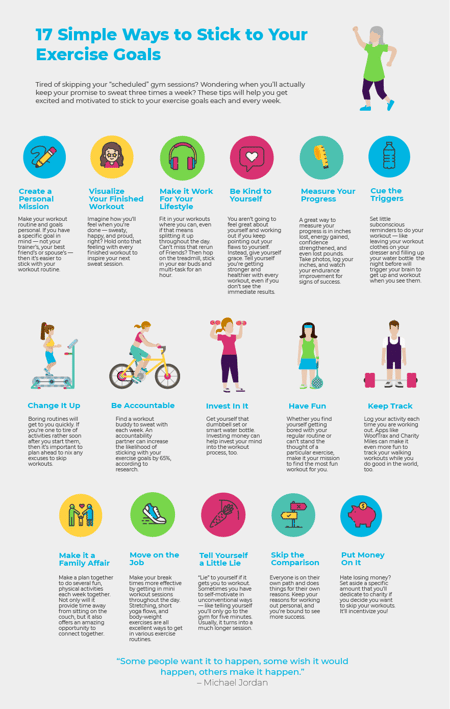
Credit: info.totalwellnesshealth.com
Cultivating Consistency
Building a long-term fitness mindset needs steady effort and small daily habits. Staying patient helps keep progress steady and lasting.
Cultivating Consistency in your fitness routine is crucial for achieving long-term success. It’s not just about showing up at the gym or going for a run when you feel like it. It’s about creating a sustainable routine that becomes a natural part of your daily life. Consistency helps you build momentum, making it easier to stay on track even when motivation dips.Building Daily Habits
Start small and be realistic. Aim for activities you can do every day without overwhelming yourself. For instance, a 10-minute morning stretch can evolve into a full workout routine over time. Use reminders to keep you accountable. Set alarms or use fitness apps to prompt your workout. A simple notification can be the nudge you need to get moving. Track your progress. Keep a journal or use an app to record your daily activities. Seeing your improvements can boost your confidence and reinforce your commitment.Overcoming Motivation Slumps
Identify the root of your slump. Is it boredom, fatigue, or something else? Knowing the cause can help you find a solution, such as trying a new activity or adjusting your schedule. Have a backup plan. On days when motivation is low, switch to a lighter activity like a walk or yoga. The key is to keep moving and maintain the habit. Remember why you started. Reflect on your goals and the benefits you’ve experienced. A mental reminder of your initial drive can reignite your passion and push you through tough times. What strategies do you use to stay consistent in your fitness journey?Embracing A Growth Mindset
Building a long-term fitness mindset starts with embracing a growth mindset. This means believing you can improve through effort and learning. Challenges and setbacks become chances to grow, not reasons to quit. A growth mindset helps you stay motivated and open to new ways of training and eating. It makes fitness a journey, not just a goal.
Learning From Setbacks
Setbacks happen to everyone. Missing a workout or hitting a plateau is normal. Use these moments to learn, not to feel bad. Ask yourself what went wrong and how to fix it. Adjust your plan and try again. Each setback teaches something valuable about your body and habits. This keeps your fitness journey moving forward.
Celebrating Small Wins
Small wins build confidence and keep you motivated. Celebrate completing a workout, improving your form, or eating healthier. These wins show progress, even if the big goal is far away. Write down your achievements or share them with a friend. Recognizing small successes helps your brain stay positive and focused. It makes fitness feel rewarding every day.

Credit: www.hellofitnessmagazine.com
Balancing Fitness And Lifestyle
Balancing fitness and lifestyle is key to maintaining a long-term fitness mindset. Fitness should fit smoothly into daily life, not disrupt it. This balance helps avoid burnout and keeps motivation high. It means combining workouts with rest, good nutrition, and stress management. Achieving this balance supports both physical health and mental well-being.
Incorporating Rest And Recovery
Rest is as important as exercise. Muscles grow and repair during rest periods. Skipping rest can cause injuries and fatigue. Plan regular rest days in your routine. Sleep is a crucial part of recovery. Aim for 7 to 9 hours of quality sleep each night. Listen to your body and take breaks when needed. Rest keeps energy levels steady and improves workout performance.
Managing Stress And Nutrition
Stress impacts fitness progress and overall health. Finding ways to reduce stress supports a better mindset. Simple activities like walking or deep breathing help lower stress. Nutrition fuels the body and mind. Eat balanced meals with proteins, carbohydrates, and healthy fats. Avoid processed foods and sugary drinks. Hydrate well to keep energy up. Proper nutrition and stress control boost fitness results and mood.
Finding Support Systems
Building a long-term fitness mindset requires more than just personal effort. Support systems provide motivation, guidance, and accountability. They help you stay consistent and enjoy the process. Surrounding yourself with like-minded people makes your fitness journey easier and more fun.
Joining Fitness Communities
Fitness communities bring people together with similar goals. They can be local groups, online forums, or social media pages. These communities offer encouragement and share useful tips. You can exchange workout ideas, celebrate progress, and learn from others’ experiences.
Being part of a community reduces feelings of isolation. It keeps you motivated even on tough days. Regular interaction with others builds a sense of belonging. This connection strengthens your commitment to fitness.
Working With Coaches And Partners
Coaches provide expert advice tailored to your needs. They design workout plans and track your progress. Their feedback helps you improve safely and effectively. Having a coach increases your chances of success.
Partners offer companionship and support during workouts. Exercising with a friend boosts motivation and fun. Partners keep each other accountable and push through challenges. Together, you can set goals and celebrate achievements.

Credit: x.com
Adapting To Change
Change is a natural part of any fitness journey. Your body, schedule, and energy levels will not stay the same. Embracing change helps maintain motivation and progress. Learning to adapt keeps your fitness mindset strong over time.
Adjusting Routines Over Time
Fitness routines that worked in the past may not suit you forever. Your strength and endurance improve or decrease with time. Adjust workouts to match your current abilities and needs.
- Change exercise types to prevent boredom.
- Modify intensity to avoid injury.
- Include rest days based on how you feel.
Switching up your routine also helps your body avoid plateaus. Small changes keep your progress steady and your mind engaged.
Staying Flexible With Goals
Goals must evolve with your lifestyle and fitness level. Rigid goals can cause frustration and burnout. Allow room to change your targets based on new circumstances.
- Set smaller, achievable milestones.
- Celebrate progress, not just end results.
- Be open to shifting focus between strength, endurance, or flexibility.
Flexibility in goals keeps your motivation alive. It encourages consistent effort without pressure.
Frequently Asked Questions
What Is A Long Term Fitness Mindset?
A long term fitness mindset focuses on sustainable habits and consistent effort. It values progress over quick results. This mindset helps maintain motivation and overcomes setbacks to achieve lifelong health and wellness.
How Can I Develop A Fitness Mindset?
Develop a fitness mindset by setting realistic goals, staying patient, and embracing challenges. Prioritize consistency and celebrate small wins. Learn from failures and stay adaptable to build lasting motivation for fitness.
Why Is Mindset Important For Fitness Success?
Mindset shapes your habits, motivation, and resilience. A strong fitness mindset keeps you committed during tough times. It drives you to push beyond limits and ensures long term fitness achievements.
How Do I Stay Motivated Long Term In Fitness?
Stay motivated by tracking progress, mixing workouts, and finding enjoyable activities. Surround yourself with support and remind yourself of your why. Regularly review and adjust goals to maintain enthusiasm.
Conclusion
Building a long-term fitness mindset takes time and effort. Small steps each day lead to lasting habits. Stay patient and keep your goals clear. Enjoy the process, not just the results. Remember, consistency beats quick fixes every time. Your mindset shapes how far you go.
Keep moving forward, even when it feels hard. Fitness is a journey, not a race. Keep believing in yourself and the progress will come.







