
Your mornings set the tone for the entire day. Imagine waking up feeling energized, focused, and ready to tackle whatever comes your way.
Creating a healthy morning routine isn’t just about habits; it’s about designing a powerful start that boosts your mood and productivity. If you’ve ever struggled to get going or felt rushed and stressed, this guide is for you. Keep reading to discover simple, practical steps that will transform your mornings—and your life.

Credit: medium.com
Benefits Of A Morning Routine
Starting your day with a healthy morning routine offers many benefits. It sets a positive tone and helps you handle daily tasks better. A good routine can improve your body and mind. It creates habits that support long-term well-being and success. Small changes in the morning can lead to big improvements in life.
Improved Energy Levels
A morning routine helps your body wake up naturally. Simple activities like stretching or light exercise boost blood flow. Drinking water early rehydrates and refreshes your system. These habits increase energy and reduce tiredness. You will feel ready to face the day ahead.
Enhanced Mental Focus
Following a set routine calms your mind. It reduces stress and clears away morning fog. Tasks like meditation or journaling sharpen your thoughts. Your brain becomes more alert and ready to work. Focus improves, helping you complete jobs faster and better.
Better Mood And Productivity
Good mornings lead to happier days. A routine creates a sense of control and peace. Positive emotions grow, reducing anxiety and frustration. When your mood is good, productivity rises naturally. You can achieve more with less effort and feel satisfied.
Preparing The Night Before
Lay out clothes and prepare breakfast items the night before to save time in the morning. Set a consistent bedtime to help wake up feeling refreshed and ready. Small actions at night build a smooth, healthy start to your day.
Preparing the night before is a game-changer for creating a healthy morning routine. This approach allows you to start your day on a positive note, removing the stress of last-minute decisions. By setting the right habits in motion, you wake up refreshed and ready to tackle the day.Setting A Consistent Bedtime
Establishing a regular bedtime is crucial. Aim to go to bed at the same time each night to regulate your body’s internal clock. This consistency helps improve sleep quality, making it easier to wake up feeling rested. Try setting an alarm for 30 minutes before your desired bedtime. Use this time to unwind and prepare for sleep. You’ll notice a significant difference in your morning energy levels.Planning Morning Tasks
Take a few minutes to plan the key tasks for the next morning. Write down what you need to accomplish and prioritize them. This simple act can reduce morning chaos and keep you focused. Consider laying out your clothes or packing your bag the night before. These small steps save time and reduce decision fatigue, making your morning smoother.Limiting Screen Time
Reducing screen time before bed can significantly improve sleep quality. The blue light emitted by screens can interfere with your sleep cycle, making it harder to fall asleep. Try setting a screen curfew at least an hour before bedtime. Use this time to read a book, meditate, or simply relax. What non-screen activity could you enjoy that helps you wind down?Wake-up Strategies
Waking up well sets the tone for the entire day. Good wake-up strategies help you feel alert and ready. They can make mornings easier and more pleasant. Simple changes can improve your energy and mood right from the start.
Using Natural Light
Natural light signals your body to wake up. Open curtains or blinds as soon as you get up. Sunlight helps stop the production of melatonin, the sleep hormone. Try to spend a few minutes outside early in the morning. This can boost your mood and help your body clock.
Avoiding The Snooze Button
Pressing snooze disrupts your sleep cycle. It can make you feel more tired later. Set your alarm for the time you really need to get up. Get out of bed as soon as it rings. Moving quickly helps you wake up faster and feel sharper.
Hydrating First Thing
Drink a glass of water right after waking up. Your body loses water overnight and needs replenishing. Hydration helps kickstart your metabolism and improves brain function. Keep a water bottle near your bed for easy access. This simple habit supports energy and alertness all morning.
Physical Activity In The Morning
Starting your day with physical activity sets a powerful tone for the hours ahead. Moving your body in the morning wakes up your muscles, boosts circulation, and sharpens your mind. Whether you have five minutes or thirty, choosing the right type of movement can transform your morning routine and energize you for the day.
Simple Stretching Exercises
Stretching is a gentle way to ease your body awake. Try reaching your arms overhead, touching your toes, or twisting your torso slowly from side to side. These movements improve flexibility and reduce stiffness after a night’s rest.
You can fit stretches into your routine anywhere—while still in bed or right after you get up. Stretching also helps prevent injuries if you plan to do more intense exercise later.
Quick Cardio Options
If you want to get your heart pumping fast, quick cardio exercises are a great choice. Jumping jacks, high knees, or jogging in place for just 3 to 5 minutes can boost your energy significantly.
These moves raise your metabolism early and improve mood by releasing endorphins. Ask yourself: how could a short burst of movement affect your focus and stress levels throughout the day?
Incorporating Yoga Or Meditation
Yoga combines physical activity with mindful breathing, making it perfect for a balanced morning. Even a 10-minute session focusing on basic poses like downward dog or child’s pose can calm your mind and stretch your body.
Meditation, on the other hand, centers your thoughts and prepares your mind for challenges. You don’t need to sit still for long—just a few minutes of deep breathing or guided meditation can help you start the day with clarity.
Healthy Breakfast Choices
Starting your day with a healthy breakfast sets a positive tone. It fuels your body and mind for the hours ahead. Choosing the right foods can boost energy and improve focus. A well-planned breakfast supports your overall health and well-being.
Balanced Nutrients
A healthy breakfast includes a mix of nutrients. Protein, healthy fats, and carbohydrates work together. Protein helps build and repair muscles. Healthy fats support brain function. Carbohydrates provide quick energy for the morning.
- Eggs with whole grain toast
- Yogurt with nuts and fruits
- Oatmeal topped with seeds
Easy And Quick Recipes
Simple recipes save time and reduce stress. Preparing breakfast in under 10 minutes is possible. Choose meals that require few ingredients and little cooking.
- Smoothie with banana, spinach, and almond milk
- Peanut butter on whole wheat bread
- Cottage cheese with fresh berries
Foods That Boost Brain Power
Certain foods improve memory and concentration. These brain-friendly foods help you stay sharp all day. Include them regularly in your breakfast.
- Blueberries
- Walnuts
- Avocado
- Green tea
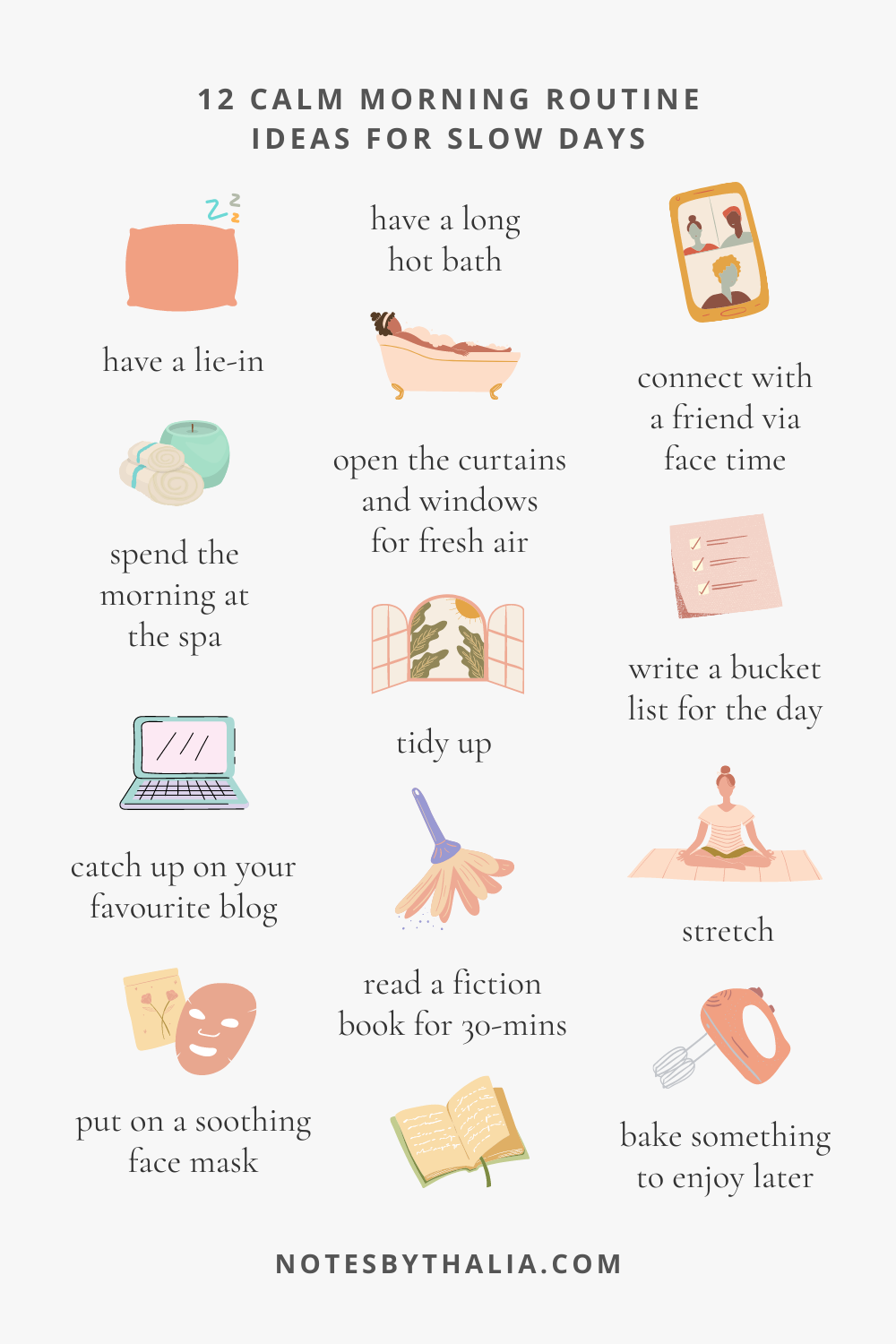
Credit: medium.com
Mindfulness And Mental Preparation
Starting your day with mindfulness and mental preparation sets a calm and focused tone. It helps clear your mind and reduce stress. These practices support emotional balance and boost your productivity. Spending a few minutes each morning on your mental health shapes a positive mindset for the day.
Journaling Or Gratitude Practice
Writing in a journal helps you express thoughts and feelings clearly. Note down what you feel thankful for. This practice shifts your focus from worries to positive aspects. It builds a habit of recognizing good moments in your life. Journaling also helps track progress and personal growth.
Setting Daily Goals
Plan your tasks for the day with clear goals. Choose simple, achievable objectives to avoid feeling overwhelmed. Writing your goals keeps you organized and motivated. It creates a sense of direction and purpose. This habit improves time management and decision-making.
Breathing Techniques
Deep breathing calms the nervous system and reduces tension. Try slow, deep breaths in through the nose and out through the mouth. This practice lowers stress levels and improves focus. Breathing exercises refresh your mind and increase energy. They are easy to do anywhere and take only a few minutes.
Avoiding Common Morning Pitfalls
A healthy morning routine sets a positive tone for the whole day. Avoiding common morning pitfalls helps keep energy high and stress low. Simple changes in habits can make mornings smoother and more productive.
Skipping Breakfast
Breakfast fuels the body and brain after a long night. Skipping it leads to low energy and poor focus. Choose easy, nutritious options like fruit, yogurt, or whole grains. Eating breakfast supports metabolism and mood throughout the morning.
Checking Phones Immediately
Looking at phones right after waking can cause stress and distraction. Social media and emails overload the mind early. Wait at least 30 minutes before checking devices. Use this time to stretch, breathe, or plan your day calmly.
Rushing The Routine
Hurrying causes mistakes and increases anxiety. Rushing leaves little room for self-care and preparation. Wake up a bit earlier to avoid this trap. Move through tasks slowly and mindfully to start the day relaxed and ready.
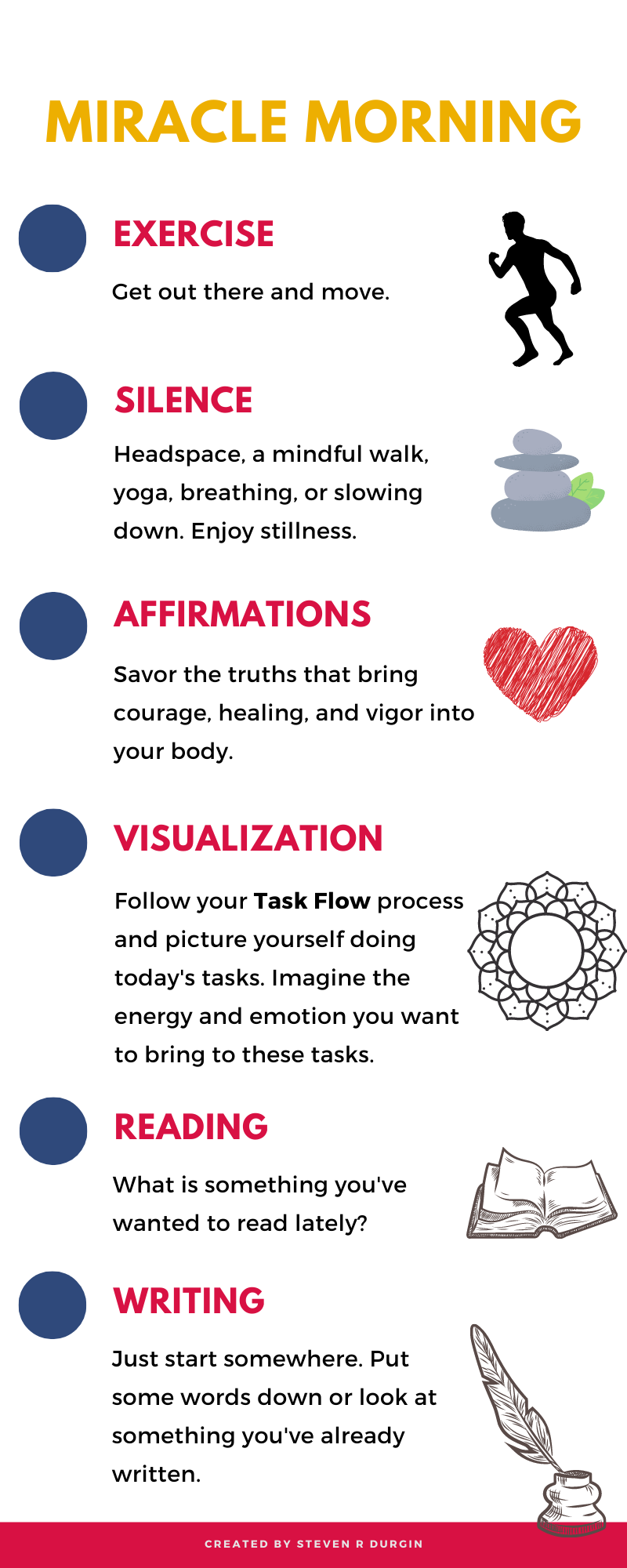
Credit: betterhumans.pub
Customizing Your Routine
Creating a healthy morning routine is not about copying someone else’s schedule. It’s about shaping a routine that fits your lifestyle, preferences, and goals. Customizing your routine ensures it feels natural and sustainable, making it easier to stick with day after day.
Adapting To Personal Preferences
Your morning routine should reflect what energizes and motivates you. Some people thrive on quiet meditation, while others prefer a quick workout to jumpstart their day. Think about what makes you feel ready to face the day and build your routine around those activities.
Consider your natural wake-up time and energy levels. If you’re not a morning person, forcing an intense workout at 5 AM might backfire. Instead, try gentle stretches or a few minutes of journaling to ease into your day.
Adjusting For Workdays Vs. Weekends
Your routine doesn’t have to be rigid. On workdays, you might need a faster, more streamlined process to get out the door on time. On weekends, you can afford to slow down and enjoy longer, more relaxing activities.
Try creating two versions of your routine: one for busy mornings and one for slower starts. This flexibility helps you avoid feeling guilty if you can’t do everything every day. Do you notice how your energy and priorities shift between weekdays and weekends?
Tracking Progress And Making Changes
Pay attention to how your routine makes you feel. Keep a simple journal or use a habit-tracking app to note what works and what doesn’t. Tracking your progress helps you identify patterns and areas for improvement.
If something feels off, don’t hesitate to tweak it. Maybe waking up 15 minutes earlier gives you enough time for a nourishing breakfast, or swapping your usual coffee for herbal tea helps reduce jitters. Your routine should evolve with you, not stay stuck in a rut.
Frequently Asked Questions
What Are The Benefits Of A Healthy Morning Routine?
A healthy morning routine boosts energy, improves focus, and reduces stress. It sets a positive tone for the day. Consistency in morning habits enhances productivity and overall well-being. Starting your day right helps maintain mental and physical health.
How Can I Start A Morning Routine Effectively?
Begin with small, manageable habits like drinking water or stretching. Gradually add activities such as meditation or a healthy breakfast. Consistency is key—wake up at the same time daily. Avoid distractions like phones to stay focused on your routine.
What Are Essential Activities In A Healthy Morning Routine?
Include hydration, light exercise, and mindfulness practices. Eating a balanced breakfast fuels your body. Planning your day improves productivity. Avoid screen time initially to reduce stress and enhance mental clarity.
How Long Should A Morning Routine Take?
Aim for 20 to 30 minutes daily. This allows time for hydration, movement, and mental preparation. A short but consistent routine is more effective than a lengthy one. Adjust based on your schedule and needs.
Conclusion
Creating a healthy morning routine can boost your whole day. Small steps build good habits over time. Start with simple actions like drinking water or stretching. Consistency is key to feeling more energetic and focused. Your body and mind will thank you.
Try different ideas and find what fits you best. Enjoy peaceful mornings and better health every day. Keep it easy and stay patient with yourself. A good morning routine helps you live a happier life.







