
Have you ever felt stressed, tired, or stuck in a negative mindset? What if there was a simple way to boost your mood, sharpen your mind, and feel more energetic every day?
Exercise isn’t just about building muscles or losing weight—it’s a powerful tool to improve your mental health, especially if you’re just starting out. You’ll discover how even small steps in physical activity can transform your brain, reduce anxiety, and increase happiness.
Keep reading to learn how exercise can become your secret weapon for a better, clearer, and more positive mind.
How Exercise Lifts Your Mood
Exercise can change how you feel almost instantly. Moving your body helps clear your mind and boosts your mood. This happens because exercise affects chemicals in your brain and lowers feelings of stress. Even short sessions can make a big difference in your emotional health.
Release Of Feel-good Chemicals
Exercise triggers the release of chemicals like endorphins and serotonin. These natural substances help you feel happy and relaxed. Endorphins act as painkillers and mood lifters. Serotonin improves your sense of well-being. These chemicals work together to brighten your mood after physical activity.
Reducing Stress And Anxiety
Physical activity lowers stress hormones such as cortisol. It also helps your body manage anxiety better. Exercise promotes relaxation and reduces muscle tension. This calms your mind and body, making you feel less worried. Regular movement helps break the cycle of stress and anxiety.
Combating Symptoms Of Depression
Exercise can ease feelings of sadness and low energy. It provides a positive distraction from negative thoughts. Physical activity boosts self-esteem and confidence. These effects reduce symptoms of depression over time. Consistent exercise supports better mental health and mood balance.

Credit: www.fettleandsports.com
Exercise And Mental Clarity
Exercise is not just about building muscle or losing weight; it’s also a powerful tool for enhancing mental clarity. For beginners, engaging in regular physical activity can lead to improved focus, sharper memory, and even heightened creativity. Whether you’re taking your first steps into a fitness journey or rekindling an old habit, understanding these mental benefits can keep you motivated and committed.
Improving Focus And Concentration
As a beginner, you might find yourself easily distracted or struggling to concentrate. Exercise can change that. When you move your body, blood flow to the brain increases, helping to improve your focus and concentration. Have you ever noticed how a quick walk can clear your mind before an important meeting? That’s the magic of exercise working to enhance your mental clarity.
Boosting Memory And Cognitive Function
Regular exercise can be a game-changer for your memory and cognitive abilities. Physical activity stimulates the production of chemicals that affect the growth of new brain cells and improve brain plasticity. This means you might find it easier to remember names, dates, or even the location of your keys. As you embark on your fitness journey, consider how these mental boosts can enhance not just your workouts but your daily life.
Enhancing Creativity
Feeling stuck on a problem or lacking inspiration? Exercise can be the catalyst you need. Physical activity is known to boost creativity by enhancing your mood and providing a mental break. Think about how many creative ideas have sparked during a morning jog or a leisurely bike ride. Could adding regular exercise to your routine unlock more of your creative potential?
By focusing on these mental benefits, you not only enhance your physical health but also nurture a sharper, more creative mind. Remember, every step, jump, or stretch contributes to a clearer, more focused you.
Starting Small For Big Gains
Starting small with exercise can lead to big mental benefits over time. Small steps help you avoid feeling overwhelmed. They make it easier to build confidence and enjoy your progress. This approach helps your mind stay motivated and focused. Even short, simple workouts can improve mood and reduce stress. Consistency matters more than intensity at the beginning. The key is to keep moving and build healthy habits.
Simple Workouts For Beginners
Choose easy exercises that fit your current fitness level. Walking, stretching, or light yoga are great options. These activities help your body adjust without causing strain. Simple workouts improve blood flow and boost brain function. They reduce anxiety and increase energy. Starting with low-impact moves builds a strong foundation.
Setting Realistic Goals
Set clear and achievable goals to stay motivated. Small goals feel less intimidating and more rewarding. For example, aim to exercise for 10 minutes daily. Increase time gradually as you gain strength. Realistic goals prevent burnout and keep your mind positive. Celebrate each success to build confidence.
Building A Consistent Routine
Consistency is the secret to lasting mental benefits. Try to exercise at the same time each day. Routine creates a habit and reduces decision fatigue. Use reminders or alarms to stay on track. Even on busy days, a short workout helps maintain progress. Over time, your brain will expect and enjoy this healthy habit.
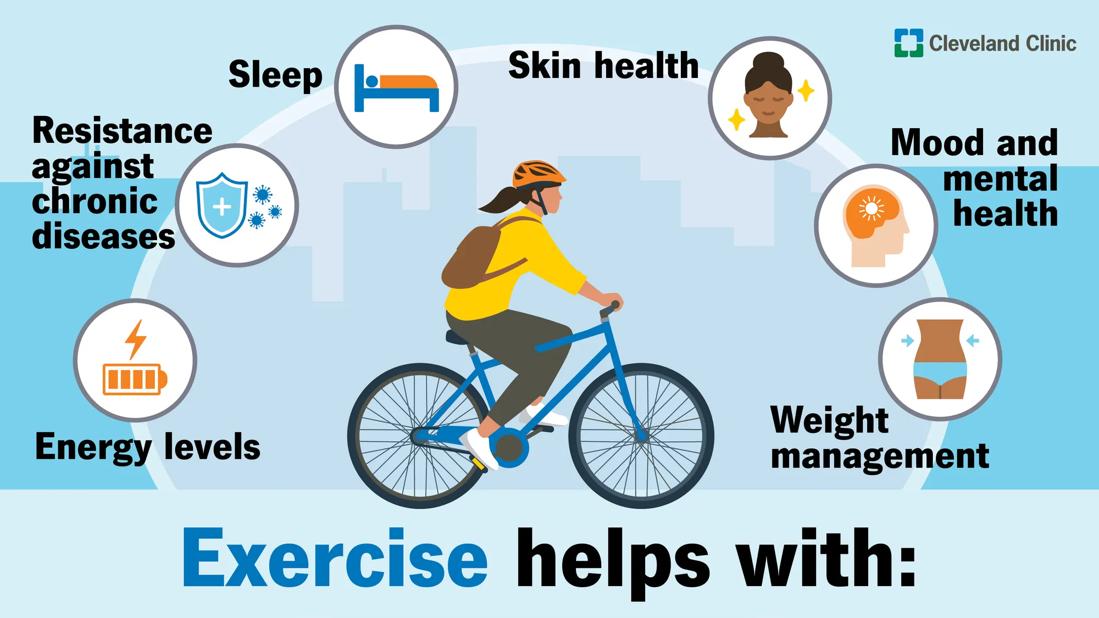
Credit: health.clevelandclinic.org
Overcoming Common Barriers
Starting exercise can feel tough. Many beginners face barriers that hold them back. These hurdles affect mental health and progress. Knowing how to overcome these barriers is key. Small changes can build strong habits. The mental benefits of exercise grow as you push past challenges.
Dealing With Lack Of Motivation
Motivation often fades after the first few days. Setting small, clear goals helps keep focus. Celebrate tiny wins to boost confidence. Try different activities to find what you enjoy. Exercising with a friend can make it more fun. Remind yourself why you started. Visualize how exercise improves your mood and energy.
Managing Time Constraints
Many believe exercise needs hours of free time. Short sessions still bring mental benefits. Break workouts into 10-15 minute chunks during the day. Use simple exercises that need no equipment. Plan workouts during less busy parts of the day. Prioritize exercise like any important task. Consistency matters more than duration.
Avoiding Burnout
Starting too hard can cause exhaustion and loss of interest. Pace yourself and listen to your body. Rest days help your mind and muscles recover. Mix different activities to keep workouts fresh. Focus on enjoyment, not perfection. Remember, exercise should reduce stress, not add it. Adjust your routine if feeling overwhelmed.
Tracking Progress And Staying Motivated
Tracking progress plays a key role in keeping motivation high during exercise. Seeing improvement gives a clear sense of achievement. It helps beginners stay focused and consistent. Motivation grows as small efforts add up to big changes. Simple tools and habits make tracking easy and fun. Staying motivated becomes natural with the right approach.
Using Journals And Apps
Journals and apps help record daily exercise activities. Writing down workouts creates a visual progress path. Apps often have reminders and goal-setting features. They can track steps, time, or calories burned. Some apps offer motivational badges for achievements. Choose tools that match personal preferences and goals. Regular updates encourage steady improvement.
Celebrating Small Wins
Small wins keep enthusiasm alive during the fitness journey. Every extra minute or extra step counts. Celebrating these moments boosts confidence and joy. Rewards don’t have to be big or costly. A simple note, a treat, or sharing success with friends works well. Recognizing effort builds a positive mindset. It helps overcome challenges and stay on track.
Finding Support Systems
Support systems provide encouragement and accountability. Friends, family, or online groups can offer motivation. Sharing goals and progress creates a sense of belonging. Support helps during tough days or setbacks. Group activities add fun and social connection. Choose people who inspire and respect your fitness path. A strong support system makes exercise less lonely.
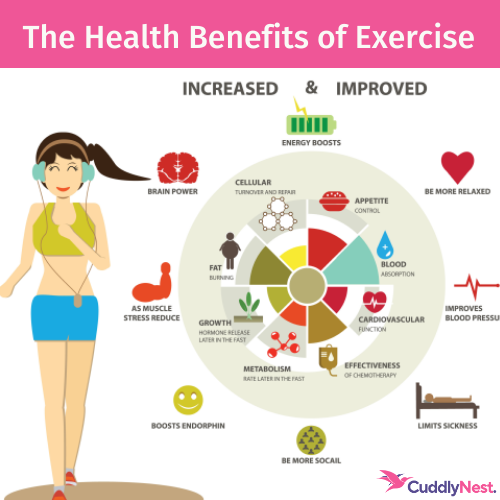
Credit: scott890lewis.medium.com
Frequently Asked Questions
What Mental Benefits Does Exercise Offer Beginners?
Exercise helps reduce stress, anxiety, and depression for beginners. It boosts mood and improves overall mental clarity and focus.
How Often Should Beginners Exercise For Mental Health?
Beginners should aim for at least 3 to 5 sessions per week. Consistency is key to gaining mental health benefits.
Can Exercise Improve Sleep Quality For Beginners?
Yes, regular exercise promotes better sleep patterns. Improved sleep helps enhance mood, energy, and cognitive function.
Does Exercise Increase Brain Function In Beginners?
Exercise stimulates brain chemicals that support memory, learning, and concentration. It also promotes neuroplasticity, aiding mental sharpness.
Conclusion
Exercise helps your mind as much as your body. It can reduce stress and lift your mood. You feel more focused and sleep better too. Starting small is okay; every bit counts. Mental health improves step by step with regular activity.
Choose activities you enjoy to keep going. Your brain and body both benefit from movement. Stay consistent, and you will notice changes. Exercise is a simple way to feel happier and calmer. Give your mind the care it needs through exercise.







