
Waking up early for workouts can feel like a huge challenge. You hit snooze, roll over, and suddenly the morning is gone.
But what if you could change that? Imagine starting your day full of energy, feeling proud and ready to conquer your goals. This isn’t about willpower alone—it’s about simple tricks that make waking up early easier and even enjoyable. Keep reading, and you’ll discover how to transform your mornings and make early workouts a natural part of your routine.
Your body—and mind—will thank you.
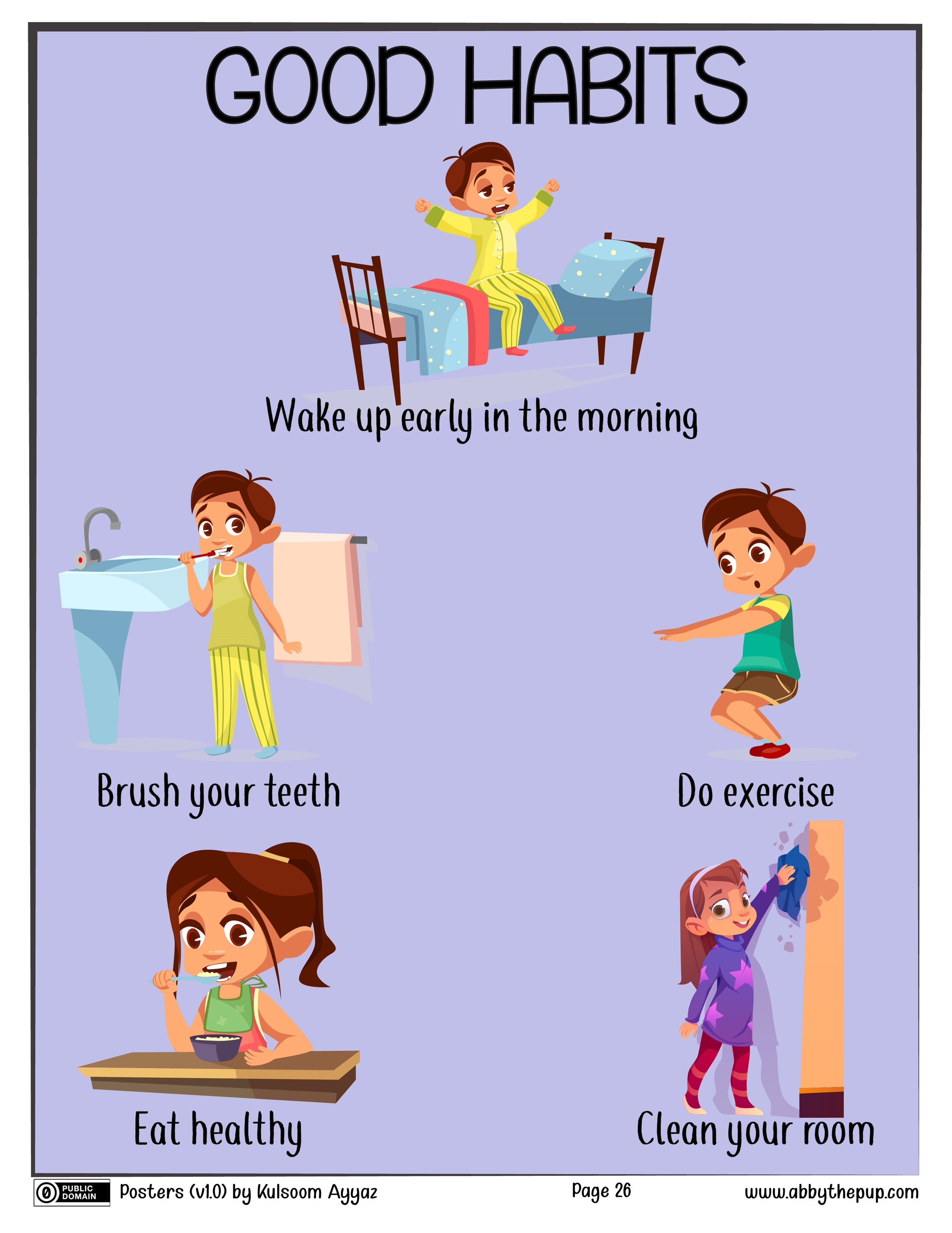
Credit: medium.com
Benefits Of Early Workouts
Starting your day with a workout brings many benefits. Exercising early helps set a positive tone for the whole day. It can improve both your body and mind in several ways.
Boosted Energy Levels
Morning workouts wake up your body and mind. They increase blood flow and oxygen to your muscles. This makes you feel more awake and alert. Exercising early also helps you avoid feeling sluggish later.
Improved Mental Focus
Exercise in the morning sharpens your concentration. It releases chemicals that enhance brain function. You become more attentive and ready to tackle tasks. This mental clarity can last for hours after your workout.
Enhanced Metabolism
Working out early speeds up your metabolism. Your body burns calories faster throughout the day. This helps with weight management and overall health. Morning exercise also improves digestion and energy use.
Setting A Consistent Sleep Schedule
Going to bed and waking up at the same time helps your body adjust to early workouts. A steady sleep routine makes mornings easier and boosts energy.
Setting a Consistent Sleep Schedule Waking up early for workouts often starts the night before. Establishing a consistent sleep schedule can be your secret weapon in feeling refreshed and ready for morning exercise. It’s not just about setting an alarm—it’s about aligning your body’s internal clock with your lifestyle goals.Choosing The Right Bedtime
Finding the perfect bedtime is crucial for a balanced sleep cycle. Consider when you need to wake up and work backwards to ensure you’re getting 7-9 hours of sleep. If you need to wake up at 6 a.m., aim for a bedtime around 10 p.m. Experiment with different bedtimes to discover what works best for your energy levels. Consistency is key; try to stick to the same schedule even on weekends. This helps regulate your body’s natural rhythms, making it easier to rise early with energy.Limiting Screen Time Before Bed
The glow of screens can interfere with your sleep quality. Consider setting a digital curfew an hour before bedtime to allow your mind to unwind. Engage in activities like reading a book or journaling instead. Blue light from screens can trick your brain into thinking it’s still daytime. By reducing screen exposure, you’re signaling to your body that it’s time to relax and prepare for sleep. This simple change can significantly improve how you feel in the morning.Creating A Relaxing Night Routine
A calming night routine can ease you into a restful sleep. Think about activities that help you relax, such as taking a warm bath or practicing meditation. These rituals can signal to your mind that it’s time to slow down. Consistency in your night routine reinforces your sleep schedule. As you unwind, your body begins to associate these activities with sleep, making it easier to drift off. Have you noticed how a soothing routine can transform your bedtime experience? By setting a consistent sleep schedule, you can transform your mornings and make early workouts a regular part of your day.Preparing The Night Before
Preparing the night before can change how easy it feels to wake up early for workouts. Small actions taken before bed set the stage for a smooth morning routine. Imagine waking up without scrambling or second-guessing your plans. What if your mornings started with clarity and purpose instead of stress?
Laying Out Workout Clothes
Choose your workout clothes the night before and place them where you can see them first thing. This simple step eliminates decision fatigue in the morning. If your shoes, socks, and gear are ready, you’re more likely to get moving quickly.
Try picking clothes that fit the weather to avoid morning surprises. I once left my running shoes outside on a rainy night—it ruined my motivation to run. Learning to prepare all your gear avoids that frustration.
Planning Your Exercise Routine
Decide what workout you will do before you go to sleep. Write it down or save it on your phone. This helps you wake up with a clear goal, not wondering what to do next.
Mix up your routine so it stays exciting. If you have a list of workouts ready, you won’t waste time scrolling for ideas. This keeps your morning energy focused on action, not planning.
Prepping Healthy Breakfast
Prepare breakfast ingredients or meals in advance. Overnight oats, chopped fruits, or smoothie packs make it easy to eat well after your workout. When breakfast is ready, you have one less excuse to skip the workout.
Think about what fuels you best. I noticed my energy drops when I don’t eat soon after exercising. Having a healthy breakfast waiting keeps your energy steady and your motivation high.
Effective Alarm Strategies
Waking up early for workouts is easier when your alarm strategy works with your natural rhythm instead of against it. You need alarms that not only wake you but also motivate you to get out of bed. Experiment with different approaches to find what makes you jumpstart your morning without hitting snooze repeatedly.
Using Multiple Alarms
Setting more than one alarm can help you avoid falling back asleep after the first one rings. Try spacing alarms 5 to 10 minutes apart to create a gentle yet persistent wake-up call. This approach helped me stop ignoring a single alarm and made waking up less of a shock to the system.
However, don’t set too many alarms; it can turn into a habit of snoozing without fully waking. Use just enough to nudge you awake but not enough to encourage laziness.
Placing Alarm Across The Room
Put your alarm clock or phone far from your bed so you have to get up to turn it off. This small action forces your body into motion, making it harder to crawl back under the covers. I once struggled with morning laziness until I made this simple change—now, I’m up and moving before the alarm even stops ringing.
Try placing the alarm near a window or a light source. It’s easier to stay awake when you expose yourself to natural light immediately.
Choosing Energizing Alarm Sounds
Your alarm sound should energize you, not stress you out. Pick tunes with a positive beat or nature sounds that gradually increase in volume. I switched from a harsh buzzer to a song I like, and mornings became less of a battle.
Think about what motivates you. Is it upbeat music, birds chirping, or even a motivational quote recorded in your voice? Your alarm sound can set the tone for your workout mindset.
Motivational Techniques
Finding the motivation to wake up early for workouts can be tough. The key is to connect your actions to meaningful reasons that keep you moving forward. Motivational techniques help create a strong mental link between your morning routine and the results you want to see.
Setting Clear Fitness Goals
Clear goals give you a target to aim for each morning. Instead of vague ideas like “get fit,” decide exactly what you want to achieve—such as running 3 miles or completing a 30-minute yoga session.
Having specific goals makes it easier to plan your workouts and measure your success. Ask yourself, what do I want to feel or accomplish by waking up early? Let that answer guide your daily effort.
Tracking Progress Regularly
Seeing progress fuels your motivation to keep going. Use a journal, app, or calendar to record your workouts and improvements. This creates a visual reminder of how far you’ve come.
Tracking also helps you spot patterns, like which mornings you perform best or where you struggle. How can you adjust your plan if certain days feel harder? Monitoring your progress keeps you honest and accountable.
Rewarding Morning Successes
Celebrate small wins to reinforce your commitment. After a successful early workout, treat yourself with something enjoyable—a favorite smoothie, extra relaxation time, or a motivating playlist for the next session.
Rewards don’t have to be big or costly, just meaningful enough to make waking up early feel worthwhile. What simple rewards can you add to make your mornings more exciting? Recognizing your efforts builds positive momentum.

Credit: www.youtube.com
Overcoming Common Obstacles
Waking up early for workouts often feels tougher than it should. You might face tiredness, a packed schedule, or just plain lack of motivation. Tackling these obstacles head-on can make your mornings smoother and your workouts more consistent.
Dealing With Morning Fatigue
Morning fatigue can stop you before you even get out of bed. One trick I learned was to avoid hitting the snooze button—it actually makes you feel groggier. Instead, try placing your alarm across the room so you have to get up to turn it off.
Also, think about your sleep quality. Are you sleeping enough hours? Cutting screen time an hour before bed helped me sleep deeper and wake up fresher. Could adjusting your evening routine help you wake up with more energy?
Managing Time Constraints
Busy mornings can leave you feeling like there’s no time for exercise. But you don’t need a full hour; even 15 minutes can boost your energy and mood. I started setting my workout clothes out the night before—it saved me valuable time and removed decision fatigue in the morning.
Try breaking your workout into smaller chunks if needed. Can you fit a quick stretch before breakfast or a short walk during a break? Using a timer or workout app can help you stay on track without eating into your schedule.
Handling Lack Of Motivation
Motivation can be unpredictable, and it’s normal to feel off sometimes. When I struggled, I asked myself, “What’s one small step I can take right now?” Often, just starting with a simple stretch led to a full workout.
Find what excites you about your morning routine. Is it the fresh air, the music you love, or a sense of accomplishment? Pairing your workout with something enjoyable makes it easier to stick with it. What motivates you enough to jump out of bed?
Creating A Supportive Environment
Creating a supportive environment is key to waking up early for workouts. It’s easier to get out of bed when you know someone else is counting on you or when tools around you keep your motivation high. Surrounding yourself with encouragement can turn a tough morning into a powerful habit.
Finding A Workout Buddy
Having a workout buddy changes the game. You’re less likely to hit snooze when you know someone is waiting for you. Choose a friend who shares your fitness goals or schedule, so you can hold each other accountable.
Think about how much easier it was to wake up for school or work when you had a friend to go with. That same principle applies here. You can even text each other the night before to confirm your plans—small accountability boosts motivation.
Joining Morning Fitness Groups
Joining a group adds a social element that can boost your commitment. Whether it’s a local running club or a yoga class, knowing others will be there creates a sense of responsibility. Plus, groups often offer encouragement and tips that keep you engaged.
If you’re shy about joining a new group, start by attending a free session or two. You might find that the positive energy and shared goals help you look forward to those early mornings.
Using Motivational Apps
Apps designed for fitness motivation can be powerful allies. They send reminders, track progress, and celebrate your wins, making your morning routine feel rewarding. Some apps even let you connect with friends for extra support.
Try apps like Strava for running, Fitbit for activity tracking, or even simple alarm apps with motivational quotes. Setting up daily challenges or streaks can spark friendly competition that keeps you coming back each day.
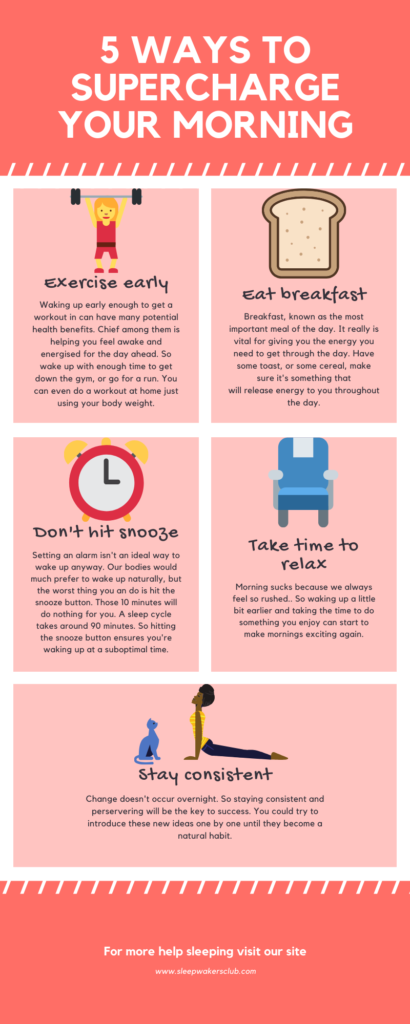
Credit: tedmoreno.medium.com
Frequently Asked Questions
How Can I Wake Up Early For Workouts Consistently?
Set a fixed bedtime and wake-up time daily. Avoid screens before sleeping and create a relaxing nighttime routine. Use an alarm placed away from your bed to encourage getting up immediately.
What Are The Best Tips To Avoid Morning Workout Laziness?
Prepare workout clothes the night before. Start with light exercises to boost energy. Drink a glass of water upon waking to refresh your body and mind.
How Does Sleep Quality Affect Waking Up Early?
Good sleep quality ensures you feel rested and alert. Poor sleep makes waking up early hard and reduces workout motivation. Prioritize 7-8 hours of uninterrupted sleep for best results.
Can Morning Workouts Improve My Daily Productivity?
Yes, morning workouts boost energy and focus throughout the day. They enhance mood and reduce stress, increasing overall productivity. Starting your day active sets a positive tone for work.
Conclusion
Waking up early for workouts takes practice and patience. Start by setting a clear goal and a consistent bedtime. Avoid screens before sleep to rest better. Prepare your workout clothes the night before. Small steps lead to big changes. Soon, early workouts will feel natural and energizing.
Stick with these tips, and enjoy your healthy mornings.







