
Exams can drain your energy and focus, making it hard to stay motivated for fitness. But what if you could boost your mood, sharpen your mind, and keep your body active—all while preparing for your tests?
You don’t have to choose between studying and staying fit. You’ll discover simple, practical ways to keep your fitness motivation alive during exams. By the end, you’ll feel ready to tackle both your workouts and your studies with more energy and confidence.
Keep reading to unlock the secrets that will help you stay strong, focused, and motivated when it matters most.
Challenges Of Staying Fit During Exams
Staying fit during exam periods can feel like an uphill battle. Your focus shifts almost entirely to studying, leaving little room for exercise or healthy habits. Recognizing the challenges you face is the first step to overcoming them and keeping your motivation alive.
Common Obstacles
Time is often the biggest enemy. Long study hours make it hard to find moments to move your body. You might also face a lack of energy after intense mental work, making exercise seem like a low priority.
Distractions pile up too. Social media, last-minute revisions, and even stress-eating can pull you away from your fitness goals. Have you noticed how easy it is to skip workouts when deadlines loom?
Impact Of Stress And Fatigue
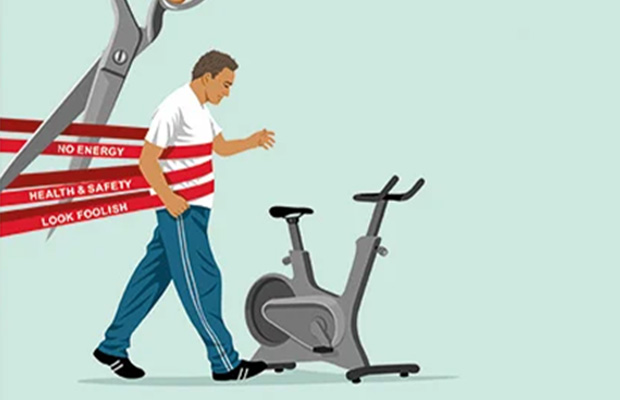
Stress triggers your body to produce cortisol, a hormone that can make you feel tired and sluggish. This effect can lower your motivation to exercise, even though physical activity is a great stress reliever.
Fatigue from sleepless nights or constant mental strain reduces your physical stamina. When your body feels drained, pushing through a workout might seem impossible. But think about how a short walk or simple stretches could actually boost your energy levels.
Credit: www.bhf.org.uk
Setting Realistic Fitness Goals
Setting small, clear fitness goals helps keep motivation strong during exams. Achievable targets make exercise less stressful and more rewarding. This approach balances study time with healthy activity.
Setting realistic fitness goals during exam time is crucial. It helps maintain motivation and balance. Students often feel overwhelmed by studies. Yet, staying active can enhance focus and energy. The key is to set achievable goals that fit your schedule. This approach ensures consistency without extra stress.Short-term Vs Long-term Goals
Short-term goals are daily or weekly targets. They are easier to achieve. For example, aim for a 15-minute walk. Or do a quick workout session. Small victories boost confidence and motivation. Long-term goals focus on the bigger picture. Think about a month or semester. Plan to maintain or improve fitness levels. These goals align with your overall health and well-being. They require patience and persistence.Aligning Goals With Exam Schedule
Exams demand time and focus. Align fitness goals with this busy schedule. Identify peak study hours. Schedule workouts during breaks or lower productivity periods. Use physical activity as a refreshing pause from study. Prioritize workouts that fit your available time. Short, high-intensity workouts are effective. They offer maximum benefit in less time. Be flexible. Adjust goals as exam dates approach. Balancing both will help reduce stress and enhance performance.Creating An Effective Workout Plan
Creating an effective workout plan during exams helps maintain both energy and focus. It balances study demands with physical activity. A good plan fits into tight schedules and boosts mood and health. Focus on simple routines that keep your body active without taking too much time. Consistency matters more than intensity during busy exam days.
Time-efficient Exercises
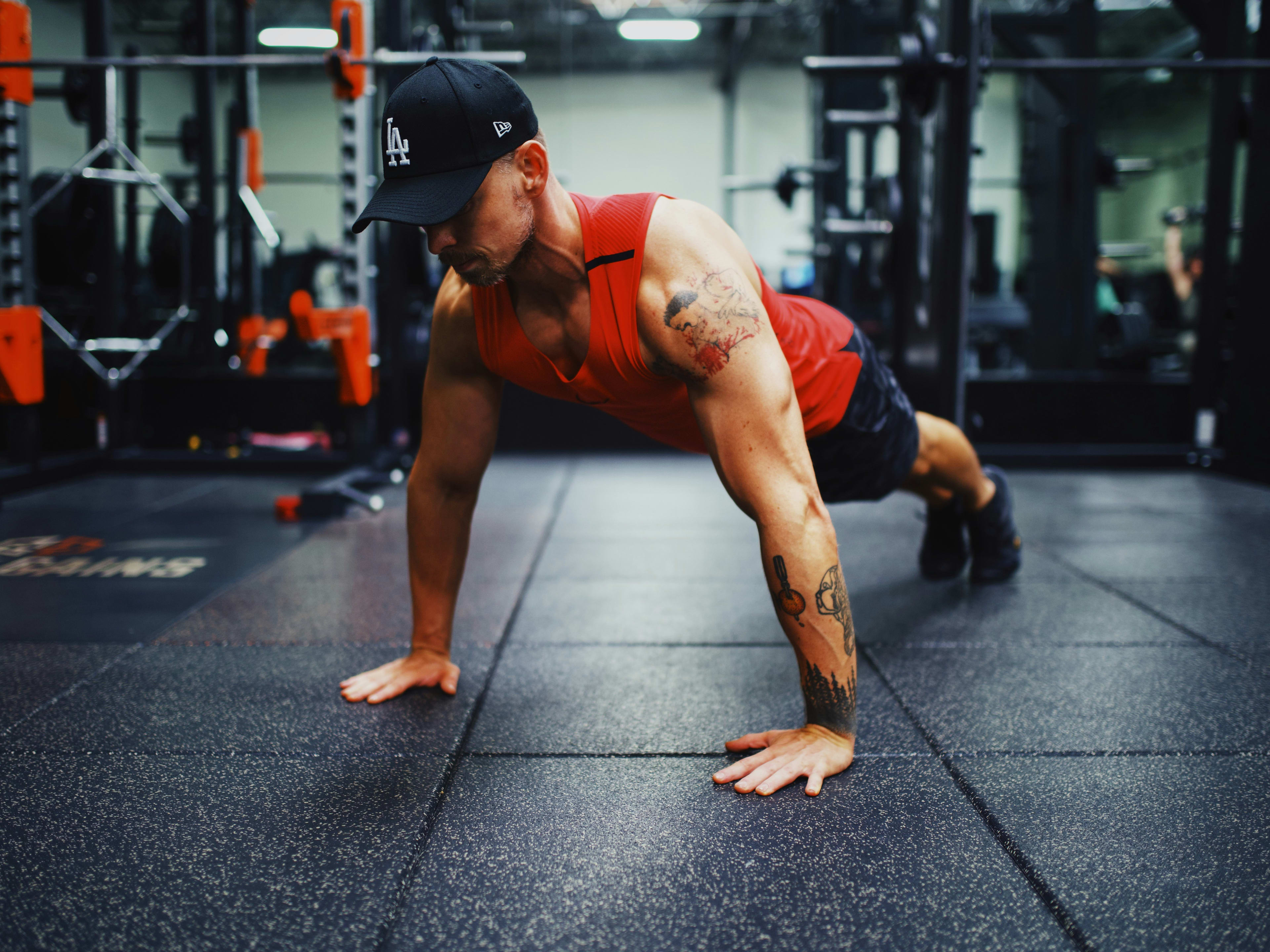
Choose workouts that give maximum benefit in minimal time. High-Intensity Interval Training (HIIT) fits well into short breaks. A quick 15 to 20-minute session can boost metabolism and clear your mind. Bodyweight exercises like push-ups, squats, and jumping jacks need no equipment.
- Jump rope for 5 minutes
- Perform 3 sets of 10 push-ups
- Do 3 sets of 15 squats
- Try 20 jumping jacks between study sessions
These exercises keep your heart rate up and muscles engaged. No need for long hours at the gym. Focus on quality and speed to maximize results.
Incorporating Flexibility And Strength
Mix flexibility exercises with strength training to improve posture and reduce stress. Stretching helps relax muscles and improves blood flow. Yoga poses or simple stretches fit easily between study times. Strength training with light weights or resistance bands builds endurance and power.
- Do 10 minutes of stretching focusing on neck and back
- Include planks to strengthen your core
- Use resistance bands for bicep curls and shoulder presses
- Practice deep breathing during stretches for relaxation
This balance prevents stiffness and keeps your body ready for long study hours. It also supports mental clarity and reduces exam stress.

Credit: www.youtube.com
Boosting Motivation Daily
Keeping your fitness motivation alive every day during exams can feel like a tough challenge. The stress of studying often leaves little energy or focus for workouts. But boosting your motivation daily helps you maintain your fitness routine and even improves your exam performance by reducing stress and increasing energy.
How can you make sure you stay driven each day, even when deadlines loom? It starts with small, practical steps that keep your goals clear and your progress visible.
Using Rewards And Milestones
Setting rewards for yourself gives you something to look forward to beyond just finishing a workout. These rewards don’t have to be big—think of a favorite snack, an episode of a show, or a short break outside.
Break your fitness goals into small milestones. Celebrate hitting these milestones to keep your spirits high and your motivation steady.
- Complete three workouts in a week? Treat yourself to a relaxing bath.
- Reach a new personal best in running or lifting? Buy a new workout playlist or gear.
- Stick to your schedule for a month? Plan a fun activity with friends.
These small rewards create a positive feedback loop. They make your fitness routine feel rewarding in the moment, not just when the big goal is achieved.
Tracking Progress
Tracking your progress turns vague intentions into clear achievements. Use a journal, app, or simple checklist to log your workouts, reps, or how you feel after exercising.
Seeing your progress on paper or screen can be a powerful motivator. It reminds you how far you’ve come, especially on days when motivation is low.
| Tracking Tool | What to Track | Why It Helps |
|---|---|---|
| Fitness App | Workout duration, calories burned | Visual charts show improvement over time |
| Journal | Daily mood, energy levels, workout details | Connects exercise with mental and emotional benefits |
| Calendar | Workout days checked off | Creates a streak that you don’t want to break |
Have you noticed how a simple checkmark can sometimes spark a sense of accomplishment? Try tracking your fitness daily and watch how it pushes you to keep going.
Balancing Study And Exercise
Balancing study and exercise is key during exam time. Exercise helps reduce stress and boosts brain power. Studying non-stop can tire your body and mind. Short, planned breaks for physical activity keep energy high. Finding the right balance improves focus and learning.
Scheduling Breaks For Physical Activity
Set specific times for exercise between study sessions. Use a timer to remind yourself to stand up. A 5-10 minute walk or stretch refreshes your body. Regular breaks stop fatigue and increase productivity. Treat these breaks as important appointments. Your body and mind will thank you.
Combining Study And Movement
Try simple exercises while studying to stay active. Walk slowly while reading notes or flashcards. Use a standing desk to avoid sitting too long. Stretch your arms and legs during long study hours. Light exercise improves blood flow and focus. Movement keeps your brain alert and ready.
Nutrition Tips To Support Fitness
Nutrition plays a key role in keeping your fitness motivation alive during exams. Eating the right foods fuels your body and mind, helping you stay active and focused. Without proper nutrition, even the best workout plans can fall flat.
Energizing Snacks
Choosing snacks that provide steady energy can keep your workouts consistent and your study sessions sharp. Opt for snacks combining protein, healthy fats, and complex carbs, like a handful of nuts with fruit or yogurt with granola.
Think about how you feel after grabbing a quick sugary snack—does your energy drop fast? Try swapping that for options like:
- Apple slices with peanut butter
- Whole grain crackers with cheese
- Trail mix with seeds and dried fruit
These snacks release energy slowly and keep hunger at bay longer, helping you push through both workouts and study marathons.
Hydration Importance
Water is often overlooked but is essential for both physical performance and mental clarity. Even mild dehydration can reduce your workout efficiency and concentration levels.
Keep a water bottle nearby and sip regularly throughout the day. If plain water feels boring, add slices of lemon or cucumber for a refreshing twist.
Are you drinking enough to support your active lifestyle and exam prep? Tracking your intake can reveal if you need to drink more to feel energized and focused.
Mental Health And Fitness Connection
Maintaining fitness during exams supports both body and mind. Mental health and physical activity are closely linked. Exercise helps clear the mind and boosts mood. It also improves focus and energy. This connection makes fitness a powerful tool for exam success. Staying active reduces anxiety and builds resilience. Simple fitness habits protect mental well-being during stressful times.
Exercise To Reduce Exam Stress
Exercise releases chemicals that improve mood and lower stress. Even short workouts help clear mental fog. Activities like walking or jogging increase oxygen flow to the brain. This sharpens thinking and memory. Regular exercise creates a routine, adding structure to study days. It also breaks long study sessions, preventing burnout. Choose activities you enjoy for lasting motivation.
Mindfulness And Relaxation Techniques
Mindfulness calms the mind by focusing on the present moment. It reduces worrying thoughts about exams. Simple breathing exercises relax the body and ease tension. Meditation helps improve concentration and emotional balance. Try short sessions between study periods to refresh your mind. These techniques build mental strength and reduce exam pressure.
Credit: www.mensfitness.com
Staying Accountable
Staying accountable is key to maintaining fitness during exams. It helps keep your focus and energy high. Accountability creates a sense of responsibility. This pushes you to stay active even on busy days. It also makes workouts more enjoyable and less of a chore.
Finding Workout Partners
Workout partners bring motivation and support. They make exercise feel less lonely. Partners can remind each other about workout times. They encourage consistency and push for better results.
Choose partners with similar fitness goals. Plan workouts together to fit your exam schedule. Share progress and celebrate small wins. This strengthens commitment and keeps spirits high.
Using Fitness Apps
Fitness apps track workouts and progress easily. They send reminders to keep you on track. Many apps offer goal setting and daily challenges. This adds excitement and a sense of achievement.
Apps also connect you with online communities. These groups provide encouragement and tips. Use apps to log exercises, monitor calories, and set targets. This digital accountability helps maintain regular workouts.
Frequently Asked Questions
How Can I Stay Motivated To Exercise During Exams?
Set small, realistic fitness goals to maintain motivation. Schedule short workouts between study sessions. Reward yourself after completing exercises to boost motivation.
What Are Quick Workouts To Fit In Exam Study Breaks?
Try high-intensity interval training (HIIT), stretching, or yoga. These workouts improve focus and relieve stress in 10-15 minutes. They are easy to do without special equipment.
How Does Exercise Affect Exam Performance?
Exercise improves blood flow to the brain, enhancing concentration. It reduces stress and anxiety, leading to better memory retention. Regular physical activity boosts overall mental clarity during exams.
What Are Easy Ways To Combine Studying And Fitness?
Use active study methods like walking while reviewing notes. Perform light exercises during breaks to stay energized. Incorporate standing or stretching while studying to reduce fatigue.
Conclusion
Staying active helps clear your mind during exams. Small workouts boost energy and reduce stress. Set simple goals to keep your routine steady. Take short breaks to move and breathe fresh air. Keep your focus by balancing study and fitness.
Remember, even little steps make a big difference. Stay consistent, and your body and mind will thank you. Fitness and exams can go well together. Keep going, and you will feel stronger every day.







