
Have you ever wondered why staying motivated feels so hard sometimes? You’re not alone.
Understanding the psychology behind your motivation can unlock the reasons why you start strong but quickly lose steam. This isn’t just about willpower—it’s about how your brain works, what triggers your drive, and why certain habits keep you stuck. If you want to finally break free from frustration and boost your motivation in a way that lasts, keep reading.
The answers might surprise you—and change the way you approach your goals forever.

Credit: www.salestrainingint.com
Common Motivation Challenges
Motivation is not just about willpower. Many people face real psychological challenges that block their drive. Understanding these common hurdles can help you find better ways to push through and stay focused.
Mental Blocks
Mental blocks often come from fear of failure or self-doubt. You might catch yourself thinking, “What if I mess up?” This stops you before you even begin.
One way to overcome this is by breaking tasks into smaller steps. When I struggled with a big project, splitting it into tiny goals made it less scary and more manageable. Have you tried breaking your goals down?
Emotional Drain
Feeling emotionally drained can kill your motivation fast. Stress, anxiety, or sadness drain your energy, leaving little left for work or goals.
Recognize when your emotions are draining you. Taking short breaks, practicing mindfulness, or talking to someone can recharge your mental batteries. How often do you check in with your feelings during a busy day?
External Distractions
Distractions from your environment can pull you away from what matters. Social media, noisy spaces, or constant interruptions make it hard to concentrate.
Create a distraction-free zone or set specific times for checking your phone. When I turned off notifications during work hours, my focus improved dramatically. What distractions steal your attention most often?
Psychological Barriers
Mental blocks often stop people from feeling motivated. Fear of failure or doubt can make starting tasks hard. These barriers affect how the mind works and slow progress.
Psychological Barriers Motivation often feels like an elusive force, slipping away just when you need it the most. At its core, motivation is deeply intertwined with our psychological makeup. Various barriers can impede your drive, leaving you feeling stuck or overwhelmed. Understanding these barriers can help you navigate through them and find the motivation you seek.Fear Of Failure
Fear of failure is a common psychological barrier that can paralyze your efforts before you even begin. You might feel anxious about not meeting expectations, leading to procrastination or avoidance. Consider this: what’s the worst that could happen if you don’t succeed? Often, the reality isn’t as daunting as the fear itself. Acknowledging this fear is the first step in overcoming it.Perfectionism
Perfectionism can be a double-edged sword. While striving for excellence seems commendable, the relentless pursuit of perfection can lead to burnout and dissatisfaction. Have you ever spent hours tweaking a project that was already good enough? Perfectionism can keep you in a cycle of endless revisions, preventing you from moving forward. Embrace the concept of “good enough” and see how it liberates your creativity.Low Self-efficacy
Low self-efficacy refers to doubting your ability to succeed in specific tasks. If you lack confidence in your skills, it’s challenging to muster the motivation to start. Reflect on past achievements, no matter how small, to boost your confidence. You are more capable than you think. Reframe your mindset and celebrate small victories to build momentum. Understanding these psychological barriers can help you tackle them effectively. Which of these barriers resonates most with you? By identifying and addressing them, you can unlock the motivation you need to achieve your goals.Role Of Mindset
Mindset plays a crucial role in motivation. It shapes how people view challenges and setbacks. A healthy mindset can fuel persistence and effort. A negative one can drain energy and hope. Understanding mindset helps explain why motivation varies.
Fixed Vs Growth Mindset
A fixed mindset believes abilities are set and cannot change. People with this mindset avoid challenges and fear failure. They often give up easily when tasks become hard.
A growth mindset sees abilities as improvable through effort and learning. This mindset encourages trying new things and learning from mistakes. People stay motivated because they believe effort leads to improvement.
Choosing a growth mindset helps people face difficulties without losing motivation. It promotes resilience and a positive attitude toward learning.
Impact Of Negative Self-talk
Negative self-talk harms motivation. It includes thoughts like “I can’t do this” or “I’m not good enough.” These thoughts create doubt and reduce confidence.
When people hear negative messages from themselves, they feel less willing to try. This lowers energy and increases fear of failure.
Replacing negative self-talk with positive, encouraging words can boost motivation. Simple phrases like “I will try my best” or “Mistakes help me learn” support progress and effort.
Credit: medium.com
Influence Of Environment
The environment around us shapes our motivation deeply. It creates a backdrop that can either fuel our drive or drain it away. Simple things like the people we meet, the habits we form, and the daily surroundings impact our inner energy. Understanding how these elements work helps reveal why motivation often feels hard to maintain.
Social Pressure
Social pressure can either push or pull motivation. People often feel the need to fit in or meet others’ expectations. This pressure sometimes causes stress or fear of failure. It can block the natural desire to act freely. When motivation depends on others’ approval, it becomes fragile and short-lived.
Lack Of Support
Support from friends, family, or colleagues is crucial for staying motivated. Without encouragement, people may feel isolated or unsure of their goals. Lack of support often leads to doubt and low confidence. Motivation drops when there is no one to share progress or setbacks with. A strong support system builds resilience and keeps motivation alive.
Unhealthy Habits
Daily habits shape motivation more than many realize. Poor sleep, bad diet, and little exercise reduce energy levels. Unhealthy habits make the mind foggy and less focused. They create a cycle where low motivation leads to more unhealthy choices. Breaking these habits is key to restoring motivation and mental clarity.
Biological Factors
Biological factors play a crucial role in motivation. They affect how the brain and body work together to create drive and energy. Many people struggle with motivation because of changes or imbalances in their biology. Understanding these factors can help explain why motivation feels low at times.
Brain Chemistry
Brain chemicals like dopamine influence motivation deeply. Dopamine acts as a reward signal, encouraging action and focus. Low dopamine levels often lead to feelings of tiredness and lack of interest. Other neurotransmitters, such as serotonin and norepinephrine, also affect mood and energy. Imbalances in these chemicals can reduce motivation, making tasks feel harder.
Sleep And Energy Levels
Sleep is vital for maintaining energy and motivation. Poor sleep disrupts brain function, reducing alertness and focus. Without enough rest, motivation drops sharply. Tired brains find it tough to start or finish tasks. Consistent sleep problems can create a cycle of low energy and low motivation. Good sleep habits improve mental clarity and boost drive.
Overcoming Hidden Barriers
Overcoming hidden barriers to motivation often means looking beyond the obvious. Sometimes, the challenge isn’t just about wanting to act but understanding what quietly holds you back. These barriers can be subtle, like unrealistic expectations or unnoticed habits, and breaking through them requires a clear plan and honest self-reflection.
Setting Realistic Goals
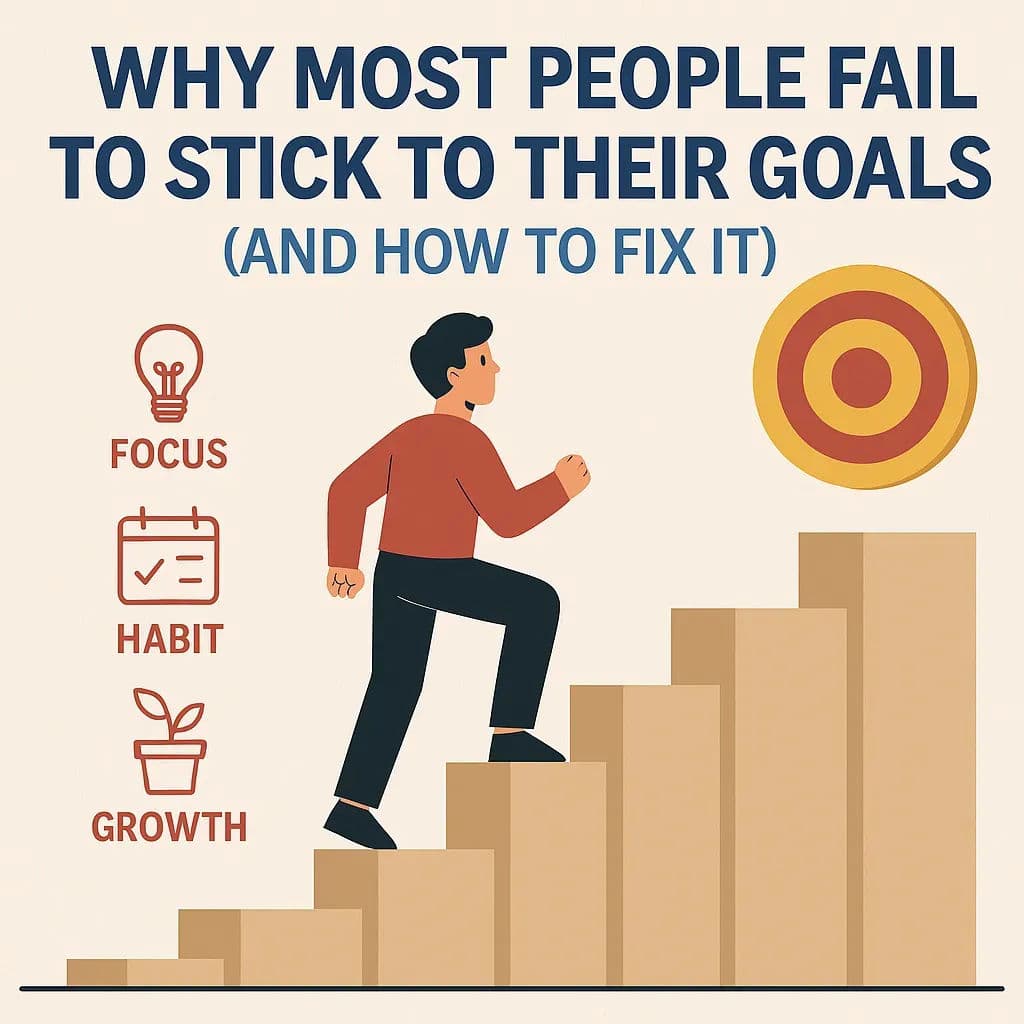
Setting goals that are too big or vague can drain your motivation quickly. Instead, break your goals into smaller, manageable steps that you can achieve steadily. This approach helps you celebrate progress regularly, which fuels your motivation.
Ask yourself: Are your goals clear enough to guide your daily actions? For example, rather than saying, “I want to get fit,” try “I will walk for 20 minutes every morning.” This simple shift makes your goal actionable and less intimidating.
Building Positive Habits
Motivation often fades because relying on willpower alone is exhausting. Building habits helps automate your actions, so you don’t have to constantly push yourself. Start with one small habit and repeat it consistently until it becomes part of your routine.
Think about the habits you already have. How can you add a positive action that supports your goal? For example, if you want to read more, place a book by your bedside and read one page before sleeping. Small habits stack up and create lasting change.
Seeking Professional Help
Sometimes, hidden barriers to motivation stem from deeper issues like anxiety or depression. If you find it hard to move forward despite your efforts, talking to a mental health professional can provide clarity and support. They can help you identify underlying patterns and offer strategies tailored to your needs.
Don’t hesitate to reach out if you feel stuck. Professional guidance is not a sign of weakness but a smart way to understand yourself better and overcome blocks you can’t tackle alone.
Credit: www.multigyan.in
Frequently Asked Questions
Why Do People Lose Motivation Easily?
People lose motivation due to unclear goals, lack of rewards, and fear of failure. Psychological barriers and stress also reduce drive.
How Does Psychology Explain Motivation Struggles?
Motivation struggles arise from internal conflicts, low self-esteem, and negative thought patterns. The brain’s reward system plays a key role.
What Role Do Emotions Play In Motivation?
Emotions strongly impact motivation. Positive feelings boost motivation, while anxiety and sadness lower energy and focus needed to act.
Can Environment Affect Motivation Levels?
Yes, a supportive environment encourages motivation. Negative surroundings, distractions, and lack of social support can hinder motivation.
Conclusion
Struggling with motivation is common and normal. Many factors affect how we feel and act. Understanding these reasons helps us manage our goals better. Small changes in thinking can improve motivation over time. Focus on one step at a time.
Stay patient and kind to yourself. Motivation will grow with practice and care. Keep trying, and you will see progress.







