
Starting martial arts can be exciting, but staying motivated isn’t always easy. You might feel tired, frustrated, or unsure if you’re improving fast enough.
That’s normal. The key is to keep pushing forward, even when things get tough. You’ll find simple and effective motivation tips designed just for beginners like you. These tips will help you stay focused, enjoy every step, and reach your goals faster than you think.
Ready to unlock your full potential? Let’s dive in.
Setting Clear Goals
Setting clear goals helps martial arts beginners stay focused and motivated. Goals give a sense of direction and purpose. They break down the learning process into manageable steps. Clear goals make progress easier to see and celebrate. They build confidence and encourage consistency in training. Without goals, beginners may feel lost or discouraged. Setting goals creates a roadmap for growth and success.
Short-term Milestones
Short-term milestones are small targets to reach soon. They keep motivation high by showing quick progress. Examples include learning a new technique or improving speed. These goals should be specific and easy to measure. Tracking short-term wins helps maintain daily training habits. Milestones provide clear signs of improvement. They make the journey less overwhelming and more fun.
Long-term Aspirations
Long-term aspirations focus on bigger achievements in martial arts. These goals might include earning a belt or competing in a tournament. They give a sense of purpose beyond daily training. Long-term goals help beginners stay committed over months or years. Breaking them into smaller steps makes them less intimidating. These aspirations inspire patience and persistence. They remind beginners why they started martial arts.
Credit: www.champions-uae.com
Building A Consistent Routine
Creating a daily habit helps keep training steady and progress clear. Small, regular sessions build strong skills and boost confidence over time. Consistency turns effort into lasting results.
Building a Consistent Routine Creating a consistent routine is key for martial arts beginners aiming to build discipline and improve skills. Establishing this routine can transform your practice from an occasional hobby into a vital part of your daily life. It’s not just about the physical act; it’s about setting the right mindset for growth and perseverance.Daily Practice Habits
Dedicate a specific time each day for your martial arts practice. Whether it’s early morning or late evening, consistency is more important than duration at first. Track your progress with a simple journal or app. Note down what you practiced, any new techniques you learned, and areas for improvement. This not only keeps you accountable but also shows tangible growth over time.Balancing Training And Rest
Avoid the temptation to overtrain, especially in the beginning. It’s easy to get caught up in the excitement and push too hard, but rest is just as crucial as training. Listen to your body’s signals. If you feel fatigued or notice persistent soreness, it might be time to take a step back. Resting prevents injuries and ensures that you return to training refreshed and ready to learn. How do you find the balance between pushing your limits and respecting your body’s need for recovery? The answer is in understanding that both training and rest are partners in your martial arts journey.Finding Inspiration
Finding inspiration plays a big role in staying motivated during martial arts training. It fuels your passion and helps push through tough moments. Inspiration can come from many sources, often outside your own experience. It reminds you why you started and keeps your goals clear.
Role Models And Mentors
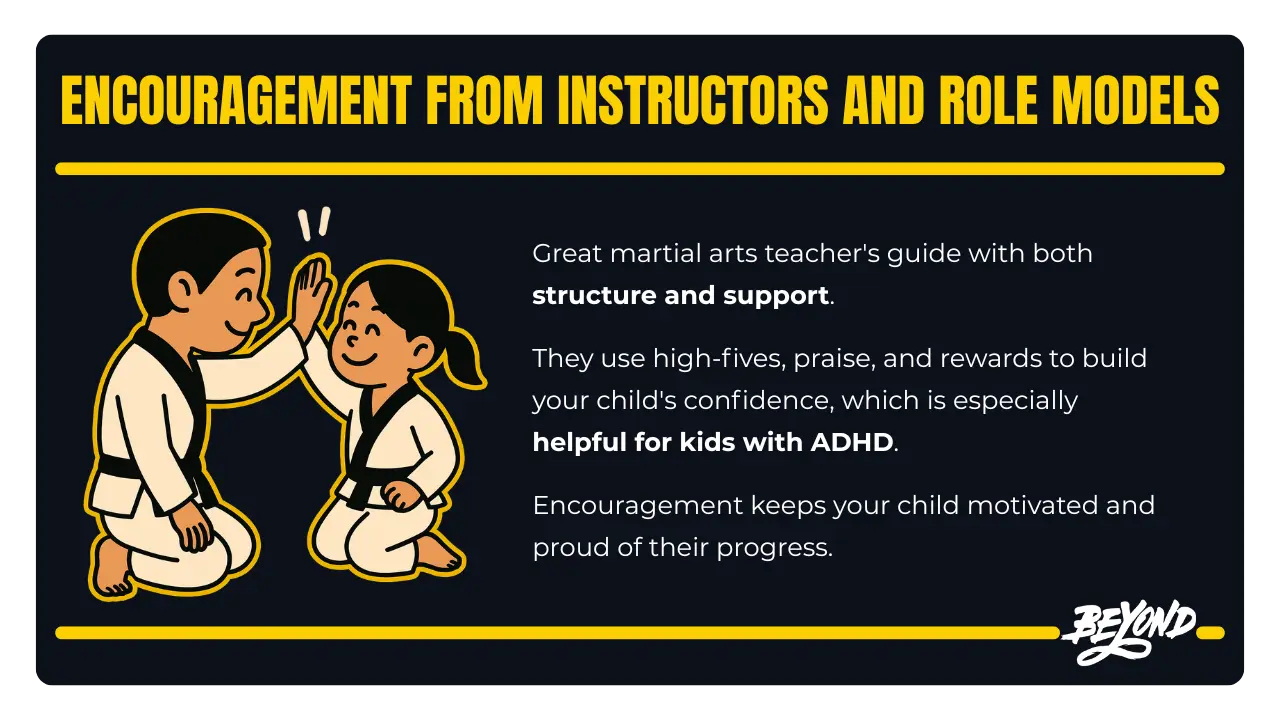
Role models show what is possible with hard work and dedication. Watching their journey can spark your own desire to improve. Mentors offer advice and support based on real experience. They guide you through challenges and celebrate your progress. Learning from them helps build confidence and focus.
Success Stories
Success stories inspire by showing real results from effort and commitment. They reveal the struggles and victories of others. Reading or hearing these stories helps you believe in your own potential. Success stories prove that growth is achievable at any skill level.
Credit: medium.com
Overcoming Challenges
Challenges are part of every martial arts journey. Facing them builds strength and helps you grow. Understanding how to overcome obstacles keeps your motivation alive. This section explores common struggles beginners face and ways to push through.
Dealing With Plateaus
Progress may slow down after initial excitement. Skills seem stuck. This is normal. Keep practicing consistently. Change your routine to add variety. Try new techniques or focus on weak areas. Set small, clear goals to track progress.
- Break big goals into smaller steps
- Celebrate tiny improvements
- Ask instructors for feedback
- Train with different partners
Patience is key. Trust the process. Plateaus do not last forever.
Managing Injuries And Setbacks
Injuries can stop training temporarily. Rest is important to heal properly. Avoid pushing through pain. Modify your exercises to stay active safely. Use setbacks as time to learn more about your body.
- Follow medical advice carefully
- Focus on mental training during rest
- Practice breathing and meditation
- Plan a gradual return to full training
Setbacks test your patience and willpower. Stay positive and keep your goals in mind.
Staying Mentally Strong
Staying mentally strong is key for martial arts beginners. Training is not just physical. The mind often faces doubts, fears, and frustration. Building mental strength helps keep focus and push through tough times. It also boosts confidence and improves learning speed. Simple mental habits can make a big difference in progress and enjoyment.
Positive Self-talk
Positive self-talk means using kind and encouraging words about yourself. Replace thoughts like “I can’t do this” with “I am learning every day.” Say phrases that build confidence and calm nerves. This helps reduce fear of failure and keeps motivation high.
- Speak to yourself like a coach would.
- Focus on progress, not perfection.
- Repeat short, positive phrases before training.
- Celebrate small wins with kind words.
Visualization Techniques
Visualization is imagining yourself succeeding in training or competition. Picture your movements, skills, and calm attitude. This mental practice prepares your brain for real action. It strengthens focus and reduces stress.
- Find a quiet place and close your eyes.
- See yourself performing techniques correctly.
- Imagine feeling strong and confident.
- Repeat this daily for a few minutes.
Tracking Progress
Tracking progress is one of the most powerful motivators for martial arts beginners. It gives you clear evidence of how far you’ve come and highlights areas that need improvement. Without tracking, it’s easy to lose sight of your growth, making it harder to stay committed.
Journaling Workouts
Writing down your workouts helps you see your journey in black and white. Note down what techniques you practiced, how long you trained, and any challenges you faced. This simple habit creates a record that shows your consistency and improvement over time.
Try to include details like:
- New moves learned
- Number of repetitions or rounds completed
- Physical or mental obstacles encountered
Journaling forces you to reflect after every session. Have you ever noticed how writing things down helps you remember them better? It also makes you accountable because skipping a workout becomes more obvious in your notes.
Celebrating Achievements
Small wins deserve attention. Did you land your first clean kick or hold a stance for longer than before? Celebrate these moments.
Mark your milestones with rewards that matter to you. It could be a new piece of gear, a rest day, or sharing your success with a friend. Recognizing progress fuels your motivation to keep pushing.
Ask yourself: What achievement today made me feel proud? Use that feeling to drive your next training session. This habit creates a positive feedback loop that makes your martial arts journey more enjoyable.
Building A Support Network
Building a support network is key for beginners in martial arts. It keeps motivation high and helps overcome challenges. Support from others makes training more enjoyable and less lonely. It creates a space to share progress and learn together.
Training Partners
Training partners push each other to improve every day. They provide feedback and help correct mistakes. Partners also make practice sessions fun and competitive. Finding someone with similar goals boosts commitment and consistency.
Practicing with a partner helps build trust and respect. It creates a safe environment to try new techniques. Partners celebrate small wins and encourage during setbacks.
Community Involvement
Joining a martial arts community connects you with others who share your passion. It offers opportunities to attend events, seminars, and workshops. This exposure broadens your knowledge and skills.
Being part of a community builds friendships beyond the dojo. It creates a sense of belonging and support. Members motivate each other through shared experiences and challenges.
Credit: blog.ownlocal.com
Embracing The Martial Arts Lifestyle
Embracing the martial arts lifestyle means more than just learning techniques. It involves adopting habits that support growth and well-being. This lifestyle shapes your body, mind, and spirit. It builds strength, focus, and respect. For beginners, understanding these elements helps stay motivated and enjoy the journey.
Nutrition And Fitness
Good nutrition fuels your training and recovery. Eating balanced meals helps maintain energy and build muscle. Drink plenty of water to stay hydrated during workouts. Avoid junk food that slows your progress.
Regular exercise outside training improves your fitness level. Stretching increases flexibility and prevents injury. Cardiovascular workouts boost endurance. Strength training builds power and stability. Consistency in fitness routines supports martial arts skills.
Mindfulness And Discipline
Mindfulness sharpens focus and reduces stress. It helps you stay present during practice and daily life. Breathing exercises calm the mind and improve concentration. Meditation enhances mental clarity and emotional control.
Discipline means sticking to your training plan. It teaches patience and respect for the art. Setting small goals keeps motivation high. Celebrating progress, not perfection, builds confidence. Discipline shapes character and martial arts success.
Frequently Asked Questions
How Can Beginners Stay Motivated In Martial Arts?
Beginners should set clear, achievable goals to track progress. Consistent practice and celebrating small wins boost motivation. Joining a supportive community also helps maintain enthusiasm.
What Are Quick Motivation Tips For Martial Arts Beginners?
Start with realistic goals, maintain a positive mindset, and visualize success. Find a training partner for accountability. Reward yourself after milestones to stay inspired and focused.
How Does Goal-setting Improve Martial Arts Motivation?
Setting goals provides direction and purpose during training. It helps measure progress and keeps beginners focused. Clear goals increase commitment and drive consistent practice.
Why Is A Training Partner Important For Motivation?
A training partner offers support, encouragement, and friendly competition. They help maintain consistency and make workouts enjoyable. This social aspect boosts motivation and accountability.
Conclusion
Staying motivated in martial arts takes time and effort. Set small goals and celebrate each success. Practice regularly to build skill and confidence. Remember, every expert started as a beginner. Keep a positive attitude and enjoy the learning process. Challenges will come, but they help you grow.
Surround yourself with supportive people who share your passion. Stay patient and trust your journey. Your dedication will bring progress and satisfaction. Keep moving forward, one step at a time.







