
You want to change your mindset and boost your confidence, but not all affirmations seem to work. What if there was a simple way to create powerful affirmations that actually make a difference in your life?
Imagine waking up every day feeling motivated, focused, and ready to tackle any challenge. You’ll discover exactly how to craft affirmations that stick with you and bring real results. Keep reading, because your mindset transformation starts here.
Why Affirmations Matter
Affirmations are more than just positive phrases you repeat; they hold real power to shape your thoughts and actions. Understanding why affirmations matter can change how you approach your daily mindset and goals. When you grasp their impact, you can create affirmations that genuinely work for you.
Impact On Mindset
Your mindset controls how you interpret events and challenges. Affirmations help shift your thinking from doubt to confidence by reinforcing positive beliefs.
Try this: when facing a setback, repeat a focused affirmation like, “I learn and grow from every challenge.”Over time, this changes your reaction to failure and builds resilience.
Have you noticed how your inner voice affects your mood and decisions? Affirmations guide that voice to support your success instead of holding you back.
Science Behind Affirmations
Research shows affirmations activate brain areas linked to self-processing and reward. This means positive self-talk can actually rewire your brain.
Studies using MRI scans reveal that affirmations reduce stress and increase activity in regions that help maintain self-integrity.
Imagine your brain as a muscle that grows stronger with practice. Repeating affirmations regularly strengthens neural pathways for optimism and motivation.
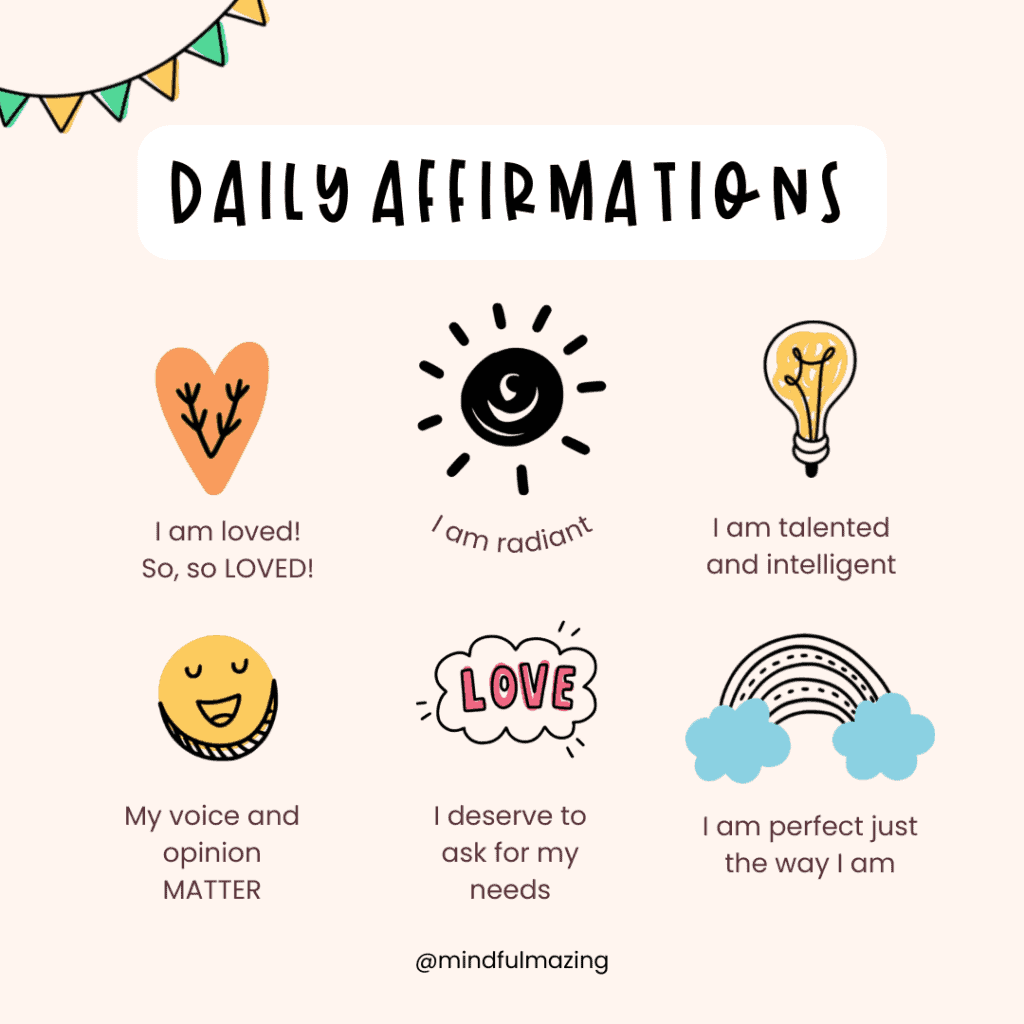
Credit: medium.com
Choosing The Right Affirmations
Create affirmations that feel true and positive to you. Use simple words and focus on what you want to achieve or feel. Make them short and clear to help your mind accept them easily.
Creating affirmations that truly work requires thoughtful selection. You want them to resonate deeply with your subconscious. But how do you choose the right ones? It starts with aligning them to your personal goals and ensuring they reflect the reality you wish to create. Let’s explore how you can craft affirmations that align with your aspirations and effectively shape your mindset.Aligning With Your Goals
Affirmations need to be a reflection of your personal aspirations. It’s essential they echo what you truly want in life. Ask yourself: What are my most important goals right now? Once you identify them, tailor your affirmations to reinforce these goals. If your aim is to become more confident, an affirmation could be, “I am confidently expressing myself in all situations.” This keeps your mind focused on what you wish to achieve, acting as a daily reminder of your path.Using Positive Language
The language of your affirmations matters. Always use positive words that inspire and uplift. Negative phrasing can create doubt and resistance, which you want to avoid. Think about the difference: saying “I am not afraid to speak up” versus “I am courageous and speak my truth.” The latter is more empowering and will propel you forward. Choose words that evoke a sense of possibility and empowerment in every affirmation.Keeping Statements Present Tense
Present tense affirmations are powerful. They help your mind perceive them as a current reality. This shifts your mindset from wishing to being. Imagine saying, “I will be successful,” compared to “I am successful.” The first suggests a future possibility, while the second affirms it’s happening now. Your mind starts believing and acting upon this present state, creating alignment with your desired reality. How can you start implementing these tips today? Begin by writing down one goal and crafting a positive, present tense affirmation. Notice how it feels. Does it motivate you? If yes, you’re on the right track. Keep refining your affirmations until they feel just right.Crafting Effective Affirmations
Creating affirmations that truly work requires more than just repeating positive statements. You need to shape them in a way that connects deeply with your mind and feelings. Crafting effective affirmations means making your words clear, emotionally charged, and believable.
Making Them Specific
Specific affirmations target exact areas of your life or behavior. Instead of saying, “I am confident,” try, “I speak clearly and calmly during meetings.” This sharp focus helps your brain recognize and act on the goal.
Think about what you want to change or improve in detail. The clearer your statement, the easier it is to measure progress and stay motivated.
Incorporating Emotion
Affirmations become powerful when they stir real feelings inside you. Adding emotion makes your brain respond more strongly and helps embed the message deep within.
Use words that make you feel excited, peaceful, or proud. For example, “I feel proud and energized after completing my daily workout” connects the affirmation with positive emotions, making it more effective.
Ensuring Realistic Expectations
Your affirmations should feel achievable to avoid creating resistance in your mind. Saying, “I am a millionaire by tomorrow” might trigger doubt and discourage you.
Set goals that stretch you but remain believable, like “I am steadily increasing my savings every month.” Realistic affirmations build confidence and encourage consistent action.
Techniques For Repetition
Repetition is the key to making affirmations stick. Saying an affirmation once or twice won’t change your mindset. You need techniques that help you repeat your affirmations consistently and meaningfully, so they become part of your daily thought patterns.
Daily Affirmation Rituals
Set specific times each day for your affirmations, like right after waking up or before bed. This creates a routine that your mind starts to expect. You can write your affirmations on sticky notes and place them where you’ll see them often, like your bathroom mirror or workspace.
Try saying your affirmations out loud instead of just thinking them. Speaking them with confidence helps your brain absorb the positive messages. Have you noticed how your tone can change your belief in what you’re saying?
Using Visual And Audio Tools
Visual aids can make your affirmations more powerful. Create a vision board with images and words that represent your affirmations. Every time you look at it, your mind gets a visual reminder of your goals.
Audio tools like recorded affirmations or apps that play positive statements can boost your practice. Listening during a commute or workout turns idle time into reinforcement sessions. What sounds or voices motivate you the most?
Combining With Meditation
Pairing affirmations with meditation deepens their impact. During meditation, your mind is calmer and more open to suggestion. Repeat your affirmations slowly and with focus, allowing each word to resonate.
This method helps reduce mental clutter, so your affirmations are clearer and more effective. Have you tried focusing on a single phrase during meditation and noticed how it stays with you throughout the day?
Overcoming Common Challenges
Creating affirmations that truly work is not always easy. Many people face obstacles that stop their progress. These challenges can make affirmations feel less powerful or even pointless. Understanding common problems helps you stay on track and get better results.
Affirmations need patience and practice. Struggles like doubt, inconsistency, and changing goals often come up. Knowing how to handle these issues can keep your affirmations effective and meaningful.
Dealing With Doubt
Doubt often appears when affirmations feel unreal or too good to be true. Your mind may resist positive statements at first. This is normal. To reduce doubt, choose affirmations that feel believable. Use simple and clear words. Repeat affirmations slowly and with feeling. Over time, your mind will accept them as truth.
Maintaining Consistency
Consistency is key for affirmations to work well. Saying affirmations once or twice is not enough. Make a daily habit. Set a specific time and place to say your affirmations. Use reminders, like phone alarms or notes. Keep sessions short and focused. Regular practice builds stronger belief and changes your mindset.
Adjusting Affirmations Over Time
Your goals and feelings can change. Affirmations that worked before may lose power. Review your affirmations often. Change words to fit new situations or desires. Add fresh, positive statements that match your growth. This keeps affirmations relevant and motivating. Staying flexible helps you grow with your affirmations.

Credit: zingwellbeing.com
Measuring Affirmation Success
Measuring the success of your affirmations is essential to understanding their impact on your mindset and life. Without tracking progress, it’s easy to lose motivation or miss subtle shifts that indicate growth. By paying attention to changes, you can adjust your approach and make your affirmations more effective over time.
Tracking Progress
Keep a simple journal or digital log where you note your daily affirmation practice and any noticeable effects. Track specific feelings, behaviors, or outcomes that relate to your affirmations. For example, if your affirmation is about confidence, write down moments when you felt more self-assured or took action despite fear.
Regularly reviewing your notes helps you see patterns and improvements. What small wins can you celebrate this week? This habit keeps you connected to your progress and encourages consistency.
Recognizing Subtle Changes
Success isn’t always loud or dramatic. Sometimes it’s a quiet shift in your thoughts or reactions. Did you notice a decrease in negative self-talk? Are you more patient with yourself or others?
These small changes often go unnoticed unless you pay attention. Ask yourself: How does my inner dialogue feel now compared to when I started? These insights can be powerful indicators that your affirmations are working.
Adapting Strategies For Growth
If you find certain affirmations aren’t resonating or producing results, don’t hesitate to tweak them. Change the wording, focus on different aspects, or add new affirmations that better reflect your current goals.
For instance, if an affirmation about success feels too vague, make it more specific: “I am capable of completing my projects on time.” Adjusting your affirmations keeps them relevant and aligned with your evolving mindset.
What small change can you make today to improve your affirmation practice?

Credit: healing-sounds.com
Frequently Asked Questions
What Are Affirmations And Why Do They Work?
Affirmations are positive statements that help reprogram your mind. They work by reinforcing desired beliefs and encouraging positive thinking patterns. Regular repetition boosts confidence and motivation. This consistent focus helps change your mindset and behavior over time.
How Do I Create Effective Affirmations For Myself?
Use present tense and positive language when creating affirmations. Be specific and clear about what you want to achieve. Avoid negative words or doubts. Tailor affirmations to your personal goals and values for maximum impact.
How Often Should I Repeat My Affirmations Daily?
Repeat your affirmations at least twice a day, ideally morning and night. Consistency is key for rewiring your subconscious mind. You can also say them during moments of doubt or stress to reinforce positivity.
Can Affirmations Help Overcome Negative Self-talk?
Yes, affirmations counteract negative self-talk by replacing limiting beliefs. They promote self-love, confidence, and a positive mindset. Over time, this shifts your internal dialogue and improves emotional well-being.
Conclusion
Creating affirmations that work takes practice and patience. Choose words that feel true and positive. Repeat them daily with belief and focus. Small changes in thinking lead to big results. Stay consistent and watch your mindset grow stronger. Affirmations help you build confidence and hope.
Keep it simple and personal for best effect. Your thoughts shape your world. Make them count.







