
Feeling angry is natural, but when it starts to take control, it can affect your life in many ways. What if you could manage your anger more easily and feel calmer every day?
Exercise might be the simple key you’ve been missing. By moving your body, you can change how your mind reacts to stress and frustration. You’ll discover how exercise helps with anger management and learn practical tips to use physical activity as a powerful tool to regain control over your emotions.
Keep reading to find out how a few minutes of movement can make a big difference in your mood and peace of mind.
Link Between Exercise And Anger
Understanding the link between exercise and anger can change how you manage your emotions. Physical activity does more than just keep your body fit—it reshapes your mood and helps control feelings of anger. Let’s look closely at why exercise can be a powerful tool to calm your mind and reduce frustration.
How Physical Activity Impacts Mood
When you exercise, your brain releases chemicals like endorphins and serotonin. These natural mood boosters create a feeling of happiness and calmness.
Have you noticed how a simple walk or jog can clear your mind after a tough day? That’s because physical activity shifts your focus away from what’s upsetting you and toward your body’s movements.
Regular exercise also improves sleep quality, which plays a key role in how you handle stress and anger the next day. Better sleep means fewer mood swings and less irritability.
The Science Behind Stress Relief
Exercise lowers the levels of stress hormones like cortisol and adrenaline. These hormones are often high when you feel angry or anxious.
Reducing these stress hormones helps your nervous system calm down, making it easier to control your reactions. Imagine your body as a car—exercise acts like the brakes, slowing down the surge of anger before it speeds out of control.
Studies show that people who engage in regular physical activity experience fewer anger outbursts and are better at managing frustration. This isn’t just luck; it’s science working in your favor.
- Exercise provides a healthy outlet to release built-up tension.
- Physical activity encourages mindfulness, helping you stay present instead of dwelling on anger.
- It improves self-confidence, making you less vulnerable to triggers.
What could happen if you tried a quick workout next time you feel anger rising? You might find it easier to calm down and think clearly.
Credit: tanishq53.medium.com
Types Of Exercises That Calm Anger
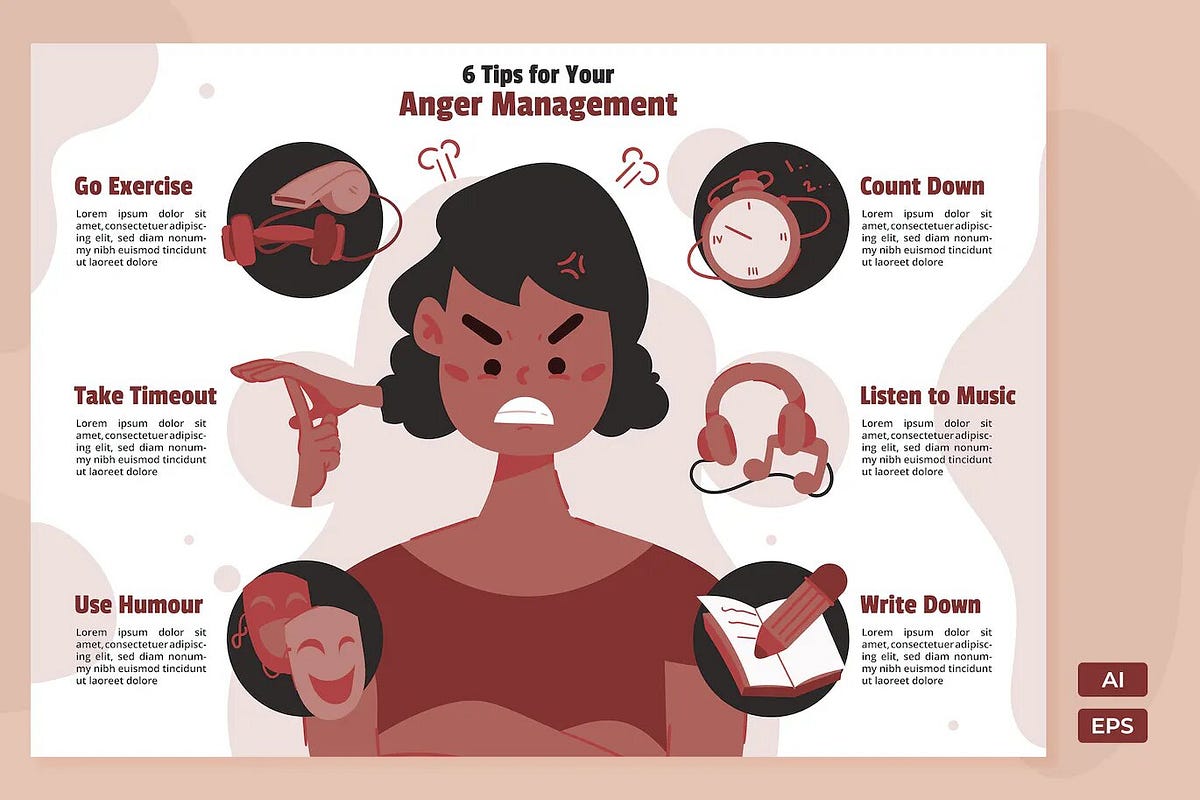
Exercises like walking, yoga, and deep breathing help reduce anger by calming the mind and body. Physical activity releases tension and boosts mood, making it easier to manage strong emotions. Simple movements can shift focus away from anger and promote relaxation.
Exercise plays a crucial role in managing anger effectively. Different types of exercises can help calm the mind and body. They work by releasing endorphins, which are natural mood lifters. Engaging in physical activity redirects focus away from anger. It provides an outlet for pent-up energy. Let’s explore various exercises that can help soothe anger.Aerobic Activities
Aerobic exercises like running, cycling, or swimming can calm anger. These activities increase heart rate and release endorphins. Endorphins help improve mood and reduce stress. Engaging in these activities regularly can help manage emotions better. Aim for at least 30 minutes of aerobic exercise most days. It helps keep anger in check.Strength Training
Strength training is another effective way to manage anger. Lifting weights or doing bodyweight exercises can release tension. It also builds physical strength and confidence. This type of exercise requires focus and discipline. It helps shift the mind from anger to a productive task. Consistent strength training improves mental resilience too.Mind-body Exercises
Mind-body exercises like yoga and tai chi combine movement with mindfulness. These practices focus on breathing, balance, and control. They help calm the mind and reduce stress. Practicing yoga or tai chi regularly can enhance emotional control. These exercises promote relaxation and inner peace. They are excellent for managing anger and improving overall well-being.Exercise Routines For Anger Control
Exercise routines can play a key role in managing anger. They offer a healthy way to release built-up tension. Regular physical activity helps calm the mind and body. It also improves mood by releasing feel-good hormones. Creating structured workout plans can help control anger effectively.
Daily Workout Plans
Consistent daily workouts build discipline and reduce stress. Aim for at least 30 minutes of moderate exercise each day. Activities like jogging, cycling, or swimming are great choices. These exercises improve blood flow and lower adrenaline levels. A steady routine helps prevent anger from escalating.
- Start with a warm-up to prepare your muscles.
- Include cardio exercises to boost heart rate.
- Add strength training to build muscle and confidence.
- Finish with stretching to relax your body.
Stick to the same time every day to form a habit. Keeping a workout journal can track your progress and emotions. Over time, this routine helps you respond calmly to stress.
Quick Stress-busting Sessions
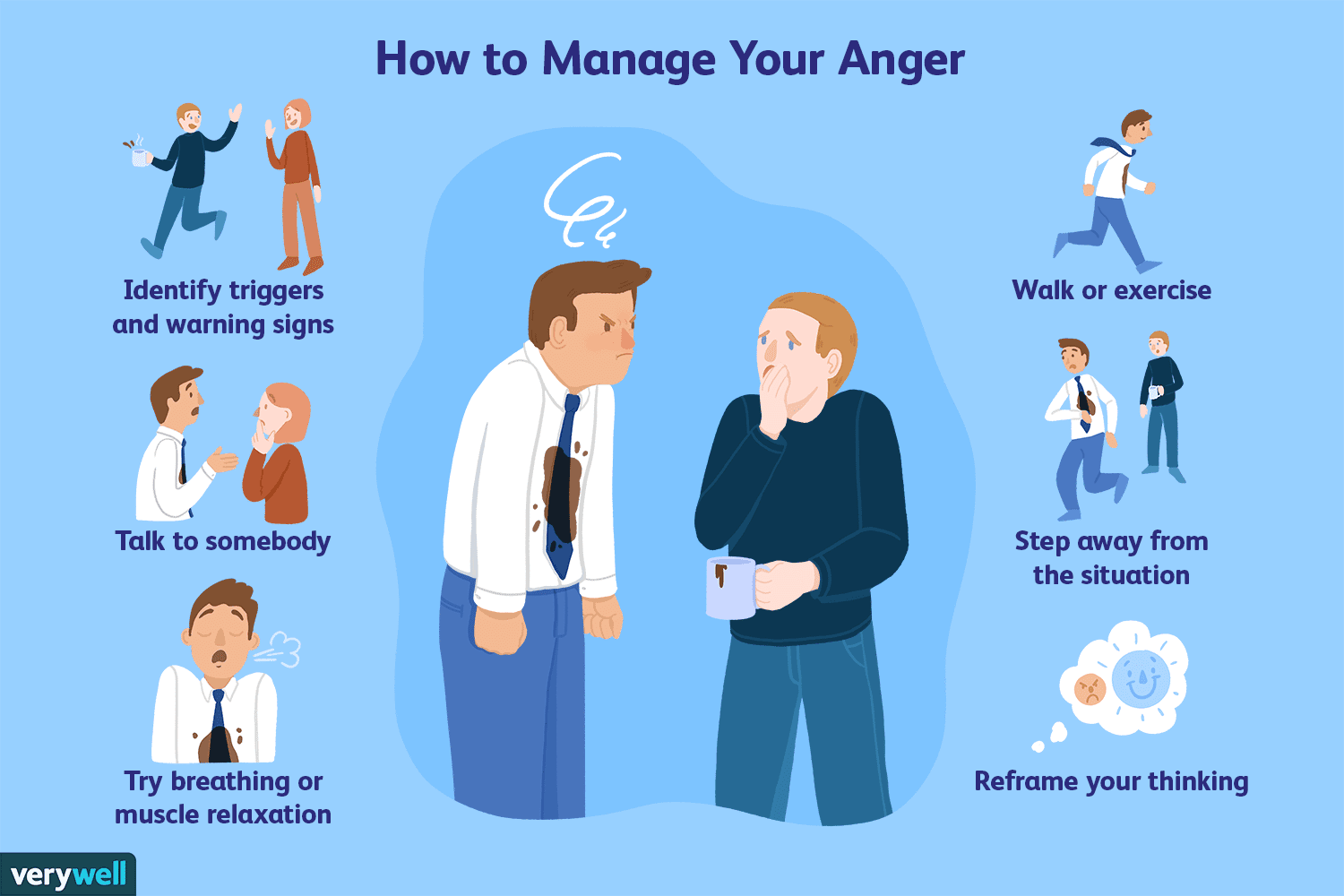
Short exercise bursts can quickly reduce anger and stress. These sessions fit easily into busy schedules. Even five to ten minutes of movement can shift your mood.
- Try jumping jacks or fast walking to raise energy.
- Use deep breathing exercises combined with light stretching.
- Practice shadow boxing to release tension physically.
- Do yoga poses that focus on relaxation and balance.
These quick sessions act as mental resets during stressful moments. They help clear your mind and cool down angry feelings fast.
Credit: medium.com
Mental Benefits Of Regular Exercise
Regular exercise does more than just improve your physical health—it plays a crucial role in managing your mental state, especially when dealing with anger. Engaging in physical activity provides your brain with tools to control emotions better and reduce feelings of frustration. Understanding these mental benefits can help you use exercise as a powerful tool to keep anger in check.
Boosting Emotional Regulation
Exercise helps your brain manage emotions by strengthening areas responsible for self-control and decision-making. When you work out, your body reduces stress hormones like cortisol, which often fuel anger. Have you noticed how a brisk walk or a quick jog can calm your mood? That’s your brain learning to respond to stress more calmly.
Improving Sleep Quality
Poor sleep can make it harder to control your temper. Physical activity promotes better sleep by helping you fall asleep faster and enjoy deeper rest. Imagine waking up feeling refreshed instead of irritable—regular exercise can make that a reality, giving you more patience and resilience during tough moments.
Increasing Endorphin Levels
Exercise triggers the release of endorphins, chemicals in your brain that create feelings of happiness and well-being. These natural mood lifters can reduce feelings of anger and frustration almost immediately. Next time you feel your temper rising, consider moving your body to boost those feel-good chemicals and regain control.
Tips For Staying Motivated
Staying motivated to exercise can be a challenge, especially when managing anger. Small habits help keep your routine steady. Focus on clear targets and celebrate small wins. Support from others can make a big difference.
Setting Realistic Goals
Choose goals that fit your current fitness level. Avoid aiming too high too soon. Small, clear goals build confidence. For example, try walking for 10 minutes daily. Gradually increase the time or intensity. Realistic goals make exercise feel doable and less stressful.
Tracking Progress
Keep a simple journal or use an app. Record your workouts and how you feel afterward. Seeing progress boosts motivation. It helps you notice improvements in mood and anger control. Tracking also shows patterns, helping adjust your routine when needed.
Finding Support Systems
Connect with friends or join a group with similar goals. Sharing your journey creates encouragement and accountability. Support systems reduce loneliness and make exercise more fun. Online communities and local clubs are good options. A workout buddy can keep you motivated on tough days.
Combining Exercise With Other Techniques
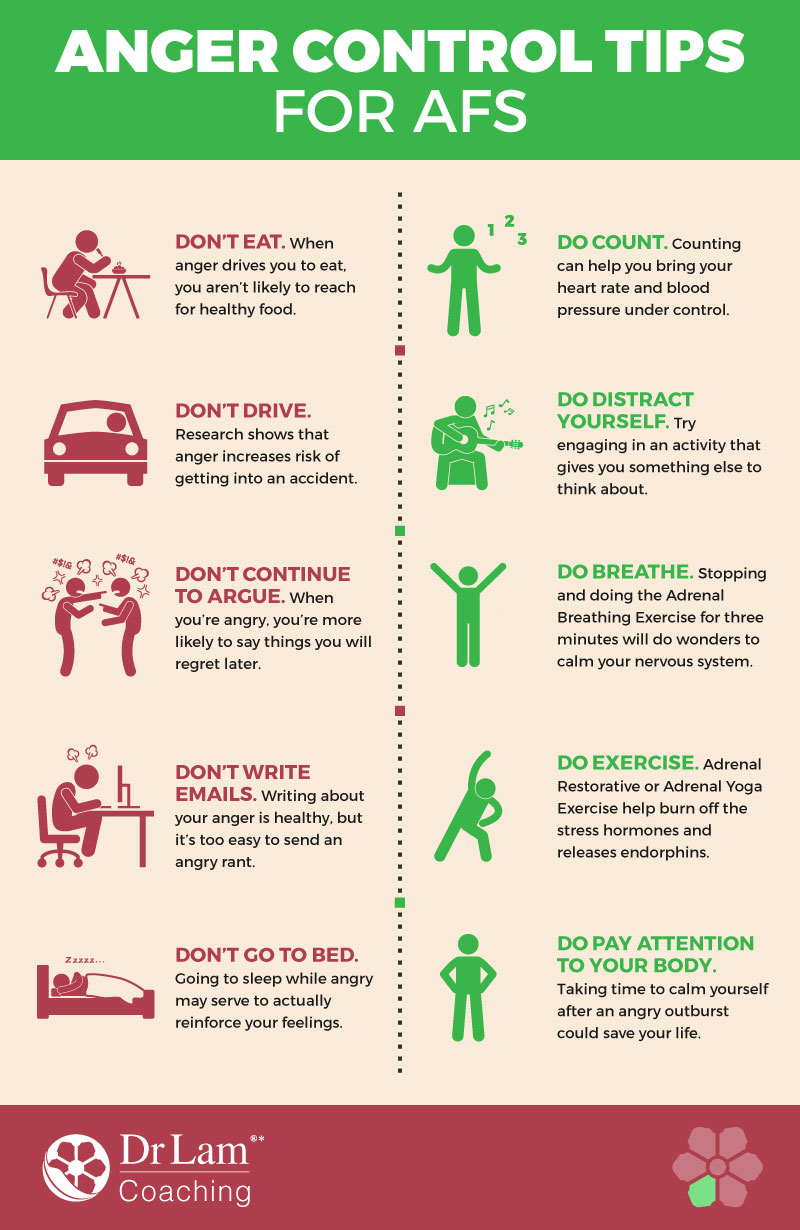
Exercise alone helps reduce anger by releasing tension and boosting mood. Combining it with other techniques can improve control over emotions. These techniques calm the mind and body, making anger easier to manage.
Breathing Exercises
Breathing exercises slow the heart rate and ease stress. Deep breaths bring more oxygen to the brain. This helps clear angry thoughts and promotes calmness. Simple practices like inhaling slowly and exhaling fully work well. Try doing breathing exercises before or after physical activity.
Mindfulness Practices
Mindfulness means paying attention to the present moment without judgment. It helps notice anger early and respond calmly. Meditation or quiet reflection can increase self-awareness. This makes it easier to control reactions. Combine mindfulness with exercise to maintain emotional balance throughout the day.
Healthy Lifestyle Choices
Good sleep, balanced diet, and hydration support overall mood. Avoiding excessive caffeine or alcohol prevents irritability. Regular exercise fits well with these habits. Together, they strengthen mental health and reduce anger triggers. A healthy lifestyle supports lasting emotional control.
Credit: www.drlamcoaching.com
Frequently Asked Questions
How Does Exercise Reduce Anger Quickly?
Exercise releases endorphins, which improve mood and lower stress. Physical activity helps divert anger and calms the mind effectively.
What Types Of Exercise Help Anger Management?
Aerobic exercises like running, cycling, and swimming boost mood. Yoga and stretching promote relaxation and reduce tension, aiding anger control.
How Often Should I Exercise To Manage Anger?
Aim for at least 30 minutes of moderate exercise most days. Consistency helps regulate emotions and reduces anger over time.
Can Exercise Replace Other Anger Management Techniques?
Exercise complements therapy and mindfulness but should not fully replace them. Combining approaches offers the best results for anger control.
Conclusion
Exercise helps release built-up anger and stress quickly. It boosts mood by increasing happy chemicals in the brain. Regular workouts teach patience and self-control over emotions. Physical activity also improves sleep, which lowers irritability and frustration. Simple actions like walking or stretching calm the mind.
Staying active creates healthy habits that reduce anger over time. Try to move your body daily for better emotional balance. Small steps lead to big changes in anger management. Exercise is a natural, easy way to feel calmer and happier.







