
Are you struggling to stick to healthy eating habits? You’re not alone.
Finding the motivation to choose nutritious meals every day can feel tough, especially when tempting junk food is just a step away. But what if you could unlock simple ways to boost your drive and make healthy eating feel natural and rewarding?
You’ll discover practical tips that speak directly to your mind and emotions, helping you build lasting motivation. Keep reading to learn how to take control of your health, one bite at a time.
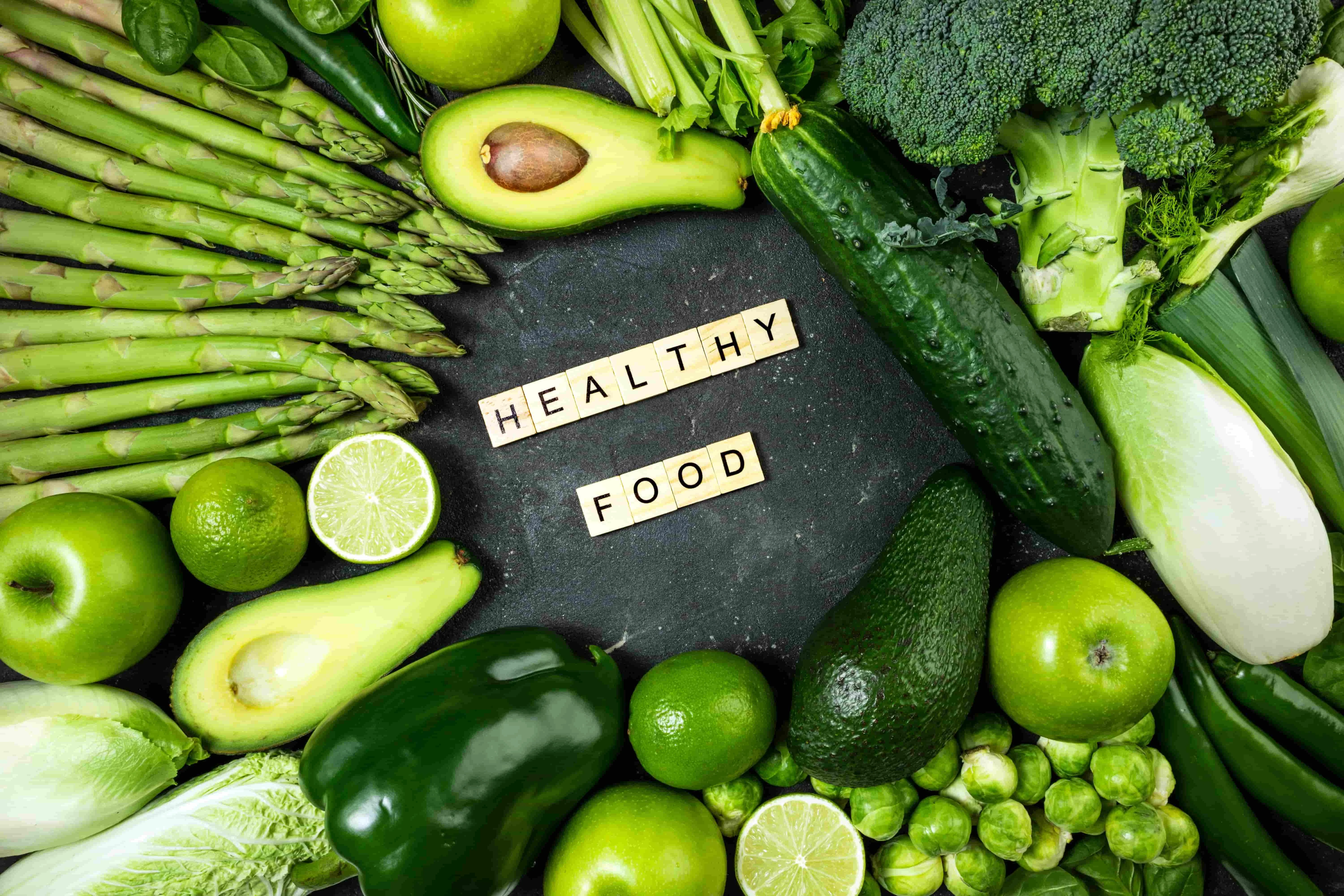
Credit: www.akkahotels.com
Set Clear Health Goals
Setting clear health goals is the first step toward eating healthier. Goals give you focus and a reason to keep going. They make your journey easier and more organized. Without clear goals, it is easy to lose motivation or feel confused about what to do next.
Clear goals help you see progress. They turn a big change into small, doable actions. This way, healthy eating becomes a habit, not a chore. Focus on what you want to achieve and why it matters to you.
Identify Personal Motivators
Find what drives you to eat healthy. It could be feeling more energetic, losing weight, or improving your mood. Write down your reasons to remind yourself often.
Think about moments when you felt your best. What did you eat then? Use those memories to guide your choices. Your motivators should be personal and meaningful. They help you stay strong during hard times.
Create Achievable Milestones
Break your main goal into small steps. Each milestone should be easy to reach. This keeps you motivated and builds confidence.
- Start by adding one fruit or vegetable daily.
- Replace sugary drinks with water for a week.
- Cook one healthy meal at home every few days.
Track your progress and celebrate small wins. Achievable milestones make healthy eating less overwhelming. They keep your motivation alive and growing.
Plan Your Meals Ahead
Planning meals ahead can boost your motivation to eat healthy. It removes the stress of daily decision-making. With a clear plan, you avoid last-minute unhealthy choices. It also saves time and money. Let’s dive into some practical steps.
Prepare A Weekly Menu
Create a menu for the week. List all meals you want to prepare. Include breakfast, lunch, and dinner. Consider snacks, too. Choose recipes that excite you. This keeps meals interesting.
Balance is key. Include a variety of food groups. Think fruits, vegetables, grains, and proteins. Make sure to plan for leftovers. This reduces waste and effort. Use a planner or app for organization.
Shop With A Purpose
Make a detailed shopping list. Stick to it. This prevents impulse buys. List ingredients you need for each meal. Check your pantry first. Avoid buying what you already have.
Choose fresh produce. It’s healthier and often cheaper. Shop the perimeter of the store. That’s where fresh foods are. Avoid processed foods in the middle aisles.
Shopping with purpose saves time and money. It supports your healthy eating goals. Stay focused and committed to your plan.
Make Healthy Food Accessible
Making healthy food accessible is a game changer in staying motivated to eat well. When nutritious options are easy to find and grab, you naturally reach for them more often. It’s about setting up your environment to support your goals without extra effort or thought.
Stock Nutritious Snacks
Keep your pantry and fridge filled with snacks that fuel your body. Think nuts, fresh fruit, yogurt, or whole-grain crackers. These options satisfy hunger quickly and keep you energized throughout the day.
Having these snacks within arm’s reach prevents you from grabbing less healthy treats when hunger strikes. Next time you’re shopping, ask yourself: what snacks will boost my energy and mood? Choose items that you actually enjoy so you look forward to eating them.
Organize Your Kitchen
Arrange your kitchen so healthy foods are front and center. Place fruits in a bowl on the counter and store veggies at eye level in your fridge. This simple change makes it easier to spot and choose nutritious options.
Clear out junk food from your immediate view. When unhealthy snacks are tucked away or not in the house at all, you reduce temptation. How does your kitchen layout influence your daily food choices? Try rearranging and see if it changes what you reach for.
Incorporate Variety And Flavor
Eating healthy does not mean boring meals. Incorporating variety and flavor makes your diet enjoyable and exciting. This approach keeps your taste buds interested and helps you stick to healthy habits longer.
Experiment With Recipes
Try new recipes to keep meals fresh and fun. Mix different vegetables, grains, and proteins in your dishes. Use cooking methods like roasting, steaming, or grilling to change textures.
Explore cuisines from different cultures. Each offers unique flavors and healthy ingredients. This broadens your palate and prevents meal fatigue.
Use Herbs And Spices
Herbs and spices add taste without extra calories. Basil, cilantro, and parsley bring freshness. Cinnamon, cumin, and paprika add warmth and depth.
Sprinkle them on salads, soups, or main dishes. They make food more appealing and satisfying. Fresh or dried, they boost flavor naturally.
Track Your Progress
Tracking your progress helps keep your healthy eating goals clear. It shows what works and what needs change. Watching your journey builds motivation. Each step forward feels real and rewarding. This habit turns good intentions into lasting changes.
Keep A Food Journal
Writing down what you eat makes you more aware. It helps spot patterns and habits. You see which meals fuel your body best. Use a notebook or a mobile app. Note the time, food, and portion size. This simple act brings focus to your choices.
Celebrate Small Wins
Recognize every healthy choice you make. Did you eat a vegetable with lunch? Did you drink water instead of soda? These small wins matter. Celebrate them with a little reward. It could be a walk, a favorite song, or extra rest. Celebrations keep your spirit high and your goals alive.
Credit: www.yahoo.com
Build Supportive Habits
Building supportive habits helps make healthy eating easier and more natural. Habits reduce daily decisions and keep you consistent. Small, steady habits create a strong foundation for lasting change.
Establish Routine Eating Times
Eating at set times trains your body and mind to expect food. This reduces random snacking and overeating. Try to have meals and snacks around the same time every day. Your hunger signals become clearer and easier to follow. Consistency helps your digestion and energy levels stay balanced.
Limit Temptations
Keep unhealthy foods out of easy reach. Stock your kitchen with fresh fruits, vegetables, and whole grains. Avoid buying sweets or junk food in large amounts. When tempting items aren’t nearby, cravings lose power. This makes it easier to choose healthy options without struggle.
Stay Positive And Patient
Staying positive and patient is key when motivating yourself to eat healthy. Change doesn’t happen overnight, and expecting immediate perfection can lead to frustration. Instead, focusing on progress and keeping a kind mindset toward yourself makes the journey easier and more enjoyable.
Manage Setbacks
Setbacks are a natural part of any healthy eating plan. Instead of beating yourself up over a missed meal or an unhealthy snack, ask yourself what caused it and how you can adjust next time.
Try these tips to handle setbacks better:
- Keep a food journal to spot patterns in your eating habits.
- Plan ahead for challenging situations like social events or busy days.
- Remind yourself that one slip doesn’t erase your progress.
I once gave in to fast food after a stressful day. Instead of giving up, I reflected on what triggered that choice and made a simple meal plan for the next day. That small step kept me on track and avoided a downward spiral.
Focus On Long-term Benefits
It’s easy to get discouraged if you expect quick results from eating healthy. But real change comes from consistent habits over time. Think about how better nutrition improves your energy, mood, and overall health in the months and years ahead.
Keep these points in mind:
- Visualize how you want to feel in the future, not just what you want to eat now.
- Celebrate small wins like choosing a vegetable or drinking more water daily.
- Remember that each healthy choice builds a foundation for lasting wellness.
What long-term benefit excites you the most? Focusing on that can keep your motivation strong even when progress feels slow.

Credit: www.beautybites.org
Frequently Asked Questions
How Can I Stay Motivated To Eat Healthy Daily?
Set clear goals and track your progress. Plan meals in advance and keep healthy snacks handy. Celebrate small successes to maintain motivation. Surround yourself with supportive people who encourage healthy habits.
What Are Simple Tips To Make Healthy Eating Enjoyable?
Experiment with new recipes and flavors. Include a variety of colorful fruits and vegetables. Focus on whole foods over processed items. Eat mindfully and savor each bite to enhance satisfaction.
How Do I Overcome Cravings For Unhealthy Foods?
Identify triggers that cause cravings and avoid them. Replace unhealthy snacks with nutritious alternatives. Drink plenty of water to stay hydrated. Practice mindful eating to reduce impulsive choices.
Why Is Meal Planning Important For Healthy Eating?
Meal planning saves time and reduces stress. It helps control portions and prevents unhealthy impulse eating. Planning ensures balanced meals with essential nutrients. It also supports budget-friendly grocery shopping.
Conclusion
Eating healthy starts with small, simple steps every day. Find what works best for you and stick with it. Remember, motivation can change, but habits keep you going. Focus on how good healthy food makes you feel. Celebrate your progress, no matter how small.
Keep trying, and don’t give up. Healthy eating is a journey, not a quick fix. You have the power to make better choices today. Stay patient and kind to yourself along the way.







