
Feeling stressed during your workouts can ruin your progress and make exercise feel like a chore. You might find your mind racing, your muscles tense, or your motivation slipping away just when you need it most.
But what if you could learn simple ways to stay calm and focused, turning stress into energy that powers your performance? This article is made for you—ready to help you keep your cool and enjoy every workout, no matter how tough it gets.
Keep reading, and discover easy, effective tips that will change how you handle workout stress forever.
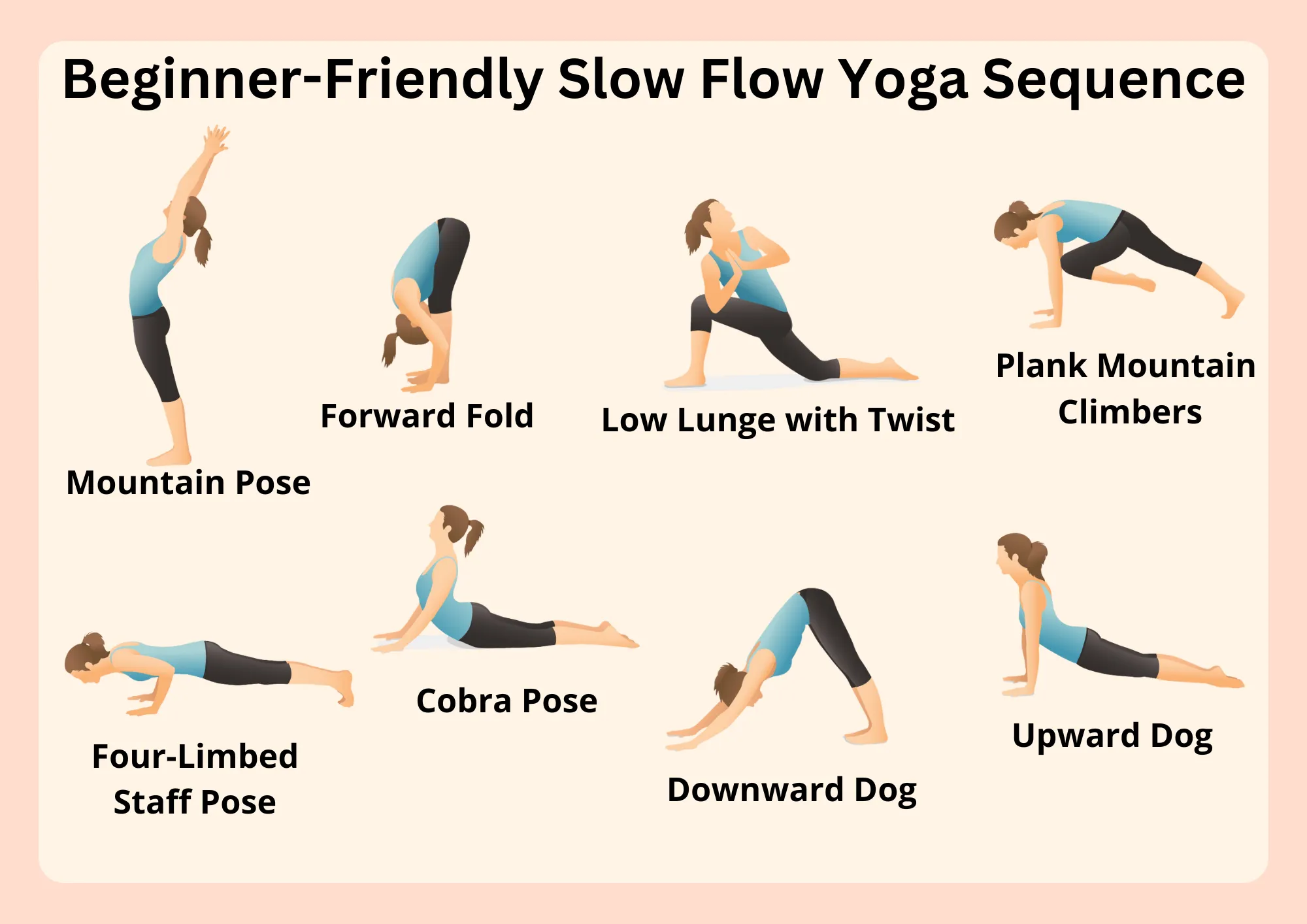
Credit: myyogateacher.com
Causes Of Workout Stress
Workout stress can affect anyone, regardless of fitness level. Understanding its causes helps manage stress better. Stress during exercise does not only come from physical challenges. Mental and environmental factors play a big role too. These causes can overlap and increase tension during workouts.
Physical Strain And Fatigue
Exercise pushes your muscles, joints, and heart to work harder. This strain can cause soreness and tiredness. Overtraining without enough rest leads to fatigue and injury risk. Your body sends stress signals through pain and exhaustion. Ignoring these signs worsens the stress on your body.
Mental Pressure And Expectations
Many people set high goals for their workouts. This creates mental pressure to perform perfectly. Fear of failure or comparison with others adds anxiety. Stress builds when results don’t meet expectations quickly. Negative self-talk and impatience increase workout tension.
Environmental Factors
Conditions around you impact how you feel during exercise. Noisy gyms or crowded spaces can cause distraction. Poor lighting and uncomfortable temperatures add to discomfort. Lack of proper equipment or support also raises stress levels. These factors make focusing on the workout difficult.
Breathing Techniques For Calm
Deep breaths help slow the heart and clear the mind during tough workouts. Focusing on steady breathing eases tension and improves focus under stress. Simple breathing tricks can keep your body calm and ready to perform.
Breathing Techniques for Calm Finding calm in the middle of a challenging workout can feel like searching for a needle in a haystack. However, mastering the right breathing techniques can make all the difference. Not only do they help you maintain focus, but they also boost your performance and keep stress at bay.Deep Diaphragmatic Breathing
Deep diaphragmatic breathing allows you to breathe more efficiently by engaging your diaphragm. This method improves oxygen flow and reduces tension. To practice, inhale deeply through your nose, letting your belly expand, and exhale slowly through your mouth. Imagine this as filling a balloon with air. This technique is particularly useful when you start feeling overwhelmed during intense workouts. Remember, the deeper the breath, the calmer you’ll feel.Box Breathing Method
The box breathing method is a simple yet powerful tool to regain composure. This technique involves inhaling, holding the breath, exhaling, and pausing for equal counts. For example, inhale for four counts, hold for four, exhale for four, and pause for four. This structured approach helps to focus your mind and control your heart rate. It’s like hitting a reset button when workout stress threatens to take over.Rhythmic Breathing Patterns
Rhythmic breathing patterns can synchronize your breath with movement. This is especially effective in activities like running or cycling. Consider a 3:2 ratio, where you inhale for three steps and exhale for two. This pattern helps maintain a steady pace and rhythm, reducing the likelihood of fatigue. Finding a pattern that suits your workout can make your session more productive and less stressful. Have you ever noticed how your breath changes during different workout intensities? Experimenting with these techniques might just transform your exercise experience.Mindfulness During Exercise
Mindfulness during exercise helps reduce stress and improve focus. It teaches you to notice your body and mind without judgment. This awareness can make workouts more enjoyable and less stressful.
Staying Present In The Moment
Focus on your breath and movements as you exercise. Notice how your muscles feel with each action. Pay attention to sounds and sensations around you. This keeps your mind from wandering to worries or distractions.
Body Scan Practices
Slowly check each part of your body during exercise. Start from your feet and move up to your head. Notice any tension or discomfort. Relax those areas and breathe deeply. This helps release stress and keeps you grounded.
Using Meditation To Enhance Focus
Try short meditation before or during your workout. Close your eyes and take deep, steady breaths. Repeat a calming word or phrase quietly in your mind. This practice sharpens your focus and calms your nervous system.
Effective Warm-up And Cool-down
Effective warm-up and cool-down routines play a key role in managing workout stress. They prepare your body and mind for exercise and help you recover smoothly afterward. This balance reduces tension and keeps you calm throughout your fitness journey.
Gentle Stretching Routines
Start your warm-up with gentle stretches that target major muscle groups. Stretching increases blood flow and eases muscle stiffness, making movement smoother and less stressful.
Try dynamic stretches like arm circles, leg swings, or hip openers. These keep your muscles active without causing strain. Have you noticed how a simple stretch can shift your focus away from stress to your body’s sensations?
Gradual Intensity Increase
Begin your workout at a low pace and slowly raise the intensity. This approach prevents sudden shocks to your body and mind, which often trigger stress responses.
For example, start with a slow jog before sprinting or add light weights before heavy lifting. This gradual build-up helps you stay in control and reduces feelings of overwhelm.
Relaxation Through Cool-down Exercises
After your workout, cool down with slow movements and deep breathing. This signals your body to relax and lowers your heart rate steadily.
Include static stretches or yoga poses to release muscle tension. Taking this quiet time can clear your mind and leave you feeling calm and refreshed. When was the last time you truly relaxed after exercise?
Nutrition And Hydration Tips
Nutrition and hydration play a huge role in managing stress during your workouts. What you eat and drink before, during, and after exercise can either help you stay calm and focused or leave you feeling drained and overwhelmed. Paying attention to these details can make a noticeable difference in how you handle workout pressure.
Pre-workout Fueling
Eating the right foods before you exercise sets the stage for a calm and efficient workout. Choose snacks that provide steady energy, like a banana with peanut butter or a small bowl of oatmeal. Avoid heavy meals or too much sugar, which can spike your energy and then cause a crash.
I once felt jittery during a run after skipping a proper pre-workout snack. Since then, I make sure to eat something balanced 30–60 minutes before training, and it really helps me stay composed and focused.
Staying Hydrated
Dehydration can increase your heart rate and make you feel anxious without you even realizing it. Drink water consistently throughout the day, not just during your workout. For intense sessions over an hour, consider adding electrolytes to keep your balance steady.
- Carry a water bottle and sip regularly.
- Notice how your mouth feels; dry mouth often signals dehydration.
- Limit caffeine and alcohol before workouts as they can dehydrate you.
Have you ever felt your stress spike just from being thirsty? Staying hydrated keeps your body and mind calm.
Post-workout Recovery Foods
What you eat after exercising helps your body recover and reduces stress hormones. Focus on foods rich in protein and healthy carbs, like grilled chicken with sweet potatoes or a smoothie with yogurt and berries. These choices help repair muscles and replenish your energy without adding to stress.
After tough workouts, I found that skipping a proper meal left me feeling more tense and fatigued. Now, I prioritize recovery foods to help my body relax and prepare for the next session.
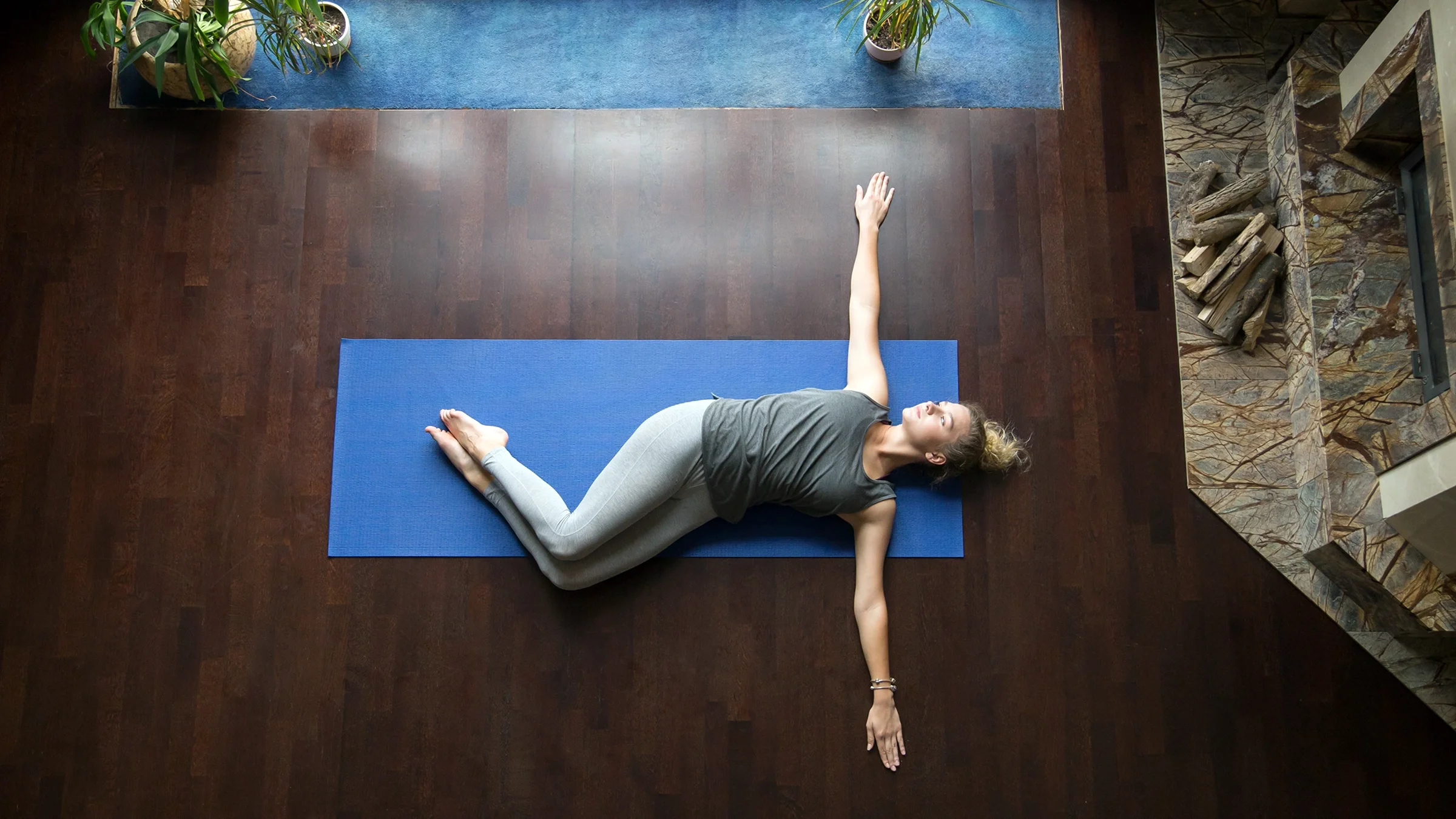
Credit: www.goodrx.com
Setting Realistic Goals
Setting realistic goals is key to managing stress during your workouts. When your objectives match your current ability and lifestyle, you create a clear path that keeps you motivated without overwhelming you. This balance helps you stay calm and focused, turning exercise into a positive experience rather than a source of pressure.
Breaking Down Objectives
Large goals can seem intimidating and create unnecessary stress. Instead, break them down into smaller, manageable steps that feel achievable. For example, if your goal is to run 5 kilometers, start by aiming to run a few minutes without stopping.
Smaller milestones help you stay on track and adjust your efforts based on how you feel. Have you noticed how tackling tiny tasks one at a time makes the whole process less daunting?
Tracking Progress Effectively
Keeping track of your progress shows you how far you’ve come and highlights areas that need improvement. Use simple tools like a workout journal or smartphone apps to log your sessions and note your feelings after each workout.
This record helps you spot patterns, such as days when you feel more energetic or times when you might need extra rest. What if tracking your progress could actually reduce your stress by giving you clear evidence of improvement?
Celebrating Small Wins
Recognizing your small victories fuels motivation and lowers workout stress. Whether it’s completing an extra set or improving your form, take a moment to appreciate these achievements.
Reward yourself in ways that encourage consistency, like treating yourself to a relaxing stretch or a favorite healthy snack. How often do you pause to celebrate your progress instead of rushing toward the next goal?
Creating A Supportive Environment
Creating a supportive environment plays a crucial role in helping you stay calm under workout stress. The right setting can ease tension, boost motivation, and make exercise feel less like a chore. Small adjustments in where and how you work out can change your entire experience.
Choosing The Right Workout Space
Your workout space should feel inviting and comfortable. Pick a spot with enough room to move freely without distractions. Natural light and fresh air can improve your mood and reduce anxiety during exercise.
If you exercise at home, clear clutter and dedicate a specific area just for workouts. This signals your brain to focus and relax when you enter the space. Have you noticed how a messy room can add to your stress? The opposite applies when your workout area is tidy and organized.
Finding Workout Partners
Working out with others can ease the pressure you feel alone. A partner can offer encouragement, share progress, and help you push through tough moments calmly. Choose someone who matches your energy and goals to keep the experience positive.
Think about people in your community or online groups who enjoy similar workouts. Even casual check-ins with a friend before and after exercise can reduce stress. Have you tried inviting someone to join you and felt more motivated afterward?
Using Music And Ambiance
Music has a powerful effect on your workout stress levels. Create a playlist with songs that relax or energize you, depending on what you need most. The right beats can distract you from discomfort and make exercise more enjoyable.
Consider the ambiance too—lighting, scents, and temperature influence how calm you feel. Soft lighting and a cool room can help you stay relaxed, while bright lights and warmth might boost alertness. What kind of environment helps you feel more focused and less stressed during workouts?
Rest And Recovery Strategies
Rest and recovery are often overlooked parts of any workout routine, yet they play a crucial role in managing stress and improving performance. Without proper downtime, your body and mind can quickly become overwhelmed, leading to fatigue and burnout. Understanding how to rest effectively can help you stay calm and maintain consistency in your fitness journey.
Importance Of Sleep
Sleep is your body’s natural way to repair and recharge. Missing out on quality sleep can increase cortisol levels, which makes you feel more stressed during workouts.
Try to get at least 7-9 hours of sleep each night. This helps your muscles recover and sharpens your mental focus, reducing anxiety around training.
Ask yourself: Are you treating sleep as a priority, or just a luxury? Changing this mindset can improve both your calmness and your progress.
Active Recovery Days
Taking a full day off might not suit everyone. Instead, active recovery days involve light activities like walking, yoga, or gentle cycling.
These low-intensity workouts boost blood flow and reduce muscle soreness without adding stress. They keep you moving without pushing your limits.
Have you ever noticed how a light walk can clear your mind after a tough gym session? This simple strategy helps your body heal and your mind relax.
Managing Overtraining Risks
Overtraining happens when you push too hard without enough rest, leading to burnout and injury. Signs include constant fatigue, irritability, and poor performance.
Track your workouts and listen to your body’s signals. Scheduling regular rest days and mixing up your routine can prevent overtraining before it starts.
Think about your recent weeks—are you constantly sore or feeling drained? Adjusting your plan early can keep stress low and progress steady.
Credit: www.lemon8-app.com
Frequently Asked Questions
How Can I Reduce Stress During Intense Workouts?
Focus on deep breathing and maintain a steady pace. Take short breaks when needed. Staying hydrated and listening to your body also helps minimize stress during workouts.
What Techniques Help Maintain Calmness While Exercising?
Mindfulness and visualization techniques promote calmness. Concentrate on your movements and breathing. These methods reduce anxiety and improve focus during exercise sessions.
Why Is Controlling Workout Stress Important?
Managing workout stress prevents injuries and fatigue. It enhances performance and keeps motivation high. Staying calm supports better recovery and overall fitness progress.
How Does Hydration Affect Workout Stress Levels?
Proper hydration keeps muscles functioning well and reduces fatigue. It helps regulate body temperature and supports mental focus. Drinking water before, during, and after exercise lowers stress.
Conclusion
Staying calm during workouts helps you perform better and avoid injury. Focus on your breathing and take breaks when needed. Remember, feeling stress is normal but managing it is key. Practice these tips regularly to build your calmness over time.
Enjoy your exercise journey with a relaxed mind and body. Keep going, stay patient, and you will see progress.







