
If you’re serious about building strength and improving your fitness, the right gym equipment can make all the difference. Among all the tools available, the barbell stands out as a powerful ally in your workout routine.
Whether you’re aiming to boost muscle growth, increase endurance, or enhance overall performance, understanding how to use a barbell effectively is key. You’ll discover everything you need to know about gym equipment barbells — from choosing the best one for your goals to mastering essential exercises.
Ready to take your workouts to the next level? Keep reading to unlock the full potential of the barbell.
Credit: www.gtechfitness.com
Types Of Barbells
Barbells come in various types like standard, Olympic, and hex bars, each designed for different exercises. Choosing the right barbell helps improve strength and workout efficiency. They suit different training needs and skill levels.
When you walk into a gym, barbells are often the cornerstone of strength training routines. Whether you’re a beginner or a seasoned lifter, understanding the different types of barbells can enhance your workout and help you achieve your fitness goals. Each type of barbell is designed with specific exercises in mind, catering to various aspects of strength and physique development. Let’s dive into the world of barbells and discover which one fits your needs.Standard Barbells
Standard barbells are the most common type you’ll encounter in gyms. These bars are typically 5 to 7 feet long and are great for beginners. They are easy to handle for exercises like bench presses and squats. Their smaller diameter makes them perfect for lighter weightlifting. If you’re just starting, this is your go-to barbell to build foundational strength.Olympic Barbells
Olympic barbells are a staple for serious lifters. They are longer and heavier than standard bars, designed to hold more weight. Olympic barbells are essential for competitive lifting exercises like snatches and clean and jerks. The rotating sleeves on these bars help reduce strain on your wrists. This feature makes Olympic barbells ideal for dynamic lifts and high-intensity workouts.Trap Bars
Trap bars, also known as hex bars, are uniquely shaped with a hexagonal design. They allow you to stand inside the bar, offering a more balanced lift. This design is perfect for deadlifts and shrugs. If you experience back pain with traditional deadlifts, a trap bar can be a game-changer. Its design reduces stress on your lower back, making it a safer option.Ez Curl Bars
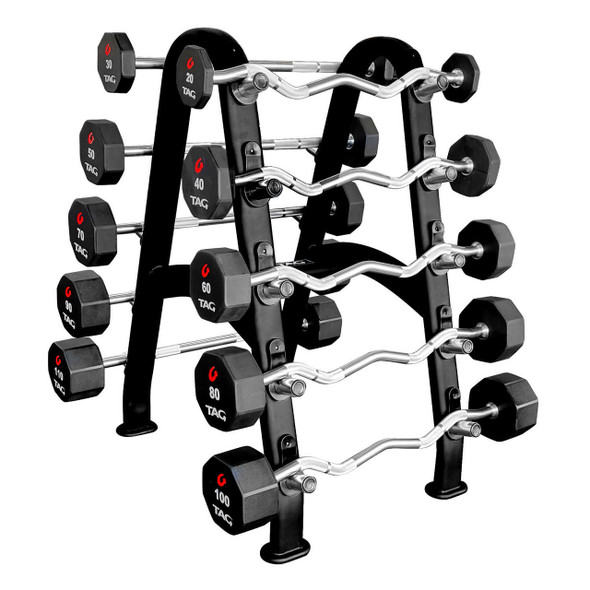
EZ curl bars are shorter and have a unique zig-zag shape. This design allows for a more comfortable grip and reduces wrist strain. EZ curl bars are ideal for bicep curls and tricep extensions. If you’re focusing on arm development, this bar is your best friend. The comfortable grip lets you lift effectively without compromising on form. Choosing the right barbell depends on your workout goals and personal comfort. Have you experimented with different types of barbells in your routine? Consider how each bar can optimize your performance and tailor your workouts to your needs.
Credit: competitorsoutlet.com
Key Barbell Features
Understanding the key features of a barbell can greatly improve your workout experience. Each aspect, from size to material, affects how comfortable and effective your lifts will be. Paying attention to these details helps you choose the right barbell for your fitness goals and prevents unnecessary strain or injury.
Barbell Length And Weight
Barbells come in different lengths and weights, usually tailored to specific exercises or user needs. Standard barbells are typically 7 feet long and weigh around 20 kg (44 lbs), ideal for general strength training.
Shorter barbells, like the 5-foot ones, are better for smaller spaces or beginners. Have you noticed how a barbell that feels too long or too heavy can throw off your form? Picking the right size makes a big difference in your control and safety.
Knurling Patterns
Knurling refers to the rough texture on the barbell’s grip area. It prevents your hands from slipping during lifts, especially when sweat builds up.
Bars designed for powerlifting often have more aggressive knurling for a firmer grip. Olympic bars usually feature milder knurling to allow for smooth hand movement during fast lifts. Ask yourself: does your current barbell grip feel secure, or does your hand slide under pressure?
Sleeve Rotation
The sleeves are the ends of the barbell where plates are loaded. Smooth sleeve rotation helps reduce strain on your wrists and elbows during dynamic lifts like cleans and snatches.
Bearings or bushings inside the sleeves allow them to spin freely. Bars without proper rotation can cause discomfort and limit your performance. If you’ve ever felt your wrists twist awkwardly, it might be time to check the sleeve rotation quality.
Material And Finish
Barbells are usually made from steel, but the type and coating can vary. High-quality steel offers durability and prevents bending under heavy loads.
Common finishes include zinc, chrome, and black oxide, each affecting grip and rust resistance differently. For example, zinc offers good corrosion protection but can feel slick, while black oxide gives a better grip but may require more maintenance.
Think about your workout environment—do you train in a humid area where rust could be an issue? Choosing the right finish can extend your barbell’s lifespan and keep your training consistent.
Choosing The Right Barbell
Choosing the right barbell can make a huge difference in your workouts and progress. It’s not just about grabbing the heaviest or most popular one. Your training goals, experience, budget, and available space all play a role in finding the perfect fit.
Based On Training Goals
What do you want to achieve with your barbell? If you’re focused on strength training, a sturdy Olympic barbell with a high weight capacity is essential. For general fitness or light workouts, a standard barbell might be enough.
Are you planning to do Olympic lifts like snatches or clean and jerks? Look for a bar with good whip and smooth sleeves to support those dynamic moves. Understanding your main exercises helps you pick a bar that supports your goals, not holds you back.
Skill Level Considerations
If you’re a beginner, you don’t need the most advanced or expensive barbell right away. Starting with a basic, reliable bar can help you focus on form without worrying about delicate equipment.
More experienced lifters benefit from bars designed for specific lifts, with features like knurling patterns and rotating sleeves. Think about how comfortable you feel with your current equipment and if upgrading could improve your technique or safety.
Budget And Quality
Balancing cost and quality is key. Cheaper barbells might save money upfront but could wear out quickly or feel uncomfortable during lifts. Investing a bit more often pays off with durability and performance.
Look for bars made from good steel with solid construction. Reading reviews and asking others about their experiences can help you avoid products that look good but don’t last.
Space And Storage
Do you have room for a full-sized Olympic barbell, or do you need a shorter option for a home gym? Consider where and how you’ll store your barbell to keep your workout area safe and tidy.
Some barbells are designed to be compact or come with storage racks. If space is tight, a barbell that fits your environment without causing clutter will keep you motivated to train regularly.
Essential Barbell Exercises
Mastering essential barbell exercises can transform your workout routine and build strength efficiently. These moves target multiple muscle groups, boosting your overall fitness and power. Understanding how to perform them correctly will help you avoid injuries and maximize gains.
Squats
Squats are a cornerstone of any strength training program. This exercise works your legs, glutes, and core all at once. Focus on keeping your back straight and knees aligned to get the most from each rep.
Have you noticed how your balance improves as you add squats to your routine? That’s because they engage your stabilizer muscles, making everyday movements easier.
Deadlifts
Deadlifts target your lower back, hamstrings, and glutes, building a strong posterior chain. They also improve your grip strength and posture. Start with lighter weights to master form before increasing intensity.
Think about how often you lift objects off the ground in daily life. Practicing deadlifts can make these actions safer and more efficient.
Bench Press
The bench press focuses on your chest, shoulders, and triceps. It’s an excellent exercise for upper body strength and muscle definition. Keep your feet flat on the floor and avoid arching your back excessively during the lift.
Have you tracked how your pushing strength improves over time with consistent bench pressing? That progress can boost confidence both in and out of the gym.
Overhead Press
This exercise strengthens your shoulders, upper chest, and triceps. Press the barbell overhead while maintaining a tight core to protect your lower back. Standing overhead presses also engage your legs and glutes for stability.
Notice how this movement challenges your coordination and balance. It’s a full-body effort disguised as a simple press.
Barbell Rows
Barbell rows build your upper back, lats, and biceps. They counterbalance pressing exercises by strengthening the pulling muscles. Keep your back flat and pull the barbell towards your lower chest for the best results.
Do you feel your posture improving as you add rows to your workouts? Stronger back muscles reduce the risk of rounded shoulders and back pain.
Barbell Safety Tips
Handling a barbell safely is essential to prevent injuries and get the most out of your workouts. Understanding and practicing key safety tips can make a huge difference in your training experience. Let’s break down some important ways to keep your barbell sessions secure and effective.
Proper Form
Maintaining proper form is the foundation of barbell safety. Poor technique can lead to strains or more serious injuries.
Focus on controlled movements and keep your core engaged throughout each lift. If you’re unsure, recording your lifts or asking a coach for feedback can help you spot and correct mistakes early.
Have you noticed how a slight shift in your grip or stance changes the entire exercise? Pay attention to these details—they matter more than you might think.
Using Collars And Clips
Collars and clips prevent weight plates from sliding off the bar during lifts. Skipping these can cause the plates to shift unexpectedly, throwing off your balance.
Always secure your plates tightly, especially during dynamic movements like cleans or snatches. It only takes a moment but adds a crucial layer of safety.
- Choose collars that fit snugly on your specific barbell.
- Check them before every set to ensure they haven’t loosened.
Spotting Techniques
A spotter can be your safety net during heavy lifts. They are there to assist if you struggle or lose control of the barbell.
Learn clear communication signals with your spotter before starting. This way, both of you know when help is needed without confusion.
If you don’t have a spotter, consider using safety racks or pins to catch the bar in case of failure. How confident do you feel lifting without a spotter? Adjust your setup accordingly.
Maintenance And Inspection
Regularly inspecting your barbell and equipment prevents accidents caused by wear and tear. Look for cracks, bends, or rust on the bar and check that plates are in good condition.
Worn-out equipment can fail unexpectedly, risking injury. Clean your barbell after use to keep it in top shape and avoid slippery grips.
Have you made equipment checks part of your routine? It’s a small habit that pays big dividends in safety.

Credit: www.amazon.com
Barbell Accessories
Barbell accessories enhance your workout experience and improve safety. These tools help you lift more effectively and protect your body. Choosing the right accessories supports better form and comfort during exercise.
Weight Plates
Weight plates add resistance to the barbell for strength training. They come in various sizes and materials, such as iron or rubber. Plates with clear markings make it easy to track your progress. Bumper plates reduce noise and protect floors during drops.
Lifting Straps And Belts
Lifting straps improve your grip on heavy barbells. They wrap around your wrists and the bar, reducing hand fatigue. Belts support your lower back and core during heavy lifts. Using a belt can lower injury risk and increase stability.
Barbell Pads
Barbell pads cushion the bar on your shoulders during squats. They prevent bruising and distribute pressure evenly. Pads are soft, easy to clean, and fit most standard barbells. They increase comfort and encourage proper lifting technique.
Racks And Stands
Racks and stands hold your barbell securely before and after lifts. They help with safe loading and unloading of weight plates. Adjustable racks fit different heights and exercises. Using a rack reduces the risk of dropping the barbell on yourself.
Barbell Training Programs
Barbell training programs offer a structured way to build strength, muscle, and overall fitness. Whether you’re a beginner or seasoned lifter, choosing the right approach can make a huge difference in your progress. These programs focus on different goals, allowing you to tailor your workouts to meet your specific needs.
Strength Training Routines
Strength training with barbells centers on lifting heavier weights with lower reps. This approach helps you develop raw power and improve your ability to handle heavier loads. Typical exercises include squats, deadlifts, and bench presses performed in sets of 3-6 reps.
Have you tried tracking your progress with weekly weight increases? Small, consistent jumps in weight can lead to impressive strength gains over time. Keep your form strict to avoid injury and maximize results.
Hypertrophy Focused Workouts
If your goal is to build muscle size, hypertrophy programs with barbells are your best bet. They usually involve moderate weights with higher reps, around 8-12 per set, to create muscle fatigue and stimulate growth. Compound lifts like the barbell row and overhead press are often combined with accessory work.
Pay attention to time under tension—slowing down your lifts can boost muscle growth. Have you noticed how adjusting your tempo changes the burn and pump in your muscles? This simple tweak can make a big difference.
Powerlifting Plans
Powerlifting programs focus on maximizing your one-rep max in three main lifts: squat, bench press, and deadlift. These plans often include specific cycles of volume and intensity to help you peak at the right time. Accessory exercises target weak points to improve overall lift performance.
Do you track your lift numbers over months or years? Watching steady improvements in your max lifts can be incredibly motivating. Remember, recovery and nutrition play a huge role in your ability to lift heavier.
Crossfit Integration
Barbells are a core part of many CrossFit workouts, blending strength and conditioning in fast-paced sessions. You’ll find movements like thrusters, cleans, and snatches incorporated into varied workouts that challenge your endurance and power. This style encourages you to be versatile and ready for anything.
Ever felt the rush of completing a timed barbell complex? These workouts test your mental toughness as much as your physical strength. Mixing barbell training with cardio and bodyweight exercises keeps your routine fresh and exciting.
Frequently Asked Questions
What Is A Barbell Used For In The Gym?
A barbell is used for strength training and muscle building. It allows lifting heavy weights through various exercises like squats, deadlifts, and bench presses. Barbells help improve overall fitness and muscle mass efficiently.
How Do I Choose The Right Barbell Weight?
Choose a barbell weight based on your fitness level and goals. Beginners start with lighter bars around 15-20 kg. Advanced lifters use heavier barbells, adjusting weight plates as needed for progressive overload and safety.
What Are The Benefits Of Using A Barbell?
Barbells improve strength, muscle growth, and coordination. They allow compound movements that engage multiple muscle groups simultaneously. Using a barbell also enhances balance and stability, making workouts more effective and functional.
How To Maintain And Care For Gym Barbells?
Clean barbells regularly with a dry cloth to remove sweat and dust. Lubricate the sleeves to ensure smooth rotation. Store them properly to avoid rust and damage, extending their lifespan and performance.
Conclusion
Choosing the right barbell can boost your workout results. It fits many exercises and skill levels. A solid barbell lasts long and feels good to use. Keep your form correct to avoid injuries. Start with lighter weights, then increase slowly.
Use the barbell regularly to build strength and confidence. This simple tool helps you stay active and healthy. Give your fitness routine a strong foundation today.







