
Are you struggling to keep your diet on track while staying motivated? You’re not alone.
Finding the right balance between what you eat and how you stay driven can feel like a constant battle. But what if you could unlock simple, powerful strategies that make healthy eating and motivation work together—effortlessly? You’ll discover practical tips that fit into your daily life, helping you feel energized and focused every single day.
Keep reading, because the balance you’ve been searching for is closer than you think.
Link Between Diet And Motivation
Understanding the link between diet and motivation can transform daily life. What we eat fuels our energy and impacts our mental state. Balanced nutrition can lead to higher motivation levels. A poor diet, on the other hand, may sap energy and decrease enthusiasm. It’s crucial to recognize the role of diet in maintaining motivation.
How Nutrition Affects Energy Levels
Nutrition plays a vital role in energy production. Foods rich in vitamins and minerals boost energy. Carbohydrates provide quick energy, while proteins offer sustained power. Healthy fats are also essential for lasting stamina. A balanced diet ensures the body has the energy to stay motivated.
Skipping meals or consuming junk food can lead to energy slumps. These dips in energy affect motivation and productivity. Eating regularly and choosing nutritious foods keeps energy levels stable. This stability supports higher motivation throughout the day.
Psychological Impact Of Eating Habits
Eating habits influence mood and mental clarity. Nutrient-rich foods support brain function and emotional well-being. Omega-3 fatty acids, found in fish, enhance mood and cognitive health. Whole grains and vegetables also contribute to mental sharpness.
Poor eating habits can lead to mood swings and irritability. These emotional fluctuations hinder motivation and focus. Consuming a balanced diet promotes a positive mindset. This positivity is essential for maintaining motivation in daily activities.
Setting Realistic Health Goals
Setting realistic health goals is key to maintaining both your diet and motivation. Goals that are too ambitious can lead to frustration, while goals that are too easy might not push you enough. Striking the right balance helps you stay committed and see real progress over time.
Balancing Ambition And Practicality
Ask yourself what changes you can maintain in your daily routine without feeling overwhelmed. Instead of aiming to completely cut out all sweets, try reducing your intake gradually. Small adjustments, like adding a serving of vegetables to one meal a day, create lasting habits.
Think about your schedule and energy levels. If you’re often busy or tired, setting a goal to cook every meal from scratch might not be practical. Choose goals that fit your lifestyle and allow room for flexibility, so you don’t lose motivation.
Tracking Progress Without Pressure
Tracking your progress can be motivating, but it shouldn’t feel like a burden. Use simple tools like a journal or an app to note how you feel and what you’ve eaten, rather than obsessing over every calorie. This helps you see patterns and celebrate small wins.
Consider weekly check-ins instead of daily tracking. This reduces pressure and gives you time to notice real changes. If you miss a goal one week, ask yourself what you learned instead of focusing on failure.
Creating A Balanced Meal Plan
Creating a balanced meal plan helps maintain steady energy and motivation. It supports both your body and mind throughout the day. Planning meals carefully can prevent overeating or feeling tired. A good meal plan includes the right nutrients and portion sizes.
Incorporating Macronutrients
Macronutrients are proteins, carbohydrates, and fats. Each plays a vital role in your health. Proteins help build muscles and repair tissues. Carbohydrates provide quick energy for your daily tasks. Fats support brain function and keep you full longer.
Include a mix of all three in every meal. Examples:
- Grilled chicken (protein), brown rice (carbohydrate), avocado (fat)
- Eggs (protein), whole grain toast (carbohydrate), olive oil (fat)
This balance keeps energy steady and prevents cravings.
Meal Timing And Portion Control
Eating at regular times helps keep your energy levels stable. Aim for three main meals and two small snacks daily. Avoid skipping meals to prevent fatigue and overeating later. Portion control stops eating too much in one sitting.
Use simple tools to measure portions:
- Your palm for protein size
- A fist for carbohydrates
- A thumb for fats
Smaller plates can help control portions visually. Eating slowly allows your body to signal fullness. This habit reduces the chance of overeating and keeps motivation high.
Credit: www.lemon8-app.com
Boosting Motivation Through Nutrition
Nutrition plays a crucial role in fueling your motivation. What you eat directly affects your brain function, energy levels, and mood. By choosing the right foods and supplements, you can sharpen your focus and keep your drive strong throughout the day.
Foods That Enhance Mental Clarity
Certain foods can clear the fog and help you think better. Fatty fish like salmon and mackerel are rich in omega-3 fatty acids, which support brain health and improve memory. Blueberries contain antioxidants that protect your brain from stress and improve concentration.
Leafy greens such as spinach and kale provide important vitamins that boost brain function. Nuts and seeds offer a steady supply of energy and improve alertness without the crash. Have you noticed how you feel after skipping meals? Eating these nutrient-dense options can prevent that sluggish, unfocused feeling.
Supplements To Support Energy And Mood
Sometimes food alone isn’t enough to keep your motivation high. Supplements like vitamin B12 and iron can help if you’re feeling tired or low on energy. These nutrients are essential for producing red blood cells and maintaining healthy energy levels.
Another powerful supplement is magnesium, which helps reduce stress and supports calmness. Probiotics also play a surprising role by influencing your gut health, which is linked to mood regulation. Before adding supplements, consider what your body might be missing and consult a healthcare professional to tailor your needs.
Developing Consistent Healthy Habits
Developing consistent healthy habits is the foundation for balancing your diet and maintaining motivation. Habits shape your daily choices, turning good intentions into real actions without constant willpower. When you build habits that support your goals, staying on track feels natural rather than forced.
Building Routine Around Meals And Exercise
Set specific times for your meals and workouts. Consistency helps your body and mind adjust to a rhythm, making it easier to stick with healthy behaviors.
Try planning meals ahead. Preparing simple, nutritious options reduces the chance of grabbing unhealthy snacks when you’re busy or tired. Pair this with a workout schedule that fits your lifestyle—whether it’s a morning jog or an evening yoga session.
Ask yourself: What small change in your daily routine can make a big difference? Maybe it’s drinking a glass of water before each meal or walking for 10 minutes after dinner.
Overcoming Common Setbacks
Setbacks happen to everyone. Missing a workout or eating an unplanned treat doesn’t mean failure. What matters is how you respond.
Identify your triggers. Is stress causing you to skip meals or reach for comfort food? Acknowledging these moments lets you plan alternatives, like a quick meditation or a healthy snack.
Keep a habit journal. Write down what went well and what didn’t. Over time, you’ll see patterns and learn how to adjust your approach.
- Focus on progress, not perfection.
- Celebrate small wins to keep motivation alive.
- Reach out for support when you feel stuck.

Credit: peaceandnutrition.com
Mindful Eating And Motivation
Mindful eating plays a crucial role in maintaining both a balanced diet and strong motivation. It helps you tune into your body’s true hunger signals and savor each bite, making eating a more intentional and rewarding experience. When you eat mindfully, you’re less likely to overeat or choose foods that don’t support your goals.
Techniques To Stay Present While Eating
Try to eat without distractions like TV or smartphones. Focus on the colors, smells, and textures of your food. This simple practice can transform your meal into a moment of calm and awareness.
Chew slowly and count your bites or chew at least 20 times per mouthful. This slows down your eating pace, allowing your brain to register fullness. You might be surprised how much more satisfying your meals become.
Ask yourself if you’re truly hungry before reaching for the next bite. Pausing mid-meal can help you decide if you’re eating for hunger or out of habit. This awareness keeps you connected to your body’s needs.
Connecting Food Choices With Personal Goals
Think about how each meal supports your health and motivation. Are you fueling your body for energy, focus, or recovery? Linking food to your goals makes every choice more meaningful.
Write down what you want to achieve—whether it’s more energy, weight control, or better mood. Then, choose foods that align with these outcomes. For example, if mental clarity matters, opt for omega-3 rich fish or leafy greens.
Remember a time when healthy eating made you feel great. Use that memory as motivation to pick wholesome options. How does your current meal help you move closer to that feeling?
Support Systems And Accountability
Support systems and accountability are key to balancing your diet and staying motivated. You don’t have to do it alone—having others who understand your goals can make a huge difference. They provide encouragement, honest feedback, and help you stay on track when your motivation dips.
Role Of Social Support In Staying Motivated
Sharing your goals with friends, family, or a support group can keep you committed. When you tell someone about your diet plans, you create a sense of responsibility. This often pushes you to follow through, even on tough days.
Think about how a friend checking in on your progress can boost your spirits. They celebrate your wins and help you bounce back from setbacks. Sometimes, just knowing someone cares about your journey is enough to keep you going.
Have you ever noticed how your motivation spikes after talking with a supportive person? You might want to join a community, whether online or in person, where members share similar goals. This connection fosters a positive environment and real accountability.
Using Technology To Track Diet And Motivation
Technology offers tools that make tracking your diet and motivation easier than ever. Apps can log your meals, monitor calories, and even remind you to drink water or exercise. This constant feedback helps you stay aware of your habits.
Some apps allow you to set goals and receive daily motivational messages. Others connect you with friends or coaches who can support your progress. These features keep you engaged and less likely to stray from your plan.
- Use a food diary app to record what you eat and spot patterns.
- Set reminders for meal times or workouts to build consistency.
- Share your progress with a friend through the app for extra accountability.
Have you tried using a smartphone app to boost your motivation? If not, it might be time to see how technology can work as your personal coach and cheerleader. What small step can you take today to make this part of your routine?
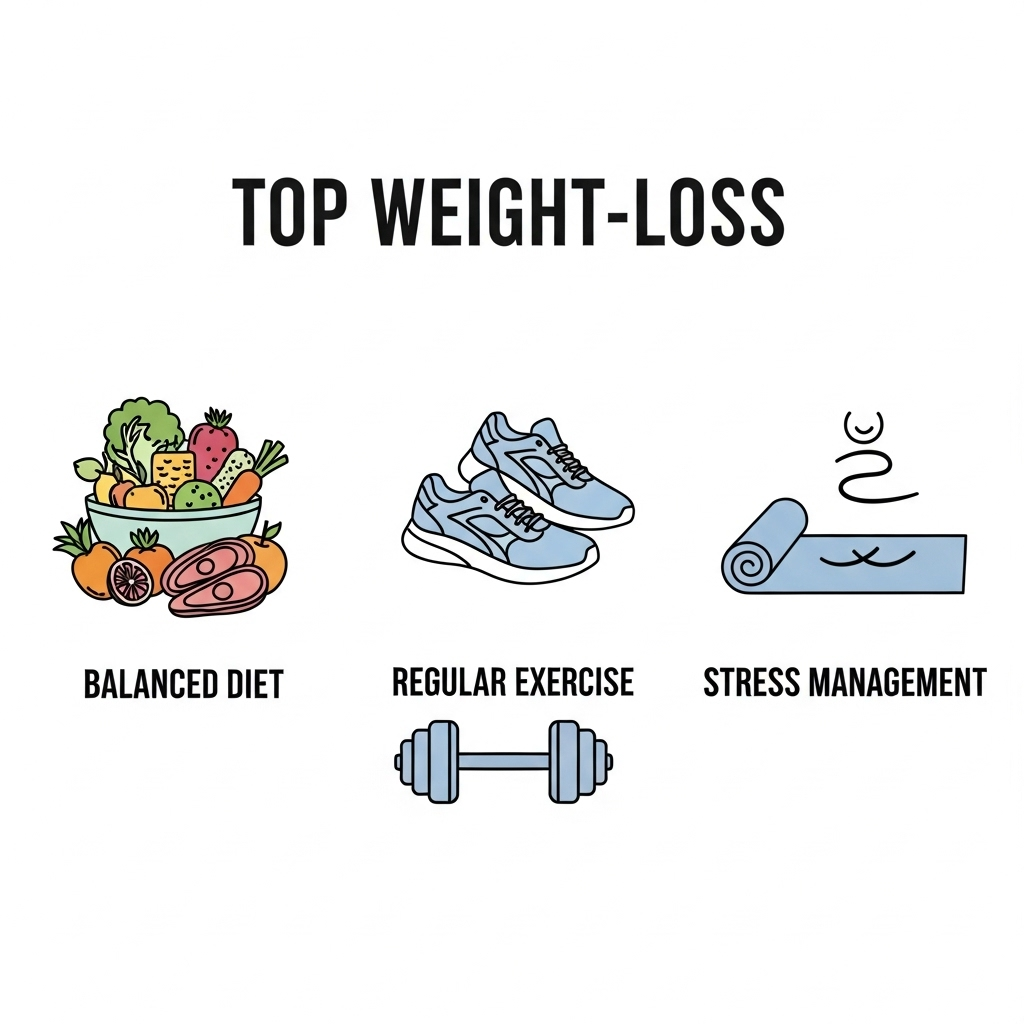
Credit: easy-peasy.ai
Frequently Asked Questions
How Can I Balance Diet And Motivation Effectively?
Balancing diet and motivation involves setting clear goals and planning meals. Choose nutritious foods that fuel your energy. Stay motivated by tracking progress and celebrating small wins. Consistency and a positive mindset are key to maintaining both healthy eating and motivation.
What Foods Boost Motivation And Energy Levels?
Foods rich in protein, healthy fats, and complex carbs boost energy and motivation. Examples include nuts, fruits, lean meats, and whole grains. These foods improve brain function and stabilize blood sugar, helping you stay focused and energized throughout the day.
How Does A Balanced Diet Improve Mental Motivation?
A balanced diet provides essential nutrients that support brain health. Nutrients like omega-3 fatty acids and vitamins enhance mood and cognitive function. Eating regularly helps maintain stable energy levels, reducing fatigue and improving motivation to accomplish daily tasks.
Can Meal Planning Increase Motivation To Eat Healthy?
Yes, meal planning reduces decision fatigue and promotes healthier choices. It saves time and ensures balanced nutrient intake. Planning meals ahead helps maintain consistency, making it easier to stay motivated on your diet journey.
Conclusion
Balancing diet and motivation takes time and patience. Small steps lead to big changes. Choose foods that fuel your body and mind. Stay consistent, even when progress feels slow. Find joy in healthy choices, not pressure. Remember, motivation can change daily.
Keep your goals clear and simple. Celebrate each success, no matter how small. This balance improves both health and happiness. Keep going—you are worth the effort.







