
Are you ready to face your next competition with confidence? Preparing your mind is just as important as training your body.
When you learn how to get mentally ready, you can stay calm, focused, and perform at your best—even under pressure. You’ll discover simple but powerful steps to boost your mental strength before any competition. Keep reading, and you’ll unlock the secret to staying sharp and winning with your mind.

Credit: www.youtube.com
Mental Warm-up Techniques
Preparing your mind before competitions helps improve focus and calm nerves. Simple exercises like deep breathing and positive visualization boost confidence and readiness. Clear, steady thoughts lead to better performance under pressure.
Mental preparation is crucial before any competition. Mental warm-up techniques help athletes remain calm and focused. These techniques can improve performance and build confidence. Let’s explore some effective strategies.Visualization Strategies
Visualizing success can boost confidence and prepare the mind. Picture the entire event in your mind, from start to finish. Imagine overcoming challenges and achieving your goals. This mental rehearsal can reduce anxiety and increase motivation. Practice visualization daily for best results.Breathing Exercises
Controlled breathing calms the mind and body. Deep breathing exercises can reduce stress before competitions. Try inhaling slowly through your nose, holding for a few seconds, and exhaling gently. Repeat this cycle several times. It helps clear your mind and improve focus. Regular practice enhances its effectiveness.Positive Affirmations
Positive affirmations build self-belief and reduce negative thoughts. Repeat encouraging phrases to yourself before competitions. Examples include “I am prepared” or “I can do this.” These affirmations boost confidence and focus. Use them consistently to strengthen your mental resilience.
Credit: www.youtube.com
Building Confidence
Confidence plays a key role in how well you perform during competitions. It shapes your mindset and helps reduce nerves. Building confidence takes practice and the right mental habits. It starts with clear goals and positive thoughts. Each small step adds strength to your belief in yourself. This section explains how to build confidence effectively before the big day.
Setting Realistic Goals
Set goals that are clear and possible to reach. Small goals are easier to achieve and boost your morale. Write down what you want to achieve and break it into steps. Focus on what you can control and improve. Realistic goals keep your mind focused and prevent feelings of failure.
Reflecting On Past Successes
Think about times you did well before. Remember the hard work and effort you put in. These memories prove you can succeed again. Keep a list of your past wins to review before competitions. This reminds you of your strength and skills.
Embracing Self-belief
Believe in your abilities and trust your training. Tell yourself positive statements daily. Replace doubts with encouraging thoughts. Accept mistakes as part of learning, not failure. Confidence grows when you treat yourself with kindness and respect.
Stress Management
Stress affects focus and performance during competitions. Managing stress helps keep the mind calm and sharp. It supports better decision-making and boosts confidence. Preparing mentally includes learning how to handle stress effectively.
Identifying Stress Triggers
Know what causes your stress before competitions. It could be fear of failure, lack of preparation, or external pressure. Write down moments or thoughts that increase your anxiety. Understanding triggers lets you address them directly. This awareness reduces surprise and helps you stay in control.
Mindfulness Practices
Mindfulness keeps you present and reduces worrying about the future. Simple breathing exercises calm your mind and body quickly. Try focusing on your breath for a few minutes daily. Meditation or guided relaxation also improves mental clarity. These practices build resilience against stress during competition.
Time Management Tips
Plan your practice and rest time carefully. Break tasks into small, manageable parts to avoid feeling overwhelmed. Use a schedule or planner to track your progress. Prioritize important activities and set realistic goals each day. Good time management prevents last-minute stress and builds confidence.
Focus And Concentration
Focus and concentration form the core of mental preparation before any competition. They help maintain clarity and calmness under pressure. Strong focus prevents the mind from wandering and keeps attention on key tasks. Concentration sharpens skills and improves performance. Cultivating these qualities requires practice and smart strategies.
Eliminating Distractions
Distractions break focus and reduce mental energy. Create a quiet space for practice and preparation. Turn off phones and notifications. Limit conversations that do not help your goals. Use noise-canceling headphones if needed. Clear your mind by taking deep breaths and visualizing your task. Small changes build a strong environment for concentration.
Developing Pre-competition Routines
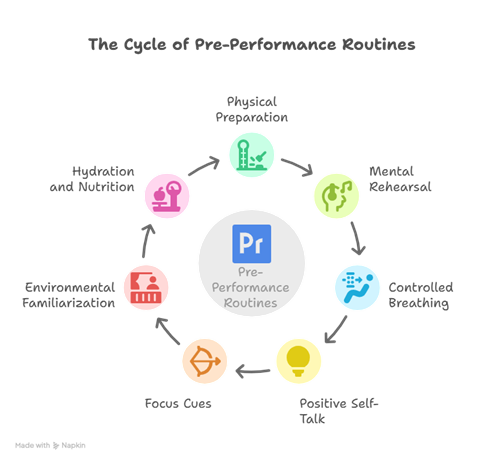
Routines signal the brain to prepare for focus. Develop a set of actions before competing. It can include stretching, breathing exercises, or reviewing strategies. Consistency in routines builds confidence and reduces anxiety. Practice these routines daily to make them natural. This helps the mind switch smoothly into a focused state during competition.
Using Mental Cues
Mental cues are short phrases or images that guide focus. Choose simple words like “calm,” “strong,” or “steady.” Repeat these cues silently during practice and events. Pair cues with breathing or movement to anchor them. Mental cues act like reminders to stay present and focused. Over time, they become powerful tools to control your mind.
Handling Pressure
Handling pressure during competitions can feel overwhelming, but how you manage it mentally makes all the difference. Pressure often triggers stress and doubt, which can cloud your focus. Learning to handle it effectively empowers you to stay calm, confident, and perform at your best.
Reframing Negative Thoughts
Negative thoughts can sneak in and shake your confidence before or during a competition. Instead of letting them take over, try to challenge and reframe these thoughts into something positive or neutral. For example, if you catch yourself thinking, “I’m going to fail,” change it to, “I’ve prepared well, and I’ll do my best.”
This simple mental shift helps reduce anxiety and keeps your mind focused on what you can control. Have you noticed how a small change in thinking can boost your energy and motivation?
Staying Present
Pressure often makes your mind race to the future or dwell on past mistakes. Staying present means focusing on the here and now—your breath, your movements, or the task at hand. Practicing mindfulness or short breathing exercises before and during the competition can anchor you in the moment.
When you stay present, your performance becomes clearer and more natural. Ask yourself: What is one thing I can focus on right now to improve my performance?
Adapting To Unexpected Situations
Competitions rarely go exactly as planned. Unexpected changes like weather, equipment issues, or schedule delays can increase pressure. Instead of resisting these changes, view them as challenges you can adapt to.
For example, if a sudden rain starts during a race, adjust your pace or strategy instead of panicking. Being flexible gives you a mental edge and keeps your confidence intact under pressure. How do you usually react when things don’t go your way?
Recovery And Rest
Recovery and rest are often the overlooked heroes in your mental preparation for competitions. They help your mind reset, reduce stress, and boost focus. Without proper recovery, even the best training can falter when it’s time to perform.
Importance Of Sleep
Sleep is more than just downtime; it’s when your brain processes memories and emotions. Lack of sleep can cloud your judgment and increase anxiety before a competition. Aim for 7-9 hours of quality sleep, and watch how your mental clarity and decision-making improve.
Have you noticed how a good night’s sleep changes your mood and energy? That feeling isn’t just in your head—it’s science.
Relaxation Techniques
Relaxation helps calm your mind and body, reducing the tension that builds up before a big event. Techniques like deep breathing, progressive muscle relaxation, or guided imagery can be done in just a few minutes. Try these methods after practice or before bed to ease your mind and sharpen your focus.
One time, I spent five minutes doing deep breathing before a competition and felt less jittery and more in control. Could a simple pause like that change your performance?
Balancing Training And Rest
Training hard is important, but so is giving your brain and body time to recover. Overtraining can lead to burnout and poor mental resilience. Schedule rest days and lighter training sessions to maintain your energy and keep your motivation high.
Think about how you feel after a day off versus after a heavy workout—your mental sharpness often improves with balance. What’s your current ratio of work to rest?
Building A Support System
Building a strong support system is essential for mental preparation before any competition. It creates a safety net where you can share your worries, celebrate small wins, and gain motivation. The right network can transform your mindset, helping you stay focused and resilient.
Seeking Encouragement
Look for people who genuinely believe in your potential. This could be family, friends, or mentors who offer positive reinforcement without judgment. Their encouragement can boost your confidence, especially when self-doubt creeps in.
Ask yourself: Who in your life consistently lifts you up? Reach out to them regularly, not just before competitions. Simple messages or quick calls can remind you that you’re not alone in this journey.
Communicating With Coaches
Your coach is more than just a trainer; they are a valuable source of guidance and emotional support. Share your fears and expectations openly to get tailored advice that suits your mental needs. Honest communication creates trust and reduces anxiety.
Don’t hesitate to ask for feedback on your mental approach, not just your physical performance. Sometimes, a small adjustment in mindset suggested by your coach can make a huge difference on competition day.
Engaging With Peers
Connecting with fellow competitors can provide unique insights into handling pressure. Sharing experiences helps you realize that nervousness is normal and manageable. Your peers can offer practical tips and moral support that coaches or family might not provide.
Consider forming a small group where you can discuss challenges and motivate each other consistently. How often do you pause to learn from those who face the same hurdles? Building these connections can be a game-changer for your mental strength.
Credit: www.thestrad.com
Frequently Asked Questions
How Can I Build Confidence Before Competitions?
Building confidence involves positive self-talk, visualization, and thorough preparation. Practice your skills regularly and focus on past successes. Avoid negative thoughts and use affirmations to reinforce your belief in your abilities. Confidence grows when you trust your training and stay calm under pressure.
What Mental Exercises Help Reduce Competition Anxiety?
Deep breathing, meditation, and progressive muscle relaxation can reduce anxiety. These techniques calm your mind and body before events. Practicing mindfulness keeps you focused and present. Regular mental exercises improve your ability to manage stress during competitions.
How Important Is Goal Setting Before Competitions?
Goal setting provides clear direction and motivation. It helps you focus on specific achievements rather than outcomes. Setting realistic, measurable goals boosts confidence and tracks progress. This strategy improves performance by maintaining mental clarity and purpose.
How Does Visualization Improve Competition Performance?
Visualization trains your brain to perform successfully. Imagining positive outcomes increases confidence and reduces fear. It helps you mentally rehearse skills and strategies. Visualization prepares you emotionally and physically for competition scenarios.
Conclusion
Mental preparation plays a key role in competition success. Stay calm and focused before your event. Practice positive thoughts and clear your mind. Visualize your best performance to build confidence. Take deep breaths to reduce stress and tension. Rest well and eat healthy for good energy.
Remember, mental strength supports your physical skills. Keep a steady routine to feel ready and confident. Small steps each day lead to big improvements. Trust your preparation and give your best effort. Success follows those who prepare both body and mind.







