
Looking to build strength and stay fit without leaving your home? Choosing the right gym equipment for home dumbbells can make all the difference.
Whether you’re just starting out or want to upgrade your workout space, the right dumbbells help you get results faster and keep your routine exciting. You’ll discover how to pick dumbbells that suit your goals, space, and budget. Keep reading to find out how to make your home workouts more effective and enjoyable!

Credit: www.amazon.com
Benefits Of Dumbbells At Home
Dumbbells at home offer numerous benefits for fitness enthusiasts. They are a practical addition to any home gym setup. From saving space to enhancing workout variety, dumbbells are invaluable.
Space Efficiency
Dumbbells require minimal space compared to other gym equipment. They can easily fit in small apartments or limited spaces. You can store them under the bed or in a closet. This makes them ideal for home workouts.
Versatility In Workouts
Dumbbells allow a wide range of exercises. You can target all major muscle groups with them. From bicep curls to lunges, they offer endless possibilities. This variety helps keep workouts interesting and challenging.
Cost-effectiveness
Dumbbells are an affordable fitness solution. They provide a good return on investment. You can find them at different price points. Unlike gym memberships, they are a one-time purchase. This makes them budget-friendly for long-term use.
Types Of Dumbbells
Dumbbells are essential for any home gym, offering versatility and convenience for strength training. Choosing the right type can affect your workout efficiency and space usage. Understanding the differences between fixed, adjustable, and selectorized dumbbells helps you make the best decision for your fitness goals.
Fixed Weight Dumbbells
Fixed weight dumbbells come in a single, solid weight. You pick up the dumbbell with the weight you want and start exercising immediately. They are simple to use and durable, making them a favorite for beginners and those who prefer a straightforward approach.
However, owning multiple fixed dumbbells can take up a lot of space. Many fitness enthusiasts keep a set ranging from light to heavy weights. Do you have enough room to store several pairs? That’s something to consider if your workout area is limited.
Adjustable Dumbbells
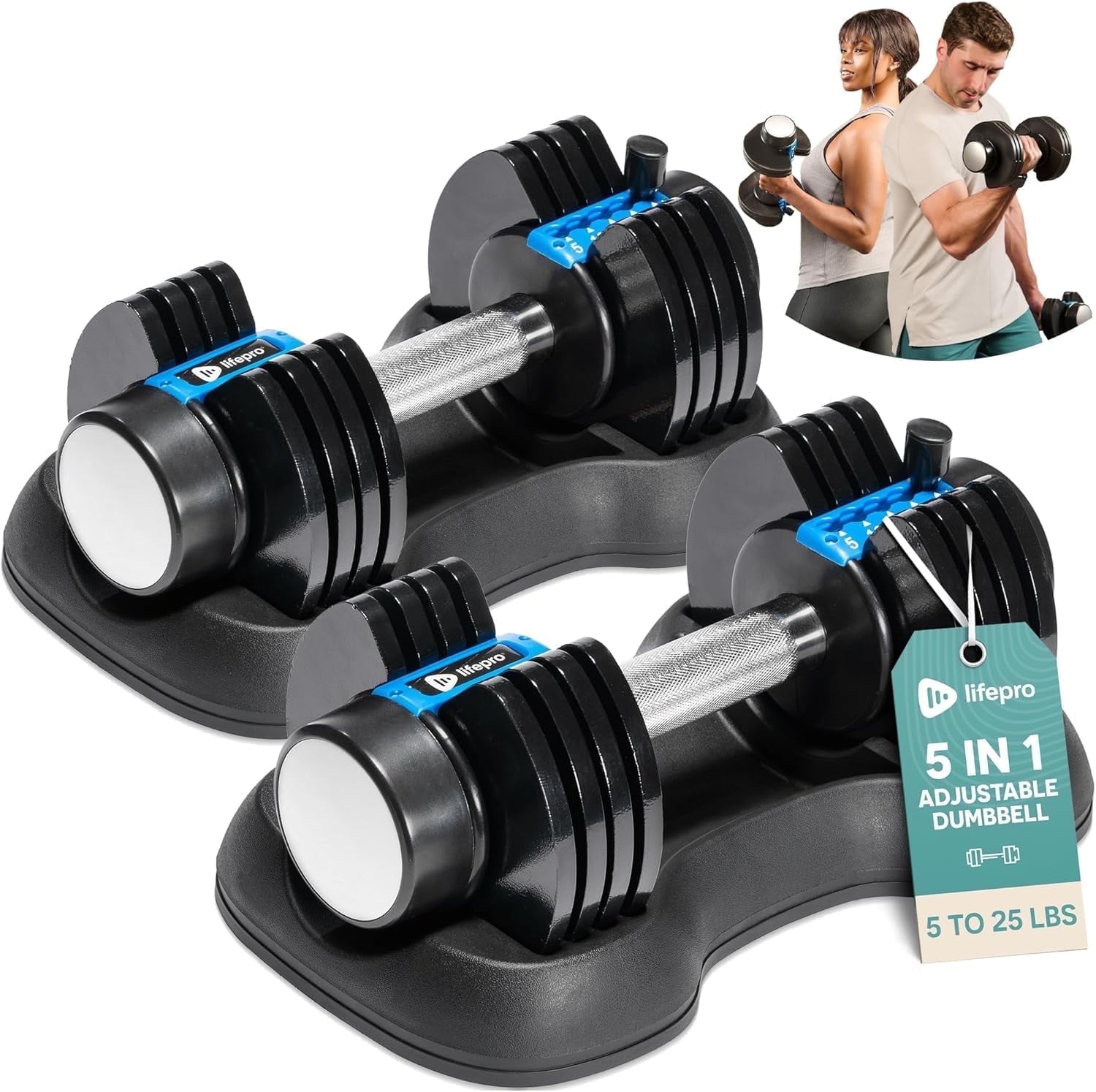
Adjustable dumbbells allow you to change the weight by adding or removing plates. This flexibility saves space and money since one set can replace many fixed dumbbells. They are perfect if you want to gradually increase your strength without buying new equipment.
Changing the weight takes a few extra seconds during workouts. This might interrupt your flow if you’re doing high-intensity circuits. But if you value variety and compactness, adjustable dumbbells could be your best option.
Selectorized Dumbbells
Selectorized dumbbells use a dial or pin system to quickly switch between weights. This design offers convenience and speed, making them ideal for fast-paced workouts. Many users find they can lift more efficiently without waiting to adjust plates manually.
These dumbbells often come with a higher price tag but provide excellent space-saving benefits. They fit well in small home gyms and offer smooth weight transitions. Would paying more upfront for convenience improve your workout consistency?
Choosing The Right Weight
Choosing the right weight for your home dumbbells is key to effective workouts. The correct weight helps build strength without causing injury. Selecting dumbbells that match your fitness level ensures steady progress. This section covers simple steps to find the perfect weight for your needs.
Assessing Your Fitness Level
Start by understanding your current strength. Try lifting light dumbbells to see how many reps you can do. Aim for 8 to 12 repetitions with good form. If you can easily do more than 12 reps, choose a heavier weight. If you struggle to reach 8 reps, pick a lighter dumbbell. This approach helps match the weight to your ability.
Progressive Overload
To improve strength, gradually increase the weight over time. This method is called progressive overload. It challenges muscles and helps them grow stronger. Add small weight increments as you get comfortable with your current dumbbells. This steady increase keeps workouts effective and prevents plateaus.
Weight Increments
Select dumbbells with small weight steps to allow smooth progress. Common increments are 2 to 5 pounds. Adjustable dumbbells offer flexibility with different weights in one set. This option saves space and money. Choose increments that fit your strength gain pace. Avoid jumps that are too big, which can cause strain.
Credit: www.walmart.com
Essential Dumbbell Exercises
Dumbbells are versatile tools for home workouts. They help build strength and improve muscle tone. Many exercises target different body parts. This section covers key dumbbell moves to strengthen your body.
Upper Body Moves
- Bicep curls shape the front of the arm.
- Shoulder presses build strong, broad shoulders.
- Tricep kickbacks tone the back of the arm.
- Dumbbell rows improve back strength and posture.
- Chest presses develop the chest and arms.
Lower Body Moves
- Goblet squats strengthen thighs and glutes.
- Deadlifts target hamstrings and lower back.
- Lunges improve balance and leg muscle tone.
- Calf raises build stronger lower legs.
Core Strengthening
- Russian twists engage the oblique muscles.
- Dumbbell side bends target the waist area.
- Weighted sit-ups increase abdominal strength.
- Plank rows combine core and upper body work.
Setting Up Your Home Gym
Setting up your home gym with dumbbells can transform your workout routine and bring convenience right to your doorstep. It’s not just about placing weights in a corner; creating the right environment plays a huge role in how motivated and consistent you stay. Let’s dive into key elements that make your home gym both functional and inviting.
Safe Workout Space
Safety should be your top priority. Choose a flat, non-slip surface where you won’t risk tripping or slipping during exercises. Clear the area of clutter and fragile items to avoid accidents.
Consider using rubber mats or gym flooring to protect your floors and reduce noise. Make sure there’s enough space around you to move freely, especially when lifting dumbbells above your head or doing lunges.
Have you checked if your workout space has good ventilation and natural light? These factors keep you energized and comfortable during your sessions.
Storage Solutions
Keeping your dumbbells organized saves time and keeps your space tidy. Use a dumbbell rack or sturdy shelving to store your weights safely when not in use.
If space is tight, wall-mounted racks or compact stands work well. Think about adding hooks or bins nearby for accessories like gloves or resistance bands.
Having a dedicated spot for your equipment encourages you to stick with your routine. How easy is it for you to grab your dumbbells right when motivation strikes?
Additional Accessories
Enhance your workouts by adding a few simple accessories. A workout bench can open up exercises like chest presses and rows, making your dumbbell sessions more versatile.
Resistance bands, a yoga mat, and a mirror for form checks are also great additions. These tools don’t take up much space but add significant value to your training.
Think about what exercises you enjoy or want to try, then add accessories that support those goals. What small additions could make your workouts more effective and enjoyable?
Maintaining Your Dumbbells
Maintaining your dumbbells is key to keeping your home gym equipment in top shape. Regular care extends their life and ensures safe, effective workouts. Neglecting maintenance can lead to rust, damage, or even injury.
Cleaning Tips
Wiping down your dumbbells after each use helps remove sweat and dirt that can cause corrosion. Use a soft cloth dampened with warm water and mild soap for best results.
Avoid harsh chemicals that can damage the metal or rubber coating. Dry them thoroughly with a towel to prevent moisture buildup, especially in hard-to-reach areas.
Preventing Rust
Rust often appears when dumbbells are exposed to moisture or stored in humid places. Keep your equipment in a dry, well-ventilated room to minimize this risk.
If you spot rust forming, gently scrub it off with a wire brush or fine sandpaper. Applying a thin layer of machine oil or WD-40 can create a protective barrier against moisture.
Regular Inspection
Check your dumbbells regularly for loose parts, cracks, or worn grips. This simple habit helps you catch potential problems before they become serious.
Ask yourself: Are the handles still secure? Is the weight evenly distributed? If anything feels off, tighten bolts or replace damaged components immediately.
Common Mistakes To Avoid
Using dumbbells at home offers great flexibility, but avoiding common mistakes is key to making your workouts effective and safe. Many people rush through exercises or overlook important steps, which can lead to injury or slow progress. Let’s look at some pitfalls you can easily steer clear of to get the most from your dumbbell sessions.
Poor Form
Using poor form is one of the biggest mistakes you can make with dumbbells. It not only reduces the effectiveness of your workout but also increases the risk of injury.
For example, if your back rounds during a dumbbell row, you might strain your lower back. Focus on controlled, deliberate movements and keep your posture in check. Ask yourself: Are you moving the weight or just swinging it? If it feels like a swing, slow down and reset your form.
Overtraining
It’s tempting to push hard every day, especially when working out at home. But overtraining can lead to fatigue, soreness, and even injury.
Your muscles need time to recover after lifting dumbbells. If you train the same muscle group intensely every day, you might see less progress or hit a plateau. Try scheduling rest days or alternating muscle groups to allow proper recovery.
Ignoring Warm-ups
Skipping warm-ups before using dumbbells can make your muscles stiff and prone to injury. A simple 5-10 minute warm-up increases blood flow and prepares your body for exercise.
Try light cardio or dynamic stretches targeting the muscles you’ll work on. Have you noticed how a proper warm-up boosts your strength and flexibility during your sets? Don’t overlook this easy step—it sets the foundation for a solid workout.
Tracking Progress
Tracking progress is essential when using dumbbells at home. It helps you see improvements and stay motivated. Without tracking, it is easy to lose focus or repeat the same routine. Small changes add up over time and lead to better strength and fitness. Keep a record of your workouts and progress to reach your goals effectively.
Setting Goals
Start by setting clear and simple goals. Define what you want to achieve with your dumbbell workouts. Goals can be increasing weight, doing more reps, or improving form. Write down these goals to remind yourself of your purpose. Short-term goals keep you motivated, while long-term goals guide your training plan.
Using Workout Logs
Use workout logs to track your exercises and results. Record the weight, sets, reps, and how you feel after each session. Logs help you see patterns and progress over time. You can use a notebook, app, or spreadsheet. Consistent logging makes it easier to adjust your workouts and stay on track.
Adjusting Routine
Review your workout logs regularly to know when to change your routine. Increase dumbbell weight or add more reps to challenge your muscles. Changing exercises prevents boredom and helps you grow stronger. Adjust rest time and workout frequency to match your progress and goals. Flexibility in your routine keeps workouts effective and interesting.

Credit: www.amazon.com
Frequently Asked Questions
What Are The Best Dumbbells For Home Gyms?
Adjustable dumbbells are ideal for home gyms. They save space and offer multiple weight options. They suit various exercises and fitness levels.
How Do Dumbbells Improve Home Workout Effectiveness?
Dumbbells enhance strength and muscle tone. They allow full-body workouts targeting multiple muscles. Their versatility boosts workout variety and intensity.
Are Dumbbells Suitable For Beginners At Home?
Yes, dumbbells are beginner-friendly. Start with lighter weights to build strength gradually. They help develop proper form and muscle control safely.
How To Choose The Right Dumbbell Weight At Home?
Select weights based on your fitness level and goals. Beginners should start light and increase gradually. Choose weights that challenge muscles without causing strain.
Conclusion
Dumbbells are a great choice for home workouts. They fit small spaces and offer many exercise options. You can build strength, tone muscles, and improve fitness easily. Choose the right weight for your level and goals. Keep your dumbbells organized to save space and stay safe.
Regular use helps you stay active and healthy. Start with simple exercises and increase intensity over time. Your home gym can be effective and convenient with dumbbells. Simple tools, big results.







