
Keeping track of your fitness progress can be a game-changer. When you log your workouts, meals, and milestones, you stay motivated and see exactly how far you’ve come.
But how do you keep progress logs in a way that actually helps you improve? This article will show you simple, effective methods to track your fitness journey. By the end, you’ll have the tools to stay focused and reach your goals faster.
Ready to take control of your progress? Let’s dive in.
Benefits Of Progress Logs
Keeping progress logs in fitness can transform your workout journey. These logs help in monitoring growth and maintaining consistency. They also offer many advantages that can boost your fitness goals.
Track Physical Changes
Progress logs help you see physical changes over time. You can note weight loss, muscle gain, and endurance improvement. Compare photos and measurements to understand your transformation. This visual evidence can be very rewarding and informative.
Identify Patterns And Plateaus
Logs reveal patterns in your fitness routine. Recognize what works and what doesn’t. Spot plateaus and adjust your workouts to overcome them. This ensures continuous progress and avoids frustration.
Enhance Motivation
Seeing your achievements can boost motivation. Each logged workout is a step towards your goals. Celebrating small victories encourages you to keep moving forward. Progress logs remind you of your hard work and dedication.

Credit: www.youtube.com
Choosing The Right Format
Choosing the right format for your fitness progress logs can make a big difference in staying motivated and tracking your achievements accurately. The format you pick should match your lifestyle, preferences, and how detailed you want your records to be. Think about what feels natural for you—do you prefer typing on a screen, writing by hand, or a mix of both?
Digital Apps And Tools
Digital apps offer convenience and powerful features like automatic tracking and data visualization. Many apps let you log workouts, meals, and body measurements all in one place. Some popular options include MyFitnessPal, Strava, and Strong, which can send reminders and show progress charts.
Using digital tools can save time and reduce errors, especially if you like seeing your stats in graphs or tables. But ask yourself: do you enjoy spending time on your phone, or does it distract you? The right app should make logging feel easy, not like a chore.
Traditional Journals
Writing in a physical journal can boost your connection to your fitness journey. The act of putting pen to paper helps many people remember details better and reflect more deeply on their progress. You can customize your journal with sketches, stickers, or motivational quotes.
Some find that carrying a small notebook to the gym or keeping one on their bedside table encourages consistent logging. Would you find joy in flipping through pages filled with your milestones? If yes, a traditional journal might be your best companion.
Hybrid Methods
Combining digital tools with a traditional journal can give you the best of both worlds. For example, you might track workouts in an app but jot down feelings, energy levels, or personal notes by hand. This approach can help you capture both data and emotion.
Many fitness enthusiasts find that hybrid methods keep them more engaged and accountable. Could mixing formats help you stay consistent without feeling overwhelmed? Try experimenting for a week and see which parts of each format keep you motivated.
Key Metrics To Record
Tracking the right metrics can make all the difference in your fitness journey. Without clear data, it’s easy to lose sight of your progress or hit a plateau without knowing why. Focusing on specific, meaningful measurements helps you adjust your routine and stay motivated.
Workout Details
Record what exercises you do, the number of sets and reps, and the weights you use. Note how you feel during and after your workout to spot patterns in energy and performance.
Tracking this over time reveals your strength gains and endurance improvements. Have you noticed that certain workouts leave you more energized or sore? This insight can guide your next session.
Body Measurements
Keep track of your weight, body fat percentage, and measurements like waist, hips, chest, arms, and thighs. These numbers provide a clearer picture than the scale alone.
For example, you might see inches lost even if the scale doesn’t move much, showing muscle gain or fat loss. How often do you check these numbers? Weekly or biweekly tracking can highlight subtle changes.
Nutrition And Hydration
Write down what you eat and drink daily, including portion sizes and meal times. Pay attention to protein, carbs, fats, and how much water you consume.
Noticing how your nutrition affects your workouts and recovery is key. Ever felt sluggish after a heavy carb meal or energized after proper hydration? These details guide smarter eating choices.
Sleep And Recovery
Log your sleep hours and quality every night. Recovery also includes rest days and how your muscles feel before and after workouts.
Good sleep boosts performance and reduces injury risk. Ask yourself: Are you recovering well enough to push harder, or is fatigue holding you back? Adjusting rest can be as important as training itself.
Setting Realistic Goals
Setting realistic goals is key to tracking progress in fitness. Clear goals guide your efforts and keep motivation high. Unrealistic goals can lead to frustration and loss of interest. Realistic goals fit your current fitness level and lifestyle. They help you celebrate small wins and stay consistent.
Short-term Milestones
Short-term milestones break bigger goals into smaller steps. These milestones give quick feedback on your progress. Examples include increasing workout time by five minutes or adding more reps. Celebrate hitting these milestones to stay motivated. They build confidence and make the journey less overwhelming.
Long-term Objectives
Long-term objectives focus on what you want to achieve in months or years. These goals should be clear and measurable. Examples include running a 5K or losing 20 pounds. Long-term objectives provide direction and purpose. They keep you focused through challenges and plateaus.
Adjusting Goals Over Time
Goals may need changes as you progress or face obstacles. Adjust goals to match your current fitness level and lifestyle. It is okay to make goals easier or harder. Track progress honestly and revise goals to stay on track. Flexibility prevents burnout and keeps your fitness journey enjoyable.
Tips For Consistent Logging
Keeping your progress logs consistent can transform your fitness journey. It helps you see real changes and keeps you motivated. But staying consistent isn’t always easy—small habits can make a big difference in how often and how well you log your workouts.
Establishing A Routine
Choose a specific time each day to update your progress logs. It could be right after your workout or before bed. Making logging part of your daily routine removes the guesswork and helps it become automatic.
I used to skip logging because I thought I’d do it later. Once I set a rule to log immediately after exercising, I never missed an entry. What time of day feels easiest for you to add this habit?
Using Reminders And Alerts
Set up reminders on your phone or smartwatch to prompt you to log your progress. Apps and calendar alerts work well to nudge you when it’s time to update your stats. These small cues prevent you from forgetting, especially on busy days.
Try different alert types—vibration, sound, or pop-ups—and see which grabs your attention best. Have you ever noticed how a simple beep can steer you back on track?
Keeping Logs Simple And Clear
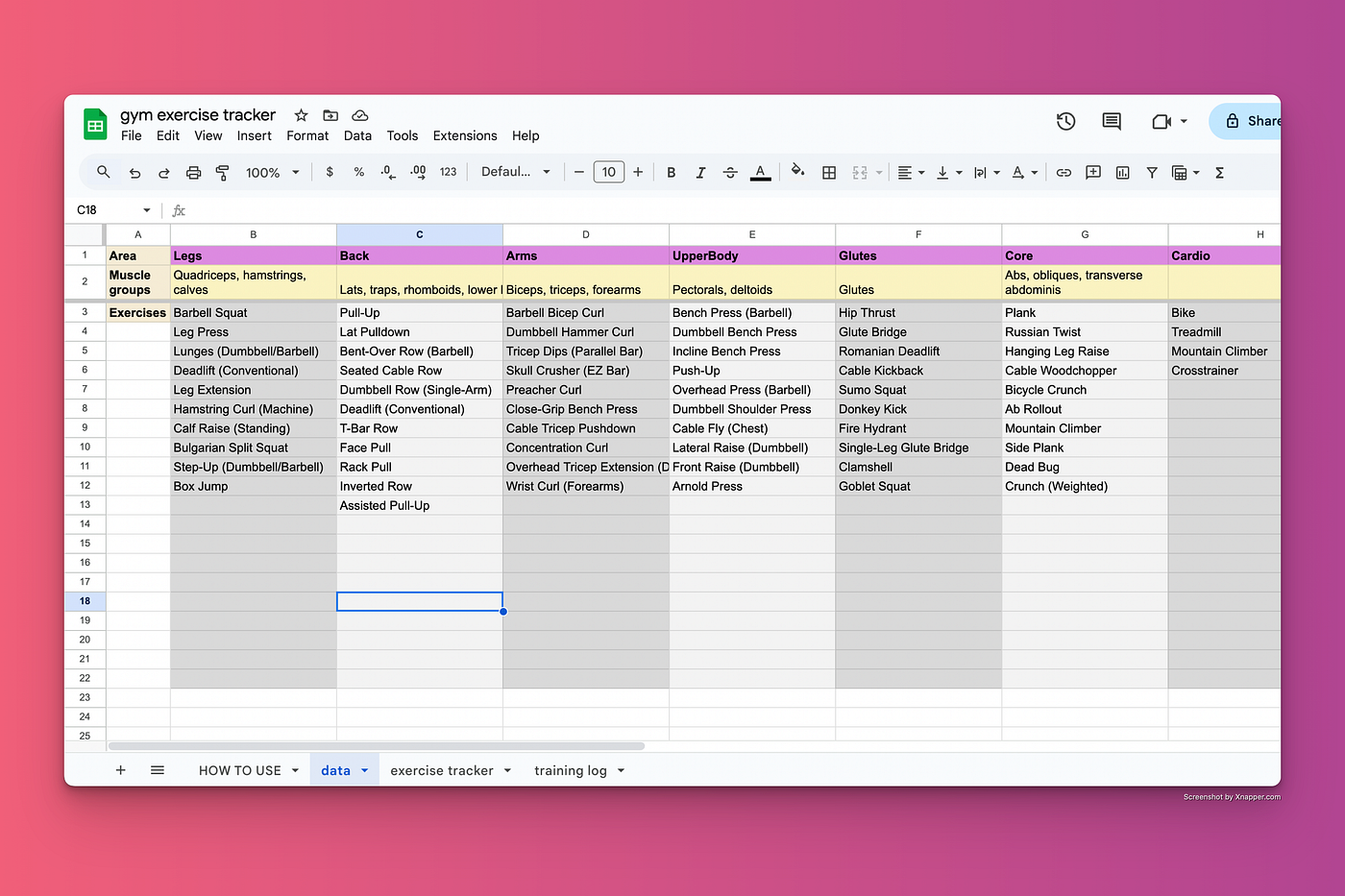
Don’t make logging feel like a chore by overcomplicating it. Use bullet points or short notes instead of long paragraphs. Focus on key details like weight lifted, reps, duration, or how you felt.
Simple logs encourage you to keep going because they don’t take much time. What’s one small detail you could start tracking today that would show your progress clearly?

Credit: medium.com
Analyzing And Using Your Logs
Keeping progress logs is more than just writing down numbers and dates. The real value lies in analyzing these records and using the insights to guide your fitness journey. When you take time to study your logs, you spot patterns, identify what works, and make smarter decisions that keep you moving forward.
Reviewing Progress Weekly
Set aside a few minutes every week to go over your logs. Look at your workouts, weights lifted, reps done, and how you felt during each session. This simple habit helps you see whether you are improving, plateauing, or slipping back.
Ask yourself questions like:
- Did I increase the weight or reps this week?
- Was my energy level consistent during workouts?
- Are certain exercises causing discomfort or pain?
Answering these will guide your next steps. For example, noticing slow progress on squats might mean you need more rest or technique work.
Making Data-driven Adjustments
Your logs are a goldmine for making decisions based on facts, not guesswork. If your strength isn’t improving, change your routine by adding extra sets or switching exercises.
Use your data to:
- Increase intensity gradually
- Adjust rest days for better recovery
- Focus on weaker muscle groups
Remember, small adjustments can lead to big gains. Have you ever changed just one thing and suddenly hit a new personal best? That’s the power of using your logs wisely.
Celebrating Achievements
Tracking progress isn’t only about fixing problems—it’s also about recognizing wins. Did you hit a new weight, run faster, or stick to your schedule perfectly? Celebrate it!
Mark these milestones in your log with notes or highlights. It boosts motivation and reminds you why you started. What recent achievement can you celebrate today?
Common Challenges And Solutions
Keeping a progress log in fitness can be tough. Many face common challenges that slow down or stop their tracking habit. Understanding these problems helps find simple solutions. This keeps progress clear and motivation high. The following sections explore common hurdles and ways to handle them.
Overcoming Logging Fatigue
Logging every workout or meal may feel tiring over time. This fatigue can cause skipping entries and losing track. To fight logging fatigue, try these tips:
- Use apps with quick input options.
- Set reminders at the same time daily.
- Keep a simple format; avoid too many details.
- Focus on key data like weight, reps, or time.
Keeping it easy makes logging less of a chore. Consistency beats complexity in the long run.
Dealing With Inconsistent Data
Data inconsistency happens when entries miss important details or vary too much. It makes progress hard to understand. To handle this:
- Choose specific metrics to track and stick to them.
- Log data right after workouts or meals.
- Review entries weekly to fill gaps.
- Use the same units and formats always.
Clear and steady data builds a reliable progress picture. It helps spot real improvements or needed changes.
Staying Motivated Long-term
Motivation can drop after weeks or months. This leads to stopping progress logs altogether. To stay motivated:
- Set small, achievable goals regularly.
- Celebrate milestones, no matter how small.
- Share progress with friends or a fitness group.
- Keep the log visible as a daily reminder.
Staying connected to your goals keeps logging habits alive. Enjoying the process helps maintain focus.
Credit: medium.com
Frequently Asked Questions
What Is A Progress Log In Fitness?
A progress log tracks your workouts, nutrition, and body changes. It helps you monitor improvements and stay motivated. Logging progress identifies what works and what needs adjustment for better results.
How Often Should I Update My Fitness Progress Log?
Update your fitness progress log after every workout or weekly. Consistent updates ensure accurate tracking of your performance and body changes. Regular entries help maintain motivation and adjust your fitness plan effectively.
What Details Should I Include In A Fitness Progress Log?
Include workout type, duration, intensity, reps, sets, and weights used. Also, note your nutrition, mood, and body measurements. These details give a complete overview of your fitness journey and progress.
How Can Progress Logs Improve Workout Motivation?
Seeing measurable progress boosts motivation and commitment. Logs highlight achievements and help set realistic goals. They provide a clear record of effort, encouraging consistency and perseverance.
Conclusion
Keeping progress logs helps track your fitness journey clearly. It shows what works and what needs change. Writing down workouts, meals, and feelings keeps you focused. Small steps add up to big results over time. Stay consistent and honest with your notes.
Celebrate progress, no matter how small it seems. Progress logs keep motivation alive and goals in sight. Start today, and watch your fitness improve steadily. Simple, clear records make your journey easier and more rewarding.







