
Are you looking for ways to stay active and strong, but worried that standard gym equipment won’t meet your needs? Finding the right gym equipment for disabled people can make all the difference in your fitness journey.
Imagine using tools designed just for you—equipment that supports your body, boosts your confidence, and helps you reach your goals faster. You’ll discover the best options tailored to your unique needs, so you can enjoy working out safely and effectively.
Keep reading to find out how the right gear can transform your workouts and empower you every step of the way.

Credit: livingspinal.com
Accessible Gym Machines
Accessible gym machines empower disabled individuals to enjoy fitness activities. These specialized machines ensure everyone can participate in workouts. They are designed with inclusivity in mind, accommodating various physical abilities. Let’s explore some key types of accessible gym machines.
Wheelchair-friendly Cardio Equipment
Wheelchair-friendly cardio machines offer great exercise opportunities. They allow users to engage in effective cardiovascular workouts. These machines often feature adjustable seats and handrails. Hand cycles and arm ergometers are popular choices. They provide a full upper-body workout while seated.
Adaptive Strength Training Machines
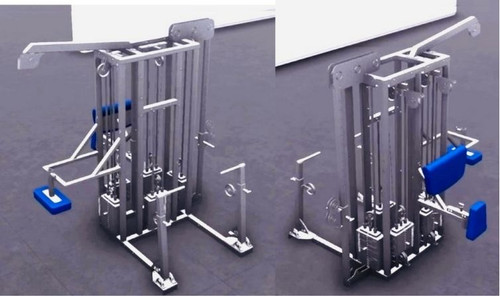
Adaptive strength training machines cater to diverse needs. They offer customizable options for different abilities. These machines often include adjustable seats and grips. Users can exercise independently, enhancing muscle strength. Some machines support multiple exercises, providing versatility.
Adjustable Resistance Options
Adjustable resistance options enhance workout flexibility. Users can set resistance levels to match their strength. This feature ensures a comfortable and safe experience. It’s crucial for gradual progress and avoiding strain. Resistance bands and pulley systems are commonly adjustable. They offer a range of motion and strength-building potential.

Credit: livingspinal.com
Supportive Fitness Accessories
Supportive fitness accessories can make a huge difference in your workout experience, especially if you have physical limitations. These tools are designed to enhance comfort, safety, and effectiveness while exercising. They help you focus on your fitness goals without worrying about slipping, losing balance, or discomfort.
Grip Aids And Straps
Grip aids and straps give you extra hold on weights, bars, and machines. If your hands get tired or slippery, these accessories keep your grip secure.
Think about how frustrating it is to lose control mid-exercise. Using padded gloves or wrist straps can reduce that risk and let you lift heavier or longer. They are especially helpful if you have weak hand strength or limited dexterity.
Balance And Stability Tools
Balance tools like stability balls, balance boards, and foam pads improve your coordination and core strength. They challenge your body gently, encouraging better posture and muscle control.
Have you noticed how much harder some moves feel without solid footing? These tools help train your body to stay steady, reducing falls and injuries during workouts and everyday activities.
Customized Seating And Padding
Customized seating and extra padding provide comfort and support during your exercises. They can be tailored to your body shape and needs, preventing pressure sores and discomfort.
Imagine sitting on a hard bench for a long session—it’s not just uncomfortable but can also cause pain. Cushions, adjustable seats, and back supports help you stay focused on your workout instead of shifting to ease pain.
Home Gym Adaptations
Creating a home gym that suits your unique needs is essential, especially if you have mobility challenges or other disabilities. Adaptations make workouts safer and more effective without overwhelming your living space. Small changes in equipment and setup can drastically improve your exercise routine’s comfort and accessibility.
Compact And Portable Equipment
Choosing compact and portable gym equipment can save you from clutter and allow easy storage. Items like resistance bands, foldable rowing machines, and adjustable dumbbells fit well in tight spaces and can be moved effortlessly.
Imagine having a resistance band that you can hook onto a door or chair for seated exercises. It’s convenient and offers a wide range of motion without the need for heavy machines. Have you tried using a compact pedal exerciser? It’s perfect for strengthening leg muscles while sitting comfortably.
Space-saving Designs
Space-saving designs are a game-changer, especially in smaller homes or apartments. Wall-mounted racks for weights or fold-away benches keep the floor clear while giving you access to essential equipment.
Look for multifunctional machines that combine cardio and strength training in one unit. A compact elliptical with adjustable resistance can be tucked into a corner, making your workout area neat and accessible. How much space can you realistically dedicate to your gym? Finding the right size equipment can help you stay consistent.
Technology Integration For Accessibility
Technology can turn your home gym into a smart, accessible workout zone. Voice-activated controls and apps with adaptive workout plans let you customize exercises based on your abilities.
Consider equipment with built-in screens that offer visual and audio cues to guide you step-by-step. Some machines sync with wearable devices to monitor your heart rate and progress, ensuring you stay within safe limits. What tech features would help you feel more confident and motivated during your workouts?
Benefits Of Inclusive Gym Gear
Inclusive gym gear offers many benefits for people with disabilities. It helps create a supportive and accessible workout space. These tools encourage physical activity and help improve overall health. Everyone can enjoy fitness without barriers or limits.
Enhanced Mobility And Strength
Inclusive gym equipment is designed to support different needs. It helps users move more freely and safely. Exercises become easier and more effective. Strength builds gradually, improving daily life activities. This gear adapts to various abilities, making workouts possible for all.
Improved Mental Health
Using inclusive gym gear boosts confidence and mood. Exercise releases endorphins, which reduce stress and anxiety. Feeling capable and active improves self-esteem. Regular workouts create a sense of achievement. This positive mindset supports mental well-being.
Community And Social Inclusion
Inclusive gym equipment brings people together. It promotes interaction and teamwork among users. Everyone feels welcome and valued. Gyms become places of friendship and support. Social inclusion motivates consistent exercise and healthy habits.
Choosing The Right Equipment
Choosing the right gym equipment is essential for making your workouts safe, effective, and enjoyable. The right gear supports your unique abilities and helps you reach your fitness goals without unnecessary strain or frustration. Let’s look at how you can find equipment that fits your needs perfectly.
Assessing Individual Needs
Your abilities, mobility, and fitness goals should guide your equipment choices. Think about what exercises you want to do and which body parts you want to focus on. For example, if you have limited leg movement, equipment that targets upper body strength like arm ergometers or resistance bands might be ideal.
Ask yourself questions like: Can you transfer safely to the equipment? Do you need adjustable settings for comfort? Understanding these details helps you avoid gear that’s too complicated or unsafe for your use.
Consulting Fitness Professionals
Talking to trainers who specialize in adaptive fitness can change your workout experience. They offer insights based on your specific condition and suggest equipment that matches your strength and flexibility levels. I once worked with a trainer who introduced me to a seated cable machine that I had never considered, and it transformed my routine.
Don’t hesitate to ask about trials or demos. Trying out equipment under professional guidance lets you feel confident before making a purchase.
Budget-friendly Options
Quality doesn’t always mean expensive. Many affordable pieces of adaptive gym equipment exist that deliver great results without breaking the bank. Resistance bands, adjustable dumbbells, and portable pedal exercisers offer versatility and ease of use at a low cost.
Consider second-hand options or community programs that lend adaptive equipment. Sometimes, a simple modification to standard equipment can make it accessible and save you money. What’s your budget, and how can you maximize value without sacrificing safety?
Brands Leading Accessibility
Brands leading accessibility in gym equipment are changing the fitness world. They design machines and tools that everyone can use. This makes exercise possible for people with different abilities. These companies focus on comfort, safety, and ease of use. Their products help users stay active and healthy. They also inspire confidence and independence.
Their innovations remove barriers to fitness. They create equipment that adapts to various needs. These brands listen to users and improve constantly. This effort makes gyms more welcoming and inclusive.
Top Inclusive Gym Equipment Brands
- Life Fitness – Known for accessible strength and cardio machines.
- HUR – Specializes in equipment for users with limited mobility.
- Keiser – Offers adaptive resistance training machines.
- Motomed – Focuses on motorized therapy bikes for all levels.
- Precor – Creates adjustable machines for different body types.
Innovations In Adaptive Fitness Gear
Adjustable seats and handles make equipment user-friendly. Easy-to-read screens help track progress clearly. Machines with low step-up heights improve entry and exit. Controls designed for limited hand movement increase independence. Some devices use voice commands for added convenience. Lightweight, portable gear allows workouts anywhere. These features enhance comfort and accessibility.
User Reviews And Testimonials
Many users praise the comfort and ease of use. They feel safer and more motivated exercising. Users mention better strength and flexibility after regular use. Families appreciate equipment that supports different abilities. Trainers highlight how these machines help personalized programs. Positive feedback drives brands to keep improving.
Credit: livingspinal.com
Frequently Asked Questions
What Types Of Gym Equipment Suit Disabled People Best?
Adaptive gym equipment like hand cycles, resistance bands, and seated ellipticals suit disabled users. These tools ensure safety and accessibility, promoting effective workouts.
How Can Disabled People Safely Use Gym Machines?
Start with professional guidance and choose equipment with supportive features. Proper adjustments and gradual progression reduce injury risks and improve workout efficiency.
Are There Affordable Gym Equipment Options For Disabled Individuals?
Yes, resistance bands, dumbbells, and portable pedal exercisers are budget-friendly. These options offer versatility and convenience for home or gym use.
Can Gym Equipment Improve Mobility For Disabled Users?
Adaptive machines enhance strength, flexibility, and coordination. Regular use supports rehabilitation and boosts overall mobility and independence.
Conclusion
Choosing the right gym equipment helps everyone stay active and healthy. Disabled people can enjoy many workout options designed for their needs. Safe and easy-to-use machines make exercise possible and fun. Fitness becomes more inclusive with thoughtful equipment choices. Small steps lead to big progress in strength and confidence.
Everyone deserves the chance to move and feel good. Keep exploring and find what works best for you. Exercise is for all bodies, all abilities, all goals.







