
Looking to take your workouts to the next level? A gym equipment pull up bar could be exactly what you need.
Whether you want to build stronger back muscles, improve your grip, or boost overall fitness, this simple tool can make a big difference. You’ll discover how a pull up bar can fit into your routine, the best types to choose from, and tips to get the most out of every pull up.
Ready to transform your strength and see real results? Keep reading—you won’t want to miss these game-changing insights.

Credit: www.amazon.com
Benefits Of Pull Up Bars
Pull up bars build upper body strength by targeting muscles like the back, arms, and shoulders. They improve grip and help boost overall fitness with simple, effective workouts. Using a pull up bar enhances posture and supports healthy muscle growth.
Pull up bars are a fantastic addition to any workout routine. They offer a simple, yet effective way to enhance your fitness and overall health. Let’s dive into some of the key benefits of using pull up bars.Enhancing Upper Body Strength
Pull up bars are excellent for building upper body strength. By using your body weight, you engage muscles in your arms, shoulders, back, and chest. Even if you start with just a few repetitions, you’ll notice improvement over time. Consider tracking your progress by noting how many pull-ups you can do each week. This small practice can motivate you to push further and build more strength.Improving Grip And Endurance
A strong grip is crucial for various exercises and daily tasks. Pull up bars naturally strengthen your grip as you hold onto the bar. This not only benefits pull-ups but also enhances your performance in other exercises like deadlifts or rowing. Have you ever shaken hands with someone and noticed their firm grip? That can be you with consistent pull up training.Boosting Core Stability
Pull-ups aren’t just about your upper body; they also engage your core. As you lift yourself, your core muscles work hard to stabilize your body. This can lead to improved posture and balance. Imagine standing taller and feeling more confident. Incorporating pull-ups into your routine can contribute to this transformation. Adding a pull-up bar to your home gym can be a game-changer. It’s simple, affordable, and incredibly effective. Are you ready to experience these benefits for yourself?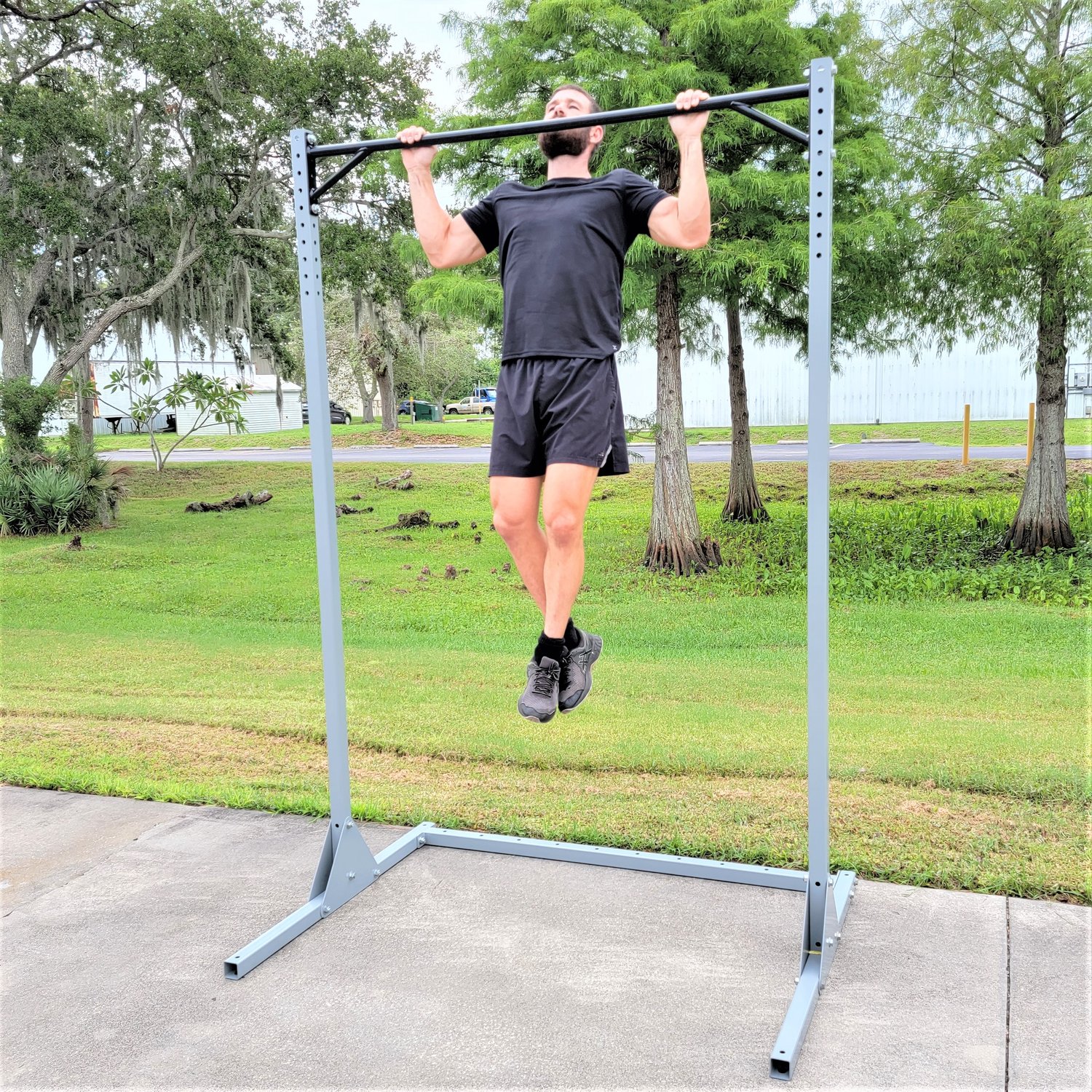
Credit: www.fitbarstrong.com
Types Of Pull Up Bars
Choosing the right pull up bar can change how you approach your workouts. Different types of pull up bars offer unique benefits depending on your space, strength level, and workout goals. Understanding these options helps you pick one that fits your lifestyle and keeps your training effective and safe.
Doorway Bars
Doorway bars are perfect if you have limited space. They fit inside most door frames and can be installed or removed quickly without tools. These bars let you perform pull ups at home without needing a dedicated workout area.
However, they often have weight limits and may not feel as stable during intense workouts. Have you checked if your door frame is strong enough to hold your body weight? Safety matters here, so test the bar carefully before full use.
Wall-mounted Bars
Wall-mounted bars provide a solid, permanent pull up station. They require drilling into a wall, but the stability they offer is unmatched. If you want a reliable setup for regular use, this type is ideal.
These bars often support heavier weights and allow for more advanced exercises. Think about your home gym space—do you have a sturdy wall that can handle installation? Proper mounting is key to avoid accidents.
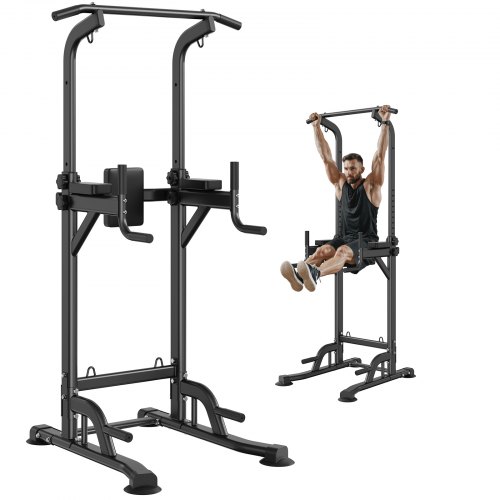
Free-standing Racks
Free-standing racks are versatile and don’t need wall or door support. They can hold multiple workout stations, including pull up bars, dips, and more. This makes them great for those who want a full gym experience at home.
They take up more space but offer greater freedom in exercise variety. If you can dedicate a corner of your room, this might be the equipment that grows with your fitness level. How much room can you comfortably allocate to a rack?
Multi-grip Bars
Multi-grip bars add variety by offering different hand positions. You can do wide grip, narrow grip, neutral grip, and other pull up variations. This helps target different muscles and prevents workout boredom.
These bars come in wall-mounted, doorway, or free-standing models. Adding a multi-grip bar can challenge your muscles in new ways and improve your overall upper body strength. Are you ready to diversify your pull up routine?
Choosing The Right Pull Up Bar
Choosing the right pull up bar is crucial for a safe and effective workout. The right bar fits your space, supports your weight, and feels comfortable. This helps you focus on your exercise without distractions or risks. Consider key factors before buying to get the best pull up bar for your gym setup.
Assessing Space And Installation Options
Measure the area where you plan to install the pull up bar. Check ceiling height and wall space for clearance. Decide between doorway bars, wall-mounted bars, or free-standing stations.
- Doorway bars fit most home door frames easily.
- Wall-mounted bars require drilling but offer stability.
- Free-standing bars need floor space but are movable.
Choose installation based on your room size and flexibility needs.
Weight Capacity And Durability
Look for pull up bars with a high weight limit. The bar should support at least 250 pounds for safety. Steel construction ensures strength and long-lasting use.
- Check product specs for maximum weight capacity.
- Thicker steel bars resist bending or breaking.
- Powder-coated finishes protect against rust and wear.
Durability helps maintain safety during intense workouts.
Comfort And Grip Features
Choose a pull up bar with comfortable grips to reduce hand strain. Foam or rubber grips offer good cushioning and prevent slipping.
- Textured grips improve hold during sweat.
- Multiple grip positions allow varied exercises.
- Non-slip surfaces increase safety and comfort.
Comfortable grips help maintain form and workout longer.
Credit: www.vevor.com
Popular Pull Up Bar Exercises
Popular pull up bar exercises target multiple muscle groups and improve your overall strength. Each variation challenges your body differently, helping you build a balanced upper body. Trying different exercises keeps your routine exciting and pushes your limits.
Standard Pull Ups
Standard pull ups use an overhand grip with hands shoulder-width apart. This exercise primarily works your back, shoulders, and arms. If you’ve struggled with these before, try focusing on controlled movements and don’t rush the reps.
Remember, even a few slow, clean pull ups are better than many sloppy ones. Have you noticed how your grip strength improves after just a week of regular pull ups?
Chin Ups
Chin ups switch to an underhand grip, placing more emphasis on your biceps. This variation is easier for some because it recruits different muscles. Try mixing chin ups into your routine to add variety and prevent plateaus.
One tip is to keep your elbows close to your body; it helps engage the right muscles. How many chin ups can you do in a row without losing form?
Wide Grip Pull Ups
Wide grip pull ups stretch your back muscles more than standard pull ups. Your hands are placed wider than shoulder-width, making the exercise harder but rewarding. This move is great for building a wider, more defined back.
If wide grip pull ups feel too tough, start with assisted versions or negative reps to build strength gradually. What’s stopping you from trying a wider grip today?
Leg Raises And Core Workouts
Using the pull up bar for leg raises targets your core and hip flexors. Hang from the bar and lift your legs straight or bent to work your abs intensely. Adding core work to your pull up routine balances your upper body training.
Try sets of 10 leg raises between pull up sets to keep your workout efficient and challenging. Have you felt your core get stronger since adding this move?
Pull Up Bar Safety Tips
Using a pull up bar can greatly boost your fitness routine, but safety should always come first. Understanding how to use and maintain your pull up bar correctly helps prevent injuries and ensures a longer-lasting workout tool. Let’s look at some key safety tips that protect you and your equipment.
Proper Installation
Installing your pull up bar correctly is crucial. Make sure you follow the manufacturer’s instructions step-by-step. Using a stud finder to locate wall studs or ceiling joists adds stability and prevents the bar from falling during use.
Check that all screws and bolts are tightened securely. Loose hardware can cause accidents without warning. If your bar is door-mounted, confirm the door frame can support your weight without damage.
Avoiding Common Injuries
Pull ups seem straightforward, but poor form can lead to shoulder strains, wrist pain, or muscle tears. Pay attention to your grip—too wide or too narrow can stress your joints.
Don’t rush reps; controlled movements reduce the risk of injury. If you feel sharp pain, stop immediately and assess your technique or equipment.
- Keep your shoulders engaged and avoid swinging your body.
- Use chalk or gloves if your hands slip easily.
- Consider using resistance bands for assistance if you’re new.
Warm-up And Stretching
Preparing your muscles before hitting the pull up bar makes a big difference. Spend 5 to 10 minutes warming up with light cardio or arm circles to increase blood flow.
Stretch your shoulders, arms, and back gently to improve flexibility and reduce stiffness. Skipping this step can make you more prone to strains or cramps during your workout.
Have you noticed how much easier pull ups feel after a proper warm-up? Taking this time helps you get the most from every rep while keeping your body safe.
Maintenance And Care
Proper maintenance and care keep your pull up bar safe and durable. Regular attention helps avoid damage and injury. This section covers key steps to maintain gym equipment pull up bars.
Cleaning And Inspection
Clean the pull up bar after each use. Use a damp cloth to wipe sweat and dirt. Avoid harsh chemicals that damage the finish. Check the bar for rust spots or cracks. Look closely at the grips and mounting points. Early detection of issues prevents bigger problems later.
Tightening And Adjustments
Check all bolts and screws regularly. Tighten loose parts to keep the bar stable. Adjust the position if the bar moves during exercise. Proper fitting ensures safety and better performance. Use the right tools for tightening to avoid damage.
Replacing Worn Parts
Inspect grips and padding for wear and tear. Replace any parts that are cracked or slippery. Worn parts reduce grip and increase injury risk. Keep spare parts handy for quick replacement. Use original or compatible parts for best results.
Incorporating Pull Ups Into Fitness Routines
Pull ups are a powerful way to build upper body strength and improve fitness. They target multiple muscle groups, including the back, shoulders, and arms. Adding pull ups to your fitness routine boosts endurance and muscle tone.
Pull ups also improve grip strength and core stability. They require no fancy equipment other than a sturdy pull up bar. You can adjust the difficulty to fit your fitness level. Pull ups fit well in circuits, strength training, or warm-ups.
Beginner Progressions
Start with assisted pull ups using bands or a chair for support. Negative pull ups help build strength by lowering yourself slowly. Practice hanging from the bar to improve grip and shoulder stability. Aim for small sets of 3 to 5 reps, increasing gradually.
Advanced Variations
Try wide grip pull ups to target your back muscles more. Weighted pull ups add extra resistance for strength gains. Muscle ups combine pull ups with a dip for full upper body work. L-sit pull ups engage your core along with your arms and back.
Combining With Other Exercises
Pair pull ups with push ups for balanced upper body training. Add planks or leg raises to strengthen your core after pull ups. Use supersets with rows or dips for efficient workouts. Combine pull ups with cardio for endurance and strength.
Frequently Asked Questions
What Is A Gym Equipment Pull Up Bar?
A gym equipment pull up bar is a sturdy bar designed for pull-up exercises. It helps build upper body strength by targeting muscles like the back, arms, and shoulders.
How Do I Install A Gym Pull Up Bar?
Installation varies by model but usually involves mounting the bar securely to a wall or door frame. Always follow the manufacturer’s instructions and use proper tools for safety.
What Muscles Do Pull Up Bars Target?
Pull up bars primarily work the latissimus dorsi, biceps, shoulders, and upper back muscles. They also engage the core for stability during the exercise.
Can Pull Up Bars Fit In Small Home Gyms?
Yes, many pull up bars are compact and designed for small spaces. Options include doorway bars and wall-mounted versions suitable for limited room.
Conclusion
A pull-up bar is a great tool for strength and fitness. It helps build muscles in the arms, back, and shoulders. You can use it at home or in the gym. Many types fit different spaces and needs. Using the right bar makes exercises easier and safer.
Try adding pull-ups to your workout routine. Small steps lead to strong results. Keep practicing, and you will see progress soon. Stay consistent, and enjoy your fitness journey.







