
Are you thinking about setting up your own home gym but wondering how much it will really cost? Knowing the price of gym equipment can help you plan your budget without surprises.
Whether you want a few basics or a full setup, understanding the costs can make your decision easier and smarter. Keep reading to discover what factors affect the price and how you can get the best value for your money.
Your fitness goals deserve the right gear—let’s find out what it takes to get there.
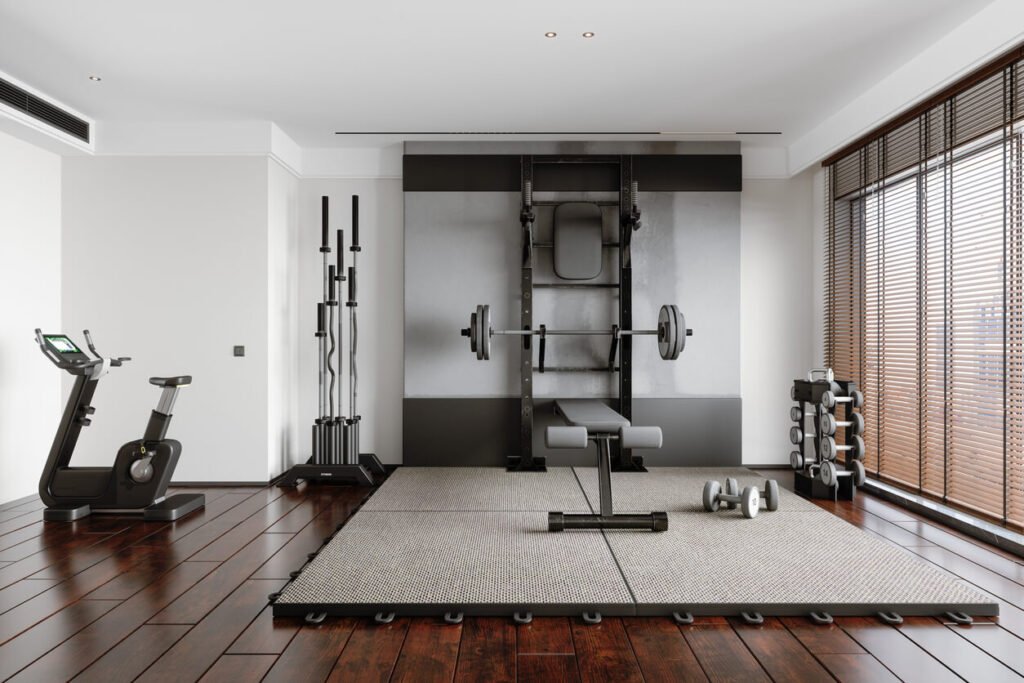
Credit: homegymmentor.com
Factors Influencing Gym Equipment Costs
Understanding the cost of gym equipment can be complex. Various factors influence the final price. Knowing these can help in making informed decisions. Let’s explore these factors in detail.
Equipment Type And Quality
The type of equipment affects its cost. Basic machines are often cheaper. High-end machines come with a higher price tag. Quality also matters. Durable equipment lasts longer but may cost more initially.
Brand Reputation
Brand reputation plays a significant role. Trusted brands often charge more. Their products are reliable and well-tested. New brands might offer lower prices but with less assurance.
New Vs. Used Equipment
Buying new equipment ensures the latest features. It also comes with a warranty. Used equipment can save money but may lack modern features. It’s essential to check the condition before buying used items.
Commercial Vs. Home Use
Commercial equipment is built to last longer. It can handle frequent use. This makes it more expensive. Home-use equipment is generally cheaper but may not be as durable.
Additional Features And Technology
Advanced features can raise equipment costs. Technology such as digital displays or smart tracking adds to the price. Consider what features are necessary before purchasing.
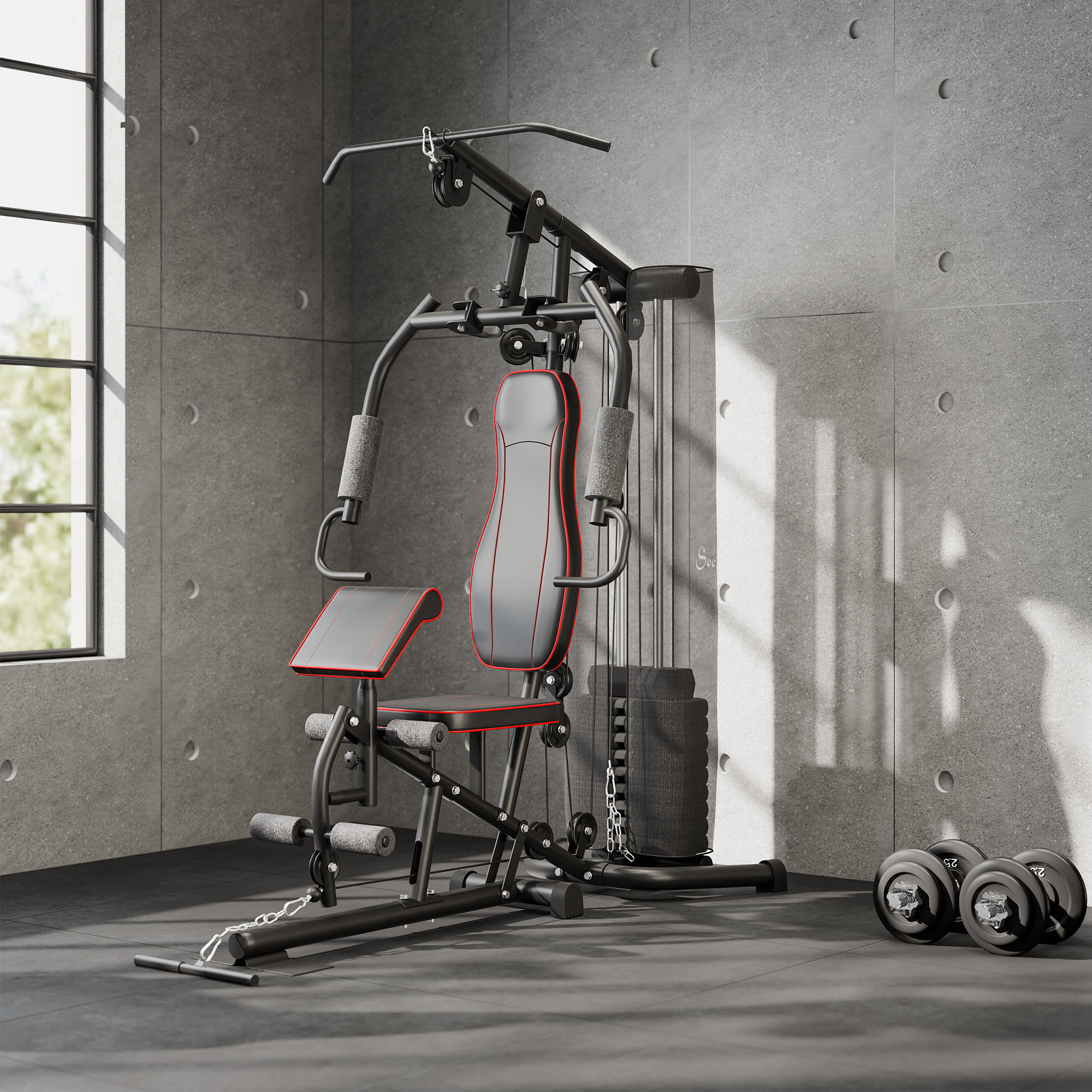
Credit: www.aosom.ca
Price Range For Common Gym Equipment
Knowing the price range for common gym equipment helps you plan your fitness space without overspending. Costs vary widely based on brand, quality, and features. Let’s break down typical price points so you can decide what fits your budget and workout needs.
Cardio Machines
Cardio machines like treadmills, ellipticals, and stationary bikes are often the most expensive gym investments. Basic models start around $300, while high-end ones with advanced tech and durability can cost over $3,000.
- Treadmills: $400 to $3,500
- Ellipticals: $500 to $2,500
- Stationary Bikes: $300 to $2,000
Think about your space and workout style before splurging. Do you need smart features, or will a simple machine keep you motivated?
Strength Training Gear
Strength equipment includes machines like cable stations and weight stacks. These tend to be pricier than free weights but offer guided movement for safety.
- Multi-gyms: $800 to $5,000
- Cable Machines: $600 to $3,000
- Leg Press Machines: $1,000 to $3,500
These machines can suit beginners or those rehabbing injuries, but ask yourself if you prefer the freedom of free weights or the structure of machines.
Free Weights And Accessories
Free weights are versatile and budget-friendly. Dumbbells, kettlebells, and barbells vary widely in price depending on material and weight.
- Single Dumbbells: $10 to $100 each
- Kettlebells: $20 to $150 each
- Barbells: $100 to $500
- Weight Plates: $1.50 to $3 per pound
Investing in adjustable dumbbells can save space and money. How much weight do you realistically use in your routine?
Functional Training Equipment
Functional gear like resistance bands, medicine balls, and suspension trainers add variety without heavy costs.
- Resistance Bands: $10 to $50
- Medicine Balls: $20 to $100
- Suspension Trainers: $100 to $250
- Battle Ropes: $50 to $200
These items can easily fit in small spaces and boost your workouts. Could these be your affordable game-changers?
Recovery And Mobility Tools
Recovery tools improve performance and reduce injury. Foam rollers, massage guns, and stretching aids vary in price but are often worth the investment.
- Foam Rollers: $20 to $70
- Massage Guns: $100 to $400
- Stretching Straps: $10 to $30
Adding recovery tools to your routine can speed up progress. Are you giving your body enough attention after workouts?
Budgeting For Home Gym Setup
Setting up a home gym can be exciting, but budgeting is key to avoid overspending. Knowing what equipment to prioritize helps you build a space that fits both your fitness goals and wallet. Let’s look at how you can plan your spending based on the quality and range of gym gear you want.
Essential Equipment For Beginners
If you’re just starting, focus on versatile and affordable basics. A good set of dumbbells, a yoga mat, and resistance bands can cover most workouts without breaking the bank. These items usually cost between $50 and $150 total.
Adding a jump rope or a stability ball can boost your routine without much extra cost. Have you noticed how simple tools can still challenge your strength and flexibility? This setup keeps things light on your budget while building a solid foundation.
Mid-range Home Gym Options
Ready to step up? Mid-range equipment includes items like adjustable dumbbells, a bench, and a power rack. Expect to spend around $500 to $1,500 depending on brands and features.
Consider a treadmill or a stationary bike if cardio is your focus. These machines often cost $700 to $1,200 but offer great durability and features. Think about how much you’ll actually use the equipment to make sure it’s worth the investment.
High-end Home Gym Investments
High-end setups feature commercial-grade machines, smart fitness tech, and full weight systems. Prices can range from $2,000 to over $10,000. This level suits those serious about training at home long-term.
Look for equipment with warranties and advanced features like app integration or customizable resistance. Are you ready to commit to a workout space that rivals a professional gym? High-end gear can offer convenience and motivation but demands a bigger budget.
Cost Breakdown For Commercial Gym Equipment
Understanding the cost breakdown for commercial gym equipment can help you plan your budget more effectively. Each category of equipment comes with its own price range, and knowing these details can prevent surprises. Whether you’re opening a gym or upgrading your facility, breaking down costs gives you control over your investments.
Treadmills And Ellipticals
Treadmills and ellipticals are staples in any gym and usually represent a significant portion of the budget. Expect to pay between $2,000 and $10,000for a single commercial-grade treadmill. Ellipticals tend to be slightly cheaper, ranging from $1,500 to $7,000.
Higher-end models offer advanced features like touchscreen displays and personalized workout programs but come at a premium. Think about how much your members will actually use these machines before investing in the most expensive options.
Weight Machines And Racks
Weight machines and racks can vary widely in price depending on the complexity and brand. A basic weight machine might cost around $1,000 to $3,000, while specialty machines can reach upwards of $5,000each. Free weight racks, including dumbbells and barbells, typically add another $500 to $2,000to your costs.
Consider the layout and space you have, as well as the variety your clients expect. Investing in durable, easy-to-maintain weight machines can save you money in the long run.
Group Fitness And Specialty Equipment
Group fitness equipment such as spin bikes, rowing machines, and functional training gear usually costs less individually but adds up quickly. Spin bikes can range from $800 to $3,000each. Rowing machines and other specialty items often fall between $900 and $2,500.
Think about the types of classes or sessions you want to offer. Do your members prefer high-intensity interval training or yoga? Tailoring your equipment to their interests can increase satisfaction and retention.
Maintenance And Warranty Expenses
Maintenance is often overlooked but can be a significant ongoing expense. On average, expect to spend about 5-10% of your initial equipment investment annuallyon upkeep. This includes regular servicing, parts replacement, and cleaning.
Warranties vary by manufacturer but investing in extended coverage can protect you from unexpected repair costs. Have you considered how downtime affects your gym’s reputation and revenue? Proper maintenance keeps equipment safe and operational, saving headaches later.
Tips To Save On Gym Equipment
Buying gym equipment can feel like a big investment, but there are smart ways to save money without sacrificing quality. Whether you’re setting up a home gym or upgrading your current gear, knowing where to cut costs can make a huge difference. Let’s look at some practical tips that can help you get the equipment you need while keeping your budget in check.
Buying Used Or Refurbished Items
Used and refurbished gym equipment often comes at a fraction of the price of new items. You can find quality pieces that still perform well, especially from trusted sellers or local gyms upgrading their gear.
Check online marketplaces or local classifieds, but always inspect the equipment thoroughly or ask for detailed photos. A little research here can save you hundreds, sometimes even thousands, of dollars.
Seasonal Sales And Discounts
Retailers often offer deep discounts during certain times of the year, like Black Friday, New Year, or summer clearance sales. Timing your purchase around these periods can save you a significant amount.
Signing up for newsletters from fitness stores or setting price alerts online can help you catch these deals before they disappear. Have you ever waited for a sale and scored a high-end treadmill for less than half price?
Leasing And Financing Options
If buying outright isn’t an option, leasing or financing gym equipment can spread out the cost. Many companies offer monthly payment plans with low or zero interest, making expensive machines more affordable.
Look closely at the terms to avoid hidden fees or long-term commitments. Sometimes paying a bit more over time is worth getting the equipment you want now, especially if it keeps you motivated to reach your fitness goals.
Additional Costs To Consider
Buying gym equipment involves more than just the price tag. Additional costs can affect your overall budget. These costs ensure your equipment is delivered, set up, and safe to use. Understanding these expenses helps you plan better.
Shipping And Delivery Fees
Shipping fees vary by size and weight of the equipment. Large machines often cost more to ship. Some sellers offer free shipping, but many charge extra. Delivery to your home or gym space may add fees too.
Installation Charges
Some gym equipment needs professional assembly. Installation charges depend on the complexity of the machine. Hiring a technician ensures safety and proper setup. DIY assembly can save money but may take time and effort.
Space And Flooring Requirements
Gym equipment needs enough space for use and safety. You may need to clear or modify a room. Special flooring can protect your floors and reduce noise. Mats or rubber tiles are common choices and add to the cost.

Credit: tzfit.com
Frequently Asked Questions
How Much Does Basic Gym Equipment Cost?
Basic gym equipment like dumbbells, resistance bands, and yoga mats typically cost between $50 and $300. Prices vary based on brand and quality. This range suits beginners aiming to build a home gym without overspending.
What Is The Average Cost Of A Treadmill?
A decent treadmill usually costs between $600 and $2,000. Higher-end models with advanced features can exceed $3,000. The price depends on motor power, speed settings, and included technology.
Are Used Gym Equipment Items Cheaper?
Yes, used gym equipment can be 30-70% cheaper than new items. Buying secondhand saves money but requires careful inspection for wear and safety. It’s ideal for budget-conscious buyers.
How Much Should I Budget For A Home Gym Setup?
A basic home gym setup costs around $500 to $2,000. This includes essential equipment like weights, benches, and cardio machines. Budget depends on fitness goals and space availability.
Conclusion
Choosing gym equipment depends on your budget and fitness goals. Basic machines cost less but serve well for beginners. Advanced equipment often costs more but offers more features. Think about space and how often you will use the gear. Buying second-hand can save money but check condition carefully.
Set a budget and compare prices before buying. The right equipment helps you stay active and healthy at home. Take time to decide what fits best for you. Simple steps lead to smart purchases.







