
Do you have gym equipment gathering dust at home? Instead of letting it sit unused, you can make a real difference by donating it.
Your old treadmill, weights, or yoga mats could help someone start their fitness journey or support a community in need. Imagine the impact your equipment can have—boosting health, confidence, and happiness for others. Keep reading to discover how easy it is to donate gym equipment and why your contribution matters more than you think.
Credit: nixxitjunk.com
Benefits Of Donating Gym Equipment
Donating gym equipment helps others stay healthy and active without extra cost. It reduces waste and supports community fitness programs. Sharing unused equipment makes a positive impact on people’s lives.
Donating gym equipment offers numerous benefits for individuals and communities. It helps promote health and wellness while supporting environmental sustainability. By sharing fitness resources, you contribute to a healthier society.Helping Communities Stay Active
Donating gym equipment helps communities stay active. Many neighborhoods lack access to fitness resources. By providing equipment, you encourage exercise and healthy lifestyles. Local gyms and community centers can offer more activities. This access promotes better physical and mental health for all.Reducing Waste And Promoting Sustainability
Unused gym equipment often ends up in landfills. Donating keeps these items in use, reducing waste. It supports a more sustainable future. Reusing equipment conserves resources and energy. This small act helps protect our planet. A sustainable choice that benefits everyone.Supporting Charities And Nonprofits
Charities and nonprofits benefit greatly from donations. Gym equipment donations help these organizations fulfill their missions. They can offer fitness programs to those in need. These programs improve community health and well-being. Your donation makes a real difference.Types Of Gym Equipment To Donate
Donating gym equipment is a wonderful way to give back to your community and help others achieve their fitness goals. You might wonder which types of equipment are best suited for donation. Understanding the categories can help you decide what to give and ensure your items find a new life with someone who needs them.
Cardio Machines
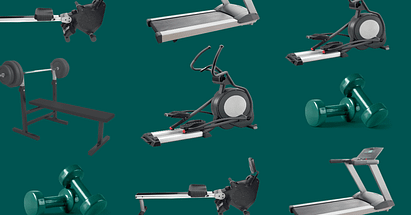
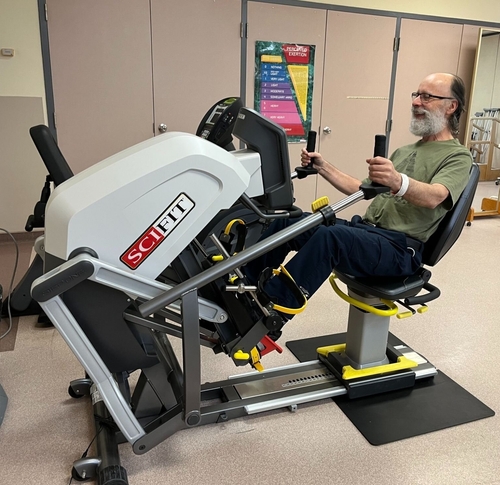
Cardio machines like treadmills, stationary bikes, ellipticals, and rowing machines are always in demand. These machines help people improve heart health and endurance.
If you have a gently used treadmill or a bike gathering dust, donating it can inspire someone to start a healthier routine. Think about the last time you used one—did it make a difference in your workout? Imagine passing that motivation along.
Strength Training Gear
Strength training equipment includes dumbbells, barbells, weight benches, kettlebells, and resistance machines. These items are crucial for building muscle and enhancing overall fitness.
Many people can’t afford new gear, so your old weights or benches could be a game changer for them. Even a small set of dumbbells can empower a beginner to start lifting safely at home.
Accessories And Small Items
Don’t overlook smaller gym accessories like yoga mats, resistance bands, jump ropes, and foam rollers. These items are easy to ship and store but provide great value.
Accessories often get replaced more frequently, so donating yours can help others maintain their workout routines without extra cost. Have you ever struggled to keep up with your fitness because you lacked simple tools? Your donation can fill that gap.
Preparing Equipment For Donation
Preparing gym equipment for donation takes more than just packing it up. It requires effort to make sure the items are clean, safe, and ready for a new home. Taking these steps shows respect for those who will use the equipment and increases the chances your donation will be accepted and appreciated.
Cleaning And Maintenance Tips
Start by wiping down all surfaces with a mild disinfectant. Focus on handles, seats, and touch points where sweat and dirt gather. This not only improves appearance but also prevents the spread of germs.
Check for any rust or buildup on metal parts and gently scrub it away. If you find stuck-on grime, use a soft brush rather than harsh abrasives to avoid damage. Small maintenance tasks like tightening screws or oiling moving parts can make a big difference in usability.
Ensuring Safety And Functionality
Before donating, inspect each piece carefully for safety issues. Look for frayed cables, cracked seats, or loose bolts that could cause injury. Replace or repair any broken parts if possible, or clearly note the problems for the recipient.
Test machines to confirm they work smoothly without unusual noises or jerky movements. A treadmill that suddenly stops or a weight bench that wobbles can be dangerous and frustrating. Would you want to receive gear that needs immediate fixing?
Packaging And Transporting Gear
Proper packaging protects your equipment during transport. Use bubble wrap or blankets to cover fragile parts like screens or electronic consoles. Secure loose components with tape or ties to prevent shifting.
Label boxes clearly, especially if they contain small parts or tools. Consider disassembling large machines to make moving easier and reduce damage risk. Planning your transport method ahead saves time and avoids last-minute stress.
Where To Donate Gym Equipment
Deciding where to donate your gym equipment can make a big difference in how it benefits others. The right place ensures your items get used and appreciated, improving health and wellness in your community. Think about who could really use your equipment and how accessible the location is for them.
Local Community Centers
Community centers often welcome gym equipment donations to support their fitness programs. These centers serve people of all ages and backgrounds, making your donation valuable to many. Contact your nearby center to find out what types of equipment they need and their donation process.
Schools And Youth Programs
Schools and youth programs frequently look for gym equipment to encourage physical activity among students. Donating here helps young people build healthy habits early on. Check with local schools or after-school programs to see if they accept donations and what items are most useful to them.
Nonprofit Organizations
Many nonprofits focus on health, wellness, and community support, making them great candidates for your gym equipment. Some organizations specifically assist underprivileged groups who might not otherwise have access to fitness gear. Research local nonprofits to identify those aligned with your donation goals and reach out directly.
Online Donation Platforms
Online platforms make it easy to connect with individuals or groups in need of gym equipment. Websites like Freecycle, Craigslist, or specialized donation sites let you list your items and find local recipients quickly. These platforms often provide guidelines to ensure safe and smooth transactions.
Impact Stories From Donors And Recipients
Donating gym equipment creates powerful ripple effects felt by both donors and recipients. These stories show how simple acts of giving can change lives, strengthen communities, and promote healthier habits. Hearing real experiences helps you see the true impact your donation can make.
Transforming Lives Through Fitness
One donor shared how their unused treadmill found a new home in a local shelter. The recipients, many facing health challenges, began using it daily. This small gift sparked renewed energy and confidence, proving that fitness tools can be lifelines for recovery and growth.
Have you ever thought about how equipment gathering dust in your home could change someone’s daily routine? Donated gym gear often becomes the first step toward a healthier lifestyle for people who otherwise lack access to such resources.
Building Stronger Communities
Community centers receiving donated equipment report higher participation in group fitness classes. These spaces become gathering points where people connect and support each other’s wellness goals. Donors often hear back about friendships formed and motivation boosted thanks to their contributions.
What if your donation helped create a local hub where neighbors encourage each other to stay active? Your gym equipment can become a tool for social bonding, not just physical exercise.
Encouraging Healthy Lifestyles
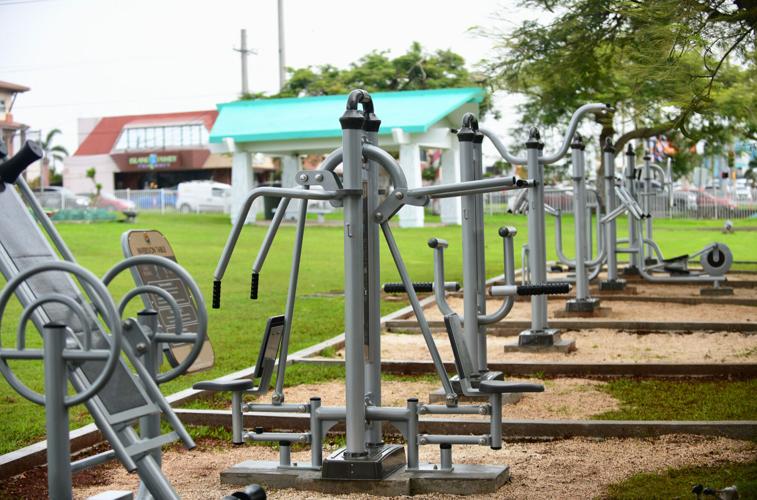
Recipients frequently share how donated weights and mats inspire daily exercise habits at home. One family turned a spare room into a mini-gym, making fitness a regular part of their lives. These stories highlight how accessible equipment removes barriers to starting and maintaining healthy routines.
Could your donation be the nudge someone needs to begin prioritizing their health? Providing the right tools often makes all the difference in sustaining positive lifestyle changes.
Credit: www.guampdn.com
Tax Benefits And Legal Considerations
Donating gym equipment can be a rewarding way to clear out unused items while supporting your community. Beyond the goodwill, there are important tax benefits and legal considerations you should know. Understanding these details ensures your donation process is smooth and maximizes your potential savings.
Claiming Deductions
You may be able to claim a tax deduction for the fair market value of your donated gym equipment. This means you can reduce your taxable income based on the value of what you give away.
Keep in mind, the IRS requires that donations go to qualified organizations, such as registered charities. If your equipment is worth more than $500, you’ll need to fill out additional tax forms like Form 8283.
Have you checked how much your equipment is worth? Getting an appraisal or using online valuation tools can help you claim the right deduction and avoid issues with the IRS.
Documenting Donations
Proper documentation is key to proving your donation and its value. Always ask for a receipt from the charity that includes their name, the date, and a description of the gym equipment.
If your donation exceeds $250, the IRS requires a written acknowledgment from the charity. Without this, you cannot claim the deduction on your tax return.
Take photos of the equipment before donating. This can serve as extra proof if the IRS questions your donation later. Have you ever lost out on deductions due to missing paperwork? Don’t let that happen here.
Understanding Donation Policies
Each charity may have its own policies about what types of gym equipment they accept. Some organizations only take new or lightly used items, while others may refuse bulky or outdated gear.
Contact the charity beforehand to confirm they can accept your donation. Knowing their pickup or drop-off procedures can save you time and hassle.
Think about the condition of your equipment. Would you use it yourself or recommend it to a friend? If not, it might not be suitable for donation and could end up as waste, which benefits no one.
Tips For Choosing What To Donate
Choosing the right gym equipment to donate can make a big difference in how effectively your contribution supports a new fitness space. It’s not just about clearing out your garage or basement—it’s about offering something that others can truly use and appreciate. Thoughtful selection helps ensure your donation has real impact and avoids unnecessary waste.
Evaluating Equipment Condition
Start by checking each item’s safety and functionality. Ask yourself: does the equipment work smoothly without strange noises or broken parts? Equipment with torn upholstery, rust, or missing components may cause more harm than good.
Think about how easy it is to clean and sanitize the gear too. If you wouldn’t feel comfortable using it yourself, it’s likely not suitable to donate. Sometimes, a quick fix or replacement part can make a big difference, so consider minor repairs if possible.
Prioritizing High-impact Items
Focus on equipment that serves a wide range of users and fitness levels. Items like dumbbells, resistance bands, and yoga mats are versatile and often in high demand. Larger machines like treadmills or stationary bikes can be great but only if they’re in good condition.
Consider what your recipient might need most. A small community gym may benefit more from basic strength training tools than complex machines. What would you want if you were starting fresh? This perspective helps you prioritize donations that will get used frequently.
Avoiding Common Donation Mistakes
Don’t assume all gym equipment is wanted just because it’s in decent shape. Many organizations have limited space and specific needs. Asking ahead about their requirements can save frustration for both sides.
Avoid donating broken or outdated equipment that could become a burden. Also, don’t forget to include any accessories or manuals that help with setup and use. These small details can make your donation more valuable and easier to integrate.
Credit: sghfoundation.org
Frequently Asked Questions
What Types Of Gym Equipment Can I Donate?
You can donate treadmills, weights, bikes, mats, and benches. Ensure equipment is clean, functional, and safe to use for donation.
Where Can I Donate Used Gym Equipment Near Me?
Local gyms, community centers, schools, and charities often accept gym equipment donations. Check their websites or call to confirm.
How Does Donating Gym Equipment Benefit The Community?
Donations help provide fitness access to underprivileged groups. They promote health, wellness, and encourage active lifestyles locally.
Is Tax Deduction Available For Donating Gym Equipment?
Many donations qualify for tax deductions. Keep receipts and check IRS rules or consult a tax advisor for details.
Conclusion
Donating gym equipment helps others stay healthy and active. It gives old machines a new life. Many people cannot afford gym gear. Your donation makes fitness easy for them. Small acts create big changes. Think about who might benefit nearby.
It feels good to share what you don’t use. Plus, it reduces waste and helps the planet. Start with one item today. Your gift matters more than you know. Helping others builds a stronger community. Everyone deserves a chance to exercise and grow.







