
Are you ready to take your gym to the next level but worried about the cost of new equipment? You’re not alone.
Finding the right way to finance gym equipment can feel overwhelming and confusing. But imagine having access to the best machines without draining your savings or putting your business at risk. You’ll discover simple, smart strategies to fund your gym’s growth.
By the end, you’ll feel confident making the right financial choices that keep your gym thriving and your members motivated. Keep reading to unlock the secrets to affordable gym equipment financing!
Assessing Your Gym Equipment Needs
When planning to finance gym equipment, a crucial step is assessing your gym equipment needs. This process ensures that you allocate resources wisely and avoid unnecessary expenses. It’s all about making smart choices that align with your fitness goals and budget constraints.
Evaluating Existing Equipment
Start by taking a thorough inventory of your current equipment. Identify machines that are still in good condition and those that may need repairs or replacement. Consider whether certain equipment can be refurbished rather than replaced, saving costs and extending their lifespan.
Ask yourself which pieces of equipment are most popular with your gym-goers. Are there machines that sit unused, gathering dust? This can be a sign that they might not be essential to your gym’s success.
Prioritizing Essential Purchases
Once you’ve evaluated your existing equipment, create a list of essential purchases. Focus on equipment that will have the greatest impact on your gym’s offerings. Think about the types of exercises your members frequently request and ensure you meet those needs.
Consider industry trends and emerging fitness preferences. Investing in versatile equipment that caters to multiple workout styles can boost member satisfaction and attract new clients.
Estimating Budget Requirements
Determine the budget you have available for new equipment. Calculate the costs of essential purchases and compare them with your financial resources. It’s crucial to strike a balance between quality and affordability to ensure a sustainable investment.
Explore financing options if your budget is limited. Leasing equipment or seeking business loans might be viable solutions to stretch your purchasing power without straining your finances.
Credit: treadmillfactory.ca
Exploring Funding Options
Finding the right funds for gym equipment requires exploring several options. Each funding source has its pros and cons. Understanding these helps you pick the best fit for your gym’s needs and budget.
Some options need upfront cash, while others spread payments over time. Some come with lower interest rates, and others offer more flexibility. Knowing these differences saves money and stress.
Personal Savings And Investments
Using your own savings gives full control over purchases. No debt or interest payments follow this choice. You decide what to buy and when. This method suits those who have enough funds saved.
Investments can also be a good source. Selling stocks or other assets can free up cash. Be careful about taxes and penalties. Plan ahead to avoid surprises.
Bank Loans And Credit Lines
Banks offer loans with fixed or variable interest rates. Loans provide a lump sum upfront for equipment purchases. Credit lines give flexible access to money as needed. Both require a good credit score and steady income.
Loan terms vary, usually from 1 to 5 years. Monthly payments include principal and interest. Credit lines charge interest only on what you use. Compare offers to find the best deal.
Leasing Vs. Buying Equipment
Leasing lets you use equipment without full ownership. Monthly lease payments are often lower than loan payments. Leasing may include maintenance and upgrades. At lease end, you can buy, renew, or return equipment.
Buying requires more money upfront but builds ownership. Owned equipment adds value to your gym. You control how long to keep and use it. Consider your budget and long-term plans carefully.
Crowdfunding Opportunities
Crowdfunding gathers small amounts of money from many people. Platforms like Kickstarter or GoFundMe help raise funds online. Share your gym’s story to attract supporters. Rewards or perks often encourage donations.
This option builds community support and marketing. Success depends on clear goals and good promotion. Crowdfunding suits unique or local gym projects well.
Maximizing Return On Investment
Maximizing return on investment in gym equipment requires smart choices and careful planning. Every dollar spent should bring value to your business. Selecting the right equipment, negotiating good deals, and keeping machines in top condition all help improve profits. Focus on these key areas to make your investment last and perform well over time.
Choosing High-demand Equipment
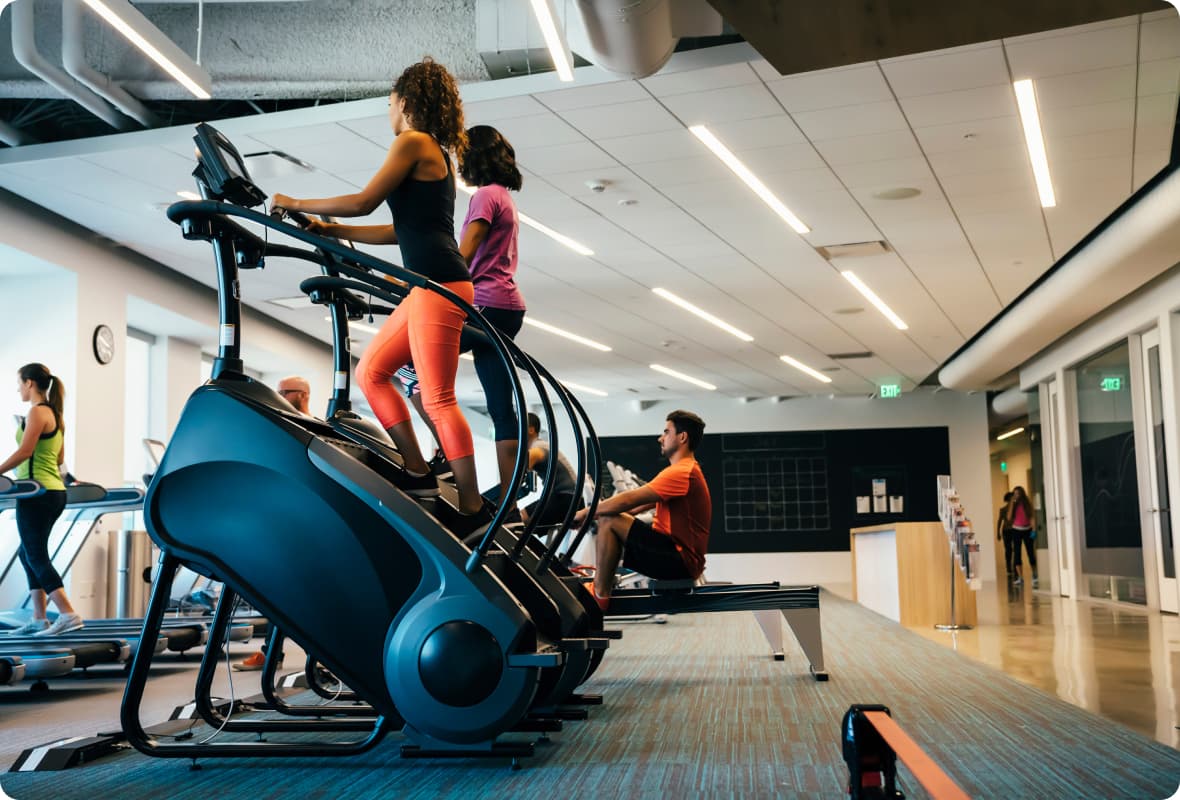
Select equipment that many gym members use regularly. Popular machines attract more users and increase gym visits. Look at trends and ask members about their favorite workouts. Equipment such as treadmills, ellipticals, and weight machines often have high demand. Avoid buying rare or specialty items that few people use. This approach ensures steady use and faster return on investment.
Negotiating With Suppliers
Talk to multiple suppliers to get the best price and terms. Suppliers may offer discounts for bulk purchases or repeat business. Ask about warranties, service packages, and delivery costs. Clear communication can lead to better deals and reduce upfront expenses. A good negotiation saves money and protects your investment.
Maintaining Equipment For Longevity
Regular maintenance extends the life of gym machines. Clean and inspect equipment weekly to catch problems early. Replace worn parts before they cause bigger damage. Train staff on proper use and care routines. Well-maintained equipment stays safe and reliable, reducing repair costs. This practice keeps machines working longer and improves overall return on investment.
Credit: broadfitfinancial.com
Budgeting And Financial Planning
Budgeting and financial planning form the backbone of acquiring gym equipment without straining your finances. Taking time to plan your expenses carefully helps you avoid surprises and ensures your investment supports your gym’s growth. Let’s break down how to approach this process to keep your finances on track.
Creating A Detailed Budget Plan
Start by listing all the equipment you need, including prices from multiple suppliers to find the best deals. Don’t forget to add costs for installation, maintenance, and any necessary accessories. Break your budget into categories like cardio machines, strength training equipment, and safety gear to see where your money goes.
Think about your priorities. Would you rather invest more in a few high-quality machines or spread the budget across a wider variety? This clarity helps you allocate funds wisely and prevents overspending on less critical items.
Forecasting Cash Flow
Understand when your payments are due and match them against your income schedule. This helps ensure you have enough cash on hand to cover purchases without disrupting daily operations. Use a simple spreadsheet to track monthly income, expenses, and any loan repayments related to equipment purchases.
Ask yourself: Can your current cash flow support upfront payments, or do you need financing options? Forecasting cash flow lets you spot potential shortfalls early, giving you time to adjust your plans or secure additional funding.
Setting Financial Milestones
Break your overall budget into smaller milestones, such as ordering initial equipment, completing installation, and reaching revenue goals post-purchase. These milestones give you clear targets to measure progress and celebrate small wins. They also help keep your financial plan flexible and responsive to changes.
For example, if your first milestone is to equip the cardio section within three months, align your cash flow and payments accordingly. Setting milestones turns a big financial commitment into manageable steps you can track and control.
Leveraging Tax Benefits And Incentives
Financing gym equipment can be a significant investment, but you don’t have to bear the full cost alone. Leveraging tax benefits and incentives can reduce your expenses and improve your cash flow. Understanding what options are available to you could make a big difference in your budgeting.
Understanding Tax Deductions
Tax deductions let you subtract certain expenses from your taxable income, lowering the amount you owe. When you buy gym equipment, many costs qualify as business expenses, which means you can deduct them on your tax return.
For example, if you spend $10,000 on new treadmills, that amount may be deducted, reducing your taxable income. Some deductions apply immediately, while others must be spread out over several years through depreciation.
Have you reviewed your current tax filings to see if you’re taking full advantage of equipment-related deductions? Consulting with a tax professional can uncover deductions you might have missed and help you plan purchases for maximum benefit.
Applying For Grants And Subsidies
Grants and subsidies can provide direct financial support or reduce the cost of gym equipment without the need for repayment. These are often offered by government programs, local councils, or industry organizations aiming to encourage health and fitness initiatives.
Eligibility criteria vary widely but often focus on small businesses, new startups, or facilities promoting community health. You can find grants targeted at eco-friendly equipment or technology upgrades, which may fit your gym’s goals perfectly.
- Start by searching government databases for fitness or small business grants.
- Check with local business associations for regional subsidy opportunities.
- Prepare a clear proposal highlighting how your gym benefits the community or supports health.
Have you considered how these funding options could offset your upfront costs? A bit of research could reveal unexpected sources of support that make your investment more affordable.

Credit: www.nerdwallet.com
Building Strong Vendor Relationships
Building strong vendor relationships plays a key role in financing gym equipment. Trust and clear communication create a foundation for smooth transactions. Vendors who understand your business needs offer better support and flexible options. These partnerships often lead to cost savings and improved service.
Securing Flexible Payment Terms
Flexible payment terms ease the strain on your cash flow. Vendors may allow delayed payments or installment plans. This flexibility helps manage your budget without sacrificing quality equipment. Discuss options openly to find terms that suit your gym’s financial situation. Clear agreements prevent misunderstandings and build trust.
Exploring Partnership Deals
Partnership deals can bring additional benefits beyond basic purchases. Vendors might offer discounts for long-term contracts or bulk orders. Some provide free maintenance or training sessions as part of the deal. These extras add value and reduce overall costs. Strong partnerships encourage vendors to invest in your gym’s success.
Tracking And Managing Expenses
Tracking and managing expenses is essential for anyone investing in gym equipment. Without clear oversight, costs can quickly spiral, leaving you stressed and your budget broken. Keeping a close eye on every purchase helps you make smarter decisions and keeps your finances healthy.
Using Financial Software Tools
Financial software can be a game changer for tracking gym equipment expenses. Tools like QuickBooks or Wave let you categorize costs, upload receipts, and generate reports with just a few clicks.
These platforms save time and reduce errors. You can see exactly where your money goes, whether it’s for maintenance, new machines, or accessories.
Have you tried setting up automatic expense tracking? It can catch costs you might miss, like subscription fees for maintenance services or small equipment replacements.
Regular Expense Reviews
Setting a routine to review your expenses keeps your budget in check. Whether weekly or monthly, these reviews highlight any unusual or unexpected charges.
During reviews, compare actual spending against your budget. This helps you adjust future purchases or negotiate better deals with suppliers.
Ask yourself: Are there expenses that can be reduced or avoided? Maybe a cheaper supplier exists or some equipment doesn’t need replacing as often as you thought.
Frequently Asked Questions
What Are The Best Financing Options For Gym Equipment?
Popular financing options include loans, leases, and credit lines. Choose based on your budget and repayment ability. Leasing often requires less upfront cost. Loans provide ownership but need good credit. Always compare interest rates and terms before deciding.
Can I Get A Loan Specifically For Gym Equipment?
Yes, many lenders offer equipment loans tailored for gym purchases. These loans cover new or used equipment. Approval depends on credit score and business history. Loan terms vary from months to years. Check with banks or specialized fitness equipment financiers.
How Does Leasing Gym Equipment Work?
Leasing allows you to use equipment by paying monthly fees. It reduces upfront costs and preserves cash flow. Lease terms typically last 1-5 years. At lease end, options may include buyout or upgrade. Leasing suits businesses wanting flexibility and regular upgrades.
Are There Tax Benefits For Financing Gym Equipment?
Yes, financed gym equipment can qualify for tax deductions. Section 179 allows full deduction in the purchase year. Depreciation benefits also apply for financed assets. Consult a tax advisor to maximize savings. Proper documentation of financing is essential for claims.
Conclusion
Choosing the right finance option helps you buy gym equipment stress-free. Planning your budget keeps your expenses clear and manageable. Simple loans or payment plans can fit different needs. Good financial choices let you focus on fitness goals. Start small, grow your gym step by step.
Smart money moves make equipment affordable and easy. Keep tracking costs to avoid surprises later. Finance can turn your gym ideas into reality. Take control of your spending and equipment today.







